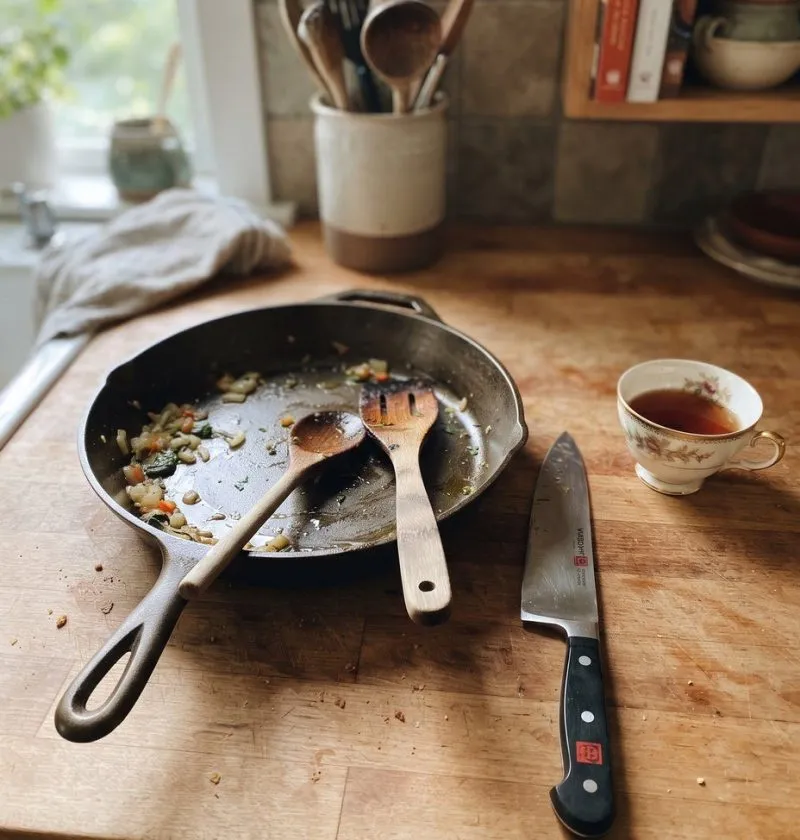
A dishwasher runs hotter than your hands can stand and uses a detergent far more aggressive than dish soap. That combination cleans well and destroys a short list of things. Six items that come out worse than they went in. 1. Cast Iron The seasoning on a cast iron pan is a layer of polymerized oil bonded to the metal. Dishwasher detergent is strongly alkaline and it strips exactly that. The pan comes out dull gray, sticky food sticks to it, and it starts rusting within a day because there is nothing protecting the bare iron. Hot water, a brush, …
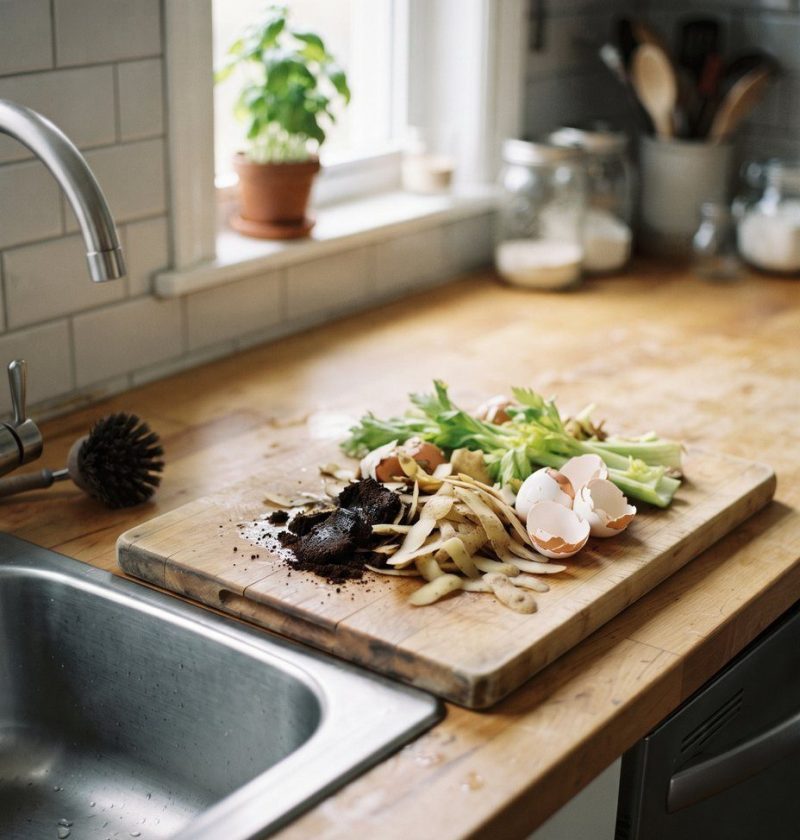
A garbage disposal is a set of blunt spinning teeth, not a blender. It cannot cut and it cannot dissolve — it grinds things small enough to wash away. These six are the ones that jam it, dull it, or block the pipe a few feet past it where a plumber has to come and take the pipe apart. 1. Coffee Grounds They go down easily, which is why everyone does it. That is the problem. Coffee grounds do not dissolve. They settle in the trap under the sink and pack together into a dense wet sludge that water cannot …
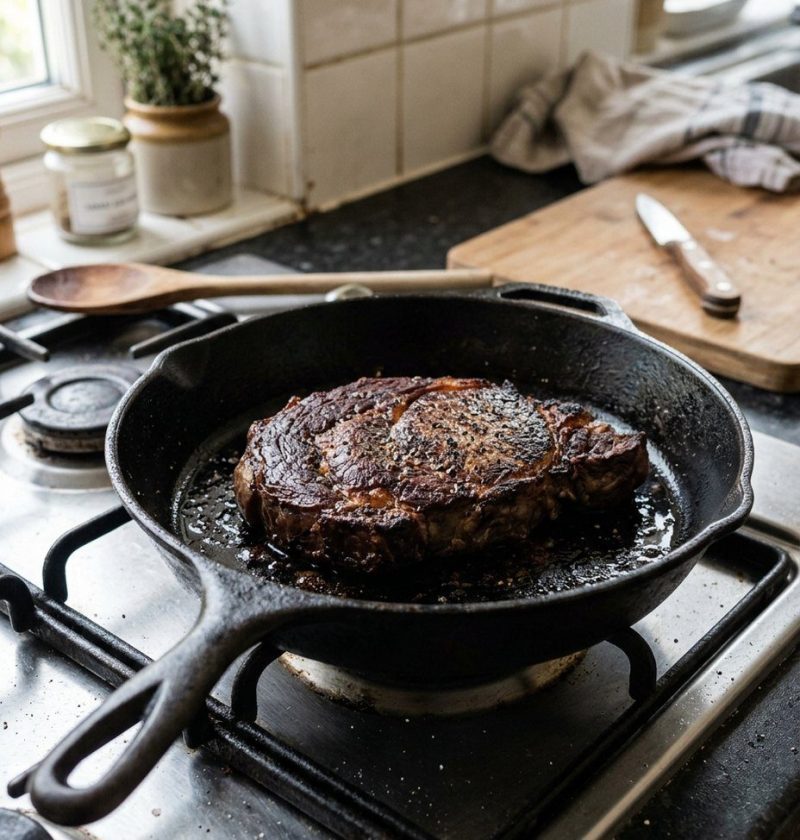
There is a lot of noise about this. Cast iron people talk like non-stick is poison, and non-stick people point out that they have never had to season anything in their lives. Both are right about their own pan and wrong about the other one. They do different jobs. What Cast Iron Is Actually Good At Heat retention. This is the real advantage and it is not about how hot the pan gets — it is about how much heat it holds. Put a cold steak in a cast iron pan and the pan barely drops in temperature. Put it …
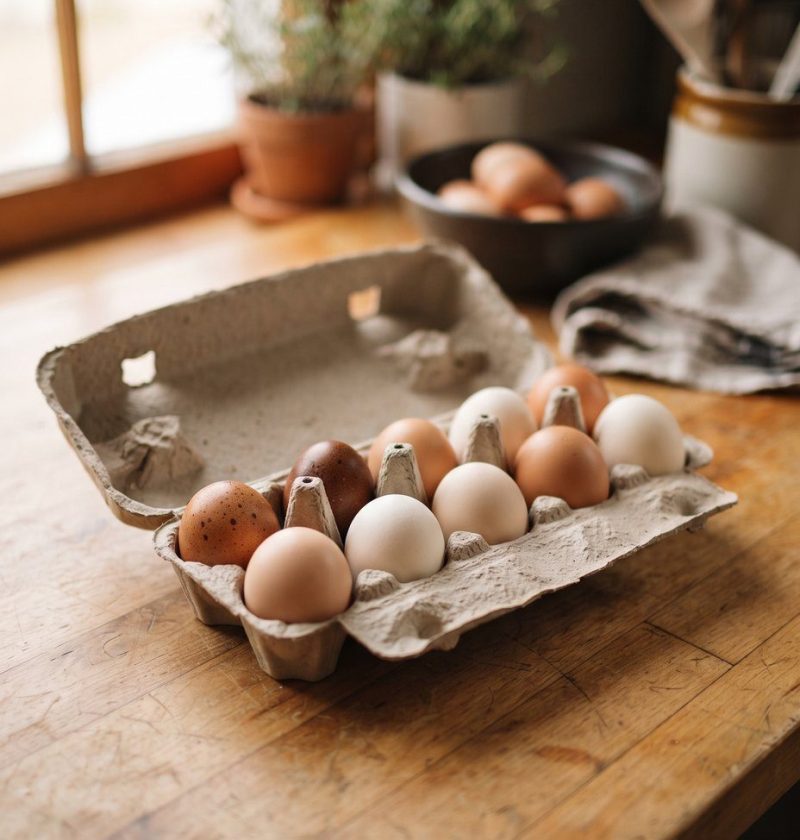
Brown eggs cost more, sit in nicer boxes, and look more like what people imagine a farm egg looks like. The difference between brown and white is the one thing about an egg that tells you nothing at all. What Decides the Color The breed of the hen. That is the entire answer. White Leghorns lay white eggs. Rhode Island Reds and Plymouth Rocks lay brown ones. Araucanas lay blue-green ones. Some breeds lay cream, some lay a speckled brown. There is an old rule of thumb that works surprisingly often: look at the hen’s earlobes. White earlobes usually mean …
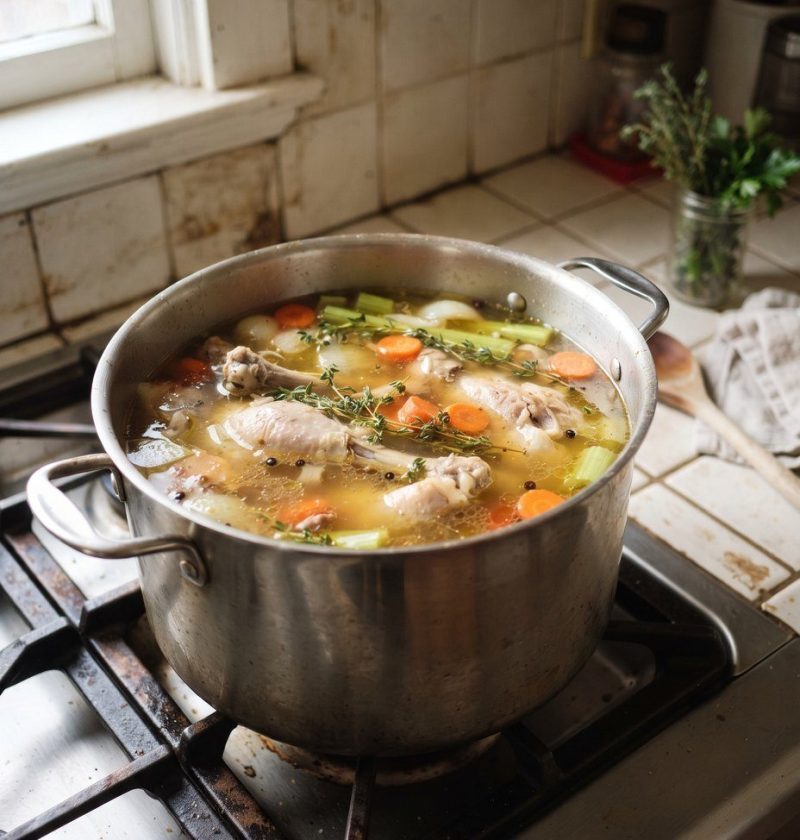
Recipes say stock. The carton in the store says broth. People use the words as if they are the same thing, and then a recipe comes out thin and nobody knows why. There is a real difference and it comes down to one thing: bones. The Actual Difference Stock is made from bones. Simmered long — four to eight hours — so the collagen in the joints and connective tissue breaks down into gelatin. Stock is traditionally unseasoned. Broth is made from meat. Simmered shorter — one to two hours — and seasoned, because it was originally meant to be …
I emptied my fridge, took the shelves out, washed everything, and put it back. Two days later it smelled again. A clean fridge that smells has one of five causes, and none of them are on the shelves you just washed. 1. The Drip Tray Underneath Every fridge drains its defrost water down a tube into a shallow tray at the back, usually sitting on top of the compressor so the heat evaporates it. That tray collects water, dust and anything that ran down the back wall. It grows a film and it is the single most common cause of …
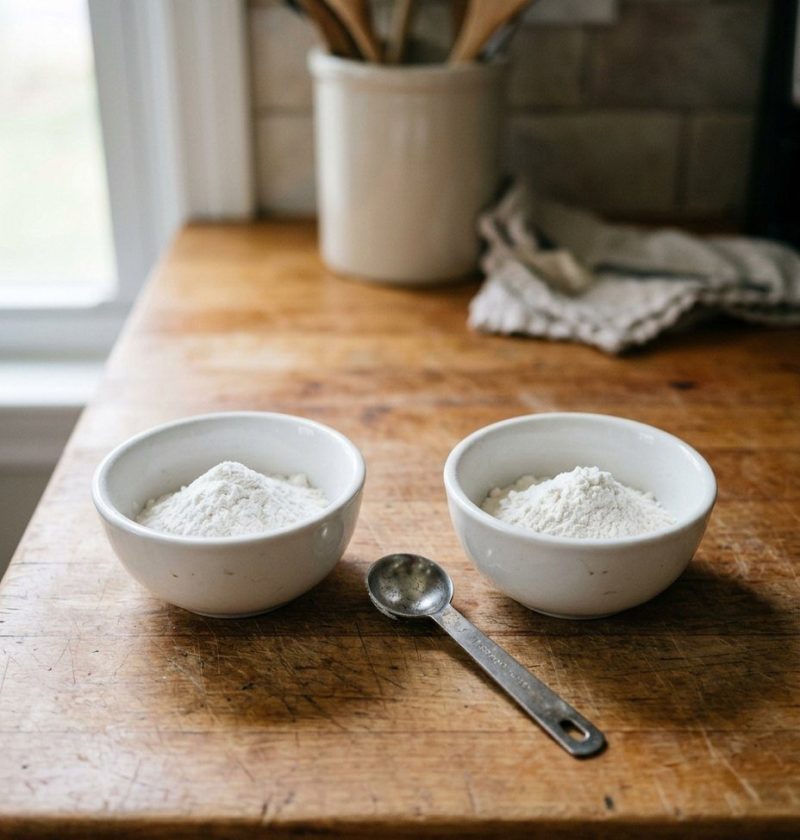
They sit next to each other in the cabinet, both white powders, both make things rise, and the names are nearly the same. So people swap them. They are not interchangeable, and it is worth knowing exactly what happens when you get it wrong. What Each One Is Baking soda is one ingredient. Sodium bicarbonate. It is a base, and it does nothing on its own — it needs an acid to react with. Given an acid and moisture it releases carbon dioxide immediately. Baking powder is baking soda plus a dry acid (usually cream of tartar) plus a little …
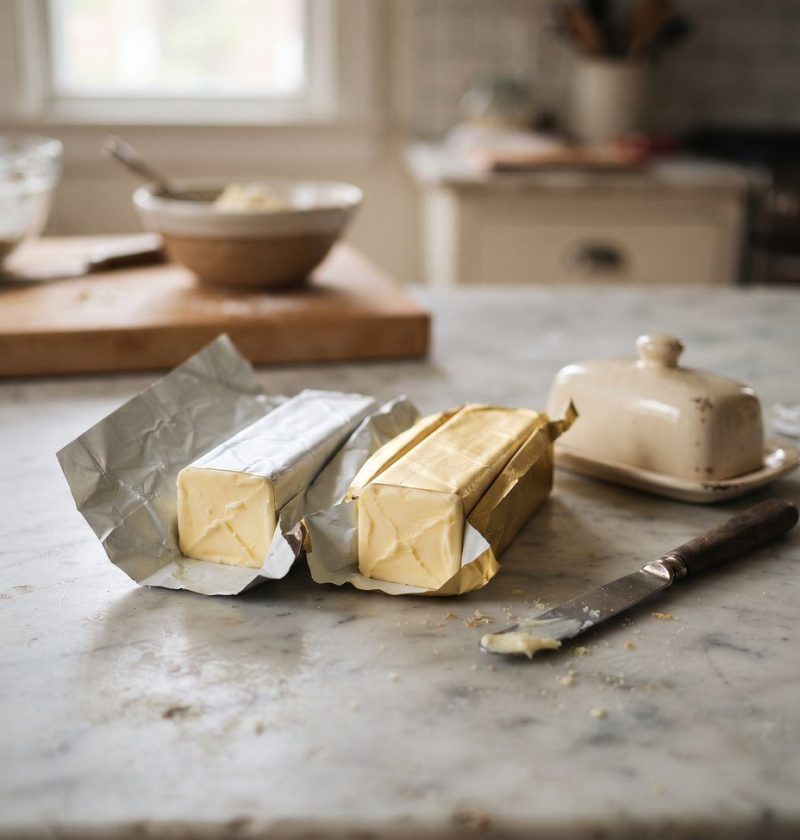
Most recipes say unsalted butter. Most people have salted butter in the fridge and use it anyway, and usually nothing bad happens. So why does every baking book insist on it? There is a real reason, and it is not the one most people assume. The Real Reason Bakers Want Unsalted Control. Salted butter is not salted to a standard. Different brands use different amounts — roughly a quarter to a half teaspoon per stick. Some use twice as much as others. If you bake with salted butter you do not know how much salt is in your dough, and …
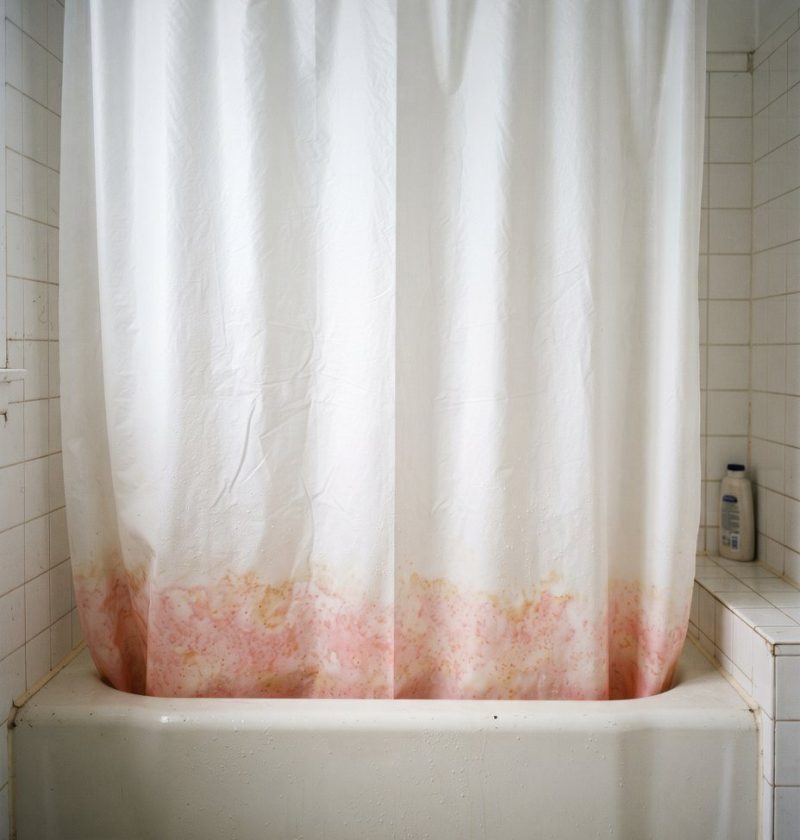
My shower curtain started going pink along the bottom. I assumed it was rust from the water, or dye running out of the fabric. It is neither. It is alive. What the Pink Actually Is It is a bacterium called Serratia marcescens. It is not mold and it is not mildew, which is why mold sprays often do very little to it. It is airborne and it is everywhere — in soil, in dust, outdoors. It cannot do anything until it lands somewhere permanently wet with something to eat. A shower curtain is exactly that. What it eats is the …
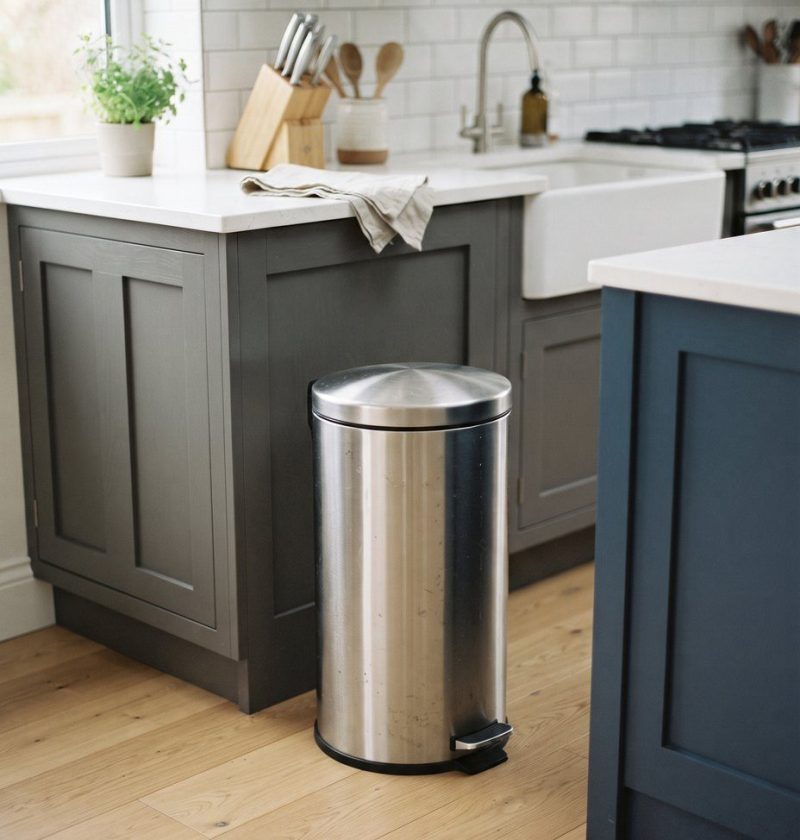
My kitchen trash can smelled even with a fresh bag in it. I bought the scented bags, I sprayed it, I took the trash out more often. It always came back within a day. The smell was not coming from the bag. It was coming from the can. Where the Smell Actually Lives Under the bag, at the bottom of the can. Every bag leaks a little, or drips when you lift it out. That liquid pools at the bottom, under the next bag, and sits there for months. In the rim and under the lid. Splashes dry on the …