Most of us have held a Solo Cup at some point—at a backyard cookout, a tailgate, a graduation party, maybe just standing around someone’s kitchen island talking long after dinner should’ve ended. It’s one of those objects that almost disappears because it’s so familiar. You grab one, fill it, set it down, forget which one is yours, grab another. Life happens. But here’s a funny thought: what if one of the most recognizable party staples in America has been quietly hiding a clever little secret this whole time? Turns out… it kind of has. Those horizontal ridges wrapping around a …
There are few kitchen moments more unsettling than reaching for a trusted jar of paprika—maybe for deviled eggs, a stew, or your favorite dry rub—and spotting something… off. Little tunnels in the powder. Strange clumping. Maybe even tiny specks moving. You freeze. Wait… are those bugs? Honestly? It can be a little horrifying. Paprika is one of those pantry staples we tend to take for granted. It sits quietly in the cabinet until it’s needed, adding color, warmth, and that earthy sweetness we love. So finding signs of insect activity in it can feel deeply unsettling in a way that’s …
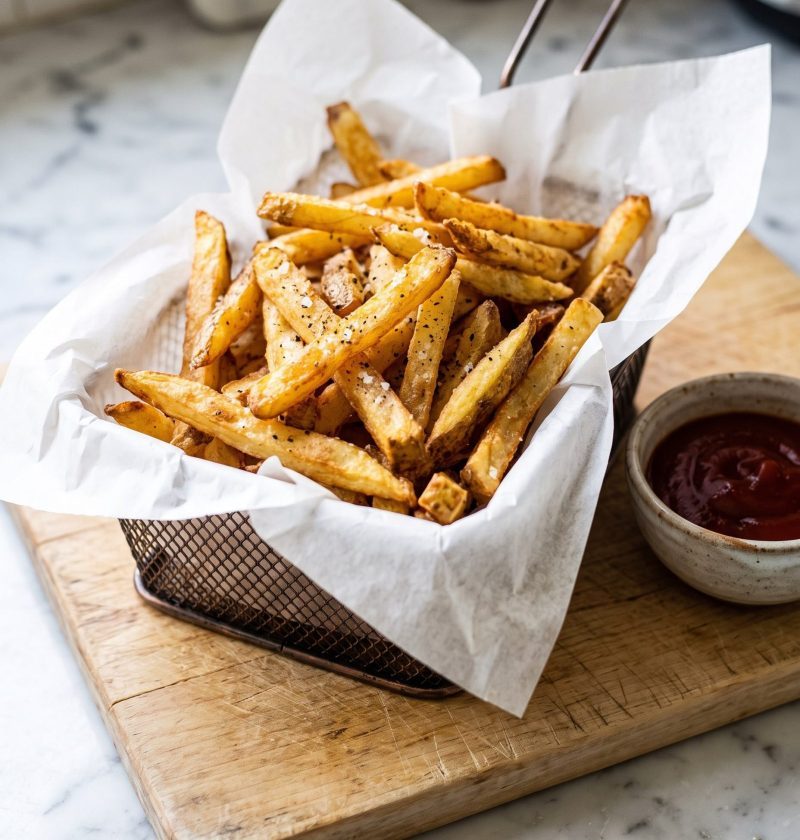
There’s a particular sound that makes home cooks flinch a little — that angry pop-pop-pop of hot oil hitting moisture. You know the one. One second you’re dreaming about perfectly golden fried chicken or crisp-edged potatoes, the next you’re dodging tiny lava-like droplets while your stovetop starts looking like a crime scene. Frying is glorious. Messy, yes. A little dramatic? Also yes. But here’s the thing: oil doesn’t splatter for no reason. It’s reacting. Usually to water. Sometimes to overcrowding. Sometimes to oil that’s simply too hot and behaving badly. And once you understand what’s causing the chaos, frying gets …
There’s a special kind of heartbreak in reaching for yesterday’s baguette and finding… a baton. Not bread. A baton. The crust that crackled so beautifully with dinner is suddenly tough enough to knock on a door with. The inside—that airy, delicate crumb you tore into while soup steamed in the bowl—feels dry and stubborn. And honestly? It feels a little unfair. How does something so perfect at 7 p.m. become nearly inedible by breakfast? Well, funny enough, your baguette didn’t “go bad” overnight. It changed. There’s a difference. A big one. And once you understand what’s happening inside the loaf, …
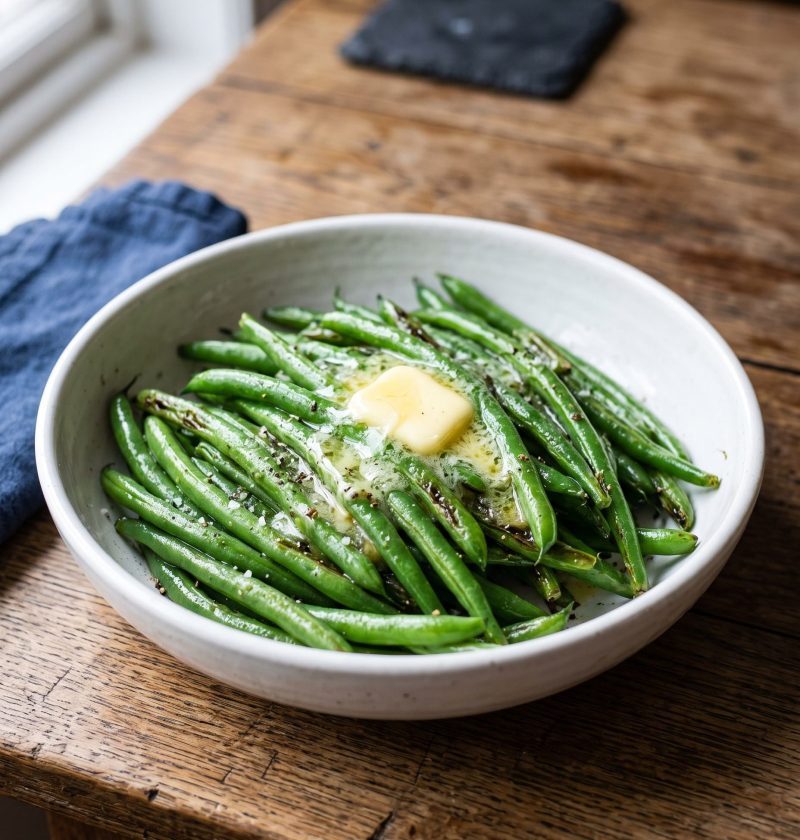
There’s a very specific kind of disappointment that comes from lifting the lid off a pot and finding broccoli that has gone from fresh, lively green to… well, military fatigue. Limp. Olive-drab. Sad. And honestly? It happens to almost everyone. You buy broccoli with good intentions—more fiber, more vegetables, maybe a little “I’m eating better this week” energy—and then five minutes too long in hot water turns it into mush. Suddenly healthy eating feels suspiciously less inspiring. But here’s the thing: perfectly cooked broccoli isn’t hard. It’s mostly timing. A little science. A few habits. And once you understand why …
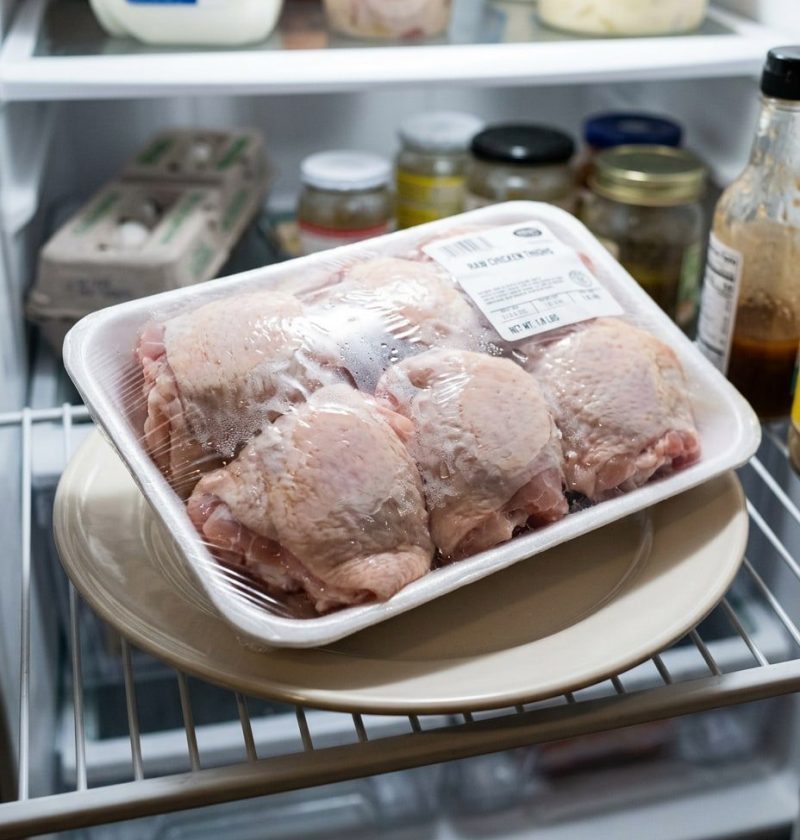
You’d think after years of cooking—making weeknight pasta, holiday casseroles, scrambled eggs half-awake on a Monday morning—we’d have the kitchen thing mostly figured out. And honestly? Most of us do. But some habits slip in quietly. Little shortcuts. Things we watched our parents do. Things we started doing when we were rushing to get dinner on the table and… never questioned again. That’s how bad kitchen habits stick. And here’s the funny part: many of them don’t look wrong. They feel practical. Efficient, even. But over time? They dull knives, wreck plumbing, make food taste worse, shorten appliance life, and …
There’s something uniquely aggravating about discovering a winter draft coming from the garage just as a cold snap hits. It starts subtly — maybe you notice the floor near the mudroom feels icy, or the garage suddenly feels more like a walk-in freezer than a storage space. Then you realize it: cold air is pouring in under the garage door. And of course the repair company says they can’t come until after New Year’s. Perfect timing, right? Honestly, this is more common than people think. Garage door bottom seals wear out, concrete shifts, doors settle, tracks move a hair out …
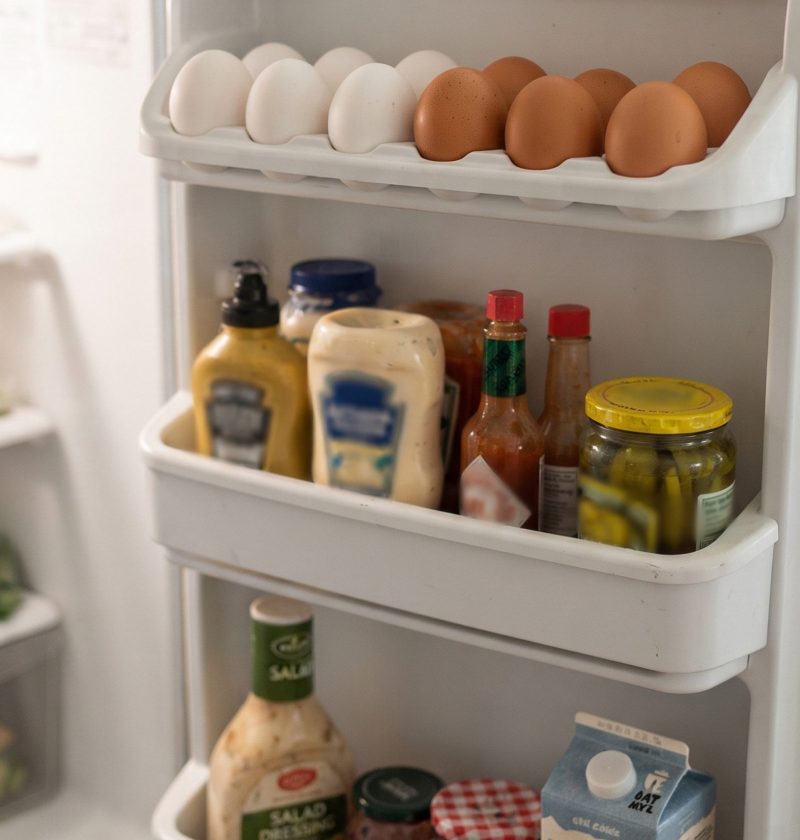
You know that moment—you come home from the grocery store, bags full of good intentions… and everything goes straight into the fridge without a second thought. We’ve all done it. It feels efficient, right? Cold equals fresh. Simple. Except… a few days later, your tomatoes taste like cardboard, your herbs look tired, and somehow those berries are already fuzzy. So what went wrong? Here’s the thing: not all fruits and vegetables want the same treatment. Some love the cold. Others? Not so much. And a few are just plain picky. Once you understand what each item actually needs, everything changes. …
You probably used a plate today. Maybe twice. Maybe more. And if you’re like most people, you didn’t give it a second thought. But here’s a small question that tends to catch people off guard:Have you ever noticed that little raised ring on the bottom of your plate? You know the one. Flip any plate over—it’s right there, circling the base like a quiet afterthought. It doesn’t look important. It doesn’t scream “design feature.” Honestly, it feels like something that just… exists. But here’s the thing—it’s not random. Not even close. That simple ring (technically called a foot ring) is …
You know that moment when a towel just… isn’t it anymore? It still dries you, technically. But it’s rough. A little faded. Maybe one corner is doing something weird. And suddenly it gets demoted—from “bathroom essential” to “what do I even do with this?” Most of us toss it. Or let it sit in a closet way longer than we’d like to admit. But here’s the thing—old towels are weirdly useful. Like, surprisingly useful. They may not feel spa-worthy anymore, but they’re still strong, absorbent, and honestly… kind of perfect for a lot of everyday messes. And if you’re trying …