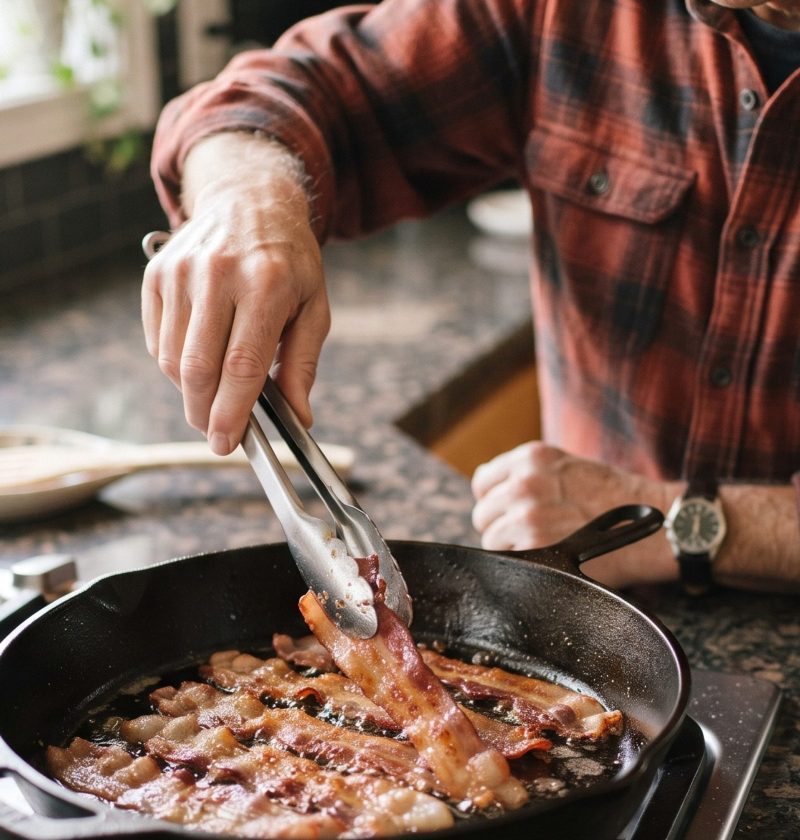
Few kitchen moments feel more confusing than watching sausages hiss and sputter in the pan while weird white foam bubbles out of them. It doesn’t exactly scream appetizing. For a second, you wonder if something has gone terribly wrong. Is the meat spoiled? Is it chemicals? Did you ruin dinner somehow? Honestly, almost everyone has that moment the first time they notice it. But here’s the reassuring part: in most cases, that white foam is completely normal. Not glamorous, sure, but normal. It’s basically your sausage reacting to heat in real time — proteins tightening, fat rendering, moisture escaping. A …
Carrots seem harmless when you buy them. You grab a giant bag because they’re cheap, healthy, and technically last “a long time.” Then somehow two weeks pass, and now there’s an alarming amount of carrots sitting in the fridge drawer beside one lonely celery stalk and a bag of spinach you forgot existed. It happens. The good news is carrots are ridiculously adaptable. Probably more than most vegetables, honestly. They work in soups, cakes, snacks, sauces, smoothies, and weirdly enough, even pasta sauce. Sweet recipes love them. Savory recipes do too. They can be roasted, blended, shredded, baked, pickled, juiced …
Open almost any refrigerator and you’ll probably find the same thing happening: shelves packed with random produce, half-used condiments, coffee shoved beside leftovers, maybe a loaf of bread drying out in the corner like it’s serving a sentence. Honestly, modern refrigerators have turned into storage units for foods that were never meant to live there in the first place. And look — refrigeration absolutely matters for food safety. Nobody’s suggesting you leave raw chicken on the counter and hope for the best. But somewhere along the way, people started treating the fridge like a universal preservation machine. If it’s food, …
You buy a can of tomato paste for one recipe. The recipe needs two tablespoons. Then the rest sits in the fridge until you eventually find it again covered in foil, slightly questionable, and honestly a little forgotten. It happens all the time. Tomato paste is one of those ingredients people use constantly without really thinking about it. It’s small, cheap, and usually shoved somewhere behind the broth cartons and pickles. But it quietly makes food taste richer, deeper, warmer. A spoonful can completely change a soup or sauce. And the annoying part? Most recipes barely use any of it. …
There are certain kitchen experiments that feel completely unnecessary right up until the moment they somehow work. This was one of those. Hot dogs already live in the “easy dinner” category. You throw them in boiling water, toss them on a grill, maybe air-fry them if you’re feeling fancy. They’re dependable. Familiar. Not exactly the kind of food that begs for innovation. But then I kept hearing people mention beer-boiled sausages — beer brats, specifically — and it got me thinking: if beer can make bratwurst taste richer and smokier, could it do anything for plain old hot dogs? So …
You know that moment when you finish a jar of peanut butter and automatically toss it into the recycling bin without thinking twice? Most of us do it. The lid goes one way, the jar another, and that’s the end of the story. But honestly, those plastic peanut butter jars are kind of the unsung heroes of household storage. They’re durable, lightweight, easy to clean, and weirdly practical. Some are even sturdier than the containers people spend money on at organizing stores. And once you start reusing them, it becomes hard to stop. One jar turns into five. Then suddenly …
You pull a steak off the grill. It smells incredible. The crust is perfect, the center is warm and tender, and honestly? You’re already thinking about that first bite. Then you slice into it and see a little red liquid run onto the plate. Suddenly, somebody at the table says it: “Uh… is that still raw?” If you cook meat often, you’ve probably heard that question more than once. Maybe you’ve even wondered the same thing yourself. It’s one of the biggest misconceptions in home cooking, and it’s surprisingly persistent. Part of the confusion comes from how similar that red …
You reach into the pantry, grab an onion for dinner, and suddenly notice something unpleasant sitting underneath it — a sticky brown puddle. Not exactly the kitchen surprise anyone wants before making tacos, soup, or a weeknight pasta sauce. At first glance, it feels alarming. Is the onion rotten? Is it dangerous? Can you still cut off the bad part and use the rest? Honestly, onions are strange little things. They look sturdy and shelf-stable, almost indestructible at times, but once internal decay starts, they can go downhill fast. And the frustrating part? An onion may look perfectly normal on …
You’re halfway through making dinner. Maybe it’s mashed potatoes, crispy oven fries, or one of those cozy skillet meals that somehow tastes even better when the weather cools down a little. You slice into a potato and suddenly—there it is. Brown spots inside. Not on the skin. Inside. And honestly? It’s enough to make anyone pause for a second with the knife still in hand thinking, Wait… is this bad? Potatoes are one of those kitchen staples we almost take for granted. They sit quietly in the pantry for weeks, ready to become comfort food at a moment’s notice. So …
You crack an egg into the pan, glance down, and suddenly stop. The egg white isn’t clear. It isn’t cloudy. It’s… pink. Not just faintly pink either — almost neon, with a strange pearly shimmer that looks more like something from a science experiment than breakfast. Honestly, it’s the kind of thing that makes your stomach drop for a second. Most of us don’t think too hard about eggs. We buy them, refrigerate them, scramble them, maybe hard-boil a few for lunches during busy weeks, and move on. Eggs are familiar. Safe. Predictable. So when one suddenly looks radioactive, it …