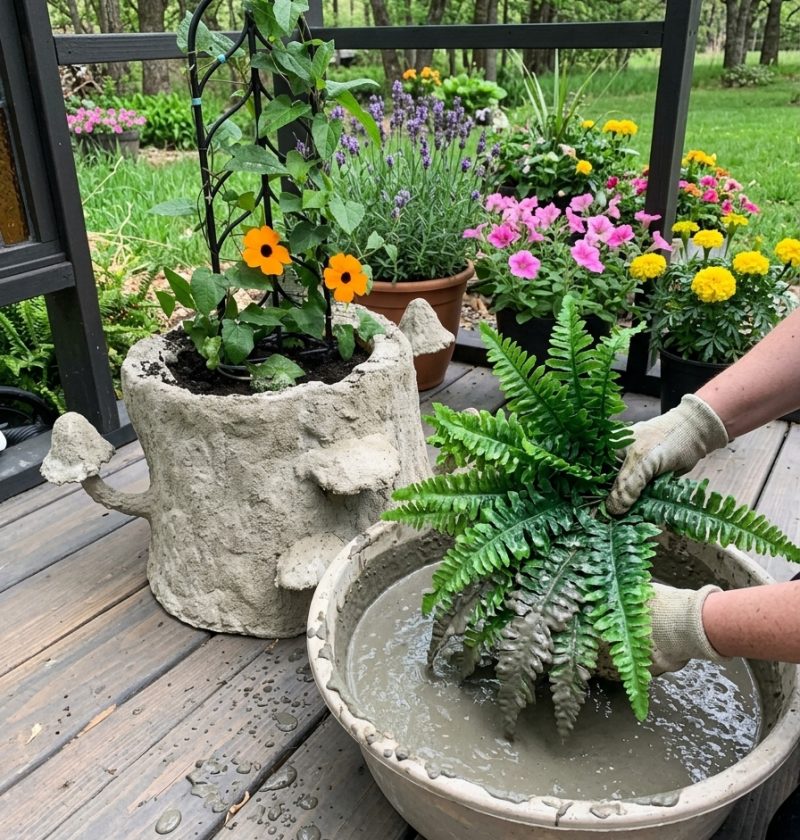
Let’s be honest—most front yards play it safe. A patch of grass, maybe a hedge that’s been trimmed within an inch of its life, and if you’re lucky, a flower bed trying its best. It’s neat, sure. But memorable? Not really. Now imagine walking past a yard where something feels… different. Not loud, not chaotic—just quietly striking. A sculptural cluster of stone-like ferns rising from the ground, catching the light in a way that makes you pause for half a second longer than usual. That’s exactly what this DIY project does. And here’s the twist—it’s made from plastic ferns and …
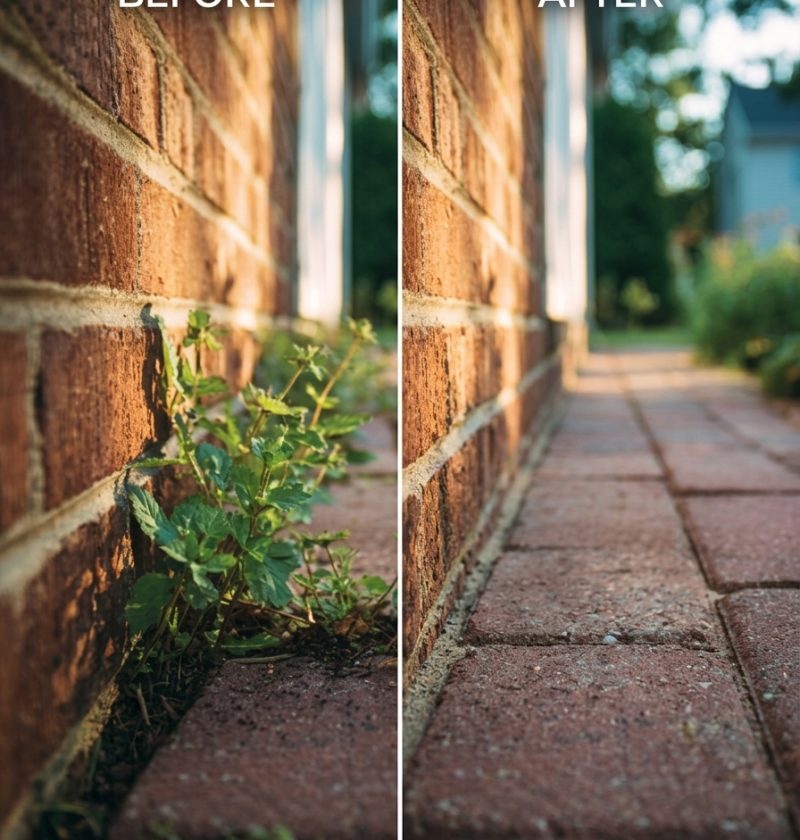
Let’s be honest—weeds have a weird kind of persistence. You pull them, they come back. You spray them, they shrug it off like nothing happened. It starts to feel personal after a while. And then there’s the other side of it. Those store-bought weed killers? Sure, they work. But you can’t help wondering what else they’re doing—lingering in the soil, drifting onto nearby plants, maybe even affecting your pets or kids. So you end up stuck in this annoying middle ground: tolerate the weeds or go heavy on chemicals. Not exactly a satisfying choice. That’s where a homemade herbicide can …
Finding a tick on your skin is one of those moments that instantly pulls you out of whatever you were doing. You could be mid-hike, mid-nap, mid-anything—and suddenly, your brain goes, Nope. This is now the only thing that matters. And if it’s a lone star tick? That uneasy feeling tends to double. Not because every bite is dangerous—it’s not—but because this particular species has a bit of a reputation. It’s more aggressive than most ticks, moves quickly, and yes, it’s linked to some unusual conditions (we’ll get to the red meat allergy in a minute—it’s as strange as it …
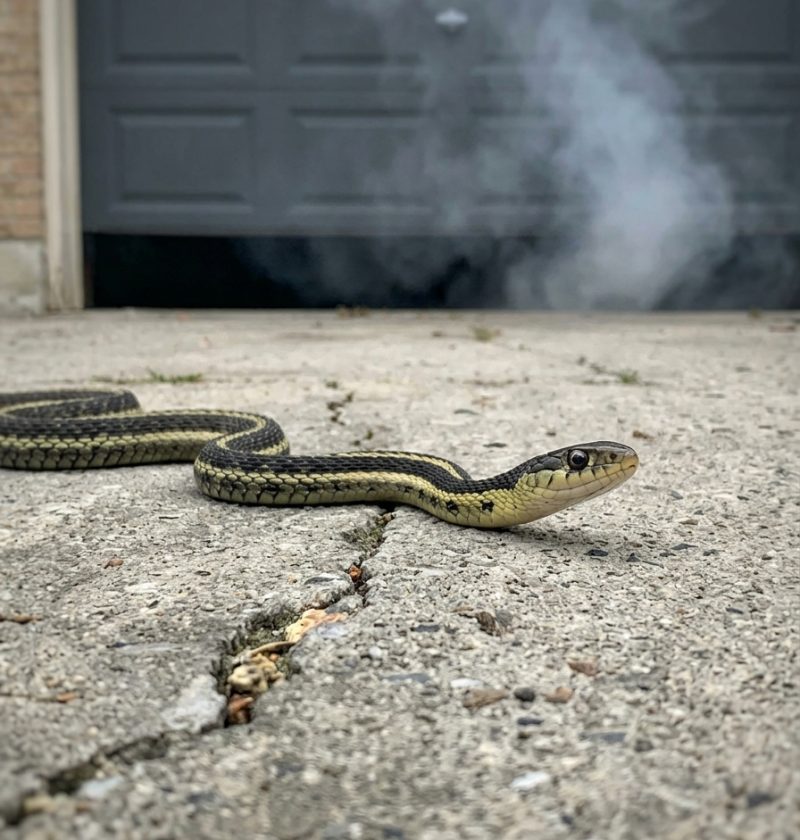
Let’s be honest—snakes aren’t exactly the kind of guests anyone hopes to see lounging in the yard. Still, they’re not villains. They keep rodent populations in check, balance ecosystems, and generally mind their own business. The problem starts when their “business” overlaps with your garden, garage, or worse—your front steps. So the question becomes: how do you gently encourage them to move along… without turning your yard into a chemical war zone? Here’s where scent comes in—and surprisingly, it’s more powerful than most people realize. Why Smell Matters More Than You Think Snakes don’t sniff the way we do. Instead, …
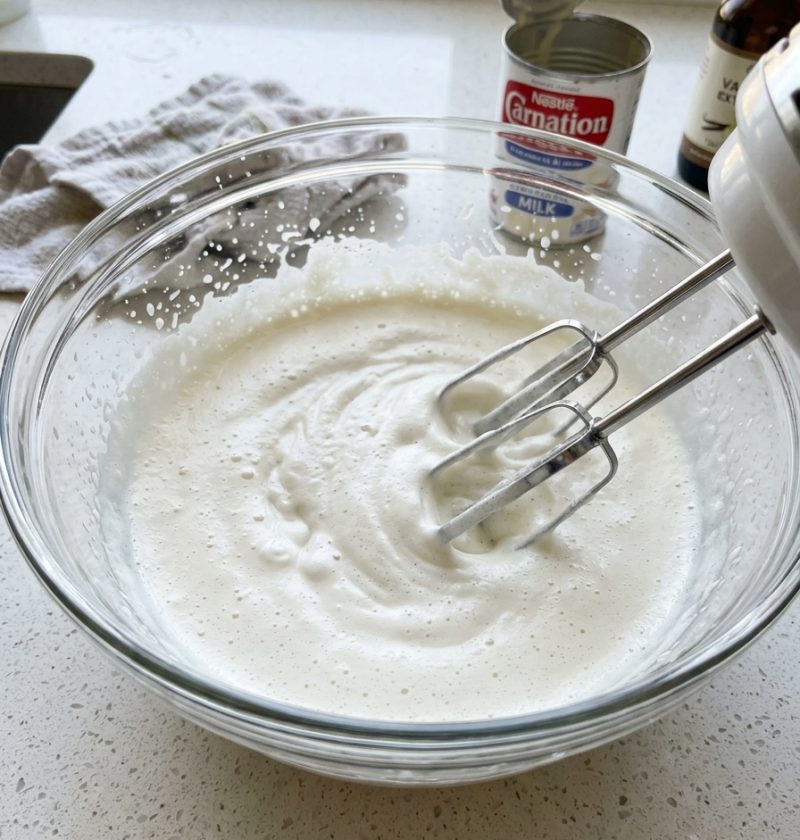
You know that moment—you’re halfway through making dessert, everything’s going smoothly, and then… no heavy cream. Just gone. Vanished. Like it never existed. That’s exactly where I found myself. There I was, standing in my kitchen, staring at a pie that clearly needed whipped cream to feel complete. Not optional. Not negotiable. And yet—no cream. But there was a lonely can of evaporated milk sitting in the pantry. And that’s where things got interesting. Wait… Why Evaporated Milk? Honestly, this wasn’t some genius plan. It was more like, “Well… what else do I have?” Still, the idea wasn’t completely random. …
It’s late. The house is quiet. You wander into the kitchen for a glass of water—half asleep, slightly disoriented—and there it is: a soft glow from the range hood. Comforting, right? But then the question creeps in later, maybe the next morning while you’re making coffee: Did I leave that on all night? And more importantly… does it matter? You’re not overthinking it. This is one of those small, everyday habits that quietly sits at the intersection of safety, cost, and convenience. So let’s unpack it properly—no fluff, just clarity. The Short Answer (Because You’re Busy) Yes, it’s generally safe …
There’s something oddly comforting about remedies that have been around forever. You know the kind—passed from one generation to the next, mentioned casually by a grandmother, or tucked into old herbal guides that smell faintly like dried leaves and time. Oregano is one of those plants. Not flashy. Not trendy. Just… reliable. And yet, here we are, with modern labs and peer-reviewed journals still circling back to it. Specifically, oregano oil. It’s not just a kitchen herb anymore. For many people, it’s become a go-to natural option when dealing with stubborn infections, low immunity, or recurring issues that don’t quite …
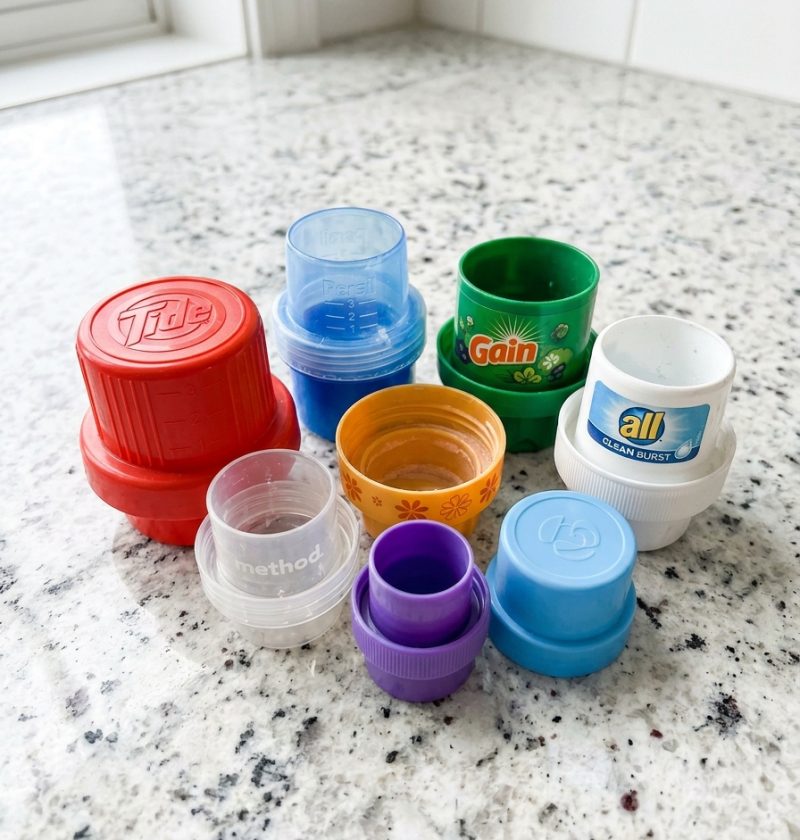
Let’s be honest—most of us don’t give laundry detergent caps a second thought. You pour, you rinse, you toss. Done. But here’s the thing: those chunky little plastic caps? They’re oddly durable. Colorful, too. And when you pause for a second (just a second), you realize… they’re basically tiny containers waiting for a new job. Sustainability doesn’t always mean big lifestyle overhauls. Sometimes, it looks like keeping a handful of detergent caps in a drawer and thinking, “I could use this.” So before you throw the next one away, here are ten genuinely useful—and sometimes unexpectedly fun—ways to give it …
Let’s be honest for a second—most of us don’t think twice about tossing an old eyeglass case. You get a new pair of glasses, maybe a sleeker case comes with it, and the old one? It ends up in a drawer… or worse, the trash. Forgotten. Done. But here’s the thing—those little cases are tougher and more versatile than they get credit for. They’re compact, durable, and oddly satisfying to repurpose once you start noticing the possibilities. And if you’ve been trying—maybe loosely, maybe seriously—to cut down on waste, this is one of those small, low-effort wins that actually sticks. …
There’s something oddly comforting about a home that smells… right. Not overpowering, not artificial—just clean, warm, maybe a little citrusy. You walk in, take a breath, and think, yes, this feels good. So when you see something titled “Transform Your Home’s Aura with Just 2 Ingredients,” it’s hard not to click. Simple? Affordable? A little bit magical? Sounds like a win. But here’s the thing—sometimes simple isn’t actually simple. And sometimes, what looks harmless… isn’t quite. Let me explain. Wait—Two Ingredients or Five? At first glance, the idea seems straightforward. But then you read the method: Coarse salt Fabric softener …