There’s something almost magical about loading a dishwasher, pressing a button, and walking away. No scrubbing. No soaking. Just… done. But here’s the thing—your dishwasher isn’t as forgiving as it looks. It’s more like a high-pressure, high-heat chemical bath. Great for plates. Not so great for everything else. And honestly? One wrong load can cost you a favorite pan, a pricey knife set, or that sentimental mug you didn’t think twice about tossing in. So let’s talk about the usual suspects—and a few surprising ones—before your dishwasher teaches you the hard way. Wait… Why Is the Dishwasher So Harsh? Before …
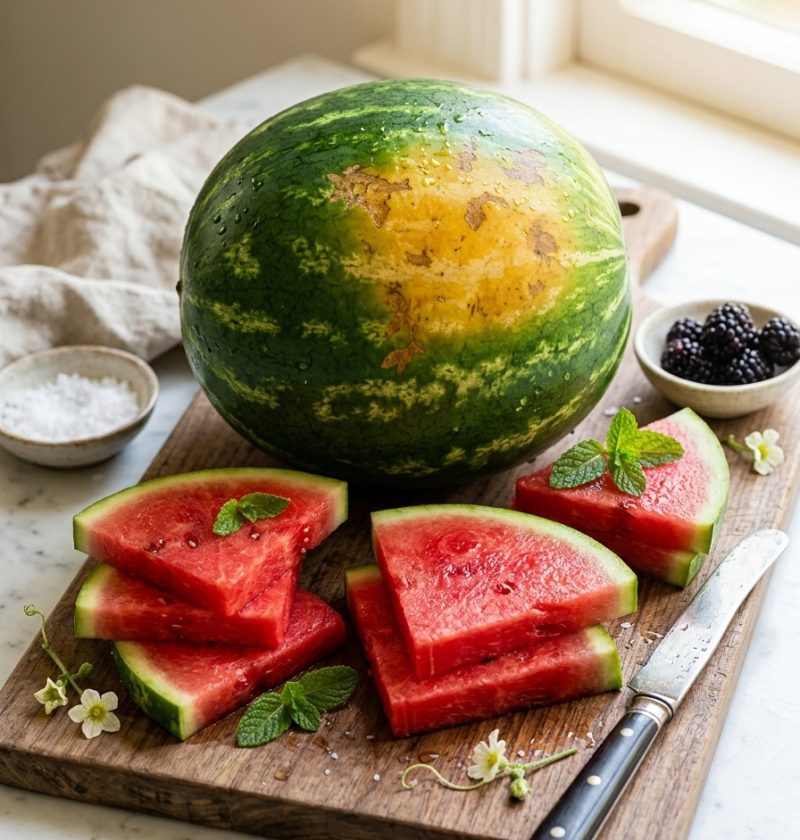
There’s a very specific kind of disappointment that hits when you slice into a piece of fruit that looked perfect. You know the one. The avocado that refuses to soften for days—then suddenly turns into brown mush overnight. The peach that smells like summer but tastes like damp cardboard. The watermelon that promises sweetness and delivers… watery regret. It’s frustrating. And honestly? A little personal. I used to stand in the produce aisle doing what I thought was “choosing carefully”—pressing things, flipping them over, giving them a hopeful sniff—like I was auditioning for a role I didn’t quite understand. Half …
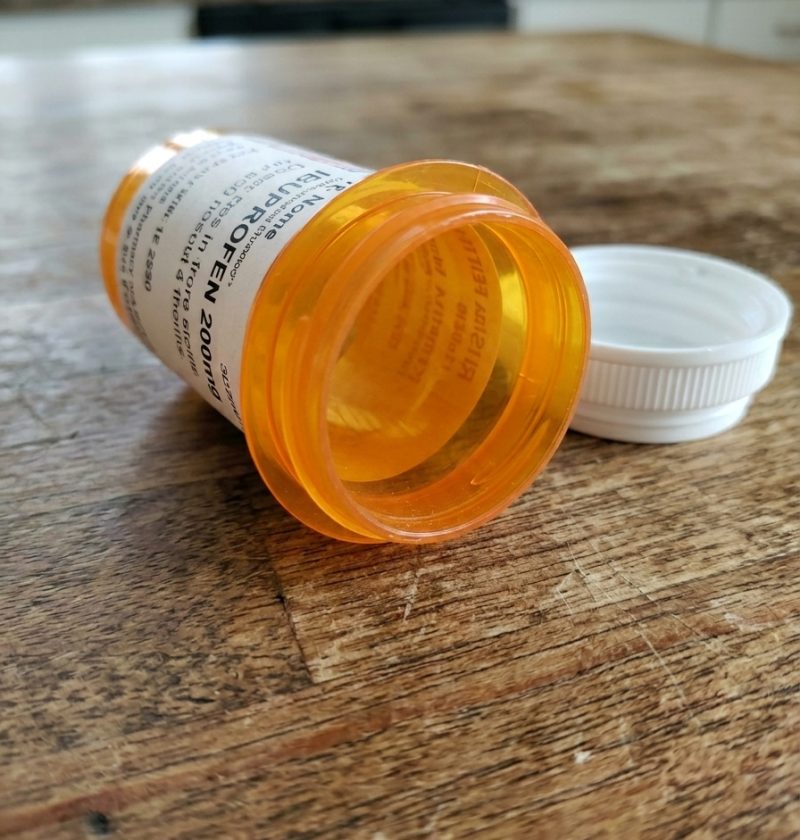
You know that drawer. The one with loose batteries, random keys, and — somehow — a growing collection of empty pill bottles. Everyone has one. And yet, we keep tossing these little containers without a second thought. Which is kind of funny… because they’re basically tiny, indestructible storage units. They’re waterproof. Child-resistant. Bright enough to spot instantly. Honestly, if you tried to design the perfect mini-container, you’d probably end up with something very close to a pill bottle. So instead of throwing the next one away, pause for a second. There’s a lot more potential here than it seems. Let …
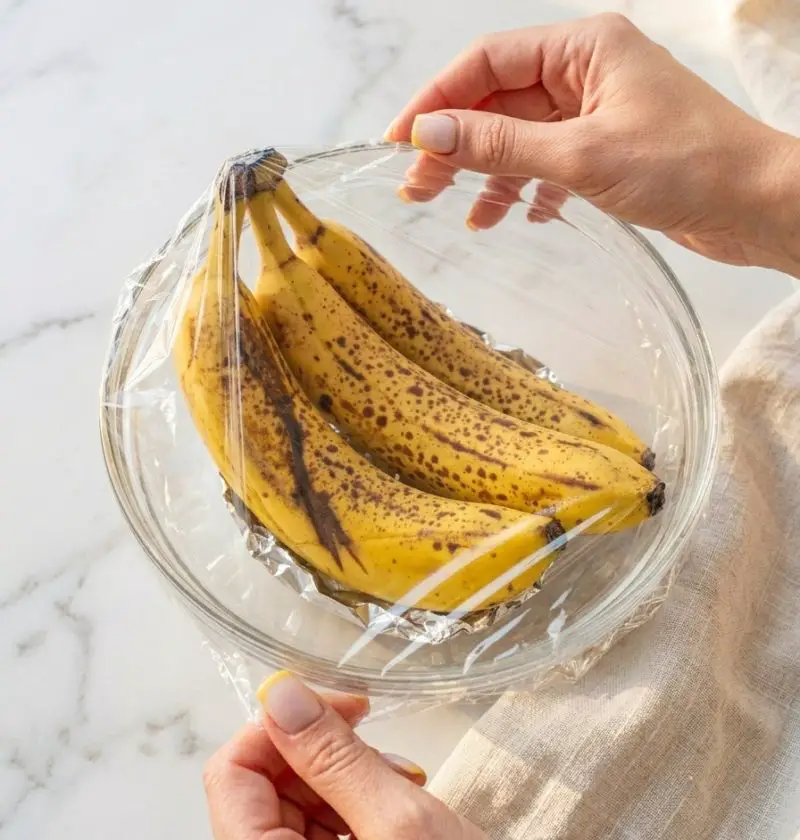
You’ve probably had this moment. You reach for a banana, notice those brown spots creeping in, and hesitate. Maybe you even put it back and grab a fresher one instead. It just feels like the right move, doesn’t it? But here’s the strange part—those spotty bananas you’re avoiding might actually be doing more for your body than the perfect yellow ones. Yeah, it sounds a bit backwards. But stick with me. The Weird Little Life Cycle Sitting on Your Counter Bananas don’t just ripen—they sort of… shift personalities. When they’re green, they’re firm, almost chalky, not very sweet. Some people …
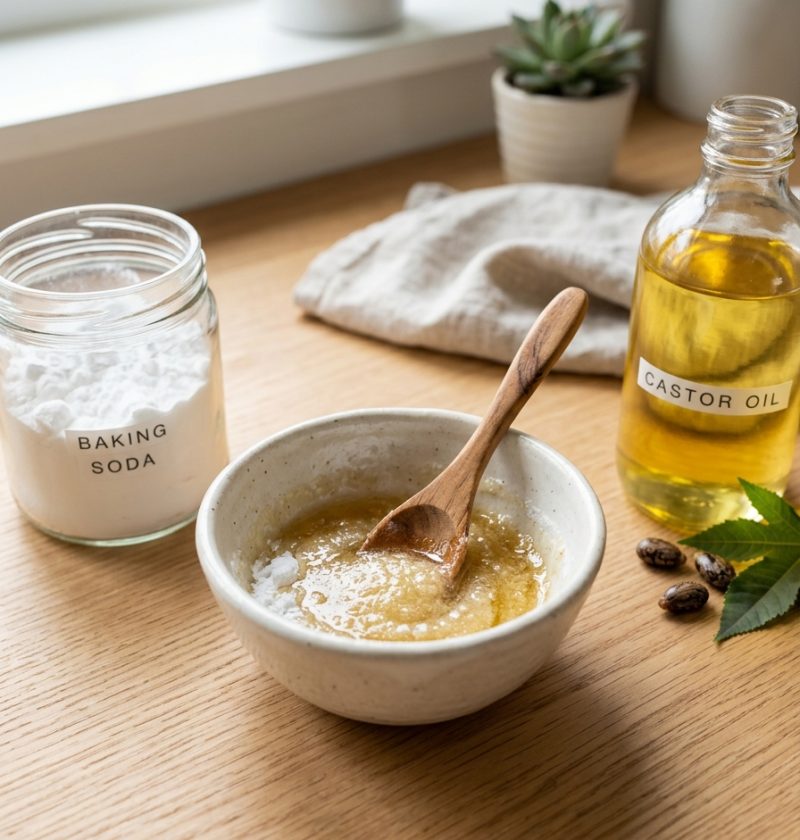
You’ve probably seen it somewhere — a quick DIY remedy involving castor oil and baking soda, usually described as a kind of miracle fix. Clearer skin, less pain, better hair… it almost sounds too neat, doesn’t it? Well, here’s the thing. It’s not magic. But it’s not nonsense either. Somewhere between old-school home remedies and modern curiosity, this combination has stuck around for a reason. And honestly? When you understand what each ingredient actually does, it starts to make a lot more sense. Castor Oil: Thick, Sticky… and Surprisingly Useful Let’s start with castor oil. It’s one of those ingredients …
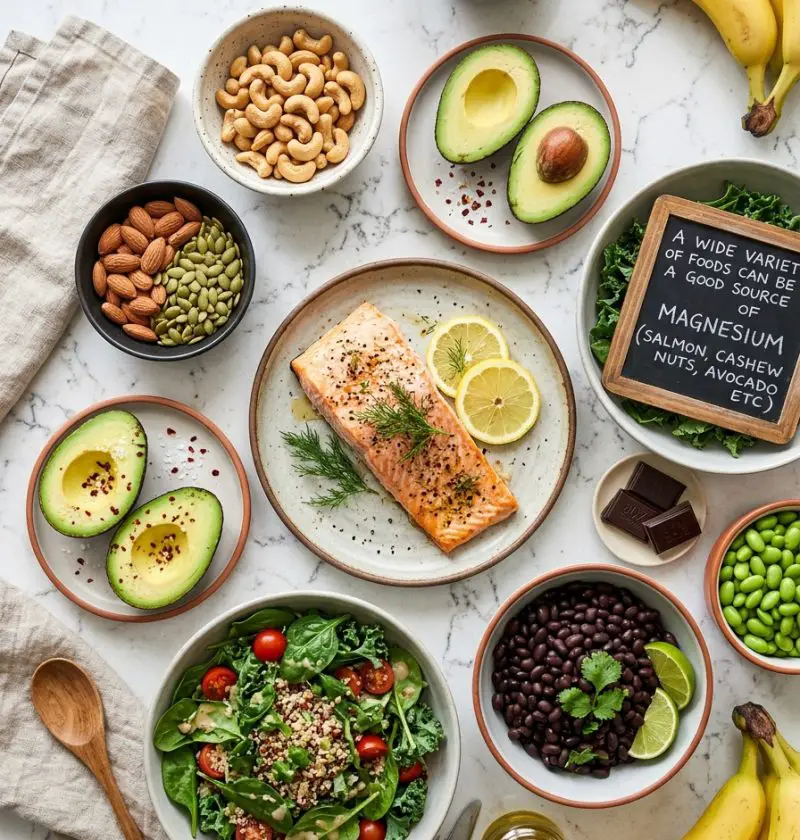
Ever had a muscle cramp that came out of nowhere—like your calf suddenly tightening in the middle of the night—and thought, Well, that was weird? Most people brush it off. Maybe dehydration, maybe fatigue, maybe just one of those things. But here’s the thing—sometimes your body is trying to tell you something a bit more specific. And often, it starts quietly. Magnesium doesn’t usually get the spotlight. It’s not as trendy as vitamin D or as talked about as iron. But behind the scenes, it’s doing a lot of heavy lifting—more than most people realize. So… What Is Magnesium Actually …
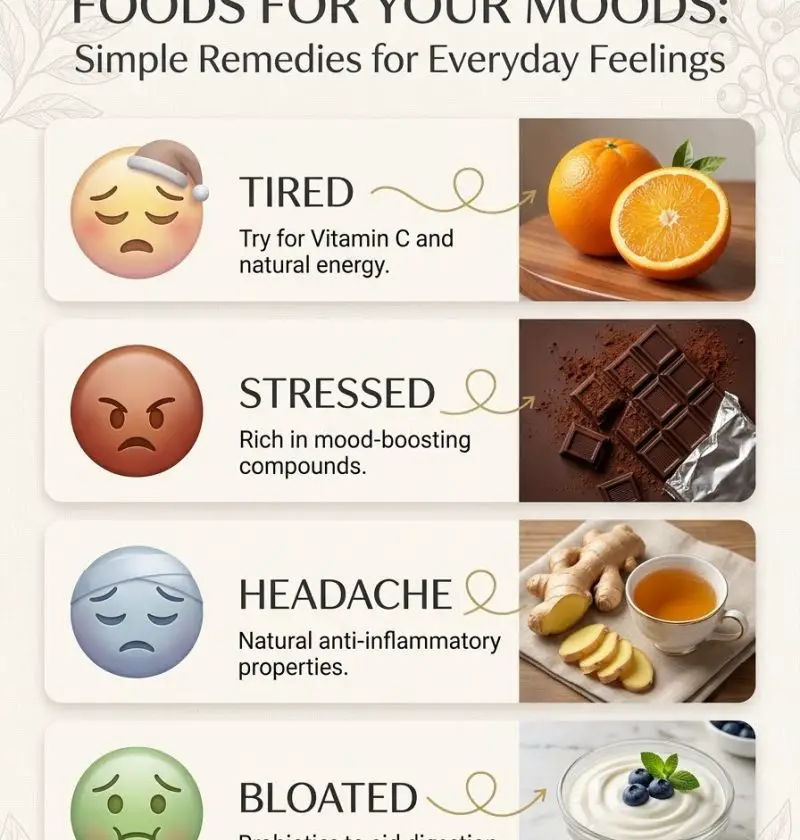
A funny thing happens when emotions get loud — the kitchen suddenly becomes very interesting. You’re not necessarily hungry. You already ate dinner an hour ago. Yet there you are, standing in front of the fridge with the door open, staring at leftover pasta like it personally understands your problems. Most people have done it. Some of us do it more than we’d like to admit. Food and emotions have always been tangled together. Long before wellness podcasts and calorie-counting apps existed, people cooked when they celebrated, baked when they grieved, and gathered around meals when life felt heavy. So …
Walk into any beauty aisle and you’ll see shelves packed with serums, acids, masks, and creams promising “glass skin” overnight. Some of them cost more than a decent grocery run. Others sound like they were developed in a chemistry lab at midnight. And honestly? It can all feel a little exhausting. That’s probably why I keep thinking about my nana. She never had a 12-step skincare routine. No jade rollers. No LED face mask that made her look like a sci-fi villain. Yet somehow, her skin always looked soft, bright, and calm—even well into her later years. People constantly asked …
Some mornings, your body wakes up before you do. Not in a good way, either. Your back feels tight. Your knees creak a little when you stand up. Maybe your shoulders ache for no clear reason, like you spent the night hauling furniture instead of sleeping. You shuffle toward the kitchen wondering why simply existing suddenly feels physically demanding before 8 a.m. And the strange part? A lot of otherwise healthy people deal with this. Morning stiffness isn’t always a sign that something is seriously wrong. More often, it’s your body reacting to hours of stillness, awkward sleep positions, stress, …
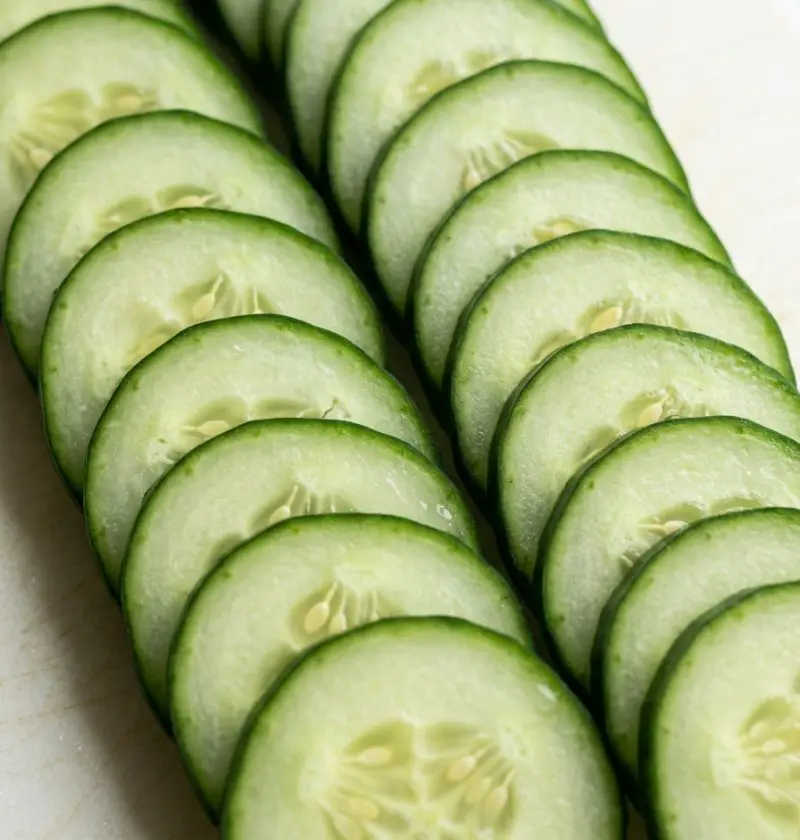
I didn’t plan to become “a cucumber person.” Honestly, it started because my fridge was full of them after one overly ambitious grocery run. You know the kind—you walk into the store for eggs and somehow leave with three cucumbers, fresh herbs you won’t fully use, and enough produce to convince yourself your life is finally together. By the third day, I was slicing cucumbers into everything. Sandwiches. Pasta salad. Ice water. I even started sprinkling them with chili salt and eating them straight from the cutting board while waiting for dinner to cook. And weirdly? I felt better. Not …