There’s something oddly comforting about remedies that have been around forever.
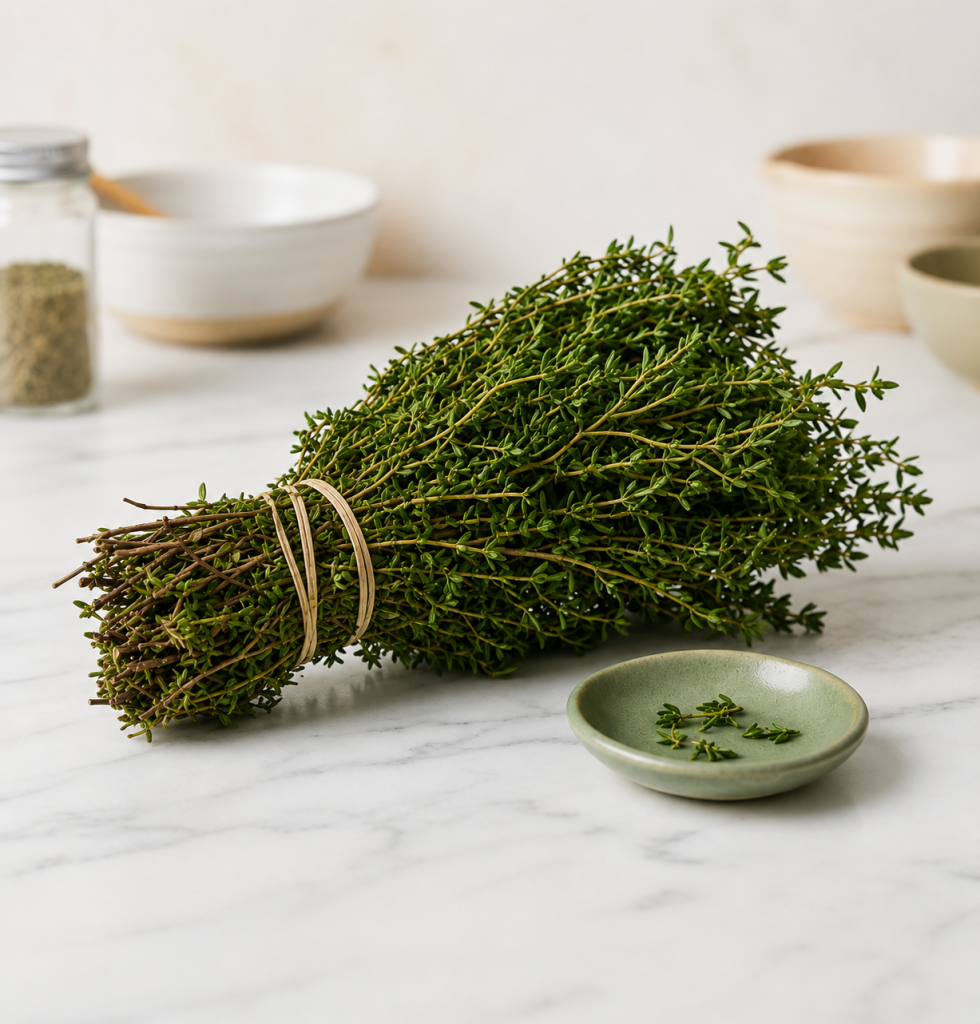
You know the kind—passed from one generation to the next, mentioned casually by a grandmother, or tucked into old herbal guides that smell faintly like dried leaves and time. Oregano is one of those plants. Not flashy. Not trendy. Just… reliable.
And yet, here we are, with modern labs and peer-reviewed journals still circling back to it.
Specifically, oregano oil.
It’s not just a kitchen herb anymore. For many people, it’s become a go-to natural option when dealing with stubborn infections, low immunity, or recurring issues that don’t quite go away. But what’s actually behind that reputation? And does the science hold up?
Let’s walk through it—without hype, but also without dismissing what’s genuinely interesting.
So, what makes oregano oil so strong?
Here’s the thing: oregano leaves are one thing. Oregano essential oil is another entirely.
Once concentrated, the oil becomes packed with active compounds—mainly carvacrol and thymol. These aren’t just aromatic extras; they’re biologically active molecules that interact with microbes in a pretty direct way.
Think of them like tiny disruptors.
They weaken the outer membranes of bacteria, parasites, and fungi. Once that barrier breaks down, the organism struggles to survive, let alone multiply. And unlike single-target pharmaceuticals, oregano oil tends to hit multiple pathways at once—which, interestingly, makes resistance less likely.
That’s not magic. It’s just chemistry doing its job.
And according to recent findings published in Pharmaceuticals (2025), these compounds also bring antioxidant and anti-inflammatory effects into the mix. So it’s not just about killing microbes—it’s about supporting the environment around them, too.
Parasites… yeah, let’s talk about it
Not the most comfortable topic, but an important one.
Parasitic infections are more common than most people think, especially globally. One parasite in particular—Toxoplasma gondii—has been studied quite a bit lately.
A 2024 study caught attention for a reason: oregano oil reduced parasite viability by 84% within 24 hours.
That’s not subtle.
But what’s more interesting is how it worked. The oil didn’t rely on a single mechanism. Instead, it:
- Increased oxidative stress inside the parasite
- Disrupted mitochondrial function
- Triggered a form of programmed cell death
It’s a bit like cutting off power, oxygen, and communication all at once. Hard to recover from that.
And while traditional herbal medicine has long used oregano for parasites, this kind of data starts to explain why it may have worked all along.
UTIs and oregano oil: an unexpected connection
If you’ve ever dealt with a urinary tract infection, you already know—it’s not something you forget.
They’re common, frustrating, and increasingly complicated due to antibiotic resistance. So naturally, researchers are looking at plant-based compounds again.
Oregano oil has shown some promising effects here.
Studies have found that it doesn’t just slow bacterial growth—it can actually interfere with bacterial motility. In simple terms, it makes it harder for bacteria like E. coli to travel through the urinary tract and establish an infection.
That’s a subtle but important distinction.
Instead of only attacking bacteria after they’ve settled in, oregano oil may help stop them from getting there in the first place.
Even more interesting? Some research suggests it works alongside antibiotics, enhancing their effect. Not replacing them—just supporting them.
And honestly, that kind of synergy is where natural remedies tend to shine best.
The “other benefits” section (that isn’t just filler)
Oregano oil doesn’t stop at parasites or UTIs.
It’s one of those broad-spectrum botanicals that keeps showing up across different areas of research:
- Antibacterial: Effective against both Gram-positive and Gram-negative bacteria
- Antifungal: Commonly used for issues like Candida overgrowth
- Anti-inflammatory: Helpful in calming chronic, low-grade inflammation
- Antioxidant: Neutralizes free radicals, which—yes—still matter more than people think
There was even a study exploring its effect on skin lesions caused by Leishmania parasites in mice. Early-stage, sure—but still notable.
Now, is it a cure-all? No. That’s where people go wrong.
But is it versatile? Absolutely.
Okay, but how do you actually use it?
This is where things get real—and where people tend to make mistakes.
Oregano oil is potent. Not “a little strong,” but genuinely intense.
Common forms you’ll see:
- Capsules (oil of oregano): Pre-diluted, standardized
- Essential oil: Highly concentrated (handle with care)
- Tea: Much milder, more traditional
A few grounded guidelines:
- Always dilute essential oil before using it on skin
- Avoid taking pure essential oil internally unless properly formulated
- Stick to moderate doses—more isn’t better here
A small human study used 200 mg daily for six weeks, which gives at least a rough reference point.
And honestly? If something burns, stings, or feels aggressive—it probably is. Adjust.
Let’s not ignore the limitations
Here’s the part that often gets skipped.
Most oregano oil research is still in lab or animal stages. Human trials? Limited.
That doesn’t mean it doesn’t work—it just means we don’t have full clarity on dosing, long-term effects, or standardization.
And that last point matters more than it sounds.
Not all oregano oil is equal. Some products contain high levels of carvacrol. Others barely register. Growing conditions, extraction methods, even plant species—it all changes the final product.
So yes, quality matters. A lot.
The bottom line (no drama, just clarity)
Oregano oil sits in an interesting space.
It’s not just folklore—but it’s not a miracle solution either.
What we do know:
- It has real antimicrobial and antiparasitic activity
- It may support urinary tract health in a meaningful way
- It works best as a complementary tool, not a replacement for medical care
Used carefully, it can absolutely earn its place in a natural health routine.
Used carelessly… well, that’s where problems start.
One last thing
If you’ve made it this far, you’re probably at least a little curious—or maybe you’ve already tried oregano oil yourself.
So I’ll ask you this:
Did it work for you?
Sometimes the most useful insights don’t come from studies—they come from real experiences, the kind you only get by trying something and paying attention.
If you’ve got a story, I’d genuinely like to hear it.