There’s something oddly comforting about old-school home remedies. Maybe it’s the way they get passed around like family secrets—scribbled on recipe cards, mentioned over coffee, or casually dropped while someone’s peeling potatoes at the kitchen table. My nana had dozens of them. Some were questionable, honestly. But every now and then, one turned out to be surprisingly effective. Her quick teeth-whitening trick? That was one of them. I remember watching her get ready for church on Sunday mornings. Lipstick on, hair pinned perfectly, and somehow her smile always looked bright. Not “Hollywood veneers” bright. Just healthy. Clean. The kind of …
Most people think honey is simple. You stir a spoonful into hot tea, take a few sips, and wait for your throat to feel better. Easy enough. Except… that’s also where a lot of people accidentally ruin the very thing that makes honey helpful in the first place. And honestly, I didn’t realize this for years either. For something so old-fashioned and familiar, honey gets misused constantly—usually with good intentions. Boiling water, oversized spoonfuls, weird internet hacks with cayenne pepper… somehow a basic home remedy turned into a chemistry experiment. But when you strip away all the noise, honey actually …
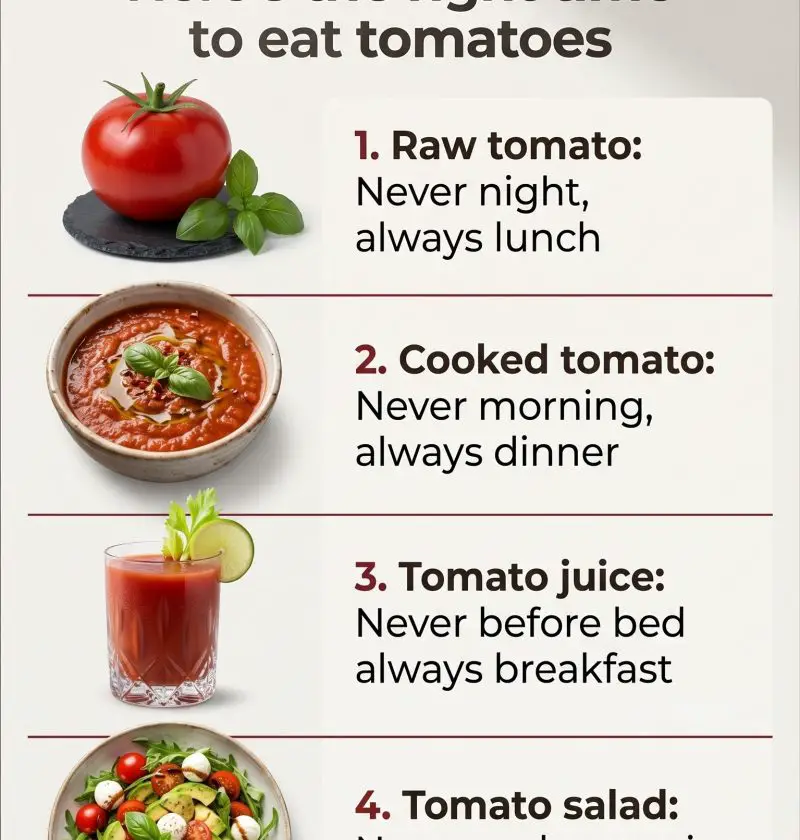
I used to think tomatoes were one of those foods you didn’t need to think too hard about. You buy them. Slice them. Throw them into something. Done. But a while back, I noticed something strange. Some days tomatoes made me feel great—light, refreshed, weirdly energized. Other times? Heartburn. Bloating. That heavy acidic feeling that sneaks up on you later and makes you regret the pasta you were so excited about an hour earlier. At first I blamed the recipe. Then the seasoning. Then cheese, because cheese always gets blamed eventually. Turns out, timing had more to do with it …
Anybody who’s tried growing tomatoes knows this already: they’re weirdly dramatic plants. One week they look unstoppable—thick stems, bright green leaves, tiny yellow flowers everywhere. Then suddenly? Curled leaves. Cracked fruit. Some mystery spot spreading across the plant like it pays rent there. And still… people keep growing them. Every year. Because a homegrown tomato in the middle of summer tastes completely different from the grocery store kind. Sweeter. Richer. Messier in the best way. Once you’ve had one warm from the garden with a little salt on it, you get it. The good news is tomato plants usually don’t …
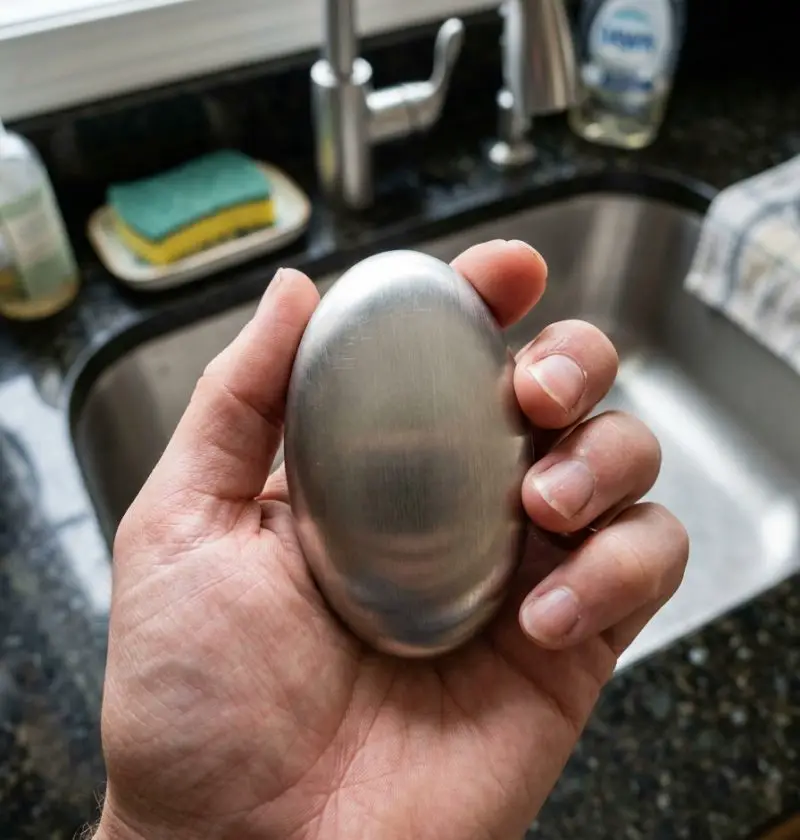
Estate sales are funny like that. You go in looking for maybe a cast iron skillet or an old cookie tin, and somehow you leave wondering why someone kept a weird silver “soap bar” next to the sink for 40 years. No label. No scent. No moving parts. Just this smooth chunk of metal sitting there like it belongs—and apparently, it did. The first time I saw one, honestly, I thought it was a paperweight. Or maybe one of those random kitchen gadgets people bought from TV commercials in the early 2000s and forgot about two weeks later. But nope. …
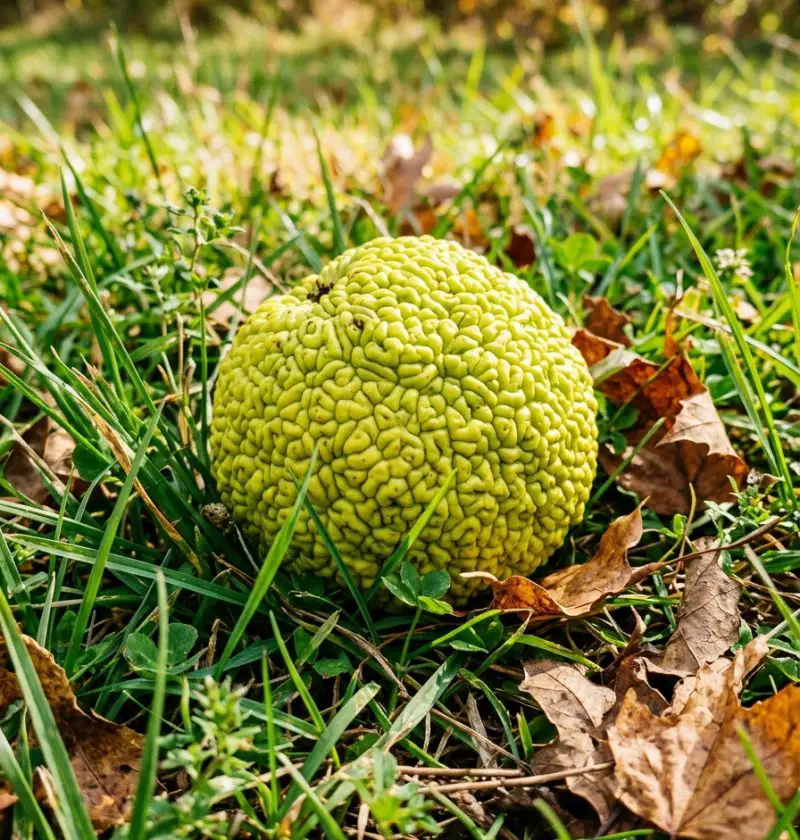
A few falls ago, I was walking near an old fence line when I spotted something that honestly looked fake. Big. Green. Wrinkled like a brain. At first I thought it was one of those foam stress balls someone had tossed into the weeds. Then I picked it up and immediately regretted that decision because it was weirdly sticky. Not dripping wet exactly—just tacky in a way that made me want to wipe my hand on my jeans. If you’ve ever stumbled across one of these strange green balls, you know the feeling. They look like fruit, but not the …
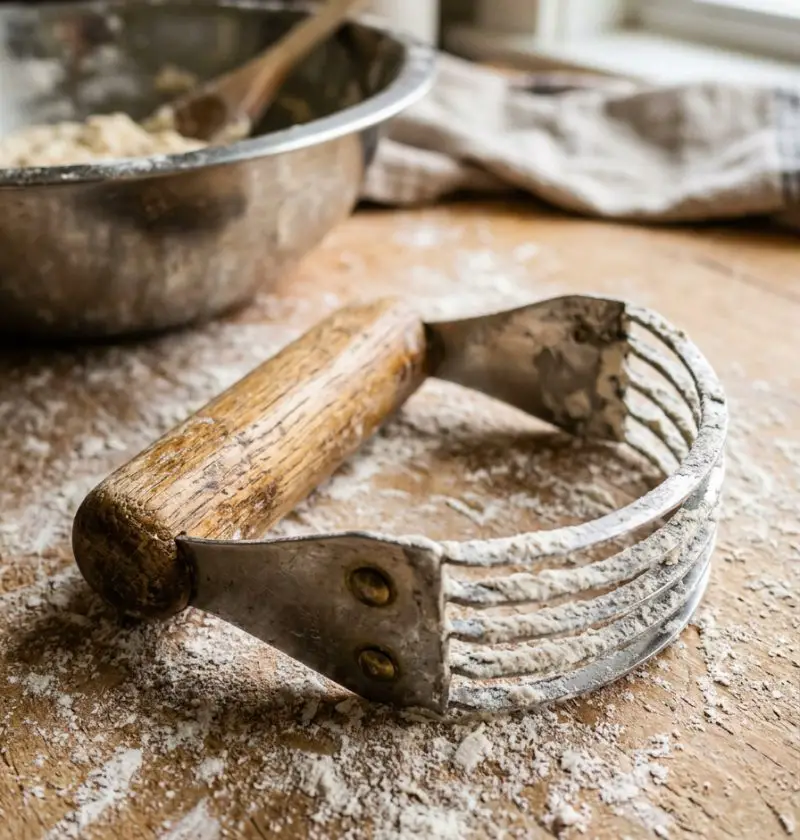
Every family kitchen seems to have at least one mystery object. You know the kind—slightly heavy, oddly shaped, tucked into the back of a drawer nobody opens much anymore. And somehow, the older generation always knows exactly what it is without even looking twice. This one usually causes a pause. It’s metal. U-shaped. Fits in your hand almost like some kind of antique gadget from a detective movie. Maybe even a little intimidating at first glance. Honestly, if you didn’t know better, you might think it belonged in a toolbox—or somewhere far less wholesome than a baking cabinet. But your …
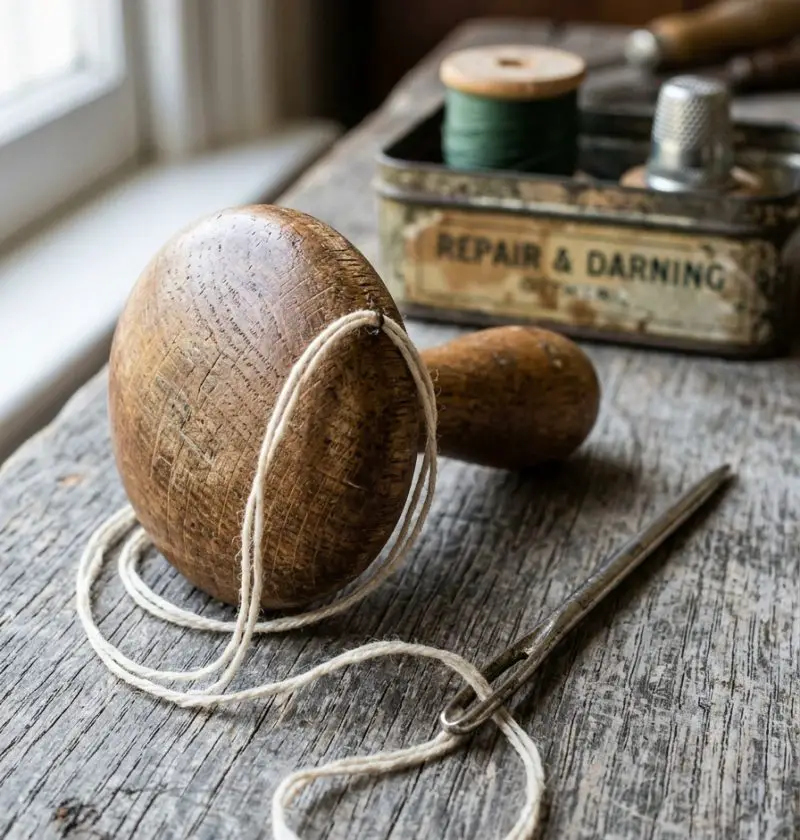
I love finding old sewing tins. Not the perfectly curated antique-shop ones either—the real ones. The slightly rusty cookie tins stuffed with tangled thread, loose buttons, bent safety pins, and those mystery objects nobody in the family can identify anymore. And every now and then, tucked between the needles and faded measuring tape, there’s this odd little wooden thing. Smooth. Rounded. Kind of mushroom-shaped. At first glance, it looks like it should belong in a kitchen drawer, not a sewing kit. Some people guess it’s a tiny pestle. Others think it’s decorative. My uncle once thought it was for cracking …
It’s one of those weird little moments that happens fast and then suddenly sits in your head all day. You’re loading groceries into the trunk, half-thinking about dinner, half-thinking about how expensive cereal has gotten lately, and then you see it. The case of beer. Still sitting under the cart. Not scanned. And immediately your brain does that thing where it splits into two people. One side goes:“Ah, honest mistake. Happens all the time.” The other side goes:“…okay but technically I just walked out with unpaid beer.” Now you’re standing in a parking lot having a full ethical debate with …
I’ll admit it — I used to ignore the inside of my microwave way longer than I should have. Not intentionally. It just sort of… happened. One reheated spaghetti bowl turns into a sauce splatter on the ceiling. Then someone warms up soup without a cover. A few days pass, maybe a week, and suddenly every time you open the microwave door, there’s this weird mix of smells you can’t quite identify. Burnt popcorn? Old coffee? Something suspiciously cheesy? Yeah. That. So when I first heard about the “vinegar microwave trick,” I assumed it was one of those internet cleaning …