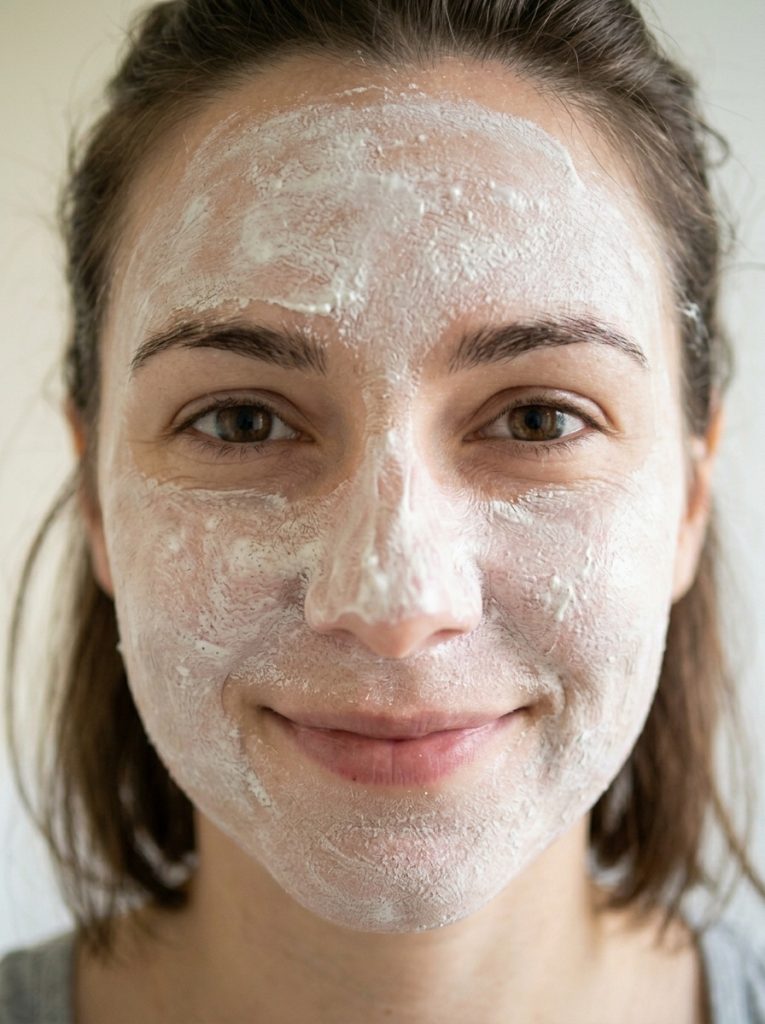
Walk into any beauty aisle and you’ll see shelves packed with serums, acids, masks, and creams promising “glass skin” overnight. Some of them cost more than a decent grocery run. Others sound like they were developed in a chemistry lab at midnight. And honestly? It can all feel a little exhausting.
That’s probably why I keep thinking about my nana.
She never had a 12-step skincare routine. No jade rollers. No LED face mask that made her look like a sci-fi villain. Yet somehow, her skin always looked soft, bright, and calm—even well into her later years. People constantly asked what expensive cream she used.
Her answer was almost funny every single time.
“Baking soda, sweetheart.”
At first, I thought she was joking. The same little orange box sitting in the back of the fridge? The thing people use for cookies and cleaning sinks? Apparently, yes. That baking soda.
Now, to be fair, modern dermatologists have mixed feelings about putting baking soda directly on the skin—and we’ll get into that in a minute. But nana had a careful, old-school way of using it. Nothing aggressive. Nothing overdone. Just a few simple methods she trusted because they worked for her.
And you know what? Some of those methods actually make sense when you look at the science behind them.
Why Baking Soda Ended Up in So Many Old-School Beauty Routines
Long before skincare became a billion-dollar industry, people relied on ingredients they already had at home. Oatmeal baths, cold cream, witch hazel, rosewater—those weren’t trends back then. They were simply what people used.
Baking soda slipped into that category because it’s naturally cleansing and slightly gritty, which makes it useful for exfoliating dead skin. It also has mild antibacterial properties, which may help reduce excess oil and surface buildup.
That said, here’s the thing most people skip over online: baking soda is alkaline. Human skin leans slightly acidic. So while baking soda can leave skin feeling very clean and smooth, using too much of it too often can irritate the skin barrier.
Nana understood this instinctively, even if she never used phrases like “skin barrier function.” She treated it like a once-in-a-while helper—not an everyday miracle cure.
That distinction matters more than people think.
The Simple Paste She Used for Blackheads and Rough Skin
This was nana’s go-to method. No fuss. No measuring cups scattered across the counter.
She’d mix:
- 1 tablespoon of baking soda
- Just enough water to make a thick paste
That was it.
She applied it with her fingertips using small circular motions, mostly around her nose and chin where blackheads liked to settle in. She never scrubbed aggressively either. “Your face isn’t a frying pan,” she’d say, which—oddly enough—is solid skincare advice.
After a minute or two, she rinsed with warm water and patted her skin dry with a soft towel.
The result? Her skin looked smoother and felt ridiculously soft.
Scientifically speaking, the mild abrasive texture helps loosen dead skin cells sitting on the surface. Think of it like gently buffing dullness away. Kind of like sanding rough wood—but obviously much, much gentler.
Still, she only did this about once a week. Sometimes less during winter when her skin felt dry.
Honestly, that restraint was probably part of why it worked so well for her.
Her Favorite Version Included Honey—and It Actually Felt Luxurious
If the plain paste was her “quick fix,” the honey version was her spa treatment.
She mixed equal parts:
- Baking soda
- Raw honey
The texture turned thick, golden, and slightly grainy. She’d smooth it across her face and leave it there while making tea or folding laundry. Very nana behavior.
After about 10 minutes, she rinsed it off slowly with warm water.
This combo makes more sense than it first appears. Honey is naturally soothing and acts as a humectant, meaning it helps draw moisture into the skin. So while the baking soda exfoliates, the honey softens the experience and cuts down that tight, stripped feeling some people get afterward.
And raw honey—especially varieties like manuka honey—has been studied for its antibacterial properties for years. Not magic. Just chemistry doing its thing quietly in the background.
The funny part? Nana would never have explained any of that. She simply said, “It makes my skin feel happy.”
Hard to argue with that logic.
The Lemon Trick She Used Sparingly
Now this one came with warnings. Even nana knew it was strong.
She’d combine:
- 1 tablespoon baking soda
- Juice from half a lemon
The mixture fizzed immediately. She loved that part. Said it meant “it’s working,” though technically it was just an acid-base reaction.
She only used this treatment occasionally—usually before weddings, holidays, or church events when she wanted her skin looking especially bright.
And honestly, lemon juice can temporarily make skin appear more radiant because citric acid lightly exfoliates the surface. But it can also irritate sensitive skin, especially in sunlight.
That’s why nana always avoided using it before long days outdoors. She didn’t talk about UV sensitivity or photosensitivity. She simply said, “The sun and lemon don’t play nice together.”
Again, surprisingly accurate.
If anyone tries this method today, sunscreen afterward is non-negotiable. Really.
Why These Remedies Felt Different From Modern Skincare
There’s something oddly comforting about simple skincare rituals. Maybe because they feel less transactional. Less engineered.
Modern products often come with endless promises—tightening, lifting, resurfacing, correcting, renewing. Sometimes all on the same label. It’s like reading a résumé written by someone trying way too hard during a job interview.
Nana’s methods felt calmer.
She wasn’t trying to “fix” her face. She was caring for it.
That mindset shift changes everything.
And to be clear, baking soda won’t erase wrinkles or replace medically backed treatments for serious skin concerns. It’s not some secret fountain of youth hidden inside a cardboard box. But used carefully, it can work as an occasional exfoliating treatment for some skin types.
That’s probably the healthiest way to look at it.
A Few Important Precautions Before You Try It
This part matters because natural doesn’t automatically mean harmless.
Baking soda can disrupt the skin’s natural pH if overused. Some people tolerate it fine; others develop redness, dryness, or irritation quickly. Sensitive skin types especially should be cautious.
A few smart rules:
- Always patch test first
- Don’t use it daily
- Avoid broken or irritated skin
- Moisturize afterward
- Wear sunscreen if using lemon juice
- Stop immediately if burning or redness occurs
And if you have eczema, rosacea, or ongoing skin conditions, it’s worth checking with a dermatologist before experimenting.
Nana believed in home remedies, yes—but she also believed in common sense.
The Real Secret Probably Wasn’t the Baking Soda
Here’s the strange thing I realized while writing this: the baking soda may not have been the entire reason nana’s skin looked so good.
She also drank plenty of water. Rarely wore heavy makeup. Slept well. Ate home-cooked meals most days. Walked constantly. Laughed loudly. Worried less than most people I know.
That combination matters.
We tend to hunt for one miracle ingredient when good skin is usually the result of small habits repeated over years. Consistency beats intensity almost every time.
Still, there’s something charming about the fact that one of her favorite beauty tricks cost less than a cup of coffee.
And honestly? In a beauty culture obsessed with “more,” that simplicity feels refreshing.