There’s something oddly peaceful about watching dragonflies zip across a backyard in the middle of summer. They hover for a second, flash blue or green in the sunlight, then dart off like tiny helicopters with caffeine problems. Kids love them. Gardeners love them. And honestly, once you realize how many mosquitoes they eat, you start rooting for them a little harder. A single dragonfly can eat hundreds of mosquitoes in a day. Hundreds. So if your backyard turns into a mosquito convention every evening, attracting dragonflies might be one of the smartest things you can do. And no—you don’t need …
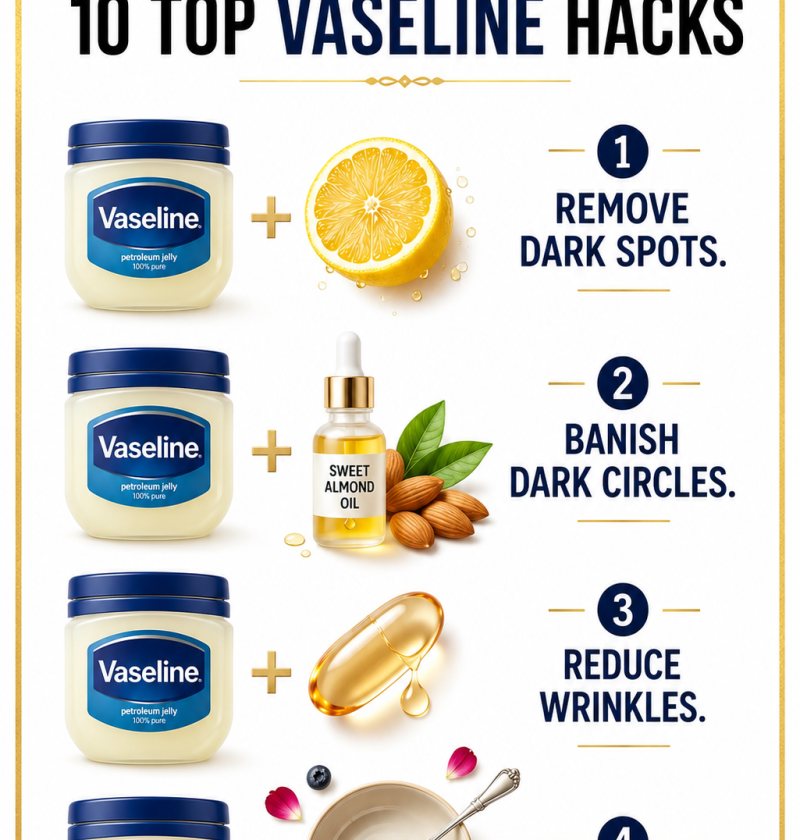
There’s a reason a jar of Vaseline somehow survives every bathroom cleanout. People throw away half-used serums, trendy masks, expensive creams that promised miracles in three days… yet that little tub of petroleum jelly sticks around forever. Usually shoved in a drawer somewhere. And honestly? It earns its spot. Most people think of Vaseline as something you use on dry lips in winter and not much else. But that’s barely scratching the surface. The stuff is surprisingly useful—sometimes weirdly useful. A makeup fix, a skin saver, a cheap beauty shortcut your grandmother probably knew before TikTok turned everything into a …
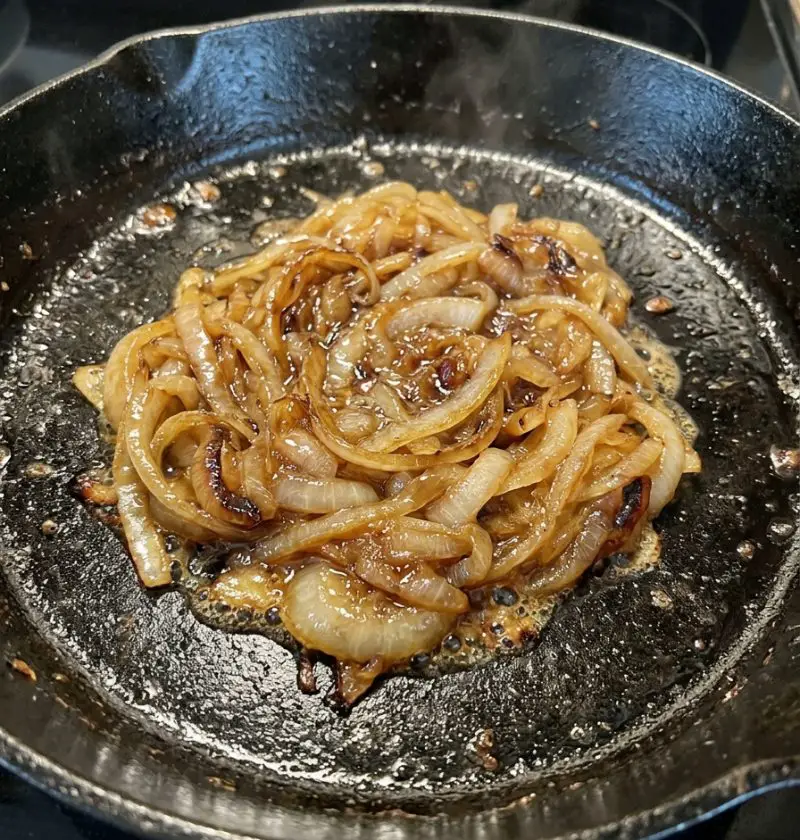
I used to avoid caramelizing onions unless I had a full afternoon at home. Not because I didn’t love them. I absolutely did. A spoonful of deeply browned onions can make almost anything taste better — burgers, soups, pasta, scrambled eggs, even plain toast if we’re being honest. But every recipe seemed to ask for the same thing: low heat, constant stirring, and somewhere between 45 minutes and forever. And most nights? I just wasn’t doing that. Then my aunt showed me a quicker way years ago while we were making French onion soup together. She grabbed a tiny pinch …
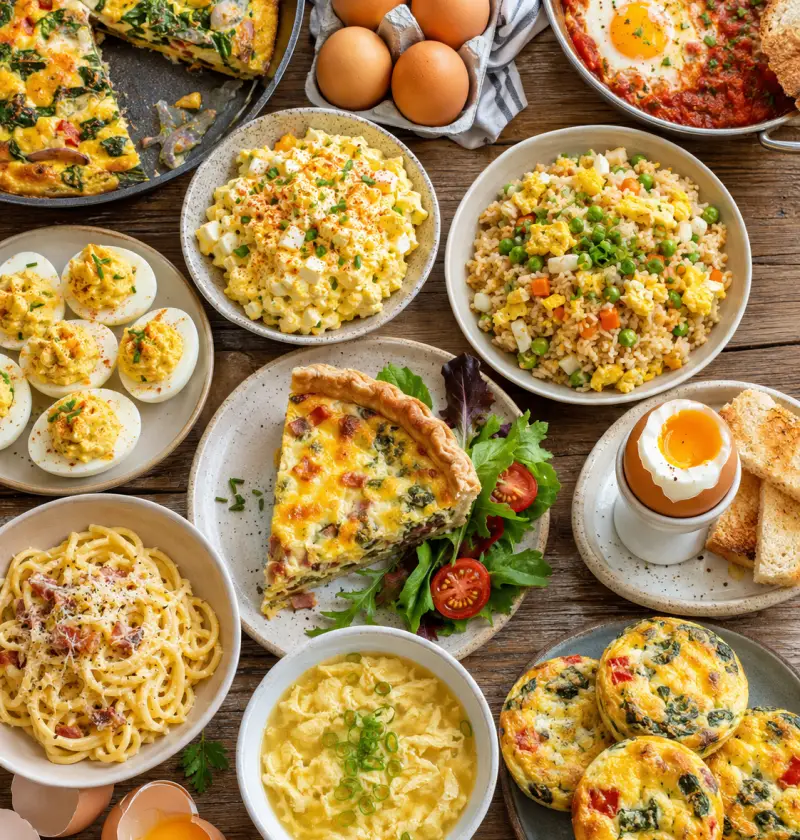
You buy eggs with good intentions. A carton for breakfast sandwiches. A few for baking. Maybe some for that recipe you swore you’d make over the weekend. Then suddenly there are two dozen eggs in the fridge and the expiration date starts feeling a little too close for comfort. It happens fast. Eggs are one of those foods people always mean to use, but unless you’re cooking breakfast every morning, they tend to pile up quietly in the background. And throwing them away feels awful now that groceries cost what they cost. Nobody wants to toss perfectly good eggs into …
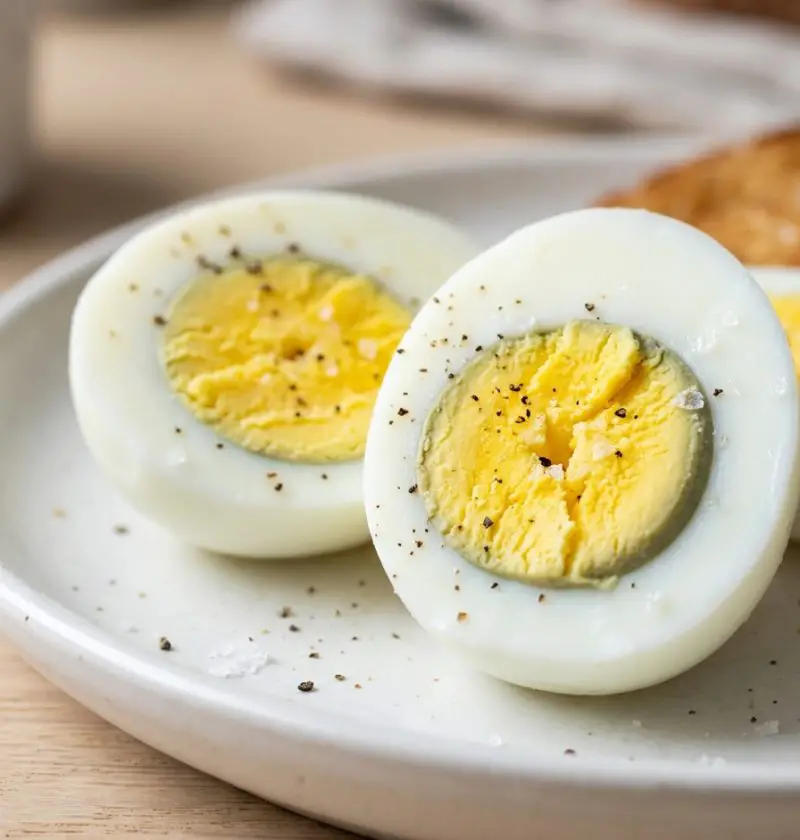
Eggs are one of those foods most people never think twice about—until something smells… wrong. You crack a perfectly normal-looking egg into a hot pan, and suddenly there it is: that unmistakable sulfur smell. Sharp. A little swampy. Honestly, it can make you question your entire breakfast. Were the eggs bad? Did the fridge fail overnight? Should you throw everything out? Here’s the thing: a sulfur smell doesn’t always mean your eggs are spoiled. In fact, fresh eggs can absolutely produce that odor under the right conditions. Strange, right? But once you understand what’s happening inside the shell—and later, inside …
Few kitchen moments feel more confusing than watching sausages hiss and sputter in the pan while weird white foam bubbles out of them. It doesn’t exactly scream appetizing. For a second, you wonder if something has gone terribly wrong. Is the meat spoiled? Is it chemicals? Did you ruin dinner somehow? Honestly, almost everyone has that moment the first time they notice it. But here’s the reassuring part: in most cases, that white foam is completely normal. Not glamorous, sure, but normal. It’s basically your sausage reacting to heat in real time — proteins tightening, fat rendering, moisture escaping. A …
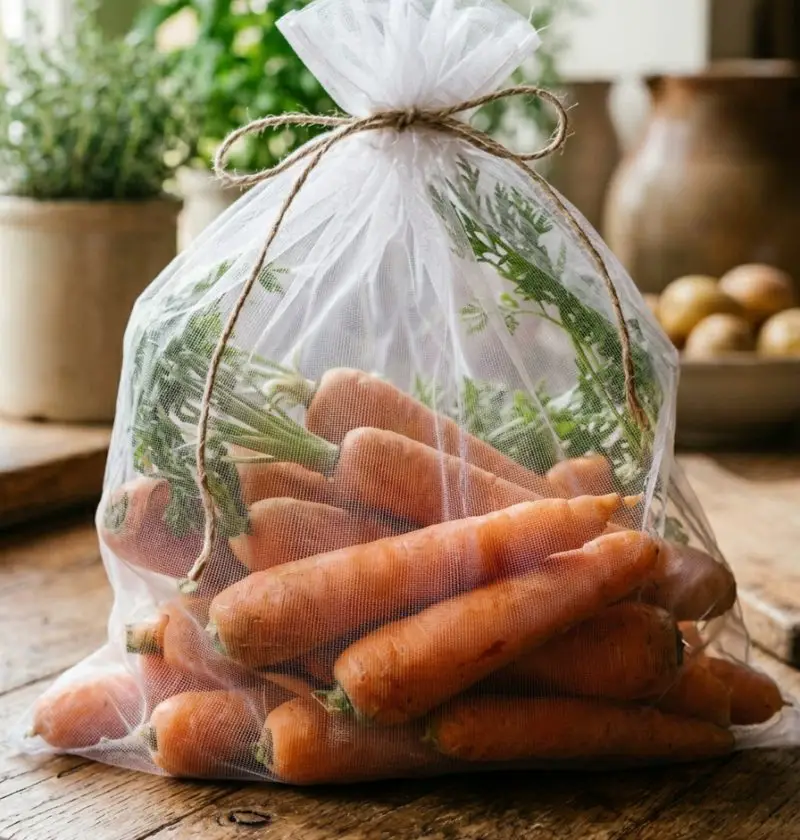
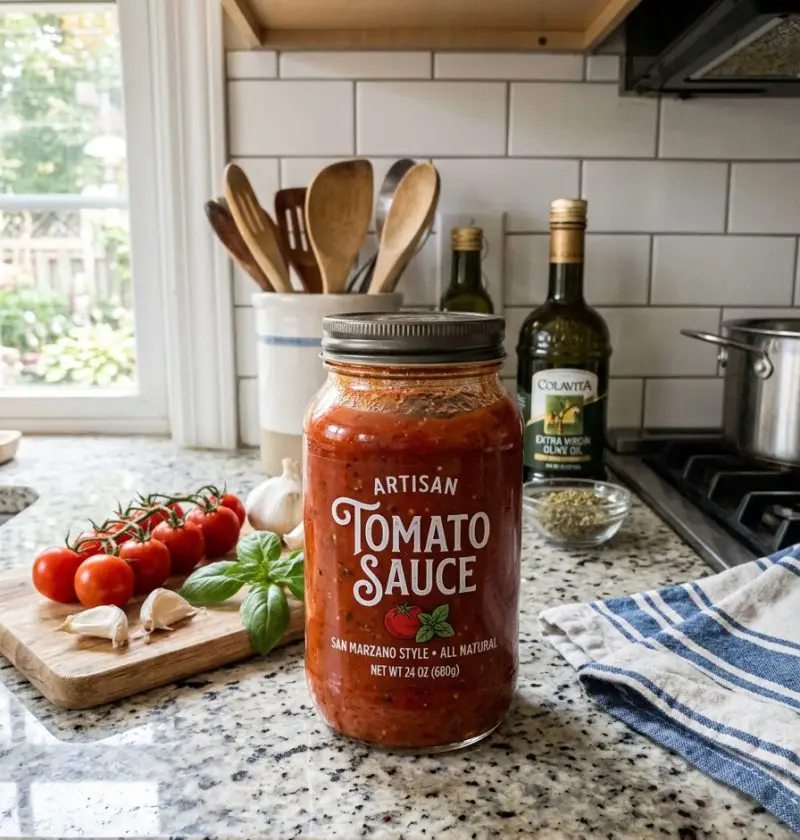
Carrots seem harmless when you buy them. You grab a giant bag because they’re cheap, healthy, and technically last “a long time.” Then somehow two weeks pass, and now there’s an alarming amount of carrots sitting in the fridge drawer beside one lonely celery stalk and a bag of spinach you forgot existed. It happens. The good news is carrots are ridiculously adaptable. Probably more than most vegetables, honestly. They work in soups, cakes, snacks, sauces, smoothies, and weirdly enough, even pasta sauce. Sweet recipes love them. Savory recipes do too. They can be roasted, blended, shredded, baked, pickled, juiced …
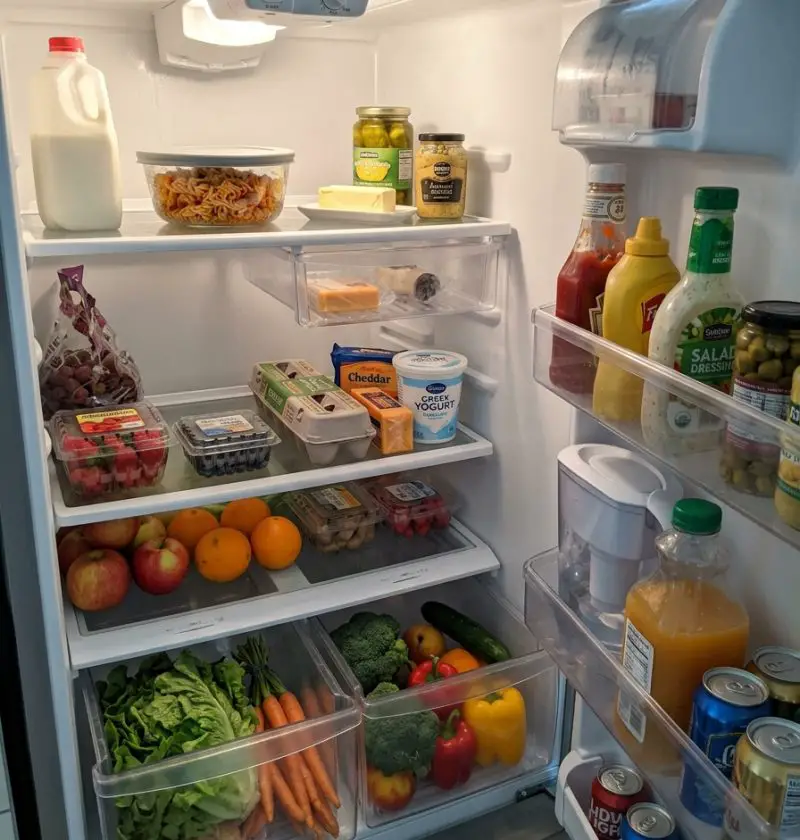
Open almost any refrigerator and you’ll probably find the same thing happening: shelves packed with random produce, half-used condiments, coffee shoved beside leftovers, maybe a loaf of bread drying out in the corner like it’s serving a sentence. Honestly, modern refrigerators have turned into storage units for foods that were never meant to live there in the first place. And look — refrigeration absolutely matters for food safety. Nobody’s suggesting you leave raw chicken on the counter and hope for the best. But somewhere along the way, people started treating the fridge like a universal preservation machine. If it’s food, …
You buy a can of tomato paste for one recipe. The recipe needs two tablespoons. Then the rest sits in the fridge until you eventually find it again covered in foil, slightly questionable, and honestly a little forgotten. It happens all the time. Tomato paste is one of those ingredients people use constantly without really thinking about it. It’s small, cheap, and usually shoved somewhere behind the broth cartons and pickles. But it quietly makes food taste richer, deeper, warmer. A spoonful can completely change a soup or sauce. And the annoying part? Most recipes barely use any of it. …
There are certain kitchen experiments that feel completely unnecessary right up until the moment they somehow work. This was one of those. Hot dogs already live in the “easy dinner” category. You throw them in boiling water, toss them on a grill, maybe air-fry them if you’re feeling fancy. They’re dependable. Familiar. Not exactly the kind of food that begs for innovation. But then I kept hearing people mention beer-boiled sausages — beer brats, specifically — and it got me thinking: if beer can make bratwurst taste richer and smokier, could it do anything for plain old hot dogs? So …