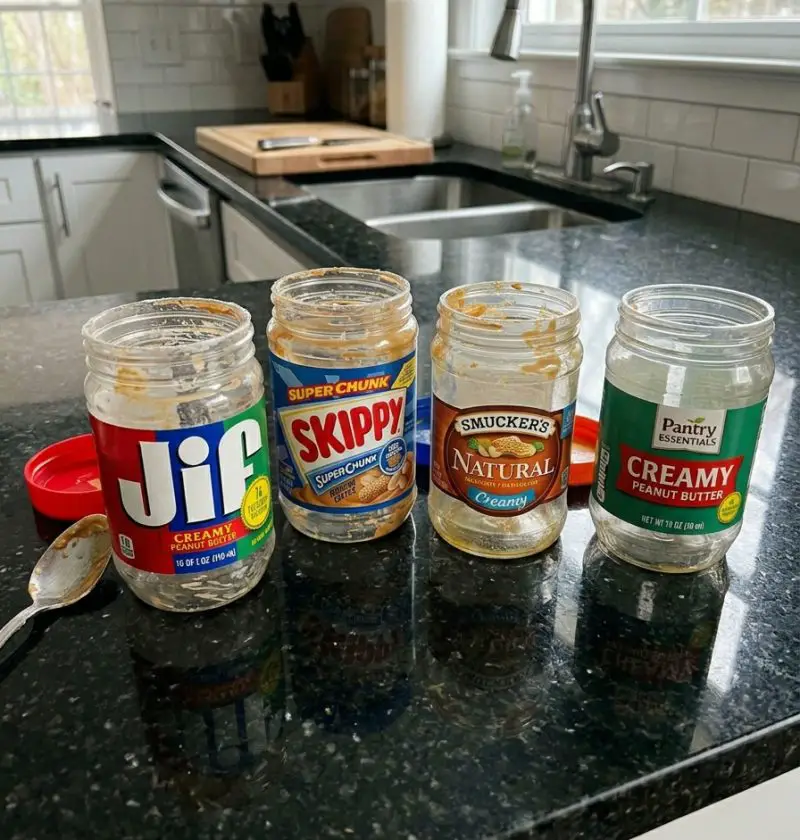
You know that moment when you finish a jar of peanut butter and automatically toss it into the recycling bin without thinking twice? Most of us do it. The lid goes one way, the jar another, and that’s the end of the story. But honestly, those plastic peanut butter jars are kind of the unsung heroes of household storage. They’re durable, lightweight, easy to clean, and weirdly practical. Some are even sturdier than the containers people spend money on at organizing stores. And once you start reusing them, it becomes hard to stop. One jar turns into five. Then suddenly …
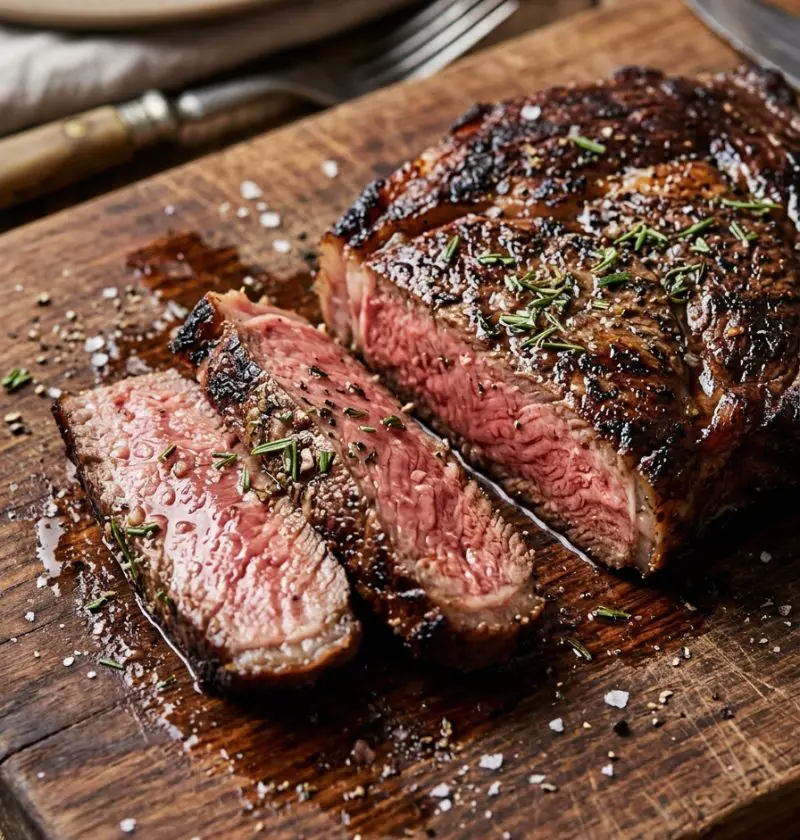
You pull a steak off the grill. It smells incredible. The crust is perfect, the center is warm and tender, and honestly? You’re already thinking about that first bite. Then you slice into it and see a little red liquid run onto the plate. Suddenly, somebody at the table says it: “Uh… is that still raw?” If you cook meat often, you’ve probably heard that question more than once. Maybe you’ve even wondered the same thing yourself. It’s one of the biggest misconceptions in home cooking, and it’s surprisingly persistent. Part of the confusion comes from how similar that red …
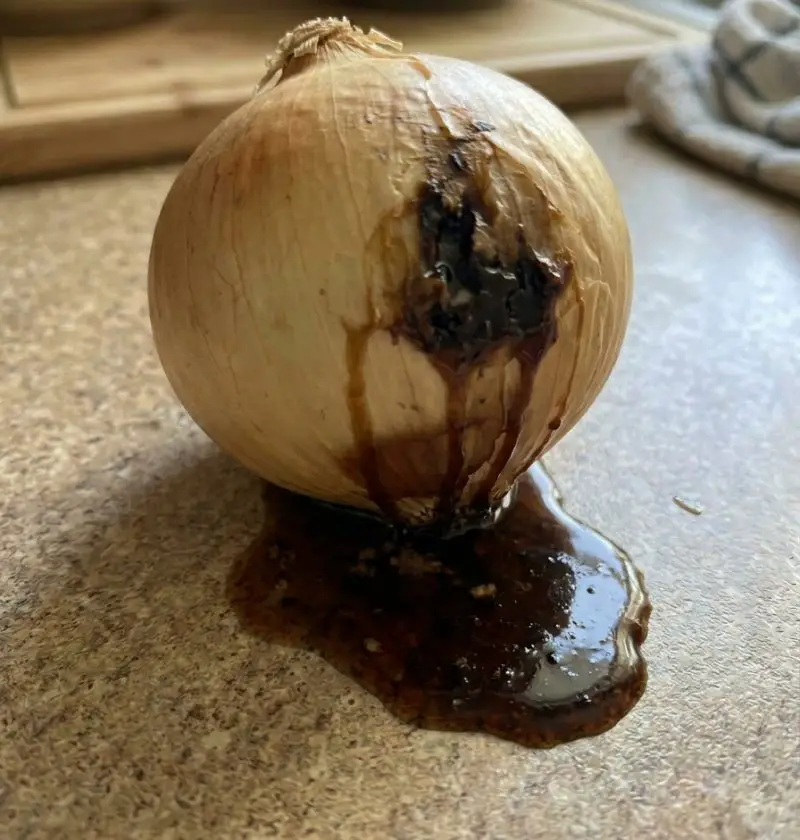
You reach into the pantry, grab an onion for dinner, and suddenly notice something unpleasant sitting underneath it — a sticky brown puddle. Not exactly the kitchen surprise anyone wants before making tacos, soup, or a weeknight pasta sauce. At first glance, it feels alarming. Is the onion rotten? Is it dangerous? Can you still cut off the bad part and use the rest? Honestly, onions are strange little things. They look sturdy and shelf-stable, almost indestructible at times, but once internal decay starts, they can go downhill fast. And the frustrating part? An onion may look perfectly normal on …
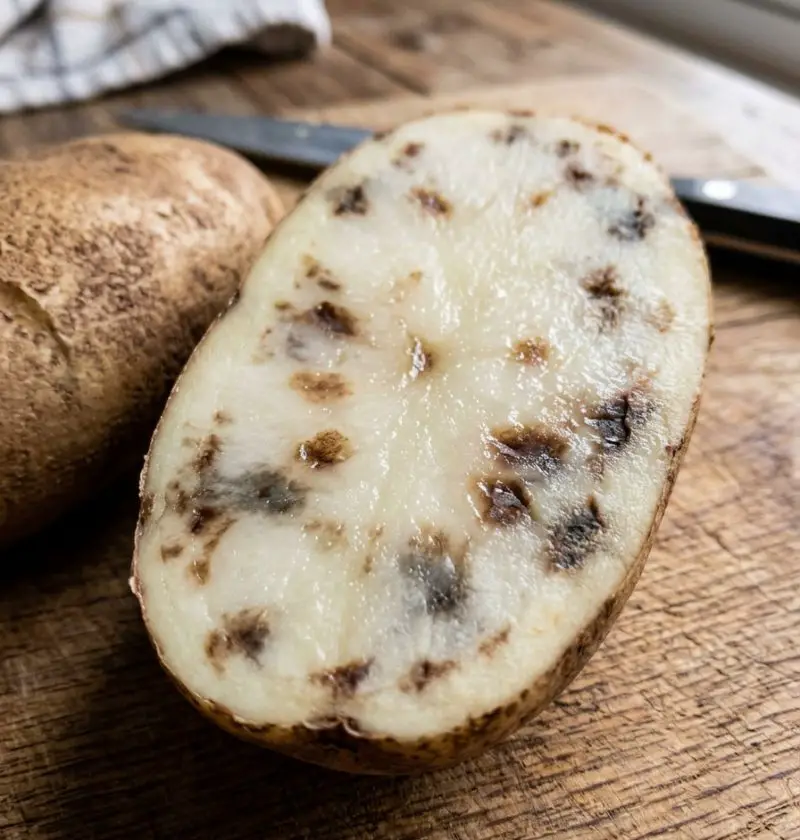
You’re halfway through making dinner. Maybe it’s mashed potatoes, crispy oven fries, or one of those cozy skillet meals that somehow tastes even better when the weather cools down a little. You slice into a potato and suddenly—there it is. Brown spots inside. Not on the skin. Inside. And honestly? It’s enough to make anyone pause for a second with the knife still in hand thinking, Wait… is this bad? Potatoes are one of those kitchen staples we almost take for granted. They sit quietly in the pantry for weeks, ready to become comfort food at a moment’s notice. So …
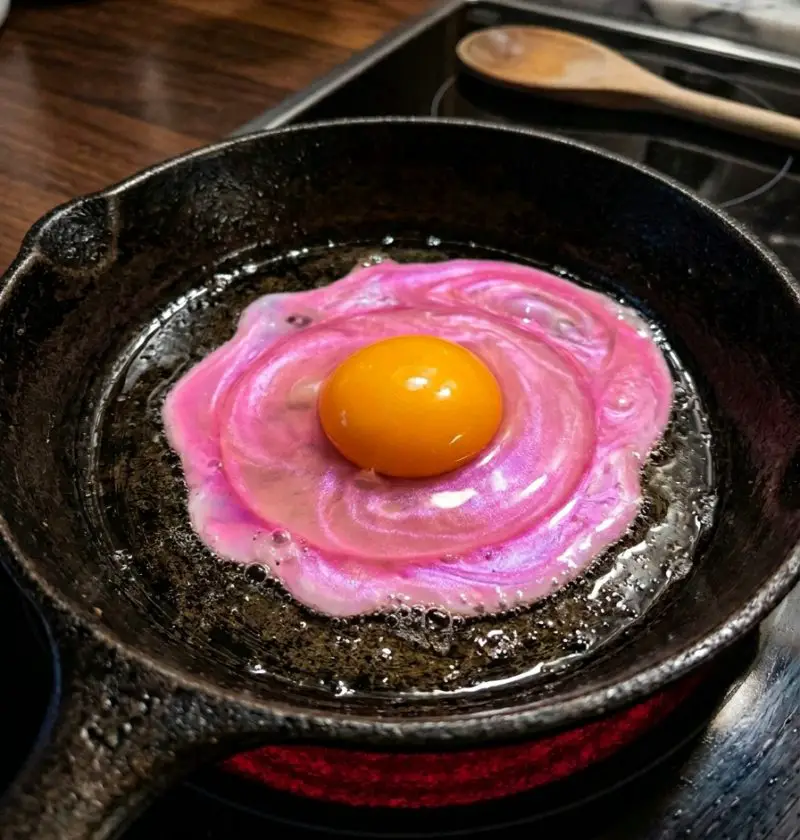
You crack an egg into the pan, glance down, and suddenly stop. The egg white isn’t clear. It isn’t cloudy. It’s… pink. Not just faintly pink either — almost neon, with a strange pearly shimmer that looks more like something from a science experiment than breakfast. Honestly, it’s the kind of thing that makes your stomach drop for a second. Most of us don’t think too hard about eggs. We buy them, refrigerate them, scramble them, maybe hard-boil a few for lunches during busy weeks, and move on. Eggs are familiar. Safe. Predictable. So when one suddenly looks radioactive, it …
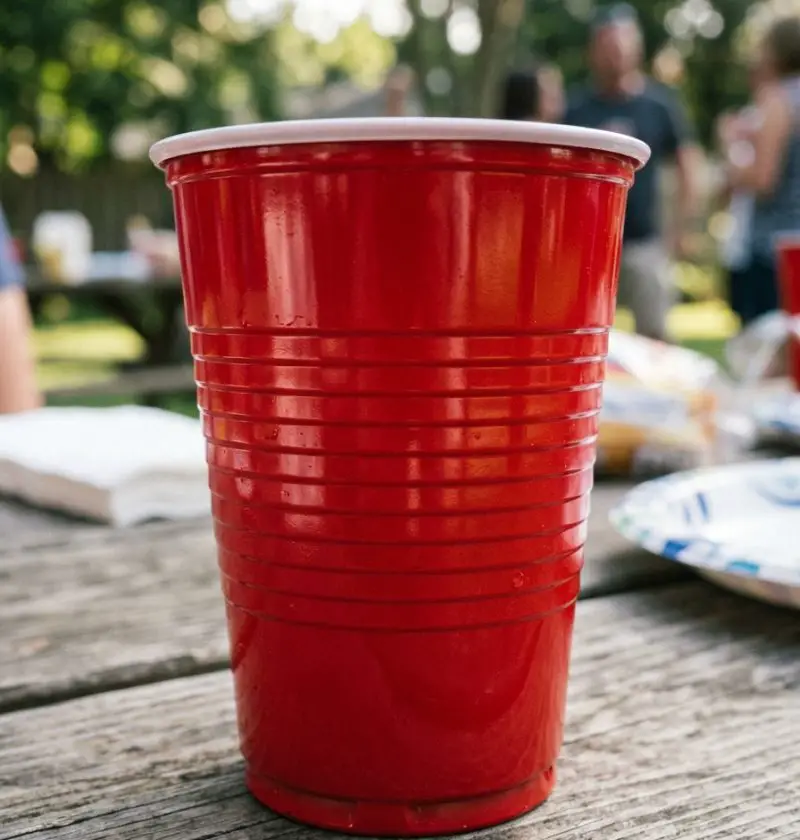
Most of us have held a Solo Cup at some point—at a backyard cookout, a tailgate, a graduation party, maybe just standing around someone’s kitchen island talking long after dinner should’ve ended. It’s one of those objects that almost disappears because it’s so familiar. You grab one, fill it, set it down, forget which one is yours, grab another. Life happens. But here’s a funny thought: what if one of the most recognizable party staples in America has been quietly hiding a clever little secret this whole time? Turns out… it kind of has. Those horizontal ridges wrapping around a …
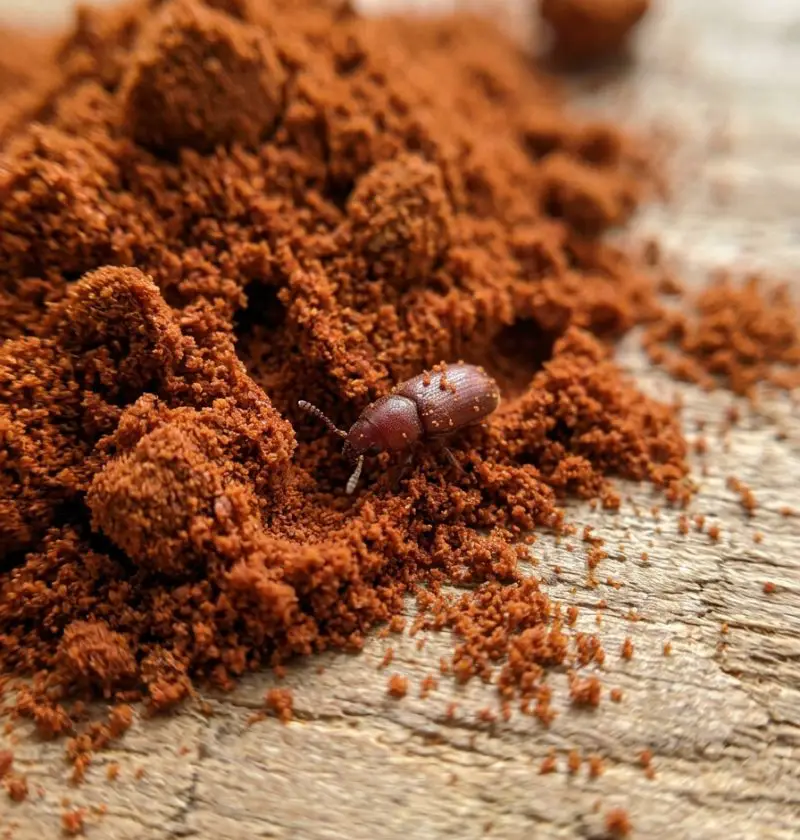
There are few kitchen moments more unsettling than reaching for a trusted jar of paprika—maybe for deviled eggs, a stew, or your favorite dry rub—and spotting something… off. Little tunnels in the powder. Strange clumping. Maybe even tiny specks moving. You freeze. Wait… are those bugs? Honestly? It can be a little horrifying. Paprika is one of those pantry staples we tend to take for granted. It sits quietly in the cabinet until it’s needed, adding color, warmth, and that earthy sweetness we love. So finding signs of insect activity in it can feel deeply unsettling in a way that’s …
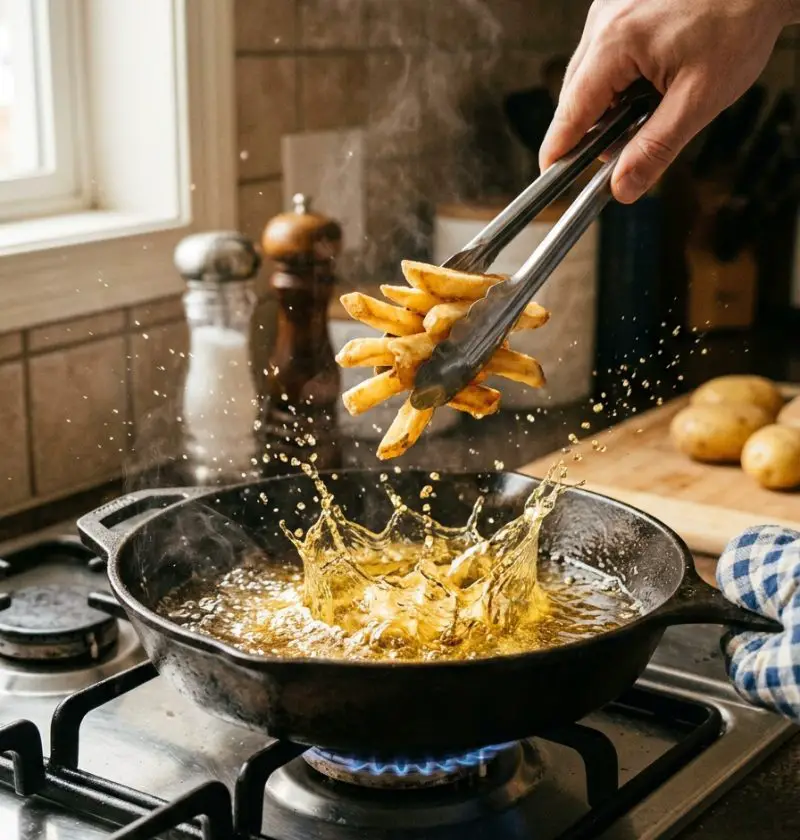
There’s a particular sound that makes home cooks flinch a little — that angry pop-pop-pop of hot oil hitting moisture. You know the one. One second you’re dreaming about perfectly golden fried chicken or crisp-edged potatoes, the next you’re dodging tiny lava-like droplets while your stovetop starts looking like a crime scene. Frying is glorious. Messy, yes. A little dramatic? Also yes. But here’s the thing: oil doesn’t splatter for no reason. It’s reacting. Usually to water. Sometimes to overcrowding. Sometimes to oil that’s simply too hot and behaving badly. And once you understand what’s causing the chaos, frying gets …
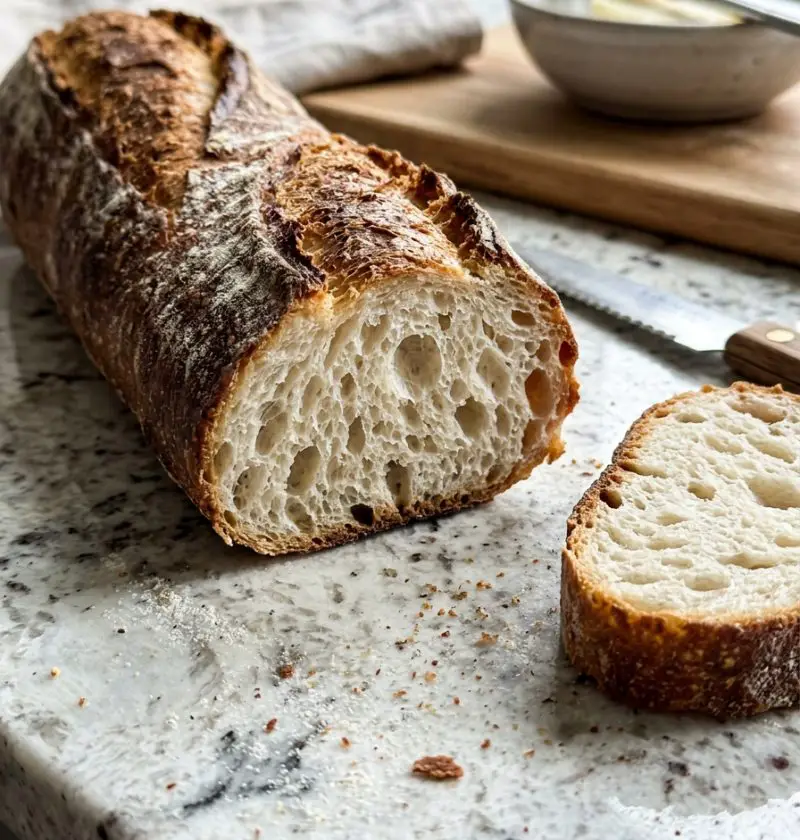
There’s a special kind of heartbreak in reaching for yesterday’s baguette and finding… a baton. Not bread. A baton. The crust that crackled so beautifully with dinner is suddenly tough enough to knock on a door with. The inside—that airy, delicate crumb you tore into while soup steamed in the bowl—feels dry and stubborn. And honestly? It feels a little unfair. How does something so perfect at 7 p.m. become nearly inedible by breakfast? Well, funny enough, your baguette didn’t “go bad” overnight. It changed. There’s a difference. A big one. And once you understand what’s happening inside the loaf, …
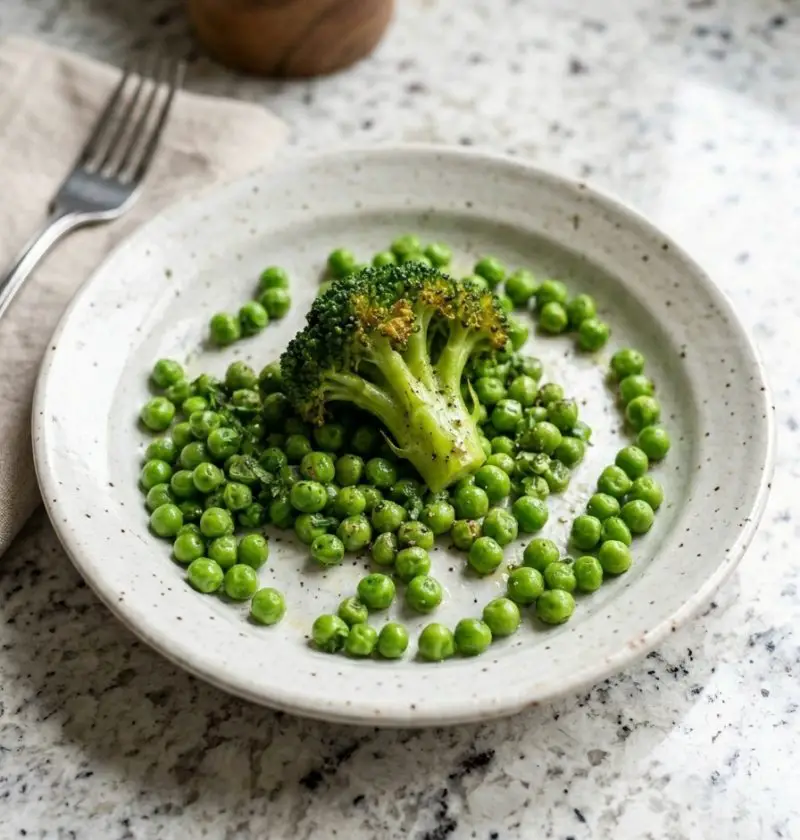
There’s a very specific kind of disappointment that comes from lifting the lid off a pot and finding broccoli that has gone from fresh, lively green to… well, military fatigue. Limp. Olive-drab. Sad. And honestly? It happens to almost everyone. You buy broccoli with good intentions—more fiber, more vegetables, maybe a little “I’m eating better this week” energy—and then five minutes too long in hot water turns it into mush. Suddenly healthy eating feels suspiciously less inspiring. But here’s the thing: perfectly cooked broccoli isn’t hard. It’s mostly timing. A little science. A few habits. And once you understand why …