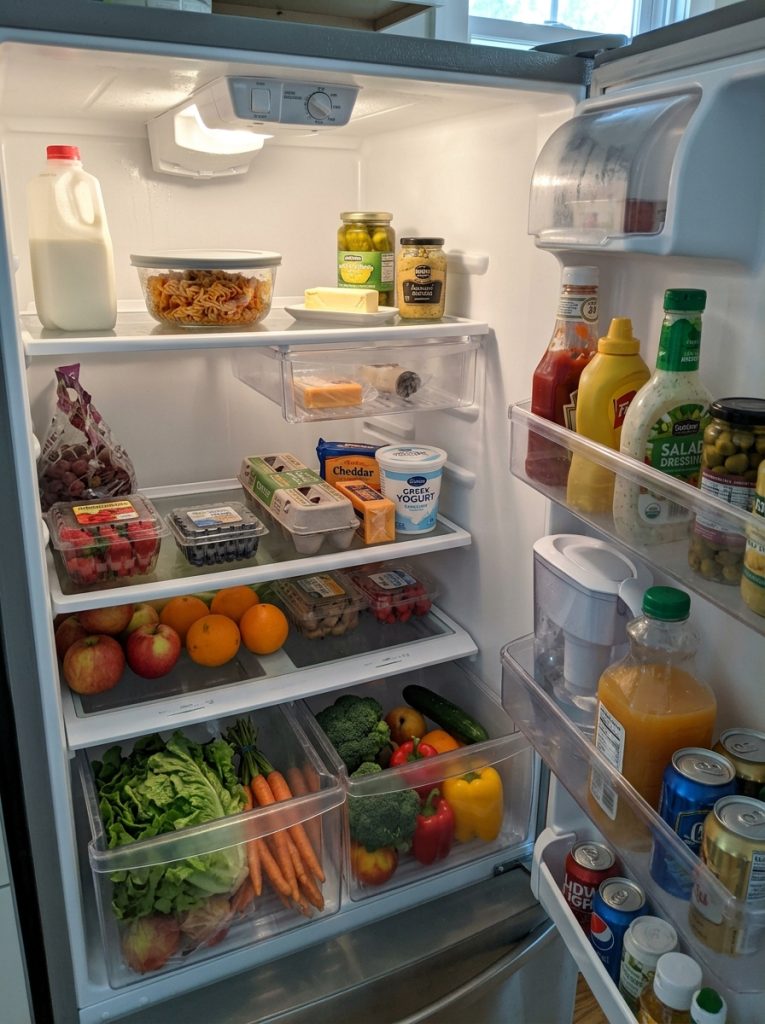
Open almost any refrigerator and you’ll probably find the same thing happening: shelves packed with random produce, half-used condiments, coffee shoved beside leftovers, maybe a loaf of bread drying out in the corner like it’s serving a sentence.
Honestly, modern refrigerators have turned into storage units for foods that were never meant to live there in the first place.
And look — refrigeration absolutely matters for food safety. Nobody’s suggesting you leave raw chicken on the counter and hope for the best. But somewhere along the way, people started treating the fridge like a universal preservation machine. If it’s food, chill it. Right?
Not exactly.
Some foods actually lose flavor, texture, and quality when refrigerated. Others simply don’t need it because they’re naturally shelf-stable. A few even spoil faster under cold, humid conditions.
Weirdly enough, your grandparents probably knew this already. Pantry storage used to be normal. Then giant refrigerators became kitchen centerpieces, and suddenly everything got shoved inside.
So let’s clear things up.
Here are the foods that really don’t belong in your refrigerator — and why keeping them out often makes them taste much better.
First, Why Do We Refrigerate Everything Anyway?
Part of it comes from habit.
Part comes from fear of wasting food.
And honestly, food labels don’t always help. Some products say “refrigerate after opening” mainly for long-term quality, not because the food suddenly becomes dangerous overnight.
The refrigerator works by slowing bacterial growth and moisture loss. That’s important for dairy, meat, seafood, leftovers, and highly perishable foods.
But certain foods naturally protect themselves through:
- acidity
- low moisture
- fermentation
- oils
- sugars
- salt content
Others simply react badly to cold temperatures.
And once you understand why, the whole thing starts making a lot more sense.
Bananas Hate The Cold More Than You Think
Ever notice refrigerated bananas turn weirdly brown and sad-looking?
That’s because cold temperatures interrupt the ripening process. The peel darkens quickly while the inside can stay oddly firm and flavorless.
Bananas do best at room temperature where their natural sugars continue developing.
Same goes for:
- peaches
- nectarines
- avocados
- kiwis
These fruits were designed by nature to ripen gradually. Refrigeration basically hits pause on flavor.
Now, once something is perfectly ripe, you can refrigerate it briefly to slow further ripening. But before that? The countertop wins every time.
And honestly, a room-temperature peach in summer tastes like a completely different fruit compared to one eaten cold from the fridge.
Bread Goes Stale Faster In The Refrigerator
This surprises a lot of people.
You refrigerate bread expecting it to last longer, but chemically, the cold actually speeds up staling.
The starch molecules recrystallize faster in refrigerator temperatures, which makes bread dry, crumbly, and tough. That’s why refrigerated sandwich bread develops that unpleasant texture after just a day or two.
A bread box or loosely closed bag at room temperature works better for short-term storage.
For longer storage?
Freeze it.
Freezing preserves bread far better than refrigeration ever will. Bakeries know this. Professional kitchens know this. Meanwhile home kitchens keep refrigerating perfectly good sourdough like it’s milk.
Tomatoes Lose Their Personality In The Fridge
Cold tomatoes are one of life’s small disappointments.
The refrigerator damages the membranes inside tomatoes, which changes both texture and flavor. That juicy, sweet, garden-fresh taste gets muted. The texture turns grainy or mealy.
And honestly, supermarket tomatoes already struggle enough.
Room temperature allows tomatoes to continue ripening naturally and maintain their balance of sweetness and acidity.
One small caveat:
If tomatoes become extremely ripe and you can’t use them soon, refrigeration can buy you another day or two. But ideally? Keep them on the counter.
Especially during summer tomato season. Refrigerating peak tomatoes is almost heartbreaking.
Potatoes And Refrigerators Don’t Get Along
Potatoes seem sturdy, but cold temperatures mess with their chemistry.
When refrigerated, potato starch converts into sugar faster than normal. That can create:
- oddly sweet flavor
- darker browning during cooking
- strange texture changes
A cool, dark pantry is much better.
Not warm. Not humid. And definitely not beside onions — we’ll get to that in a second.
Also, refrigerated potatoes can produce higher levels of acrylamide when fried at high heat. That’s one reason many chefs avoid cold storage altogether.
So yes, pantry potatoes are actually the smarter move.
Onions Need Air, Not Refrigerator Humidity
Refrigerators are humid environments.
Onions hate that.
Moisture encourages mold, softness, and spoilage much faster than proper dry storage does. Whole onions last longest in a cool, dry, ventilated area.
A basket or mesh bag works beautifully.
But here’s the catch people forget:
Once onions are sliced or peeled, refrigeration does matter. At that point, the protective outer layers are gone.
So:
- whole onions → pantry
- cut onions → fridge
Simple.
And no, despite internet myths, storing onions beside potatoes still isn’t a great idea. They release gases and moisture that shorten each other’s shelf life.
Coffee Beans Absorb Refrigerator Smells Like Crazy
Coffee is basically a flavor sponge.
Put coffee beans in the refrigerator and they’ll absorb surrounding moisture and odors surprisingly fast. Garlic leftovers today, weird-tasting espresso tomorrow.
Plus condensation can develop when beans move in and out of cold temperatures, affecting freshness.
Coffee prefers:
- airtight container
- cool dark cabinet
- stable temperature
Not freezing. Not refrigeration. Just dryness and consistency.
Honestly, expensive coffee stored improperly is one of the sneakiest kitchen mistakes people make. You spend good money on quality beans, then accidentally store them beside leftover onion dip.
Tough scene.
Olive Oil Turns Weird In The Fridge
Refrigerated olive oil becomes cloudy and partially solidified. It’s harmless, but annoying.
Cold temperatures can also dull delicate flavors over time, especially in high-quality extra virgin olive oil where flavor matters most.
A dark cupboard away from heat is ideal.
The stove area? Not great either. Constant heat fluctuations can degrade oils faster than people realize.
And while we’re here:
Most cooking oils are shelf-stable because they contain very little water, which bacteria need in order to grow.
So unless a specialty oil specifically says otherwise, pantry storage is usually perfectly fine.
Honey Has Been Preserving Itself For Thousands Of Years
Literally thousands.
Archaeologists have found ancient honey still technically edible because honey naturally resists bacterial growth. Its low moisture and acidic pH create an environment microbes struggle to survive in.
Refrigeration only causes crystallization faster.
That grainy texture people complain about? Usually fridge-related.
Keep honey sealed at room temperature and it’ll stay smooth and pourable much longer.
And honestly, refrigerated honey is almost impossible to drizzle properly unless you enjoy wrestling with condiment bottles before breakfast.
Peanut Butter Doesn’t Need Refrigeration Either
Natural peanut butter can separate — that’s normal. But refrigeration makes it stiff, dense, and nearly impossible to spread without destroying your bread in the process.
Most commercial peanut butters contain stabilizers and very low moisture, making them shelf-stable after opening.
Natural peanut butter is a little different. Some people refrigerate it to slow oil separation, which is fine if you don’t mind firmer texture.
But safety-wise, pantry storage is generally okay for most peanut butters if used within a reasonable time.
And honestly, cold peanut butter on soft bread feels like trying to spread cement with a butter knife.
Soy Sauce Is Practically Built For Shelf Storage
Soy sauce contains:
- fermentation
- salt
- acidity
Basically a triple shield against spoilage.
That’s why many restaurants leave soy sauce bottles on tables all day without issues.
Refrigeration can preserve peak flavor slightly longer over many months, especially for premium artisan soy sauces, but standard soy sauce remains very stable at room temperature.
So if you’ve been sacrificing refrigerator space for one tiny soy sauce bottle… you can reclaim it now.
Garlic Actually Sprouts Faster In The Refrigerator
People refrigerate garlic thinking they’re helping it last longer. Ironically, cold temperatures often encourage sprouting.
Whole garlic bulbs prefer:
- cool
- dark
- dry
- ventilated
Exactly like onions.
Refrigerators also introduce moisture, which can encourage mold growth over time.
Once garlic is peeled or minced, refrigeration becomes important. But whole bulbs? Pantry storage wins again.
Hot Sauce Usually Doesn’t Need Refrigeration
This one sparks debates online every single time.
But many hot sauces are shelf-stable because they’re loaded with vinegar, salt, and preservatives. Think Tabasco-style sauces especially.
Refrigeration mainly preserves color and flavor intensity over long periods.
So while chilling hot sauce isn’t harmful, it’s often optional rather than necessary.
That’s why diners leave hot sauce bottles sitting on tables 24/7 without catastrophe unfolding.
So… What Actually Belongs In The Fridge?
Probably less than you think.
The refrigerator is essential for:
- dairy
- eggs in some countries
- raw meat
- seafood
- leftovers
- cut produce
- highly perishable sauces
But plenty of pantry staples do better outside of cold storage.
And honestly, once you stop refrigerating everything automatically, two things happen:
- Your food often tastes better
- Your refrigerator suddenly has way more space
Funny how that works.
At the end of the day — actually, scratch that — food storage isn’t about blindly following habits. It’s about understanding what helps each ingredient stay at its best.
Sometimes the countertop is exactly where the flavor lives.