Showing 1,621 Result(s)
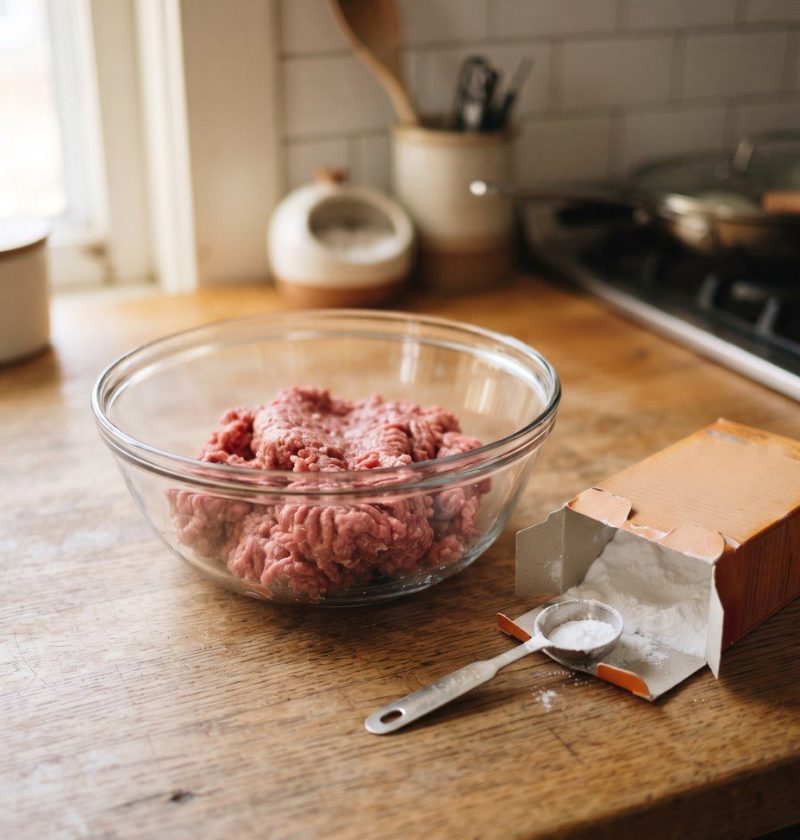
Raw ground beef in a bowl beside a box of baking soda
Kitchen Tips & How-Tos

I Added Baking Soda to My Ground Beef Before Browning It

I watched a cook at a Chinese restaurant do this and asked what it was. He said “baking soda” like it was the most ordinary answer in the world, and went back to work. It turns out to be one of the biggest differences between beef at home and beef in a restaurant, and it takes fifteen minutes. What It Does Baking soda raises the pH of the meat’s surface. That does two things. It makes it harder for the proteins to bond tightly together as they cook — and tight bonding is what squeezes water out and makes meat …
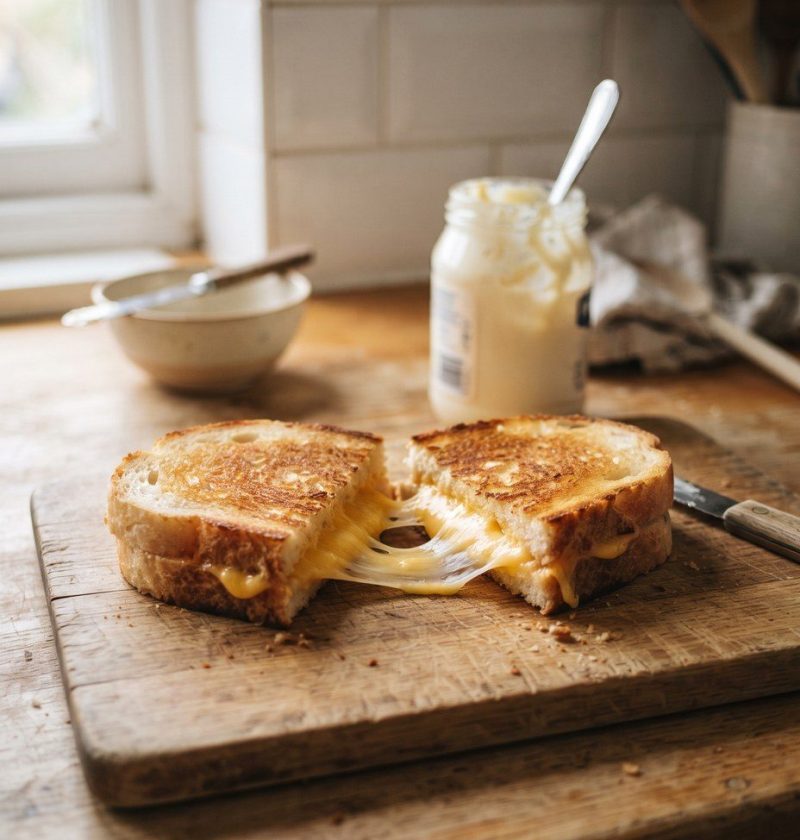
A grilled cheese sandwich cut in half with the cheese stretching
Kitchen Tips & How-Tos

I Put a Spoonful of Mayonnaise in My Grilled Cheese. Here’s What Happened.

I’d heard this one for years and refused to try it. Mayonnaise on the outside of a grilled cheese instead of butter sounded like the sort of thing people say to get a reaction. Then I ran out of butter on a Tuesday, had a child waiting, and did it anyway. I have not used butter for a grilled cheese since. What Actually Happened The bread went a deeper, more even gold than butter ever gives me. No pale patches, no burnt spots, no bit in the middle that stayed soft. The crust was crisper. Properly crisp, the way it …

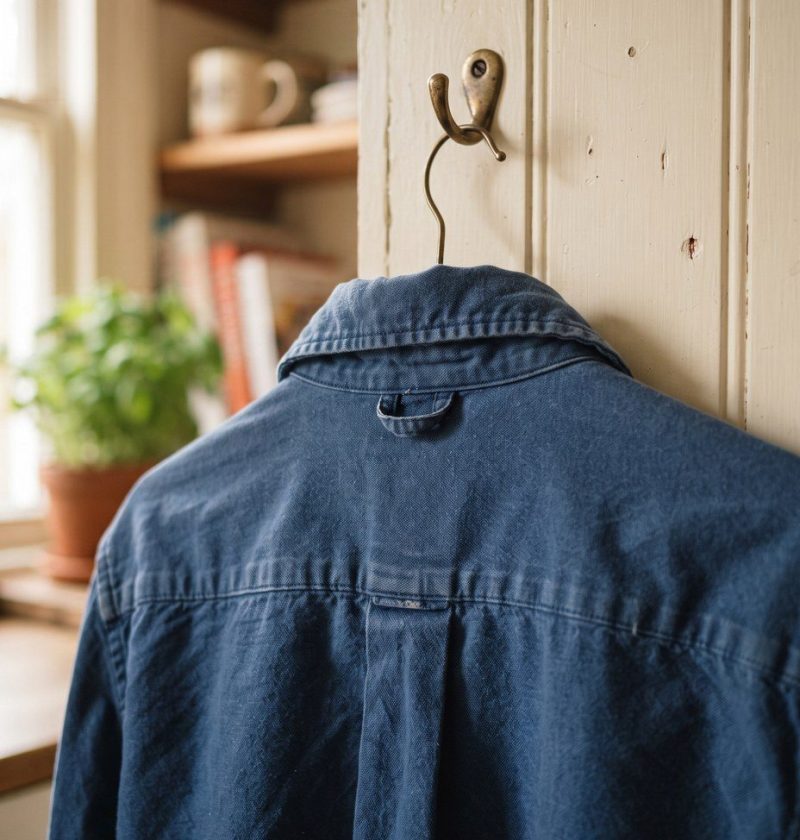
The back yoke of a shirt hanging on a hook
Kitchen Tips & How-Tos

What the Little Loop on the Back of a Shirt Is For

There’s a small fabric loop stitched into the center back of a lot of shirts, just below the collar yoke. Oxford shirts almost always have one. It’s called a locker loop, and it has a genuinely specific history. It Was for Hanging the Shirt Up The loop appeared on button-down shirts made for American college students in the 1960s. The idea was simple: gyms and locker rooms had hooks, not hangers. A loop meant you could hang a shirt on a hook without creasing the shoulders the way a hanger-less shirt does when you drape it. The same feature turned …

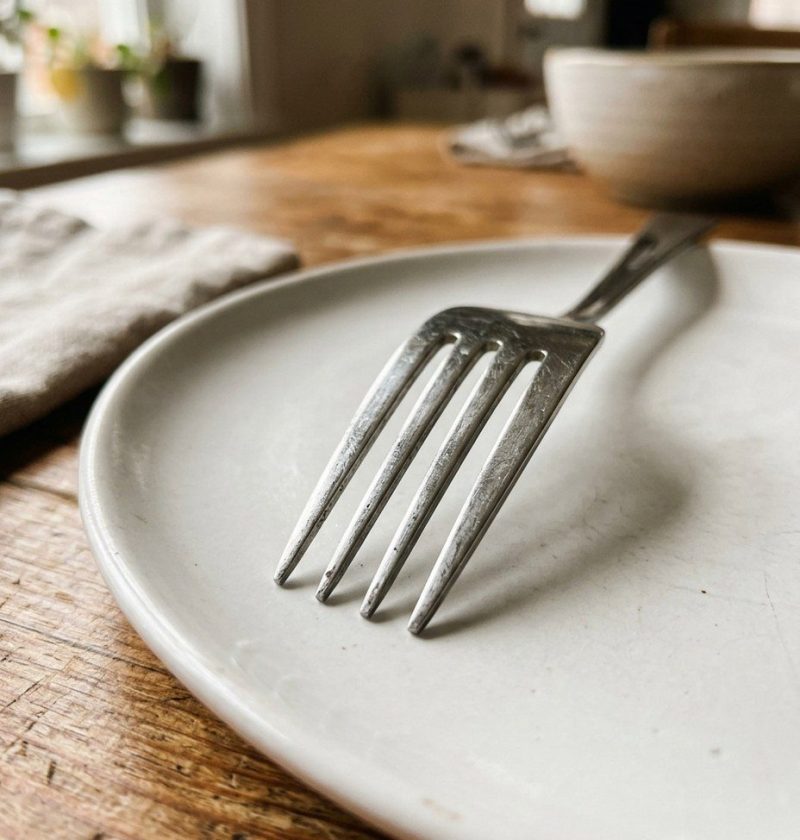
A close view of the four tines of a fork on a plate
Kitchen Tips & How-Tos

Why Some Forks Have a Longer Outer Tine

Pull a fork out of your drawer and look at the outer two tines. On a lot of forks — particularly older sets and better ones — the left-hand outer tine is noticeably wider and flatter than the other three. It isn’t a manufacturing fault. It’s there on purpose. It’s a Cutting Edge That wider outer tine is thickened so you can press down with it and cut through soft food without reaching for a knife. A piece of fish. A soft potato. Cake. Pasta. Anything you’d rather cut with the side of the fork while holding the plate steady. …

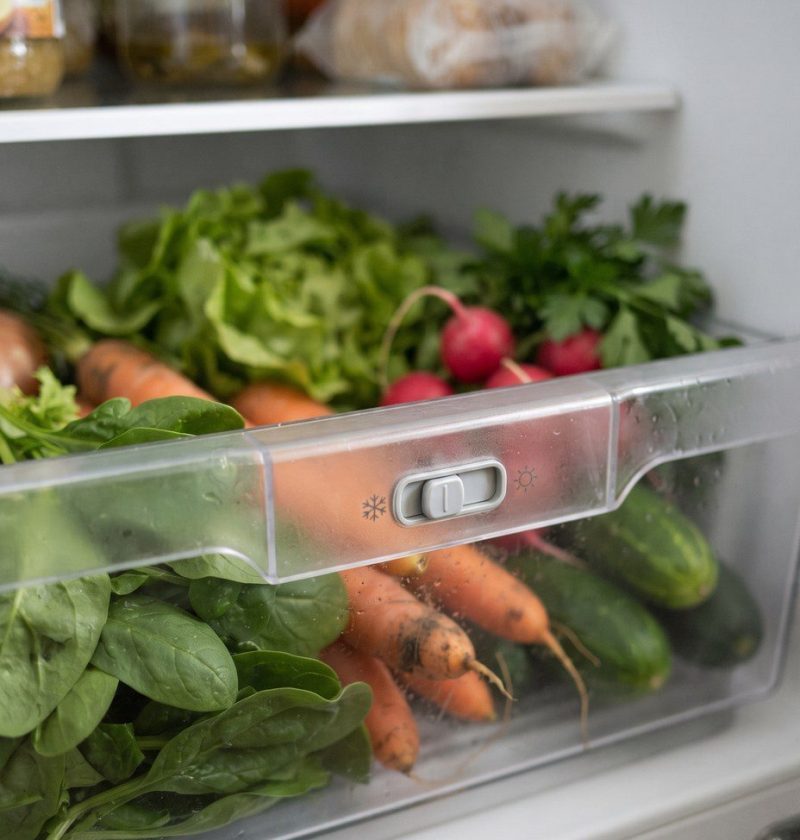
A refrigerator crisper drawer with its slider control visible
Kitchen Tips & How-Tos

What the Slider on Your Fridge’s Crisper Drawer Actually Does

There’s a small slider on the front of the drawer at the bottom of your fridge. Mine said nothing at all — just a tab you could push from one end to the other. I moved it once, decided nothing happened, and never touched it again. It does something. It’s just invisible. It Controls Humidity, Not Temperature That slider opens and closes a small vent in the drawer. Closed vent means moisture stays trapped — a humid drawer. Open vent means moisture escapes into the rest of the fridge — a dry drawer. It is not a temperature control. The …

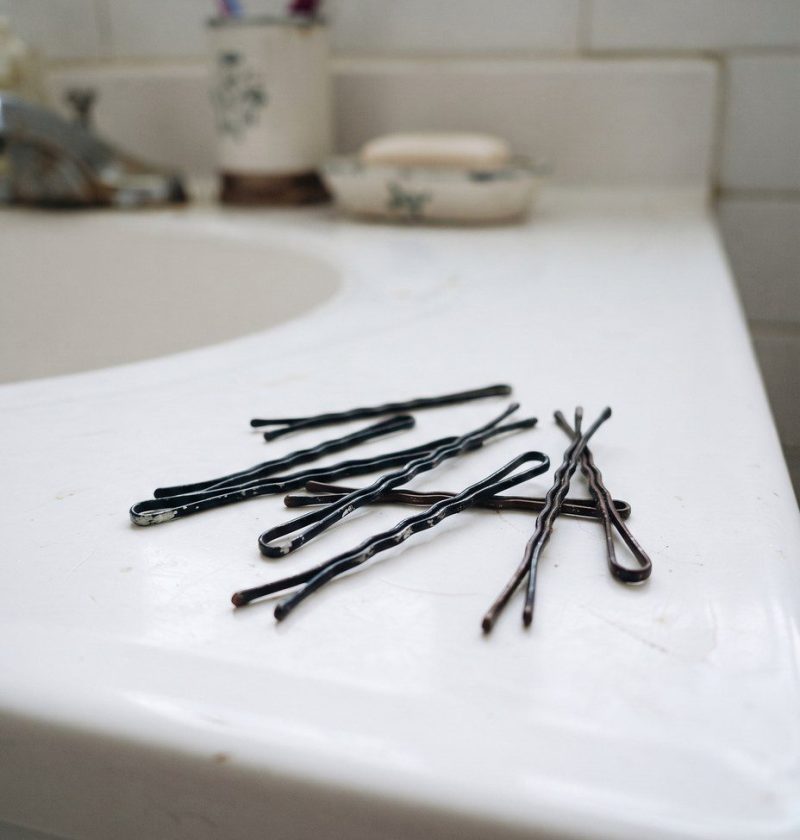
Bobby pins on a bathroom counter showing the wavy side
Kitchen Tips & How-Tos

Why Bobby Pins Have One Wavy Side

A bobby pin has one flat side and one side with waves in it. Almost everybody puts them in flat side down, and almost everybody is doing it backwards. Wavy Side Goes Against Your Head The waves are the grip. They’re what press into the hair and hold it. The flat side is the smooth outer face. Put the wavy side down against your scalp and the pin bites. Put it up and the pin has nothing to hold on to — which is why they slide out after twenty minutes and you spend the day finding them on the …

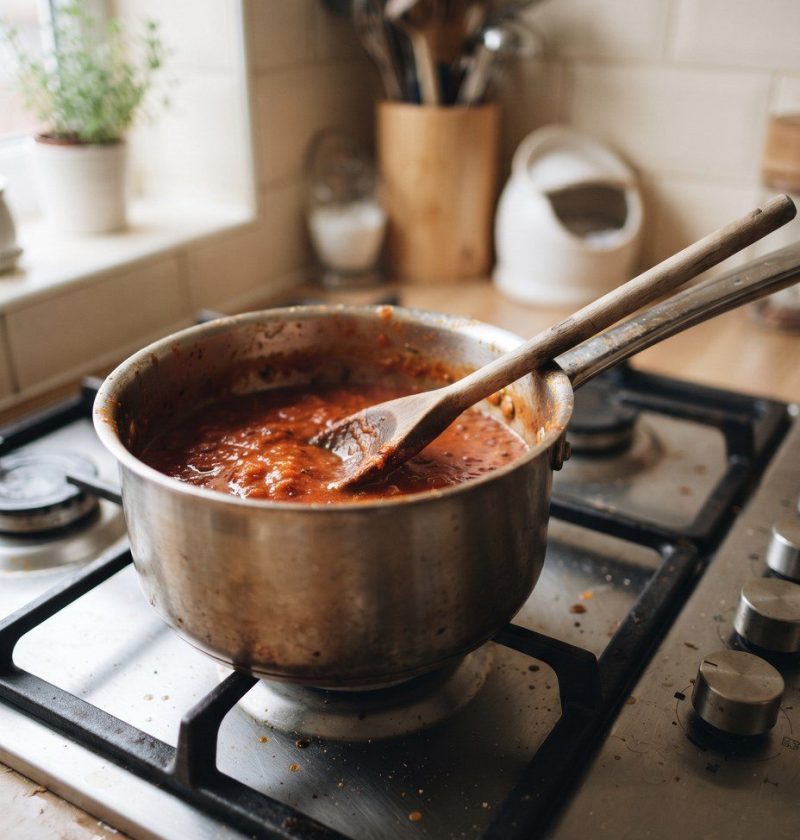
A wooden spoon hooked over the rim of a saucepan
Kitchen Tips & How-Tos

What the Notch on the Edge of a Wooden Spoon Is For

Some wooden spoons have a notch cut into one side of the handle, up near the top. Others have a flat cut across one edge of the bowl. I owned several for years and assumed they were decorative, or just where the wood had been shaped. Both have a job. The Notch in the Handle Is a Pot Rest The notch sits over the rim of a pot so the spoon hangs on the edge instead of sliding down into whatever you’re cooking. It’s the answer to the thing that happens to everyone — you leave the spoon in the …

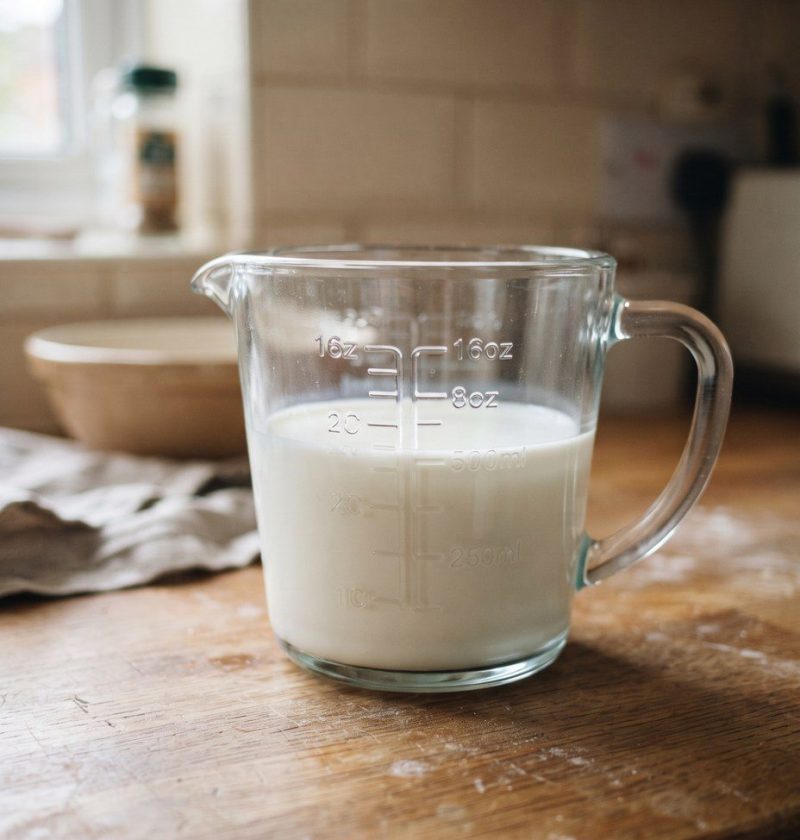
A glass measuring jug of milk showing its markings
Kitchen Tips & How-Tos

Why Your Measuring Cup Has an Empty Gap Above the Top Line

Look at a glass measuring jug. The highest marking — the 2 cup line, or 500ml — is not at the top. There’s an inch or so of empty glass above it. It looks like the manufacturer got the design wrong. They didn’t. That gap is the entire reason a glass jug is better than a plastic cup for wet ingredients. The Gap Is for Carrying Liquid sloshes. Fill a jug to the actual brim and the walk from the tap to the mixing bowl loses you a tablespoon on the counter every time. The headspace means you can fill …

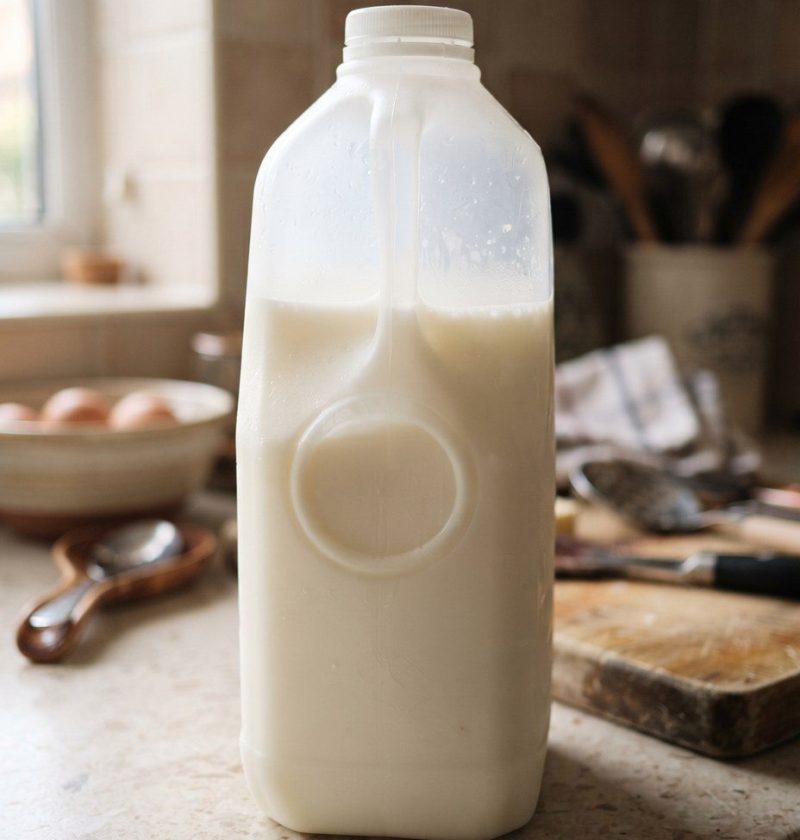
A plastic milk jug showing the circular panel in its side
Kitchen Tips & How-Tos

Why Milk Jugs Have That Round Dent in the Side

Pick up a plastic gallon jug of milk and you’ll find a circle pressed into one side, like a shallow dish set into the plastic. The story that goes round is that it pops out when the milk has gone off. It doesn’t. It never has. The real answer is more useful. It’s an Expansion Panel Milk moves. It gets cold, it gets warm, it gets knocked about in a crate on a lorry, and the pressure inside the jug changes with all of it. Thin plastic with no give in it would bulge, split at a seam, or push …

A tube of toothpaste on a bathroom sink beside a toothbrush
Kitchen Tips & How-Tos

What the Colored Stripe on a Toothpaste Tube Really Means

You’ve seen the post. A small colored rectangle on the crimped end of a toothpaste tube, and a chart telling you that green means all natural, blue means natural plus medicine, red means natural plus chemicals, and black means pure chemicals. It has been shared millions of times. It is completely false. Here’s what that mark actually is — and it’s a more interesting answer than the myth. It’s a Printer’s Mark The colored square is called an eye mark, or a color mark. It exists for a machine, not for you. Toothpaste tubes are printed and then filled and …