Showing 1,621 Result(s)
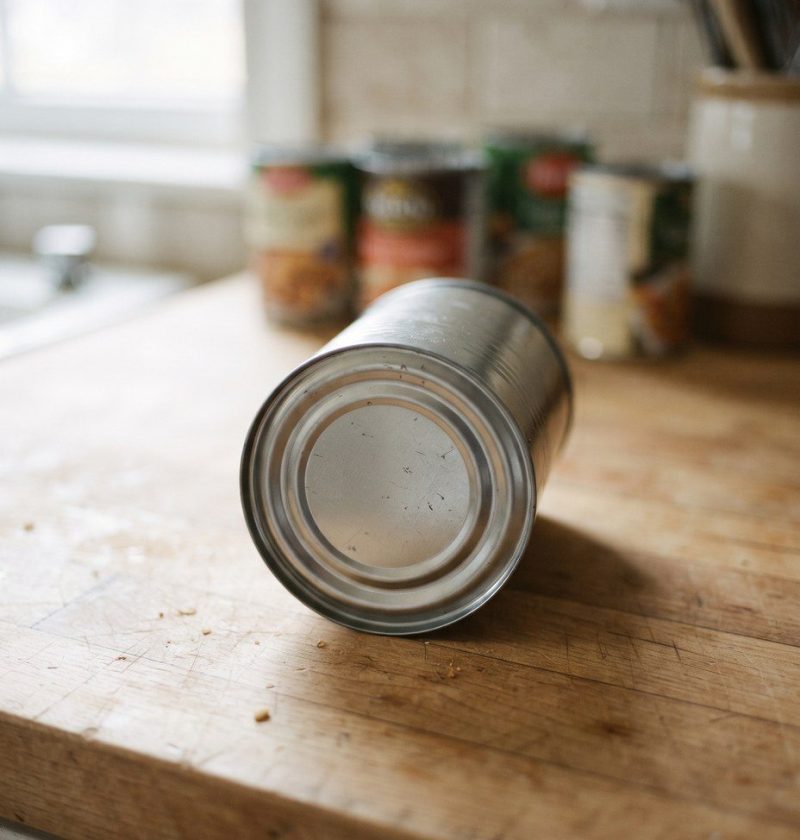
A food can on its side showing the domed base
Kitchen Tips & How-Tos

Why Some Cans Have a Dent in the Bottom

Run your hand over the bottom of a can of soup and you’ll feel it — a shallow dome pushed up into the middle, so the can actually sits on its rim rather than flat on its base. It looks like a manufacturing shortcut. It’s the opposite. It’s one of the most deliberate bits of design in your cupboard, and it’s also a safety signal. Why the Bottom Is Domed Canned food is heated inside the sealed can to sterilise it. Heating makes the contents expand; cooling makes them contract. The can has to survive that, twice, without splitting. A …
The bottom drawer of an oven standing open with trays inside
Kitchen Tips & How-Tos

Why Your Oven Has a Drawer at the Bottom (It’s Not for Pans)

Every oven I’ve ever owned has had a drawer underneath it. For about fifteen years I kept baking trays in mine. Then a plumber who was fixing something else entirely opened it, looked at me, and asked whether I knew what it was for. I did not. It Depends What Kind of Oven You Have There are two different drawers that look identical from the outside, and which one you’ve got changes everything. 1. A Warming Drawer On most modern electric ovens, that bottom drawer is a low-temperature warming compartment. It has its own gentle heat and it’s designed to …

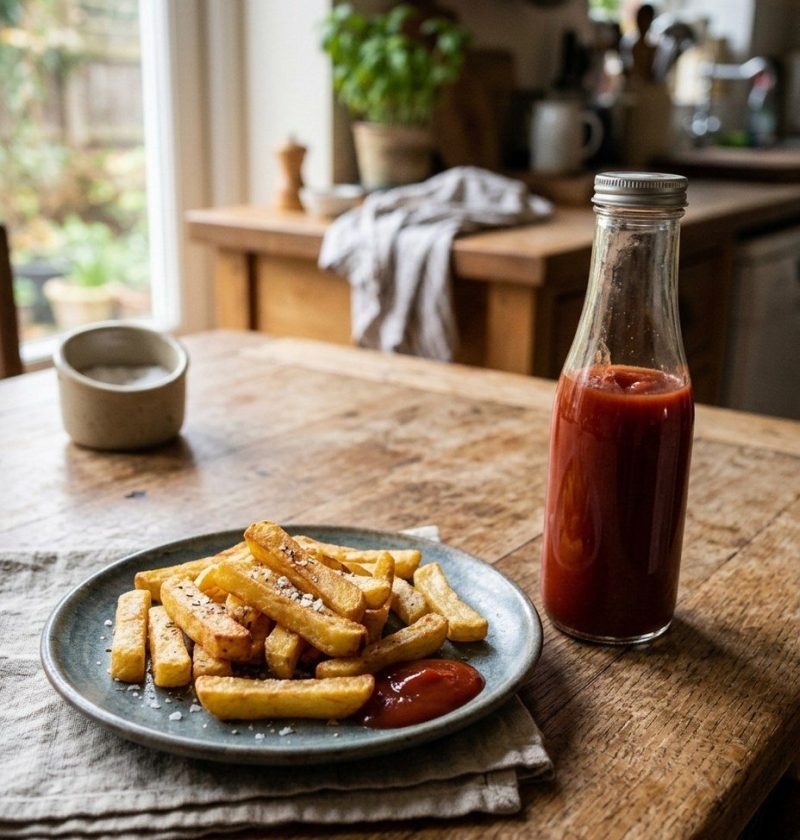
A glass ketchup bottle beside a plate of chips
Kitchen Tips & How-Tos

Why Ketchup Bottles Have a Number 57 on the Neck

There’s a raised number 57 on the neck of a glass Heinz ketchup bottle. Not on the label — molded into the glass itself, up near the shoulder. I’d seen it a thousand times and filed it as branding. It is branding. It’s also the single most useful thing on the bottle. Tap the 57 When the ketchup won’t come out, you’re supposed to tap firmly on that raised 57 at about a 45 degree angle. Not the base. Not the bottom of the upturned bottle, which is what most of us do and which does almost nothing. The 57 …

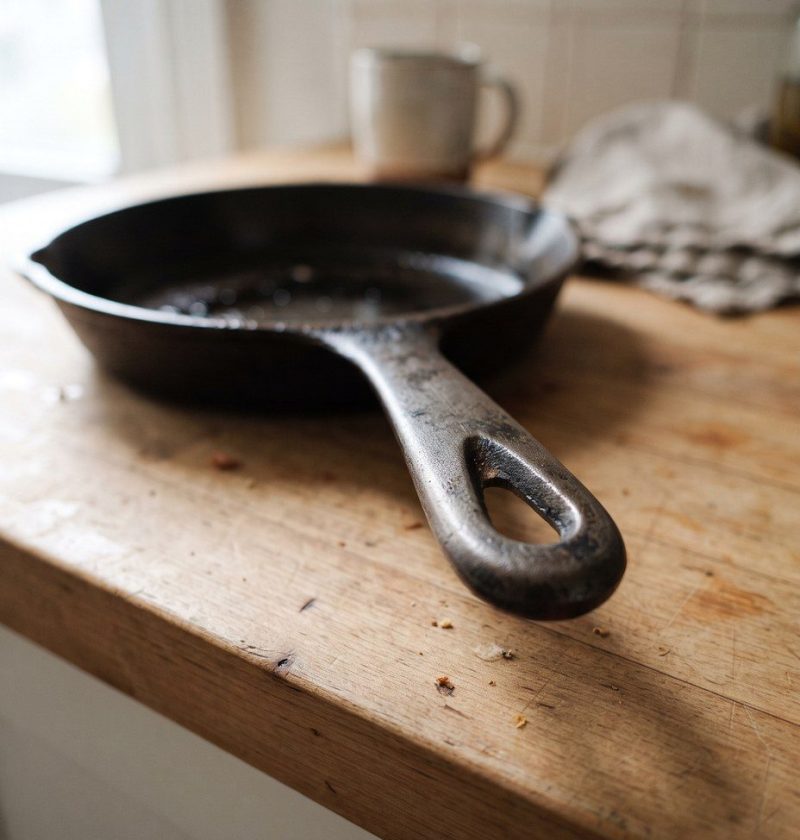
A frying pan handle with the hanging hole visible
Kitchen Tips & How-Tos

Why There’s a Hole in the Handle of Your Frying Pan

There’s a hole in the handle of almost every frying pan in my kitchen. I spent years assuming it was for hanging the pan on a hook — which it is, but only by accident. A chef I worked next to showed me the real use in about four seconds, and I’ve done it every day since. It’s a Spoon Rest Slide the handle of your wooden spoon or spatula down through the hole, and it sits there at an angle with the business end hanging over the pan. Every drip goes back into the food instead of onto your …

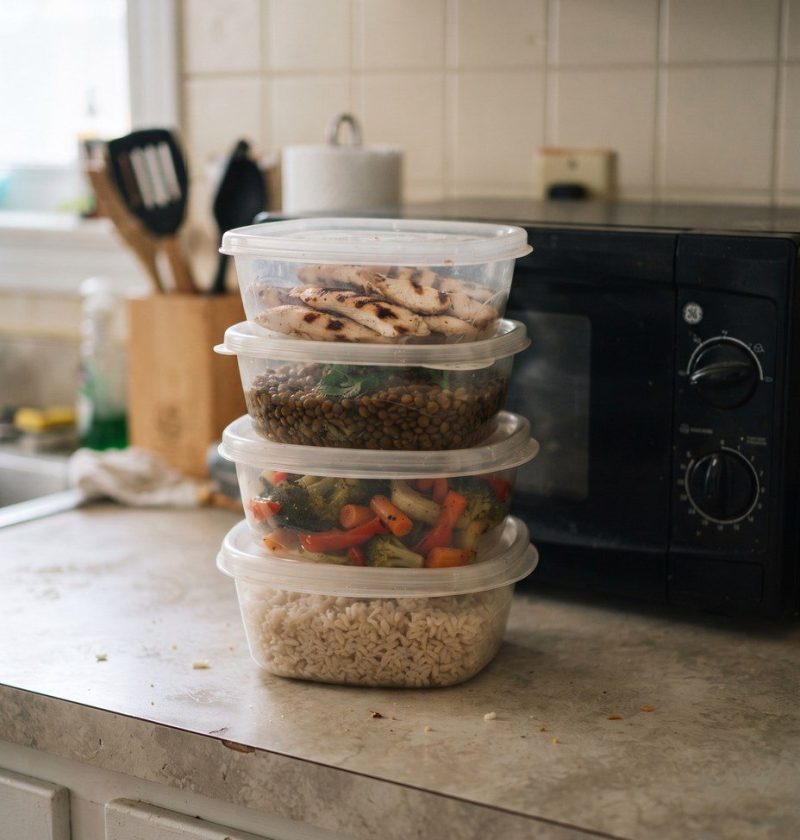
Stacked plastic food containers beside a microwave
Kitchen Tips & How-Tos

What the Numbers on the Bottom of Your Plastic Containers Mean

Turn over a plastic tub from your cupboard and you’ll find a little triangle of arrows with a number in the middle, usually somewhere between 1 and 7. Most of us read it as a recycling instruction. It is partly that. But the number is really telling you what the plastic is made of — and that matters a lot more for the ones you keep food in. What the Number Actually Is It’s a resin identification code. It says which plastic was used, which tells you how it behaves with heat, with oil, and over time. Here’s the short …

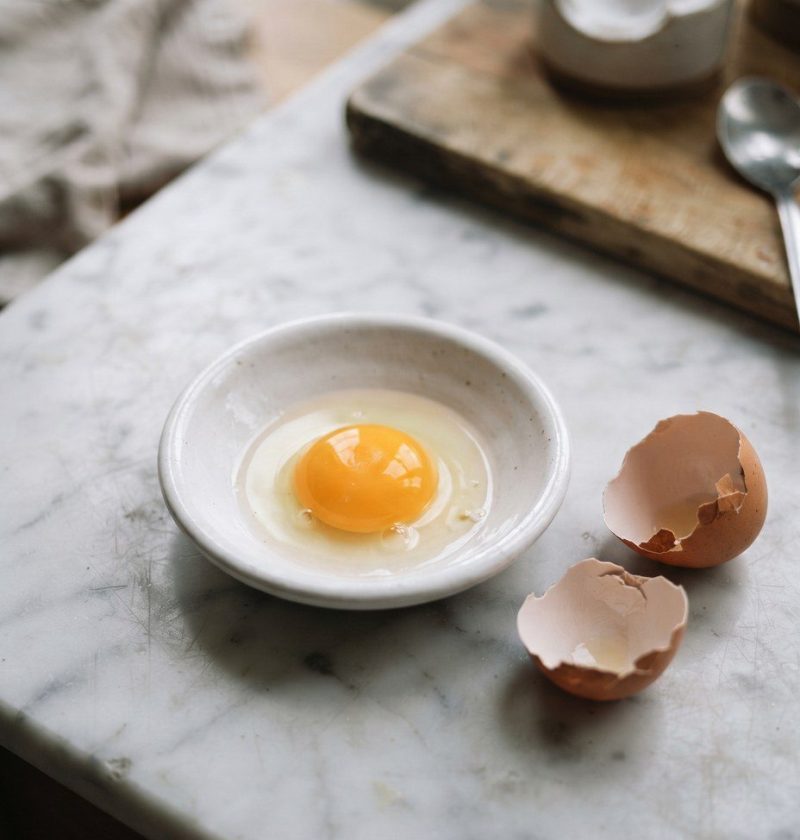
A raw egg yolk in a shallow white dish beside a cracked shell
Kitchen Tips & How-Tos

Why Some Eggs Have a Red Spot Inside

I cracked an egg into a bowl on a Sunday morning and there it was — a small red speck sitting on the yolk like a full stop. My first instinct was to throw the whole thing out. My mother-in-law’s first instinct, when I showed her, was to laugh at me. She was right. Here’s what that spot actually is. It’s a Blood Spot, and It’s Harmless Those little red or brown specks are blood spots — sometimes called meat spots when they’re browner. They happen when a tiny blood vessel in the hen’s ovary ruptures as the yolk is …

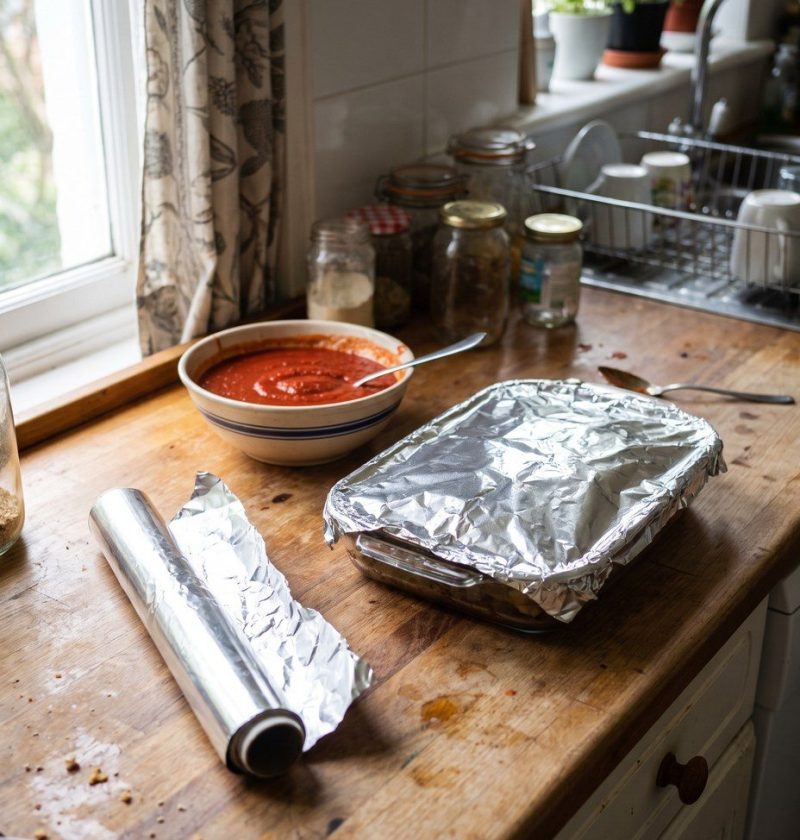
A roll of aluminium foil beside a covered dish and a bowl of tomato sauce
Kitchen Tips & How-Tos

5 Things You Should Never Wrap in Aluminum Foil

Foil is the thing I reach for without thinking. Cover the dish, line the tray, wrap the leftovers, done. Then I wrapped half a pan of lasagna in it, put it in the fridge, and opened it two days later to small gray holes in the foil and a metallic taste through the top layer. That sent me looking into it, and it turns out there are a handful of things foil genuinely doesn’t belong near. 1. Anything Acidic — Tomato, Citrus, Vinegar This is the one that got me. Acid reacts with aluminum. Leave tomato sauce, lemon, lime or …

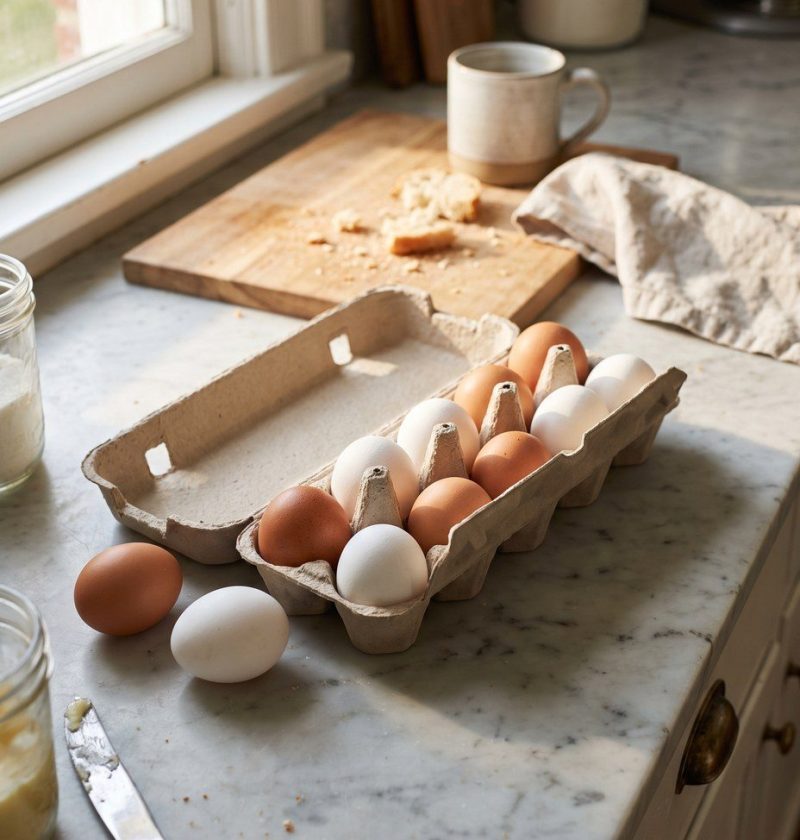
An open carton of brown and white eggs on a counter
Kitchen Tips & How-Tos

What the Numbers Stamped on Your Egg Carton Actually Mean

There’s a row of numbers stamped on the end of every carton of eggs in the shop. Most of us have never looked at it, and the ones who have assume it’s a batch code for the factory. One of those numbers tells you the exact day the eggs were packed. Not “best by” — packed. And it is very often a different answer from the date printed on the front. The Three-Digit Number Is a Date Look for a three-digit number between 001 and 365. That’s the Julian date — the day of the year the eggs went into …

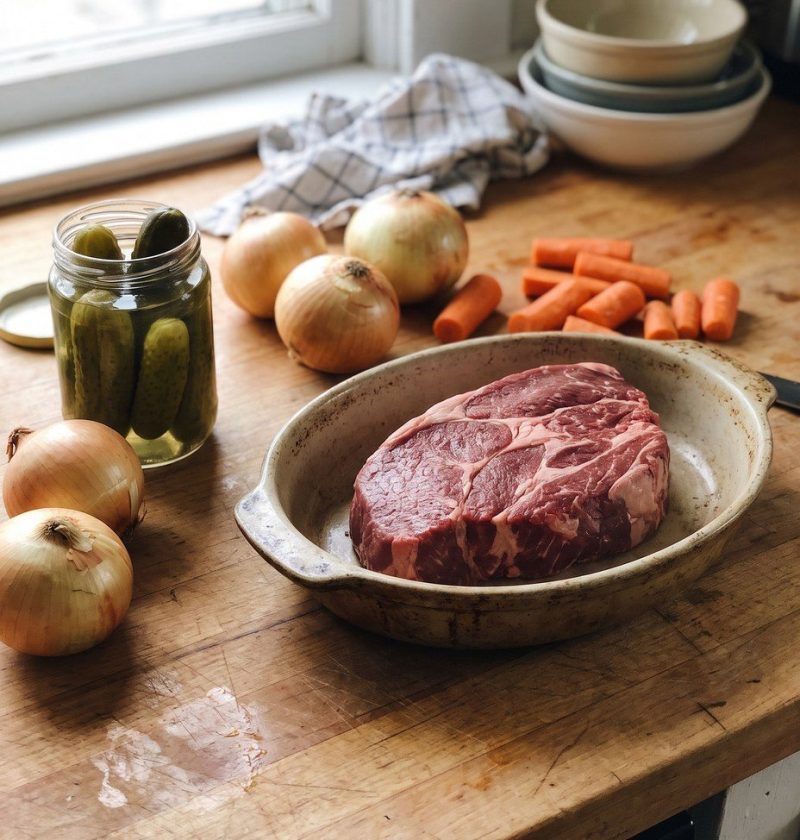
A raw beef chuck roast with onions, carrots and a jar of dill pickles
Kitchen Tips & How-Tos

I Poured Pickle Juice Over My Pot Roast. Here’s What It Did to the Meat.

The first time I did this I was out of beef broth and had a chuck roast already sitting in the pan. What I had was most of a jar of dill pickles and the juice they were swimming in. I poured in about half a cup, topped the rest up with water, and put the lid on expecting the worst. That roast is the reason my mother-in-law asked me for a recipe for the first time in eleven years. What Pickle Juice Actually Does to Meat Two things, and they’re both real. The acid loosens the meat. Pickle brine …

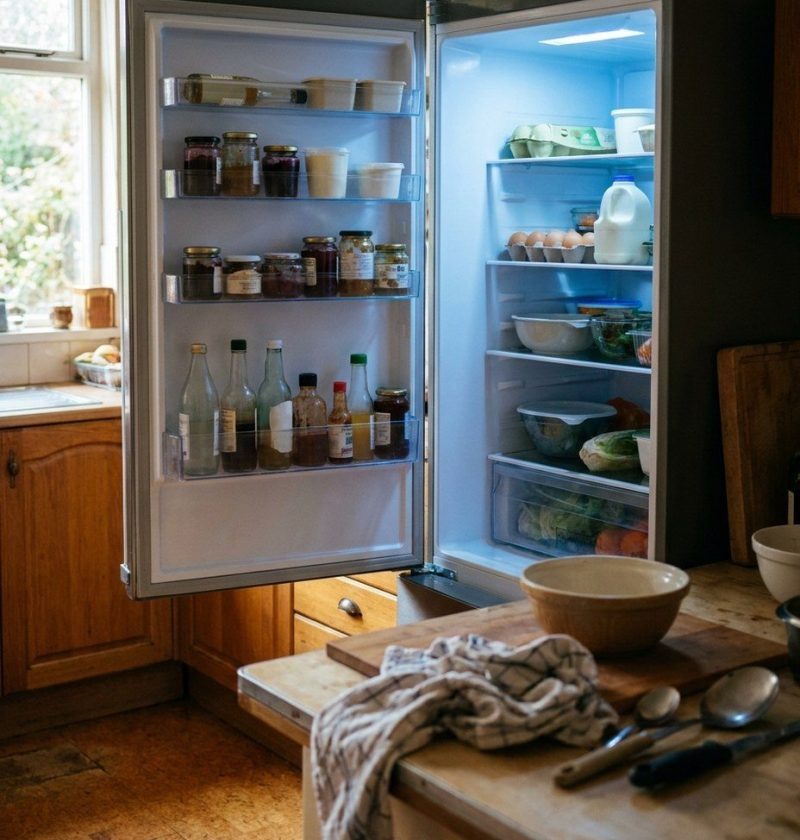
An open refrigerator with bottles and jars in the door shelves
Kitchen Tips & How-Tos

6 Things You Should Never Store in the Fridge Door

The fridge door is the most convenient shelf in the kitchen. It’s at eye level, it’s the first thing you touch, and everything on it is a single reach away. It is also the warmest part of the fridge, by a long way — and I’d put money on most of us keeping at least three of these things in it right now. Why the Door Is Different Every time you open the fridge, the door swings out into a room that’s around 70°F. The shelves inside barely notice. The door takes the full hit. Open a fridge ten or …