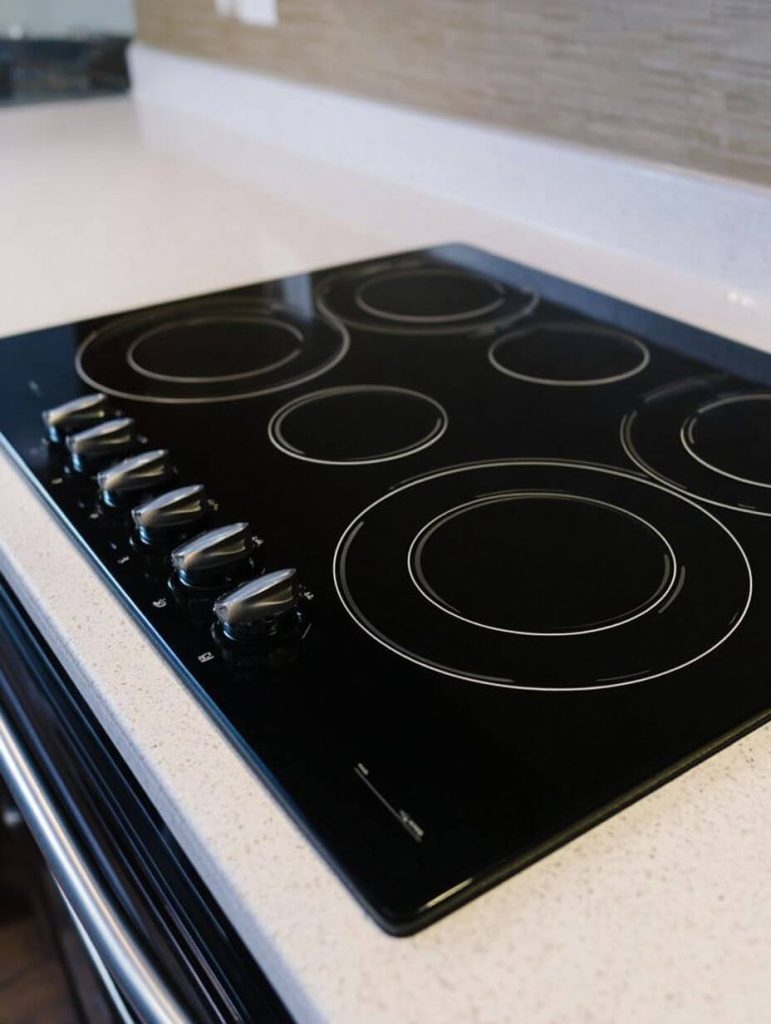
I still remember the first time I cooked on a glass stove top. I thought, oh, this is fancy — so sleek and shiny. Fast forward one week, and suddenly every little splatter of sauce, every crumb from my morning toast, and every bubble-over from pasta water had become a glaring reminder that shiny also means high-maintenance. Honestly, it felt like trying to keep a mirror spotless in a house full of kids and spaghetti night.
But here’s the thing: it doesn’t have to feel like a chore. With a few smart habits and one simple trick, you can keep your glass stove top looking fresh without spending half your evening scrubbing.
Why You’ll Love This Method
-
Gentle on your stove — no scratches, no dull finish.
-
Uses pantry staples you already have (baking soda + vinegar).
-
Quick, low-effort, and surprisingly satisfying.
-
Natural and safe — no harsh chemical smell taking over your kitchen.
A Few Notes on What Not to Do
Before we jump into the “how,” let’s talk about what not to do (because I’ve made these mistakes, and maybe you have too):
-
Skip the steel wool: it’ll scratch that pretty glass in no time.
-
Never clean while it’s hot: not only unsafe, but it bakes stains in deeper.
-
Don’t drown it in cleaner: too much liquid leaves streaks and can seep into seams.
-
Don’t wait until it’s a disaster: once stains harden, they’re so much harder to remove.
What You’ll Need
-
Baking soda
-
White vinegar
-
Spray bottle
-
Microfiber cloth or soft sponge
-
Razor blade scraper (optional, for those extra-stubborn spots)
-
Warm water
Step-by-Step Directions (The Part That Feels Like Magic)
-
Wait until it cools completely. Trust me, don’t skip this. Cleaning a warm stove only makes streaks worse.
-
Dust off the crumbs. A quick wipe with a dry microfiber cloth gets rid of loose debris so you’re not smearing it around.
-
Spritz with vinegar. Fill your spray bottle and give the whole surface a nice misting. Vinegar cuts grease like nothing else.
-
Sprinkle baking soda. A light snowstorm over the vinegar. The fizz is satisfying — like your stove is doing the work for you.
-
Let it rest. Walk away for 15 minutes. Make a cup of tea. The mixture is breaking down stains while you relax.
-
Wipe it away. Come back with a damp microfiber cloth and gently wipe in circles. You’ll be surprised how easily everything lifts.
-
For the stubborn stuff. Angle a razor blade scraper almost flat and gently lift stuck-on bits. No digging, just a light nudge.
-
The final touch. Wipe again with clean warm water, then buff dry with a fresh cloth. Hello, sparkle.
Variations & Little Extras
-
Add a drop of dish soap to the vinegar if you’re tackling really greasy messes.
-
Lemon juice works in a pinch if you’re out of vinegar.
-
A stove top protector mat can save you from constant touch-ups.
Storage & Maintenance Tips
Not exactly “storage” — but you’ll thank yourself for these habits:
-
Wipe spills as soon as the stove cools (no more concrete-like stains).
-
Do a quick vinegar spritz once a week even if it looks clean — it keeps that glossy shine.
-
Keep a microfiber cloth tucked in a nearby drawer; you’ll reach for it more often if it’s right there.
A Little Goodbye Note
Keeping a glass stove top spotless doesn’t have to feel like a losing battle. With this baking soda + vinegar hack, it’s more like a quick reset button after cooking. And really, isn’t it nice to walk into your kitchen the next morning and see a shiny stove smiling back at you?
If you give this a try, I’d love to know — did it work as easily for you as it does for me? Drop a comment, or share your own cleaning trick (because I know every kitchen has its secrets).