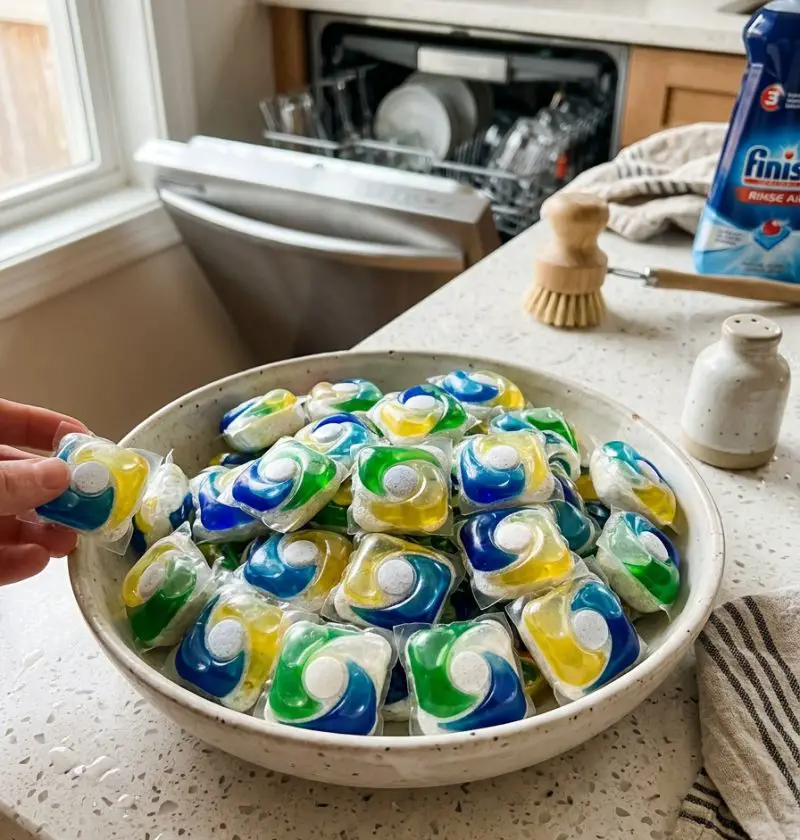
You probably toss a dishwasher pod into the machine without thinking twice about it. It’s just… part of the routine. Load, drop, close, done. But here’s the thing—those little pods are kind of overachievers. They’re packed with grease fighters, enzymes, and cleaning agents strong enough to handle dried lasagna stuck to a pan. So it makes sense (when you stop and think about it) that they can do a lot more than just clean plates. Honestly, once you try a couple of these, it’s hard to go back. So why do they work so well? Let me explain—without getting too …
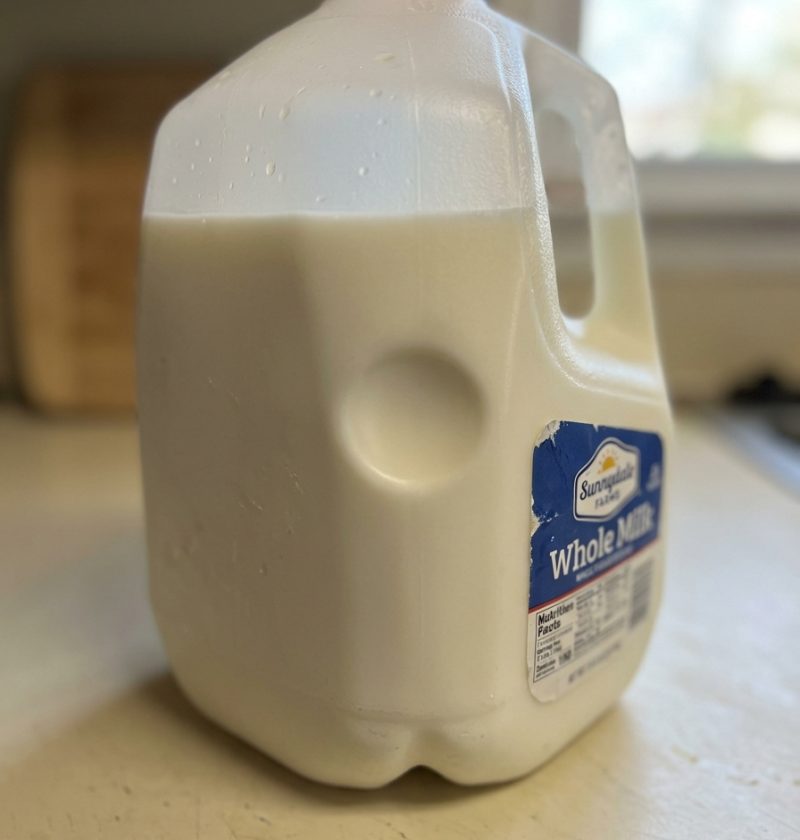
You’ve probably seen it a thousand times—maybe even this morning. You grab a gallon of milk, pour it into your coffee or cereal, and there it is… that odd little circle pushed into the side of the jug. Not big. Not dramatic. Just… there. And most of us never question it. Honestly, it’s one of those everyday details that fades into the background, like the hum of a fridge or the way your kitchen light flickers for half a second before settling in. But here’s the thing—this small dent? It’s doing a lot more work than it gets credit for. …
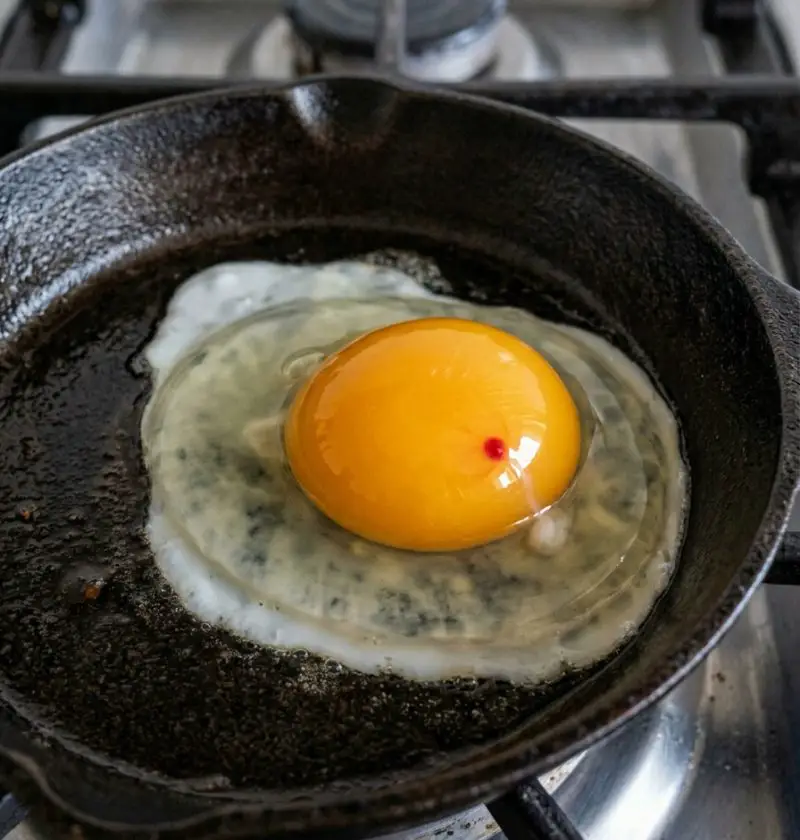
You crack an egg into a bowl—maybe you’re half-awake, thinking about coffee—and then you pause. Wait… what’s that? A tiny red dot. Floating there like it has no business being in your breakfast. If you’ve ever had that moment (and most people have at least once), your brain probably ran through a quick checklist:Is this bad? Is it spoiled? Should I throw the whole thing out? Honestly, it looks worse than it is. Way worse. Let me explain. That “Gross” Red Spot? It’s Actually Pretty Ordinary That little red speck has a name: a blood spot. And despite how it …
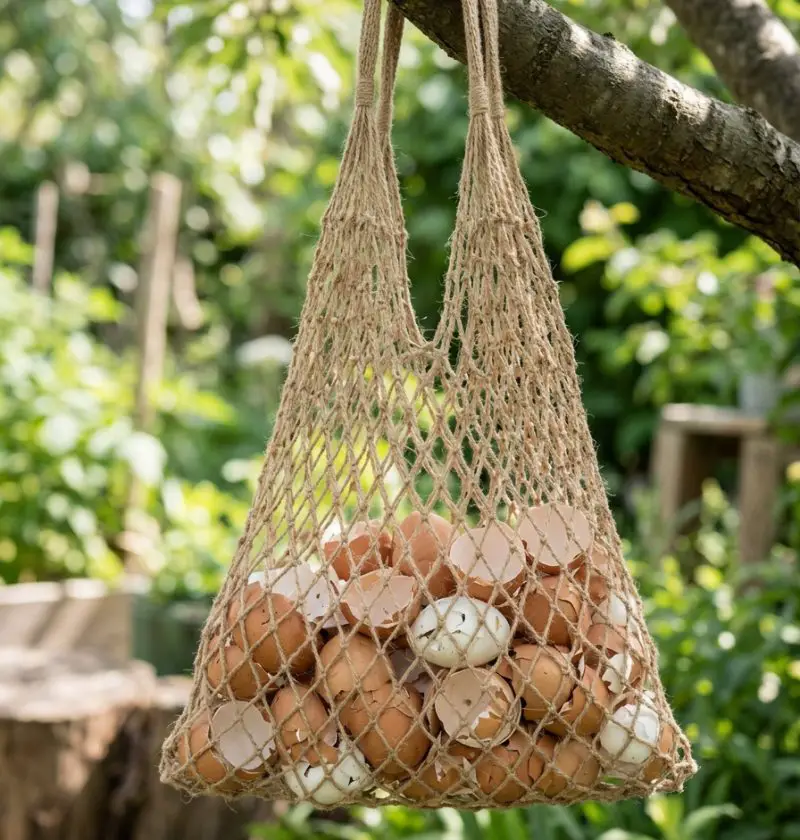
You ever crack a few eggs in the morning, toss the shells in the trash, and not think twice about it? Yeah, same. It’s one of those automatic kitchen habits—crack, cook, toss, move on. But here’s the thing… those fragile little shells? They’re doing way more than just holding your breakfast together. Lately, more home gardeners—especially the ones who swear by simple, no-fuss methods—have been quietly bringing eggshells back into the spotlight. Not in a complicated way. Not in a “turn your backyard into a science lab” kind of way. Just… a mesh bag. Hanging in the garden. Sounds almost …
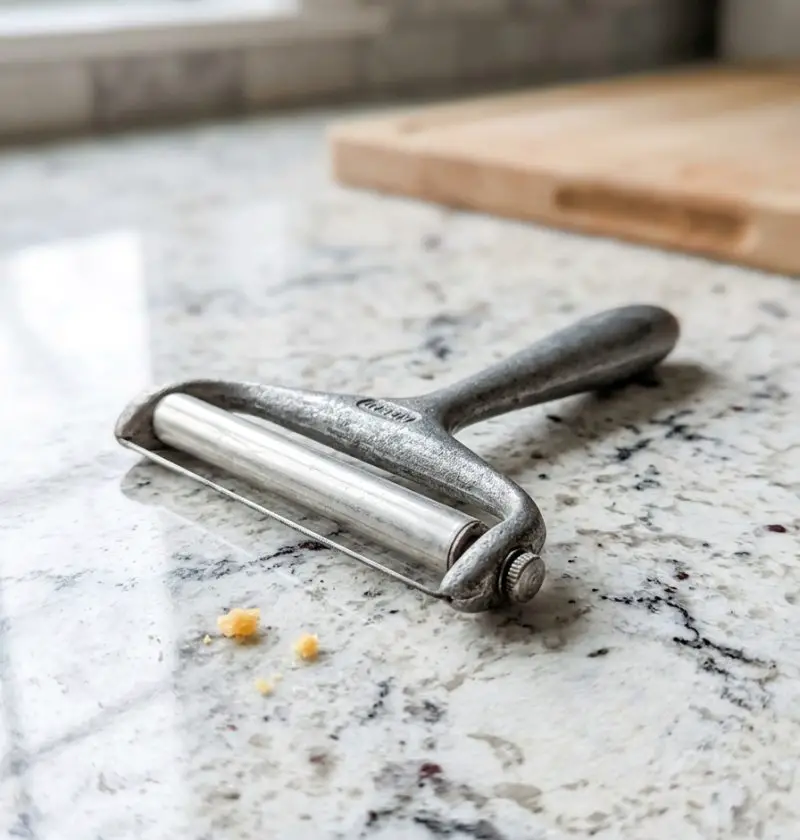
Walk into any modern kitchen and you’ll see it—sleek gadgets, digital scales, appliances that practically think for you. And yet… sometimes it’s the simplest, oldest tools that stop you in your tracks. Take the Vintage Presto Aluminum Cheese Slicer. At first glance, it doesn’t look like much. No buttons, no bells, no flashy promise of “perfect results every time.” Just a solid piece of aluminum and a thin wire stretched across it. But here’s the thing—people pick it up, turn it over, and wonder… how does something this simple feel so right? It’s a bit of a mystery. And honestly, …
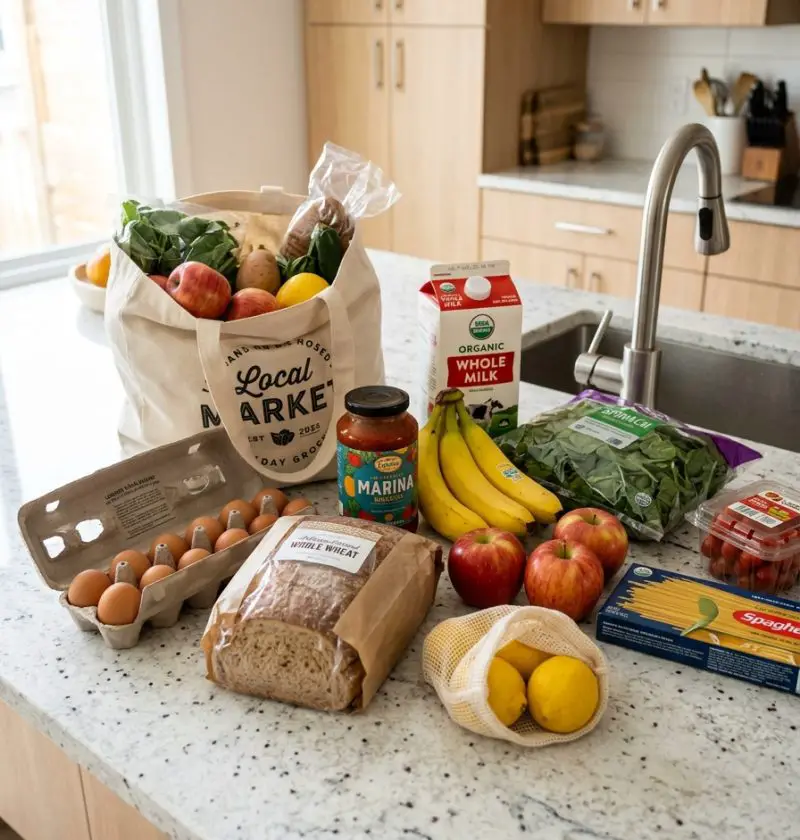
Let’s be honest—grocery bills have gotten a little out of control lately. You walk into the store for “just a few things,” and somehow walk out 50$ poorer with bags that don’t even feel that full. Sound familiar? The good news? You don’t have to give up good food or variety to spend less. With a few small shifts—nothing extreme—you can cut your grocery bill in a way that actually feels sustainable. Here’s what really works. Start With a Budget (Even a Loose One Helps) I know—“make a budget” sounds like the least exciting advice ever. But here’s the thing: …
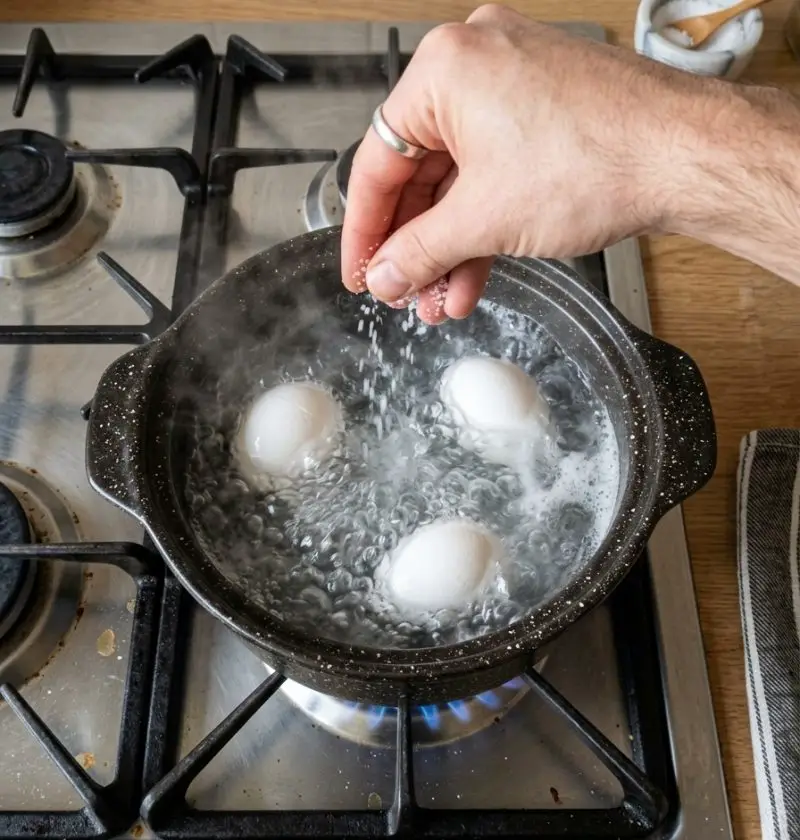
It started with something small. I was at a friend’s house—nothing fancy, just one of those slow weekend brunches where coffee keeps getting refilled and nobody’s in a rush. She was making boiled eggs, chatting away, and without thinking twice, she tossed a pinch of salt into the pot before the water even heated up. I noticed. Of course I noticed. And I had that moment—you know the one—“Wait… have I been doing this wrong my whole life?” Because honestly, boiling eggs feels like the simplest thing in the kitchen… until it isn’t. Boiling Eggs Should Be Easy… So Why …
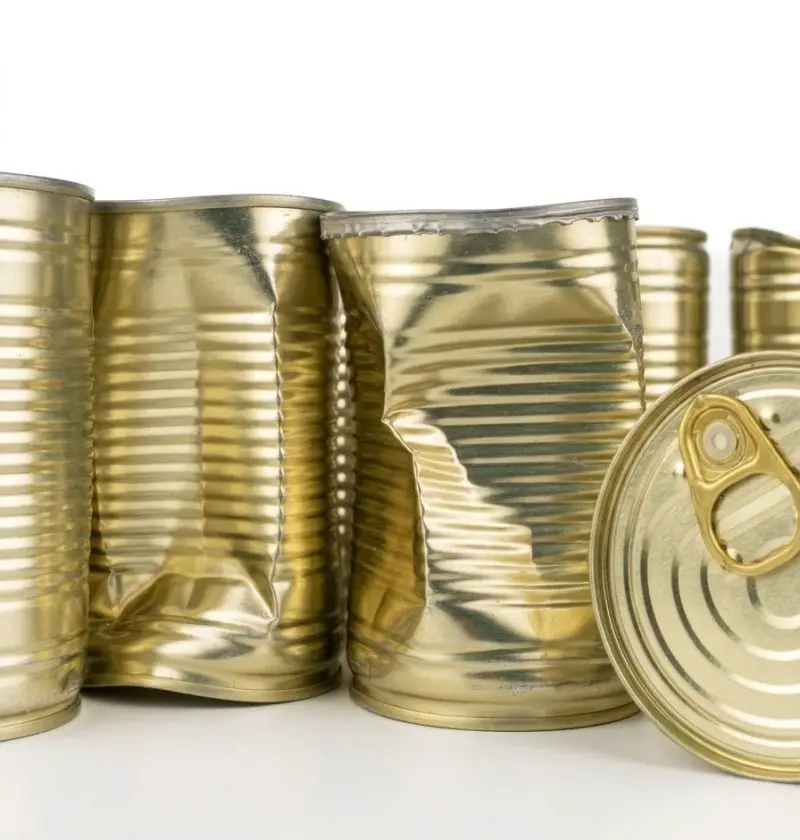
You’ve probably stood there holding a dented can, turning it in your hand like it might reveal its secrets if you look closely enough. Maybe your instinct says, “Throw it out.”Maybe someone in your house—like my dad—shrugs and says, “It’s fine. It’s just a dent.” So which is it? The truth sits somewhere in the middle. Not every dent is dangerous… but not every dent is harmless either. And knowing the difference? That’s what matters. Let’s break it down in a way that actually makes sense. So… What Does a Dent Really Do to a Can? At first glance, a …
You’ve probably held a soda bottle a thousand times without really seeing it. The label? Sure. The color? Maybe. But those subtle spiral ridges wrapping around the bottle? Easy to ignore. And yet—those little swirls are doing a lot more work than you’d expect. They’re not decorative. Not random. Not even optional, really. They’re engineered. Let me explain. That “Swirl” You Never Think About… Until You Do Take a standard plastic soda bottle and run your fingers along the side. You’ll feel it immediately—those raised grooves, almost like a soft spiral or a set of waves. At first glance, they …
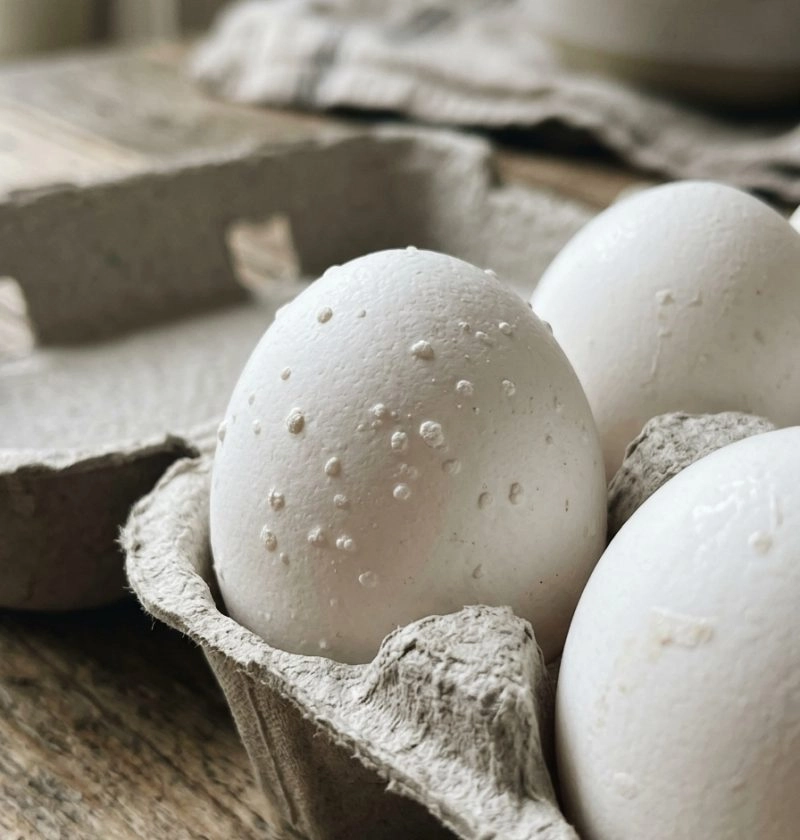
You crack open an egg expecting that clean, smooth shell—simple, reliable, kind of reassuring. And then… you notice it. Tiny rough bumps. Chalky. Uneven. Almost like someone sprinkled grit onto the shell while it was still wet. If you keep chickens, this moment is surprisingly common. Still, it can feel a little unsettling. Did something go wrong? Is it safe? Is your hen trying to tell you something? Here’s the thing: eggshells are more like a report card than we realize. They quietly reflect what’s happening inside your hen’s body—her diet, her stress levels, even her age. So when the …