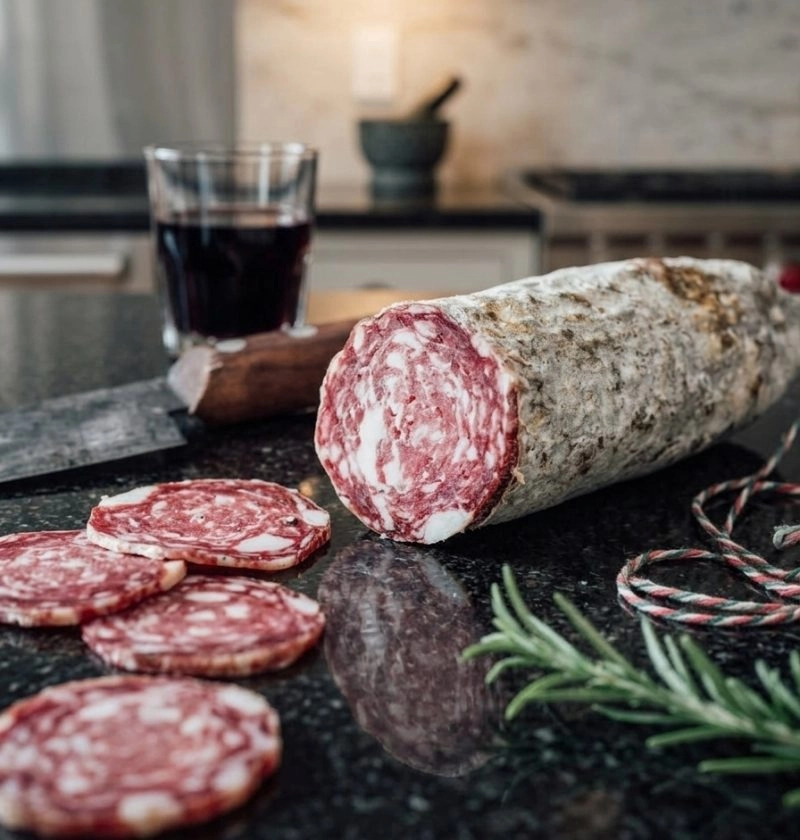
You get home, set the bag down, unwrap that beautiful, slightly pricey salami… and then pause. There it is. A faint, chalky white coating clinging to the surface. Not exactly what you pictured when you imagined your first bite, right? Your instinct might be to rinse it, scrub it, maybe even question if it’s gone bad. But here’s the thing—what looks suspicious at first glance is often a quiet signal that your salami is actually the real deal. Let me explain. So… what is that white powder? Most of the time, that powdery layer is either a beneficial mold or …
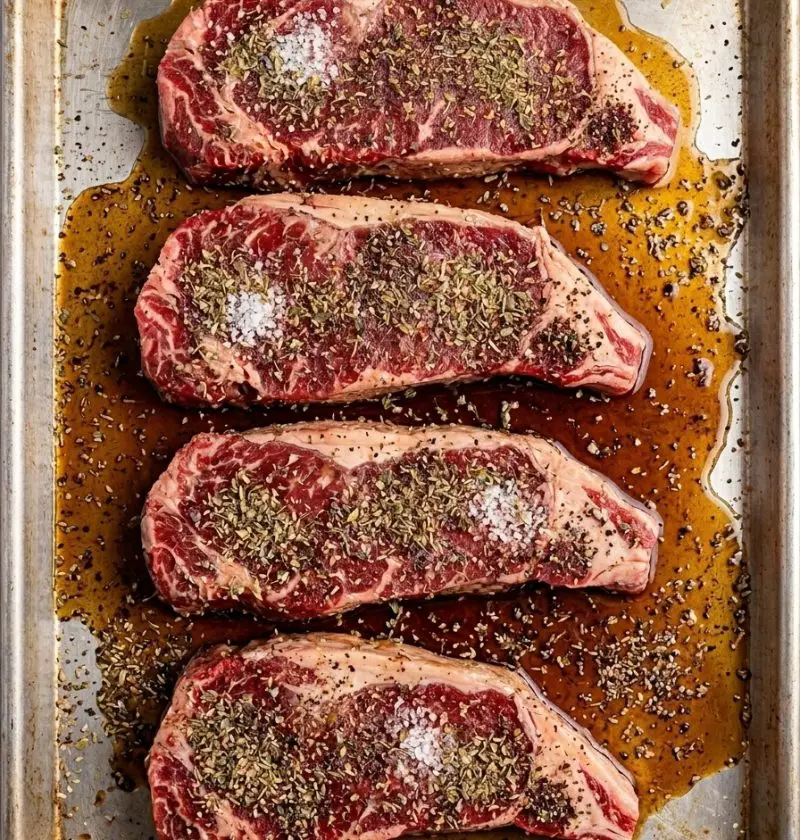
There’s always one person in the family who does this. You know the one. They’ll marinate a big cut of meat, cover it loosely, and then—without a second thought—leave it out somewhere cold. Maybe the garage. Maybe a back porch. Somewhere that “feels like a fridge.” And when you question it? “It’s winter. It’s basically refrigerated.” Honestly… I’ve heard that more than once. But here’s the thing—cold air and controlled cold are not the same thing. Not even close. The Logic Kind of Makes Sense (At First) If it’s freezing outside, or close to it, using the garage like a …
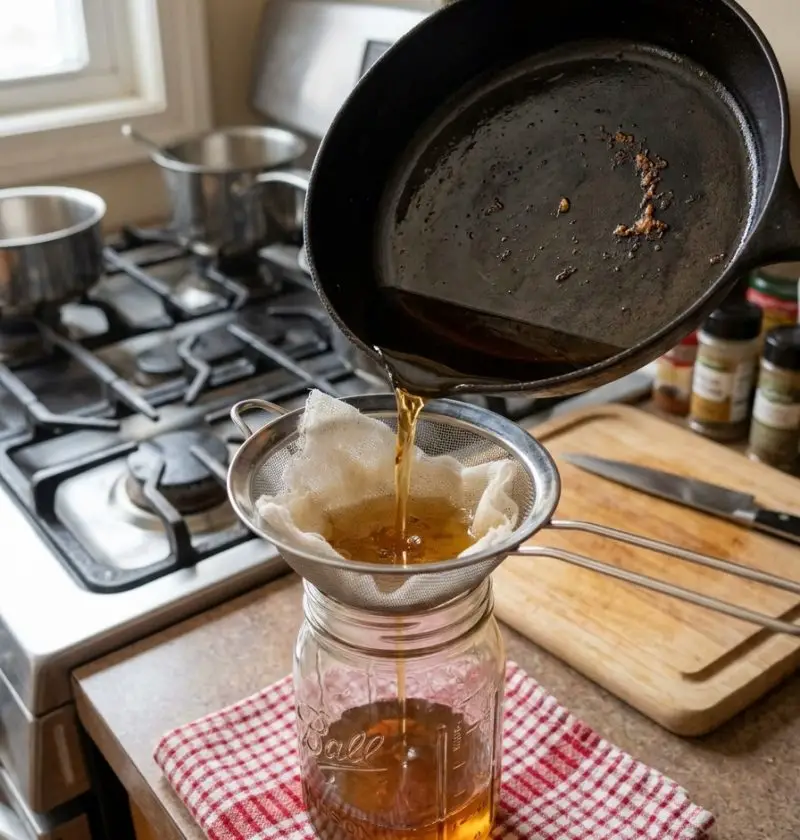
There’s usually that one moment after frying something—maybe fries, maybe chicken—where you look at the pot and think… That’s a lot of oil. And then the question comes up: Do I throw this out… or can I use it again? If you’ve ever had that debate (sometimes with yourself, sometimes with someone else in the house), you already know—people feel strongly about this. Some swear reused oil makes food taste better. Others won’t touch it twice. So what’s actually going on here? Let’s talk it through in a way that makes sense—not just the science, but what it looks like …
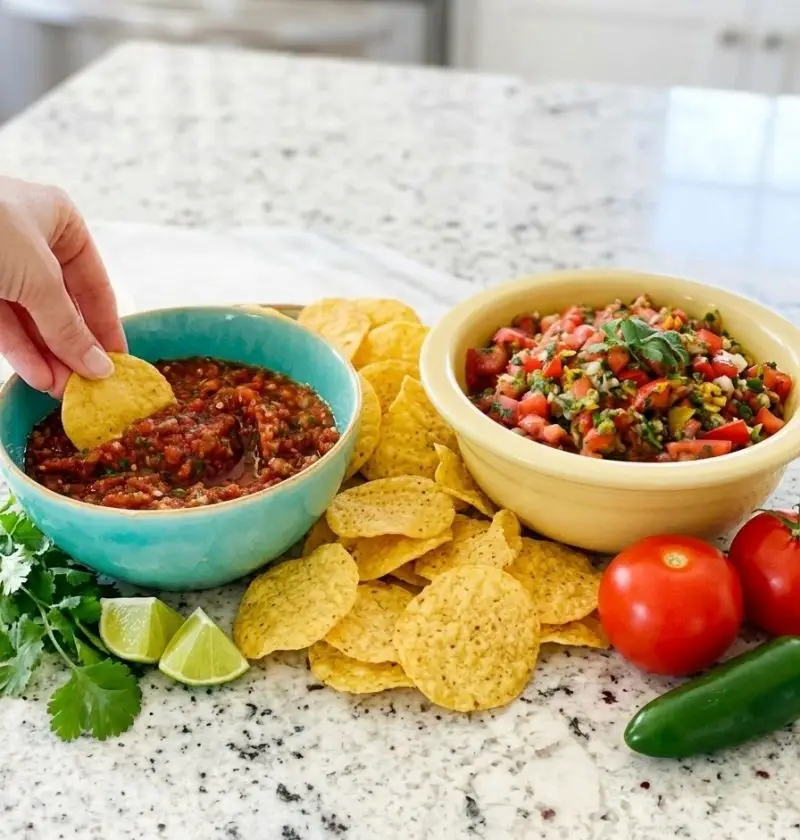
You ever scoop something with a tortilla chip, taste it, and think—“Wait… is this pico or salsa?” Yeah, same. They sit next to each other on menus. They look almost identical at a glance. Tomatoes, onions, cilantro—it’s all there. So it’s easy to assume they’re basically the same thing with two different names. They’re not. And once you notice the difference, you really notice it. It Starts with a Simple Difference (But It Changes Everything) Here’s the easiest way to think about it: Pico de gallo is fresh and chopped.Salsa is usually blended or cooked. That’s it. That’s the core …
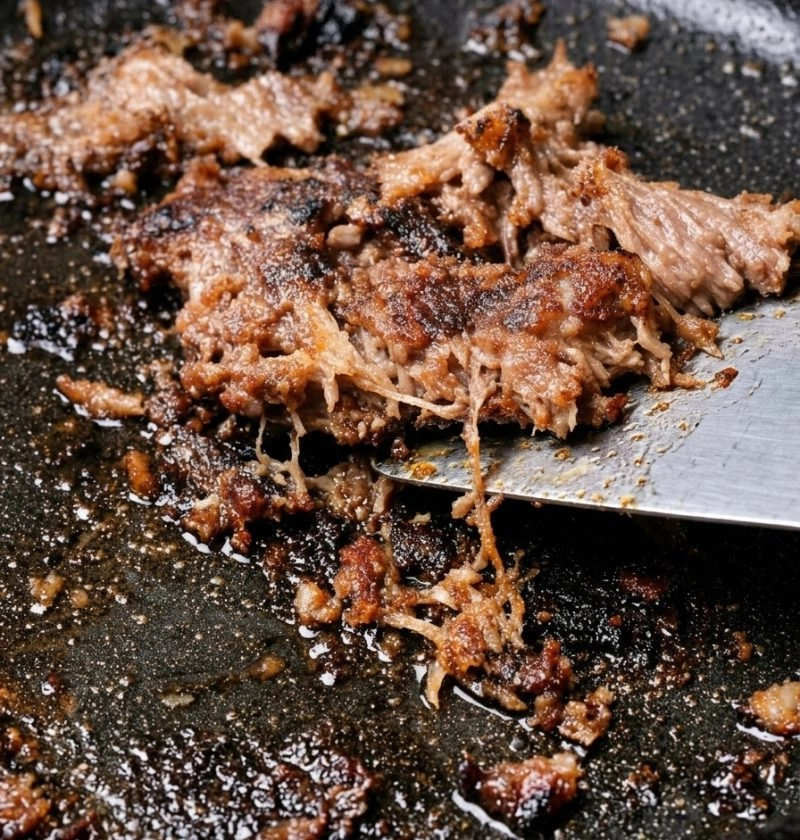
You’d think this would be simple. Hot pan, a little oil, meat goes in… done. But somehow, instead of that beautiful golden crust, you get a mess. The meat clings to the pan like it has something to prove, tears when you try to flip it, and suddenly dinner feels a lot more stressful than it should. If you’ve ever stood there scraping bits off a skillet thinking what did I do wrong this time? — you’re not alone. The annoying part? It’s usually not one big mistake. It’s a bunch of small things that quietly stack up. Let’s walk …
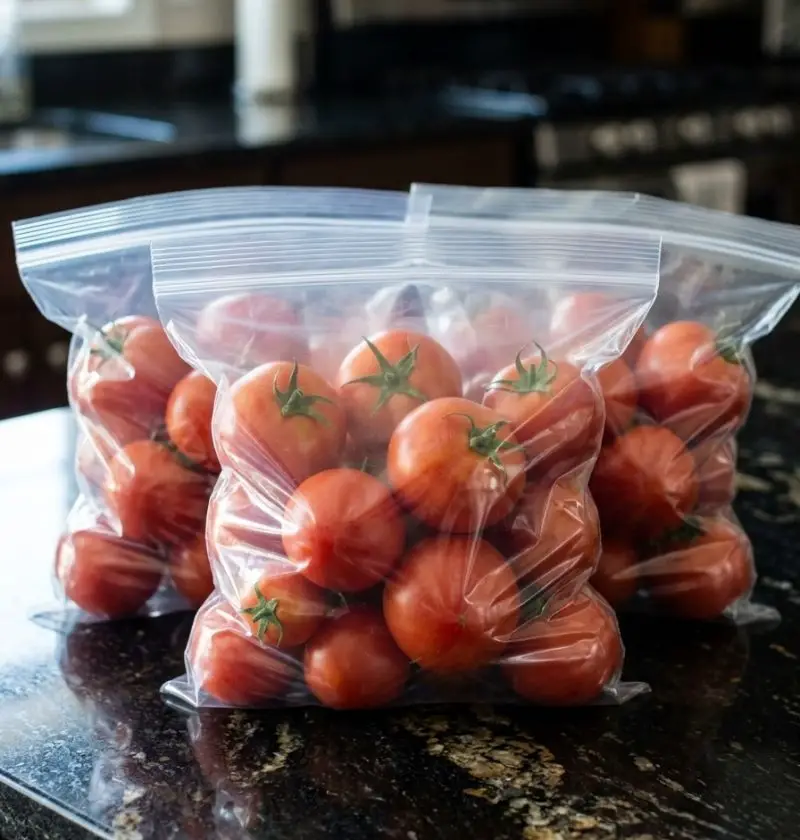
Tomatoes are one of those ingredients you think you’ll use quickly… until suddenly they’re sitting there, a little too soft, a little too wrinkled, and you’re debating whether they’re still okay. It happens all the time. You buy a few for salads, maybe sandwiches, maybe a sauce later in the week—and then life gets in the way. A couple days pass. Then a few more. And now you’re inspecting tomatoes like they’re a science experiment. The frustrating part? Tomatoes don’t actually need to go bad that fast. With a few small tweaks—nothing complicated, nothing fussy—you can stretch their life out …
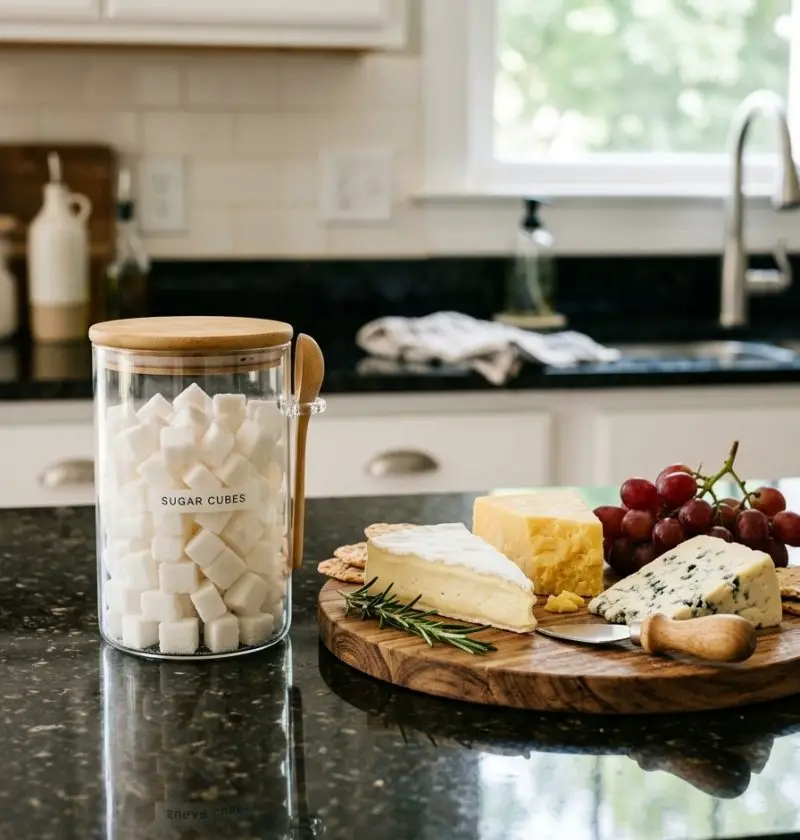
A couple weeks ago, I did something that felt… slightly ridiculous, if I’m being honest. I put two sugar cubes in a container with a block of cheese and just left it there. No big reason. Just curiosity. I’d heard somewhere—one of those random kitchen tips that float around—that sugar can absorb moisture and maybe help keep cheese from going bad too quickly. It sounded half-scientific, half like something your aunt swears by but can’t quite explain. Still, it stuck with me. So I figured—why not try it? The Thought Process (or, Why I Even Tried This) The idea is …
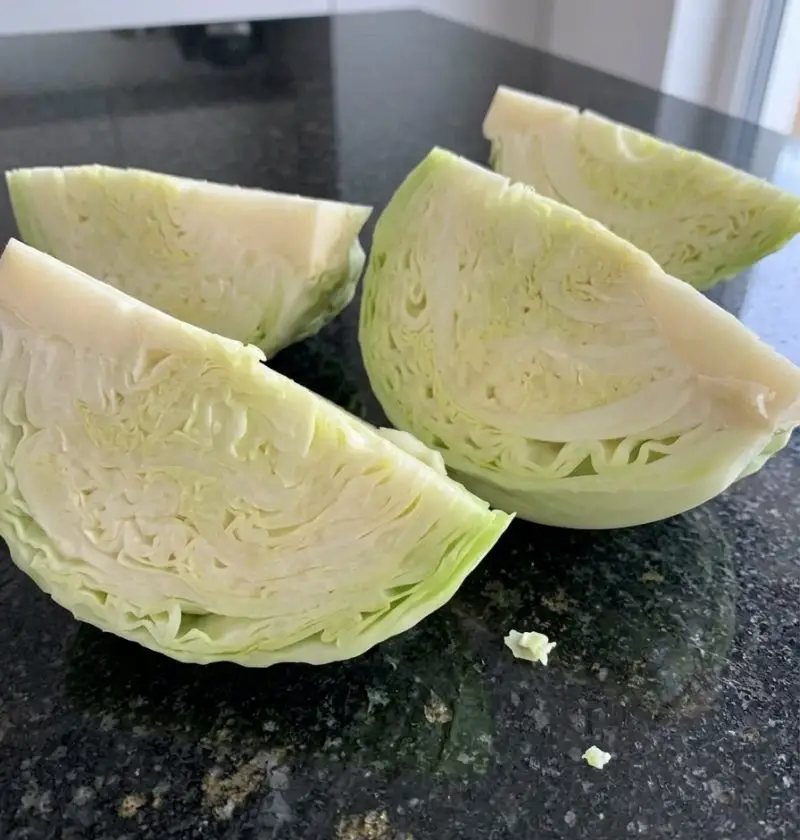
I didn’t plan to freeze a cabbage. It just sort of happened. I had one sitting in the fridge for a few days—one of those impulse buys where you know you’ll make cabbage rolls, but then life gets in the way and suddenly it’s just… there, taking up space. And I kept putting off making them because, if you’ve ever done it, you know the annoying part isn’t the filling—it’s the cabbage itself. Boiling it, peeling it, trying not to tear the leaves, dealing with that big pot of hot water… It’s not hard, exactly. Just a little tedious. Then …
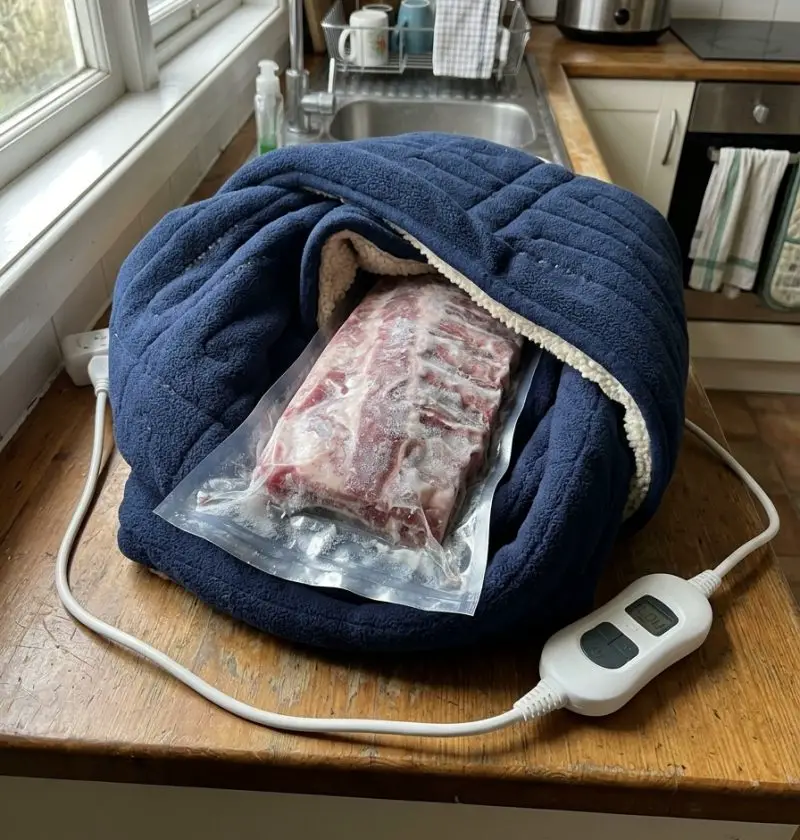
There’s always that one kitchen trick that makes you stop and go—“Wait… is that genius or a terrible idea?” This one definitely falls into that category. A grandpa—somewhere, probably just trying to get dinner moving faster—wrapped a rack of frozen ribs in an electric blanket to thaw them. No sink, no waiting overnight, no planning ahead. Just plug it in and let it warm up. And honestly? At first glance, it kind of makes sense. But also… it doesn’t. So let’s talk about it—because this is one of those situations where something feels clever, but might quietly be working against …
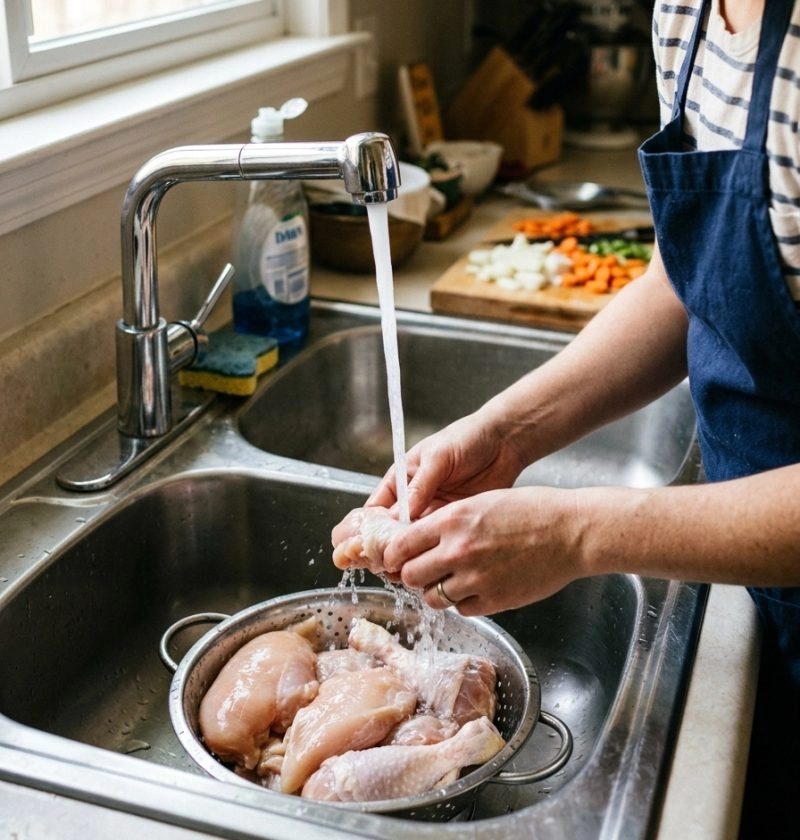
There’s this moment that happens in a lot of kitchens—maybe yours too. You take raw chicken or a steak out of the package, hold it over the sink, and pause for a second. Do I rinse this… or just cook it? For some people, there’s no hesitation. You rinse. Always. It’s just how it’s done. Maybe your mom did it, maybe your grandmother did it, and honestly, it feels a little wrong not to. But then you hear the opposite. Loudly.“Don’t wash meat.”“It spreads bacteria.”“Never do that.” So now what? Because both sides sound pretty confident. Let’s sort it out—but …