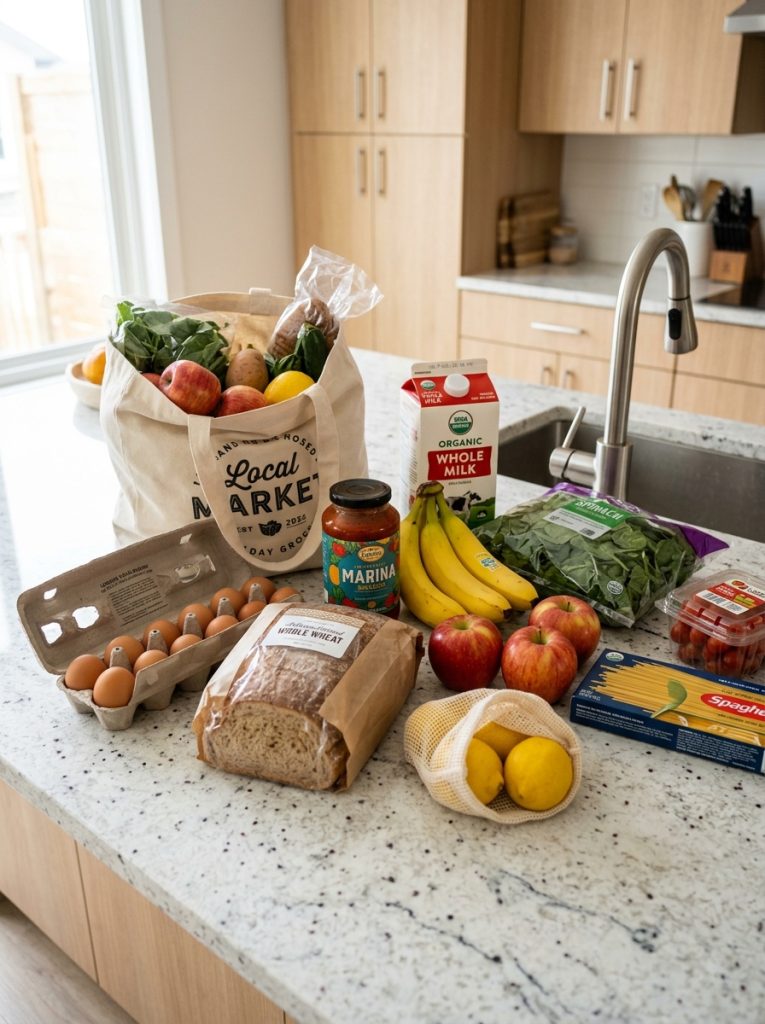
Let’s be honest—grocery bills have gotten a little out of control lately. You walk into the store for “just a few things,” and somehow walk out 50$ poorer with bags that don’t even feel that full. Sound familiar?
The good news? You don’t have to give up good food or variety to spend less. With a few small shifts—nothing extreme—you can cut your grocery bill in a way that actually feels sustainable.
Here’s what really works.
Start With a Budget (Even a Loose One Helps)
I know—“make a budget” sounds like the least exciting advice ever. But here’s the thing: if you don’t have a rough number in your head, it’s way too easy to overspend without noticing.
You don’t need a complicated spreadsheet. Just decide what feels reasonable for your household each month, then keep a casual eye on it.
Honestly, even checking your total once a week can change how you shop. You start noticing patterns—like how those “small extras” quietly add up.
Meal Planning… But Keep It Real
Meal planning gets a lot of hype—and yes, it works—but only if you do it in a way that fits your life.
Instead of planning every single meal perfectly, try this:
- Pick 3–4 main meals for the week
- Leave space for leftovers or simple fallback meals
- Repeat ingredients across recipes
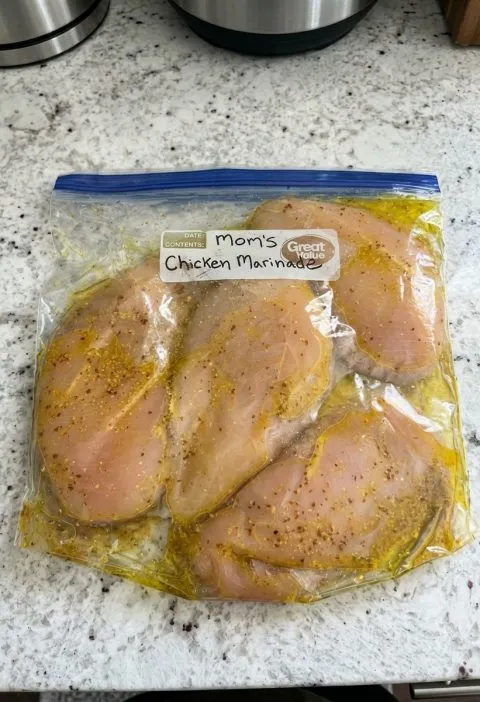
For example, if you buy chicken, use it in two different meals. Same with veggies. It saves money without making you feel like you’re eating the same dish over and over.
And here’s a small truth: planning reduces stress just as much as it saves money. You’re not standing in the kitchen at 7pm wondering what to cook.
A Shopping List Is Your Quiet Superpower
It sounds simple because it is—but it works.
Going into a store without a list is like shopping on autopilot. Everything looks useful. Everything somehow ends up in your cart.
A list keeps you grounded. It’s like a little voice saying, “You came here for a reason.”
Quick tip:
Check your fridge and pantry before writing it. You’ll avoid buying duplicates—which happens more often than we like to admit.
The Garden Idea (Even If You Don’t Have a Garden)
Growing your own food sounds like a big commitment, right? But it doesn’t have to be.
If you’ve got a yard, great—planting basics like tomatoes, zucchini, or herbs can genuinely cut your grocery bill over time.
But even without outdoor space, you’ve got options:
- Herbs on a windowsill
- Lettuce or spinach in small containers
- Cherry tomatoes on a balcony
There’s something oddly satisfying about snipping fresh parsley you grew yourself. And yes, it does save money—but it also changes how you think about food a little.
Shop Smarter, Not Just Cheaper
Saving money isn’t always about buying the cheapest thing—it’s about buying the right thing at the right time.
A few habits that make a real difference:
- Check weekly deals before shopping
- Use store apps or flyers (they’re more useful than they seem)
- Stock up only when it makes sense
And coupons? They’re worth it—if you’re using them for things you already buy. Otherwise, they can trick you into spending more.
Bulk Buying—Great When It Makes Sense
Buying in bulk can save money, but only if you’re realistic about it.
It works best for:
- Rice, pasta, and grains
- Canned goods
- Toiletries
It doesn’t work so well for things you think you’ll use but don’t. (We’ve all had that one forgotten giant bag of something sitting in the cupboard.)
So yes—buy bigger quantities, but only for items you regularly use.
Don’t Be Loyal to One Store
It’s easy to get comfortable shopping in one place—but prices vary more than you’d expect.
One store might have cheaper produce, while another has better deals on pantry staples.
You don’t need to visit five different stores every week—that’s exhausting—but even rotating between two can help you save more than you think.
Store Brands Are Seriously Underrated
There’s still this idea that store brands are “lower quality,” but honestly, that’s outdated.
In many cases, the ingredients are nearly identical to name brands—just without the fancy packaging or marketing cost.
Start small. Try switching one or two items. You’ll probably notice… nothing different, except the price.
Loyalty Programs—Small Effort, Steady Savings
If your local stores offer loyalty cards or apps, it’s worth signing up.
You’ll often get:
- Member-only discounts
- Points or cashback
- Personalized deals
It doesn’t feel like much at first, but over time, it adds up quietly in the background.
The Sneaky Problem: Impulse Buying
This one gets everyone.
You go in for milk—and suddenly you’re holding snacks, desserts, and something you didn’t even know existed five minutes ago.
A simple trick? Pause before adding anything extra and ask:
“Did I plan this… or did it just catch my eye?”
You don’t have to say no every time. Just not every time.
Waste Less, Save More (It’s That Simple)
Food waste is one of the biggest hidden expenses in most kitchens.
A few small habits can change that:
- Store food properly so it lasts longer
- Turn leftovers into new meals
- Freeze what you won’t use right away
Even something simple—like cooking extra and saving portions—can reduce how often you need to shop.
And honestly, there’s something satisfying about using everything you bought. It just feels… efficient.
So, What Actually Makes the Difference?
Here’s the truth—there’s no single trick that suddenly cuts your grocery bill in half.
It’s the combination of small habits:
- Planning a little
- Paying attention a little more
- Being just a bit more intentional
And over time, those small shifts? They add up in a way that’s hard to ignore.
You still eat well. You still enjoy your meals.
You just spend less getting there.
And that’s really the goal, isn’t it?