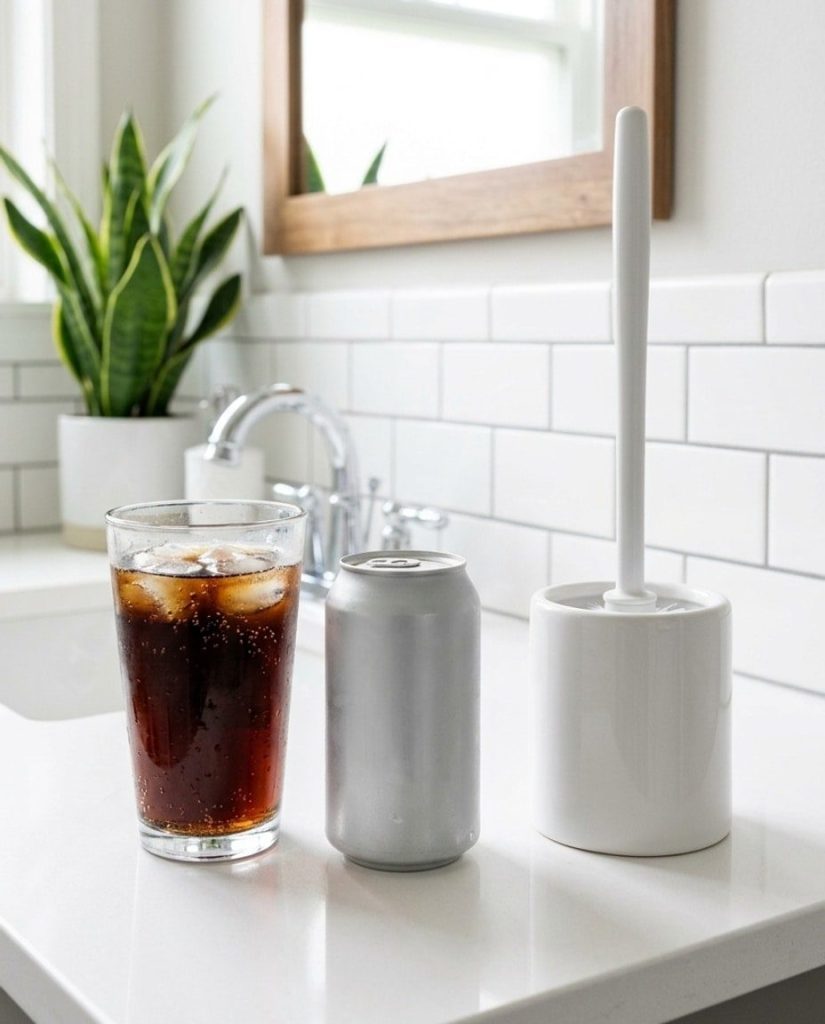
The cola cleaning trick is real, in a modest way. Cola contains phosphoric acid and citric acid, both mild acids that loosen rust and mineral scale. It’s weaker than a store cleaner, and it’s sticky, but it works on a few jobs.

Where It Works
Toilet bowl rings. Pour a can around the rim so it runs down the sides. Leave it for an hour or overnight, scrub with the brush and flush. It helps most on light mineral rings.
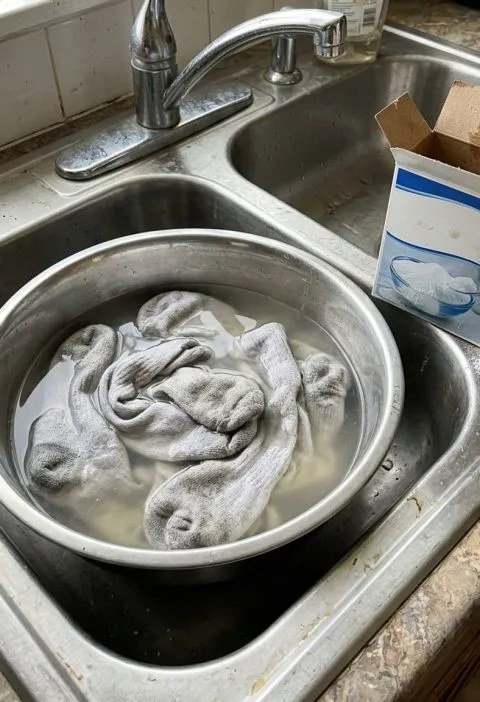
Rusty tools, bolts and nuts. Soak small rusty pieces in a bowl of cola overnight. Scrub with a brush or crumpled foil, rinse and dry right away. Wipe with a little oil to stop new rust.
Burnt-on residue in a pan. Pour in enough cola to cover the bottom, simmer gently for 20 to 30 minutes, then scrape with a wooden spoon and wash.
Corroded battery terminals. A little cola fizzes away the crust. Rinse with water and dry.
Where It Doesn’t
- It doesn’t disinfect. Cola kills no germs. A toilet still needs a real cleaner.
- It leaves sugar behind. Always rinse well, or you’ll attract ants.
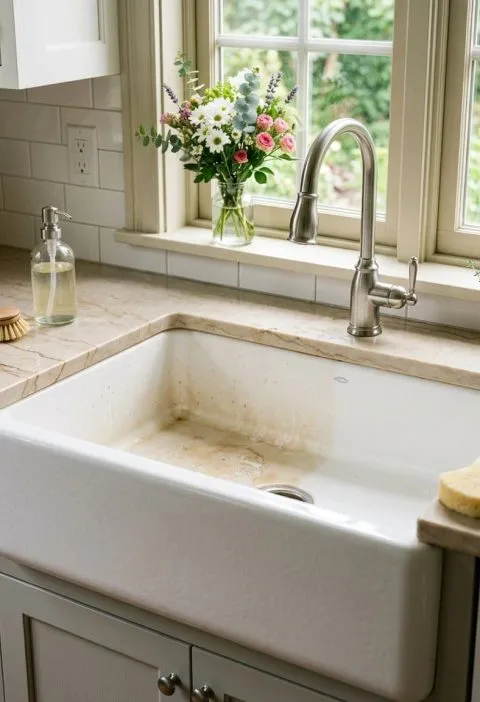
- Not for stone, grout or marble. Acid and dye can stain and etch.
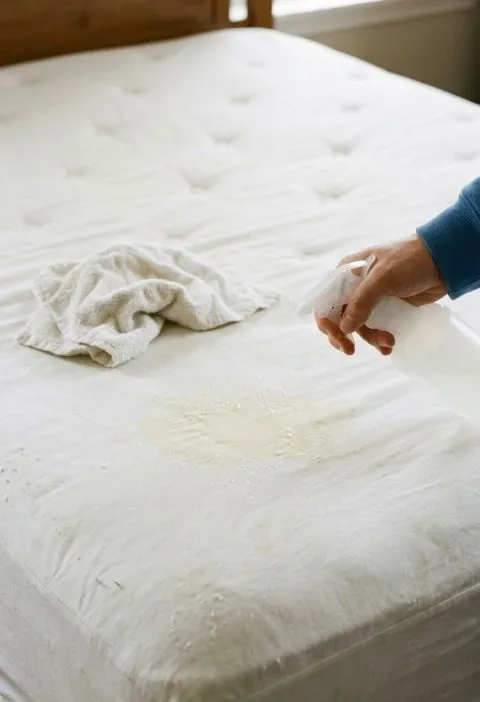
- Not for fabric. The caramel color can stain.
A Cheaper Option
White vinegar is the same idea without the sugar or the color. For rust and mineral rings, vinegar or a little citric acid powder in water does the job and rinses clean.
A Safety Note
Never mix bleach with vinegar, ammonia or any other cleaner. It makes toxic gas.
Frequently Asked Questions
Does diet cola work?
Yes. The acid does the work, not the sugar, and diet cola is less sticky.
How long should it sit in the toilet?
At least an hour. Overnight works better.
Will it damage my toilet?
No. It’s far milder than most toilet cleaners.