Every December, the poinsettia gets the warning. It is the plant everyone has heard is “poisonous to pets.”
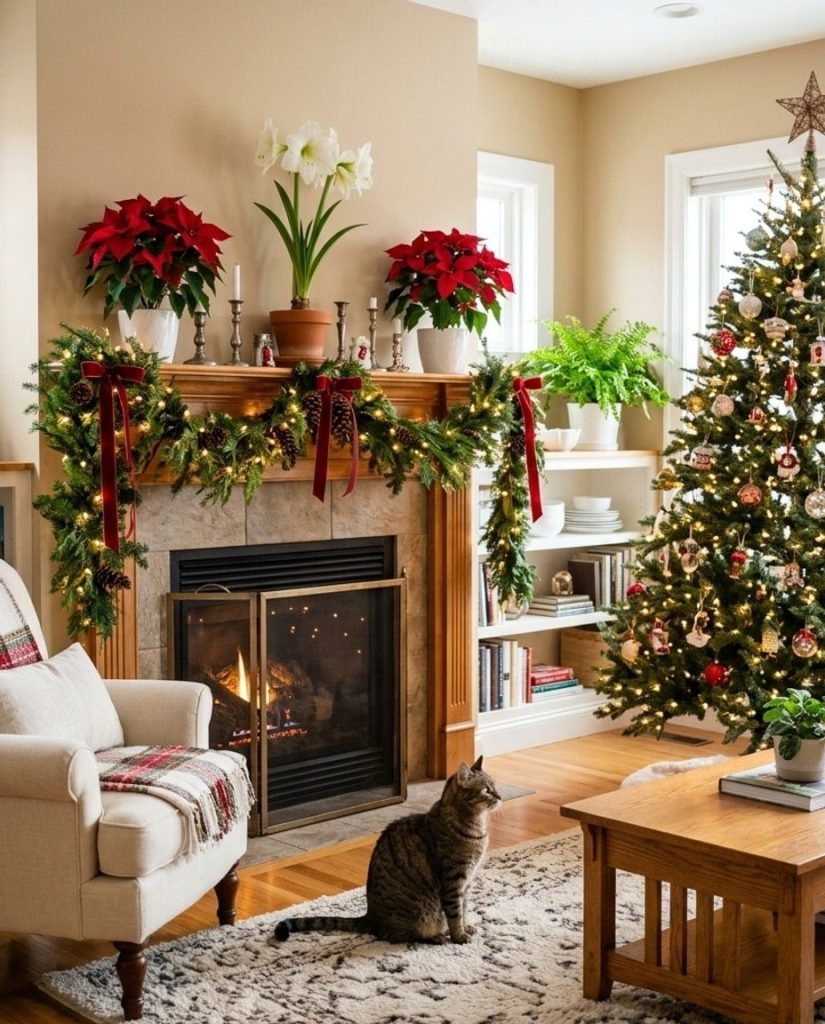
The truth is a little different. The ASPCA says poinsettias can upset a pet’s mouth and stomach, but their danger is often overrated. Some other holiday plants deserve more attention, especially if you have a cat.

Poinsettia: Usually Mild
The milky sap can irritate the mouth and stomach. A pet that chews one may drool or vomit. It is still best to keep it out of reach, but it is rarely serious.
1. Lilies: Very Dangerous for Cats
Lilies show up in holiday bouquets and arrangements. True lilies and daylilies are the biggest worry on this list. The ASPCA warns that even small amounts, including the pollen or the water in the vase, can cause kidney failure in cats.
If you have a cat, keep lilies out of the house.
2. Holly
Holly leaves and berries are toxic to dogs and cats. Eating them can cause vomiting, diarrhea and drooling, and the spiky leaves can hurt the mouth.
3. Mistletoe
Mistletoe is toxic to pets. It can cause stomach upset, and eating a large amount can be more serious. Hang it high, and watch for fallen berries and leaves.
4. Amaryllis
This tall holiday bloom is toxic to dogs and cats, and the bulb is the most toxic part. Keep bulbs and potted amaryllis where pets can’t dig or chew.
The Safe One: Christmas Cactus
Good news for plant lovers: the ASPCA lists the Christmas cactus as non-toxic to dogs and cats. A pet that chews a lot of any plant can still get an upset stomach, so it’s best kept out of reach too.
Easy Ways to Keep Pets Safe
- Put holiday plants on high shelves or mantels.
- Sweep up fallen leaves, berries and petals.
- Choose silk or artificial plants if you have a chewer.
- Ask the florist to leave lilies out of arrangements.
If Your Pet Eats a Plant
Call your veterinarian right away, or one of these animal poison lines (a fee may apply):
- ASPCA Animal Poison Control Center: (888) 426-4435
- Pet Poison Helpline: (855) 764-7661
Have the plant’s name ready, and don’t give your pet anything unless a vet tells you to.
This article is general information, not veterinary advice. Source: the ASPCA’s toxic and non-toxic plant list.