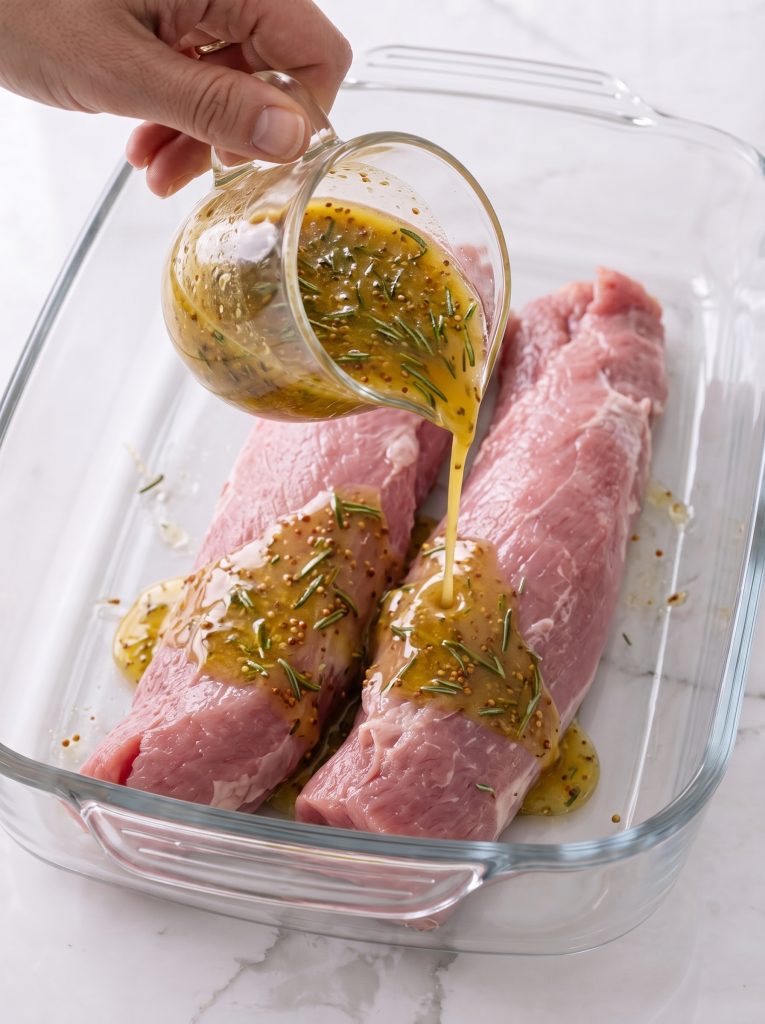
This maple mustard pork tenderloin is sweet, tangy, and easy enough for a weeknight, but it feels special enough for company. You whisk together one simple sauce and pour it right over the pork before roasting. Twenty-ish minutes later, you have tender slices of pork with a sweet-tangy, herby pan sauce that makes mashed potatoes feel like a very good life decision.
The maple mustard flavor is cozy without being heavy. It is not fancy. That’s the little trick. Try our Slow Cooker Herb-Crusted Pork Tenderloin with Creamy Dijon and Herb Sauce next.
Why You’ll Love It
- Sweet-tangy pan sauce — real maple syrup, whole grain mustard, and apple cider vinegar create a balanced glaze.
- Quick-cooking pork — pork tenderloin is tender, lean, and ready in well under an hour.
- Simple prep — whisk one sauce and pour it over the pork right in the roasting pan.
- Great with sides — the warm sauce is perfect for mashed potatoes, roasted vegetables, or crusty bread.
Ingredient Notes
Use pure maple syrup, not pancake syrup. Pancake syrup has its place, but this sauce needs the deeper, less sugary flavor of the real thing.
For the mustard, I really like whole grain mustard because those little mustard seeds give the sauce texture and make it look more interesting than it has any right to. Dijon would change the recipe, so I stick with whole grain here. There are certain things I will fuss around with, and certain things I won’t. Apparently mustard is where I draw the line. We all have our hills.
Apple cider vinegar is important for cutting through the sweetness. Don’t use regular white vinegar unless you’re in a true bind; it can be a little harsh. The rosemary can be dried or fresh, though dried rosemary is what I usually have rattling around in the spice drawer. Fresh is lovely if you’ve got it — two teaspoons, finely chopped. If you like this, you'll love our 5-Ingredient Oven 1960s Summer Camp Chicken.
And please, use a meat thermometer if you have one. Pork tenderloin is forgiving right up until it isn’t. I used to poke it, squint at it, and declare it done based on vibes. That was a flawed system.
Ingredients
- 1 1/2 to 2 pounds pork tenderloin, usually 1 or 2 pieces depending on what the package looks like at the store
- 1/4 cup pure maple syrup — the real stuff, if you please
- 2 tablespoons whole grain mustard
- 1 tablespoon apple cider vinegar
- 1 tablespoon olive oil, optional but I use it because it helps the pork brown nicely
- 1 teaspoon dried rosemary, or 2 teaspoons fresh rosemary, finely chopped
- 1 teaspoon kosher salt, plus a pinch more for the pork if you feel it needs it
- 1/2 teaspoon black pepper, optional and very much to taste
- Cooking spray or a little extra oil for greasing the pan

Instructions
Heat your oven to 400°F. Lightly grease a roasting pan or a 9-by-13-inch baking dish with cooking spray or a little oil. Nothing dramatic here; we are merely trying to avoid welding dinner to the pan. I’ve been there. It is humbling.
Pat the pork tenderloin dry with paper towels. If you see that shiny, silvery membrane — the silver skin — trim it away with a small sharp knife. It can get chewy, and nobody wants to spend dinner sawing at a perfectly good piece of pork. Set the tenderloin right in the middle of your prepared pan.
In a medium bowl, whisk together the maple syrup, whole grain mustard, apple cider vinegar, olive oil if you’re using it, rosemary, salt, and black pepper. It should look thick but pourable, with little mustard seeds floating around in there. That sauce smells pretty sharp before it cooks, so don’t panic. It mellows beautifully in the oven.
More recipes you might like


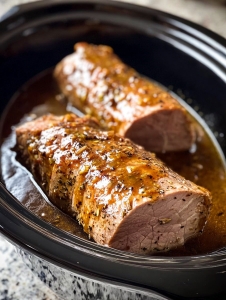
Set the roasting pan somewhere stable — not balanced on top of the open dishwasher door, and yes, I know that from experience — then slowly pour the sauce all over the pork. Get the top and sides coated. Use a spoon to scoop any sauce that runs into the bottom of the pan back over the tenderloin. For another easy option, see our 5-Ingredient Slow Cooker Vintage Mid-Summer Tenderloin.
Let the pork sit in that sauce for 5 to 10 minutes while the oven finishes heating. It is not a long marinade, obviously, but it gives everything a little head start. I usually use this time to clear off the counter or stare into the refrigerator wondering why we own six jars of pickles.
Bake the pork for 20 to 25 minutes, until the thickest part reaches 145°F on a meat thermometer. About halfway through cooking, spoon some of the pan sauce over the pork again. This keeps it moist and gives you that glossy, almost glazed-looking finish. If your tenderloin is on the smaller side, start checking earlier rather than wishing you had.
Take the pan out of the oven once it hits 145°F. Loosely tent the pork with foil and let it rest in the pan for 5 to 10 minutes. I know waiting is annoying when dinner is ready. But resting matters. The juices settle back in, and the pork stays tender instead of leaking all over the cutting board.
Slice the pork into medallions about 1/2 inch thick. Spoon the warm maple mustard sauce from the pan over the top and bring any extra sauce to the table. Mashed potatoes are wonderful with it; roasted potatoes are also wonderful. Green beans, carrots, broccoli, crusty bread — all good choices. Frankly, that sauce deserves something nearby to catch it.
Variations
For a gentler sauce, you can use just 1 tablespoon of whole grain mustard and add another tablespoon of maple syrup. It makes a gentler, sweeter sauce.
Add a pinch of thyme or sage along with the rosemary. It makes it more autumnal. It is good, though.
You can also scatter small-cut baby potatoes and carrot chunks around the pork before adding the sauce, turning it into more of a one-pan supper. Just make sure those vegetables are cut small enough to cook in the same 20 to 25 minutes. Bigger chunks will still be hard as marbles while the pork is ready, and then you’ll be doing that awkward thing where dinner is half served and half still roasting.
I tried adding smoked paprika once — just 1/2 teaspoon — and that gave it a nice smoky edge. I also tried doubling the sauce one time because I wanted “extra.” That did not work as brilliantly as I imagined. Too much liquid meant less browning, and the pan looked like a pork swimming pool. Stick with the amounts here unless you plan to reduce the juices afterward on the stove for a thicker glaze. You might also like our Bacon Brown Sugar Pork Tenderloin.
Storage & Reheating
Leftover pork keeps well in the refrigerator for a few days in a covered container, preferably with some of the sauce spooned over it so it doesn’t dry out. I like it cold in a sandwich — sliced pork on a bun, extra mustard, pickles if we have them.
To reheat, warm the slices gently with a little of the sauce. Don’t blast them into oblivion in the microwave, because tenderloin goes from lovely to sad fast. A low oven works nicely if you’re reheating more than one serving, but a brief microwave warm-up is fine for lunch. We are not running a restaurant here.
Final Notes
This is one of those recipes that has quietly become part of our regular rotation, though I never set out for it to be. It started as a rainy-night, “what do I have?” dinner and somehow became the meal I make when I want the house to smell warm and settled.
Maybe that’s why I like it so much. The sauce is simple, the pork is simple, and still it comes out looking a little special. There are days when that feels like enough — a roasting pan, a decent dinner, and a little time to enjoy it. Try our Slow Cooker Maple Dijon Pork Tenderloin — The Christmas Showstopper That Cooks Itself next.
And if the last bit of maple mustard sauce gets wiped up with a dinner roll? Well. That’s how you know it was worth turning on the oven. If you like this, you'll love our Air Fryer Cracker Barrel Copycat Grilled Chicken Tenderloins.
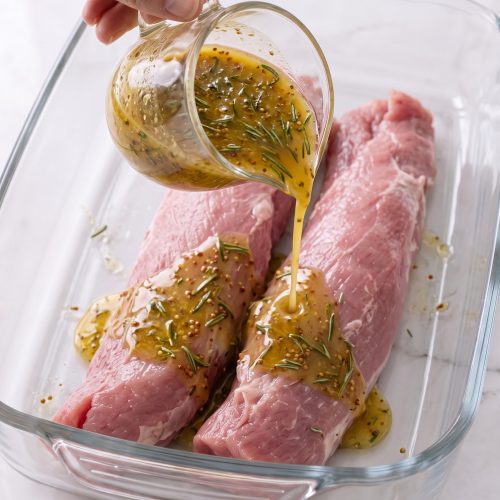
Simple Maple Mustard Oven-Baked Pork Tenderloin
Want This Recipe Later?
Ingredients
- 1 1/2 to 2 pounds pork tenderloin usually 1 or 2 pieces, trimmed if needed
- 1/4 cup pure maple syrup use the real stuff, not pancake syrup
- 2 tablespoons whole grain mustard
- 1 tablespoon apple cider vinegar
- 1 tablespoon olive oil optional, helps the pork brown nicely
- 1 teaspoon dried rosemary or 2 teaspoons fresh rosemary, finely chopped
- 1 teaspoon kosher salt plus a pinch more for the pork if needed
- 1/2 teaspoon black pepper optional and to taste
- cooking spray or extra oil for greasing the pan
Instructions
- Heat the oven to 400°F and lightly grease a roasting pan or a 9-by-13-inch baking dish with cooking spray or a little oil.
- Pat the pork tenderloin dry with paper towels, trim away any silver skin with a small sharp knife, and set the tenderloin in the middle of the prepared pan.
- In a medium bowl, whisk together the maple syrup, whole grain mustard, apple cider vinegar, olive oil if using, rosemary, salt, and black pepper until the sauce is thick but pourable.
- Slowly pour the sauce all over the pork, coating the top and sides, then use a spoon to scoop any sauce from the bottom of the pan back over the tenderloin.
- Let the pork sit in the sauce for 5 to 10 minutes while the oven finishes heating.
- Bake for 20 to 25 minutes, spooning some of the pan sauce over the pork about halfway through, until the thickest part reaches 145°F on a meat thermometer.
- Remove the pan from the oven, loosely tent the pork with foil, and let it rest in the pan for 5 to 10 minutes so the juices settle back in.
- Slice the pork into medallions about 1/2 inch thick, spoon the warm maple mustard sauce from the pan over the top, and serve with any extra sauce.
Notes
Nutrition
Made this recipe? Tap a star to rate it.
Nutrition values are estimates based on the listed ingredients and serving count. Actual values vary with brands, cuts and portion sizes.