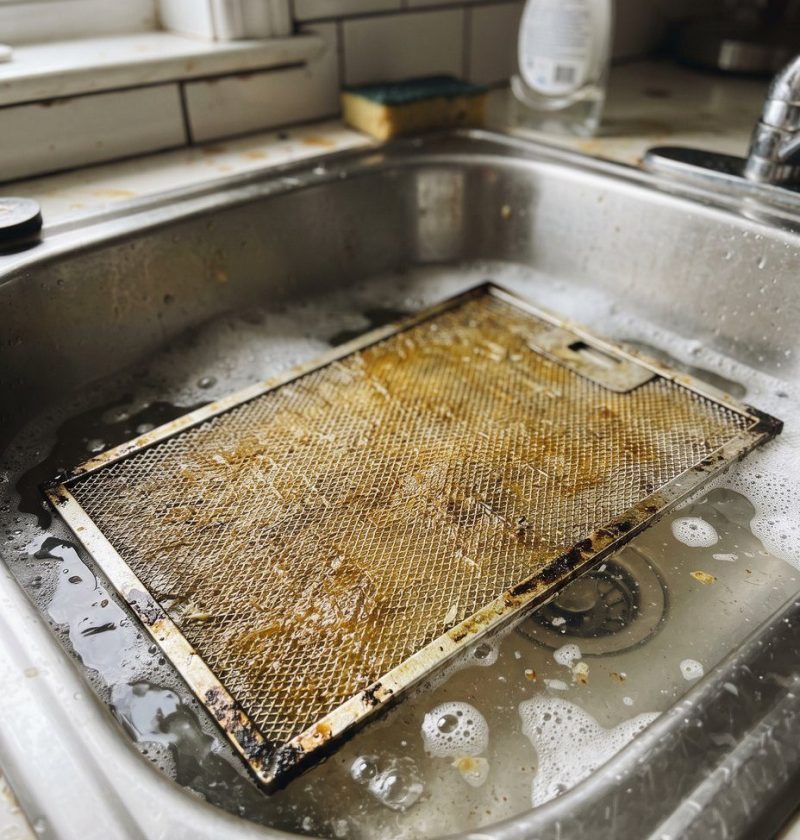
I pulled the metal filter out of my range hood and could not see through it. It was a solid sheet of yellow-brown grease. I nearly bought a new one. Then I put it in the sink with boiling water and dish soap, and twenty minutes later it looked new. The Method That Actually Works Boiling water, dish soap, and baking soda. In that order, and the water has to be genuinely boiling — hot tap water will not do it. Fill the sink or a roasting pan with boiling water. Add a good squeeze of dish soap and about …
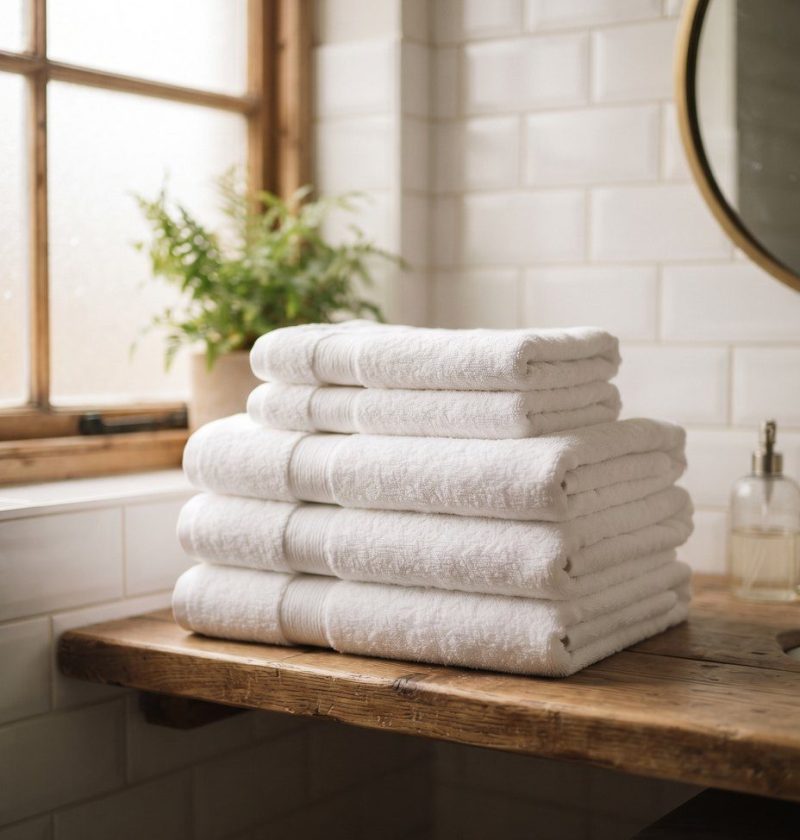
My towels went from soft and thirsty to sitting on my skin and pushing the water around. I assumed they were worn out. They were not worn out. They were coated. What Is Really on Your Towels Fabric softener. This is the main cause, and it is the thing most people are using to try to fix it. Fabric softener works by leaving a thin waxy film on the fibers. That film is what makes a towel feel soft in your hand. It is also waterproof. Cotton absorbs water; wax repels it. Every wash with softener adds another layer. Too …
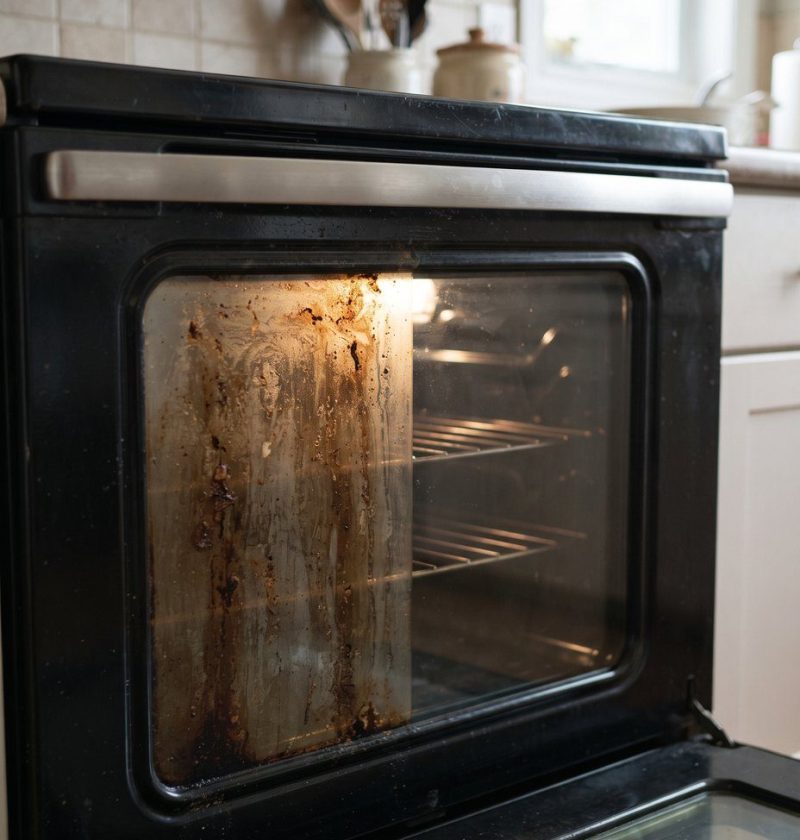
A solid dishwasher tablet and a cup of hot water can lift baked-on brown film from oven door glass. Here is how to do it safely, and where not to use it.
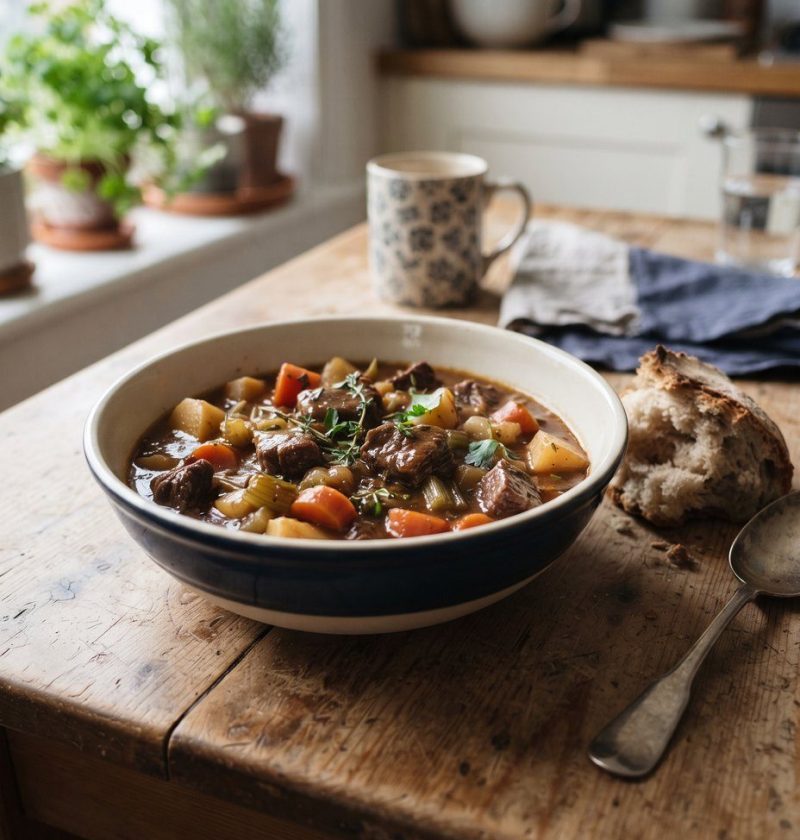
My grandfather dropped a tea bag into the pot every time he made beef stew. I assumed it was wartime habit — something you did when you were short of stock. It turns out to be a real technique, and it’s still the thing that makes his stew better than mine was. What Tea Does to Beef The tannins tenderize. Black tea is full of tannins, and tannins break down protein. In a long braise that means tougher cuts give up sooner and end up silkier. It’s the same reason some old recipes use red wine, which is also tannic. …
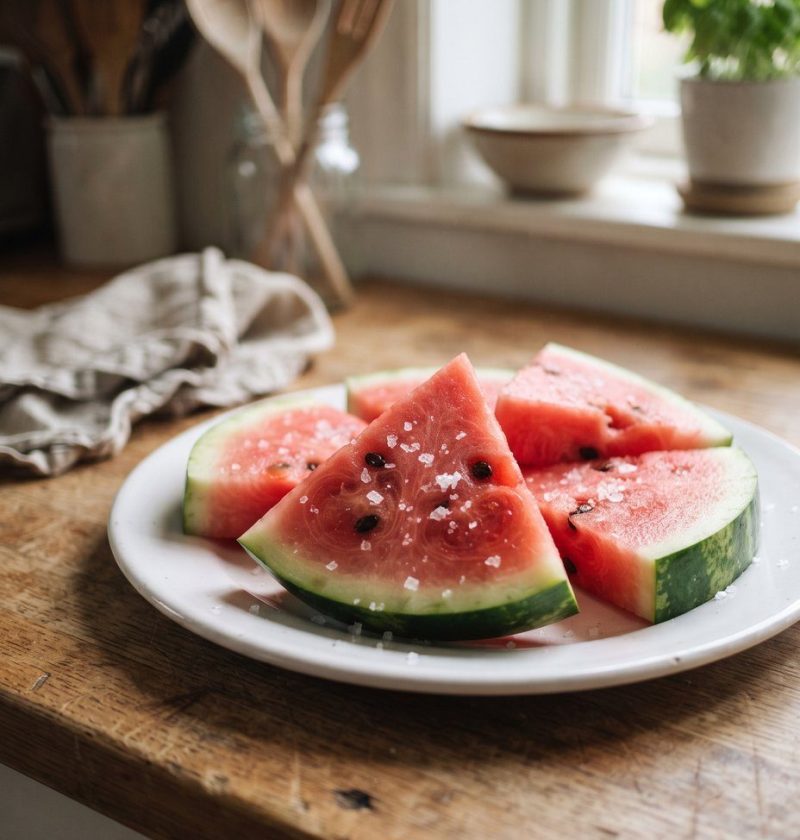
Someone handed me a slice of watermelon with salt on it at a barbecue and I took it to be polite. I have salted every slice since. It is not a novelty — it is what watermelon is supposed to taste like. Why It Makes It Sweeter This is the counterintuitive part: salt doesn’t cover the sweetness, it amplifies it. Salt suppresses our perception of bitterness. Watermelon has a faint bitter edge you don’t consciously notice, and once salt mutes it the sweetness comes forward with nothing in the way. Salt also makes the watermelon release a little juice at …
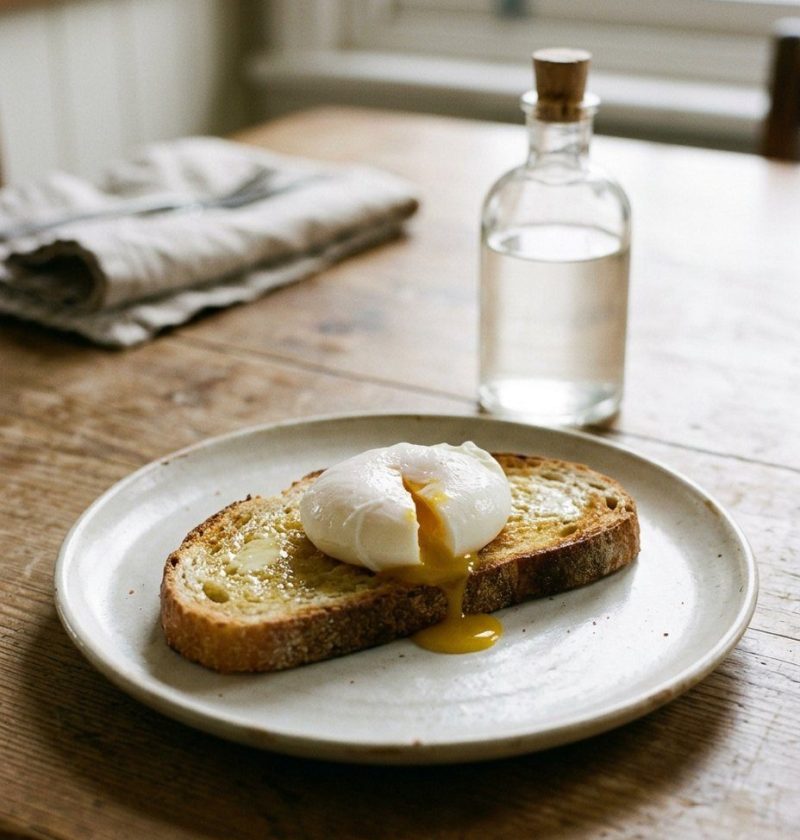
Poached eggs used to defeat me. I’d get a pan of white wisps and a sad naked yolk sitting on the bottom. A splash of vinegar in the water fixed it on the first try. Why It Works Egg white is protein. Acid makes protein set faster. When the egg hits acidulated water the outside of the white firms up almost immediately, which holds the rest of it together instead of letting it drift off into the pan. Without acid, the thin outer white has time to spread before it cooks, and that is the cloud you’re left skimming out. …
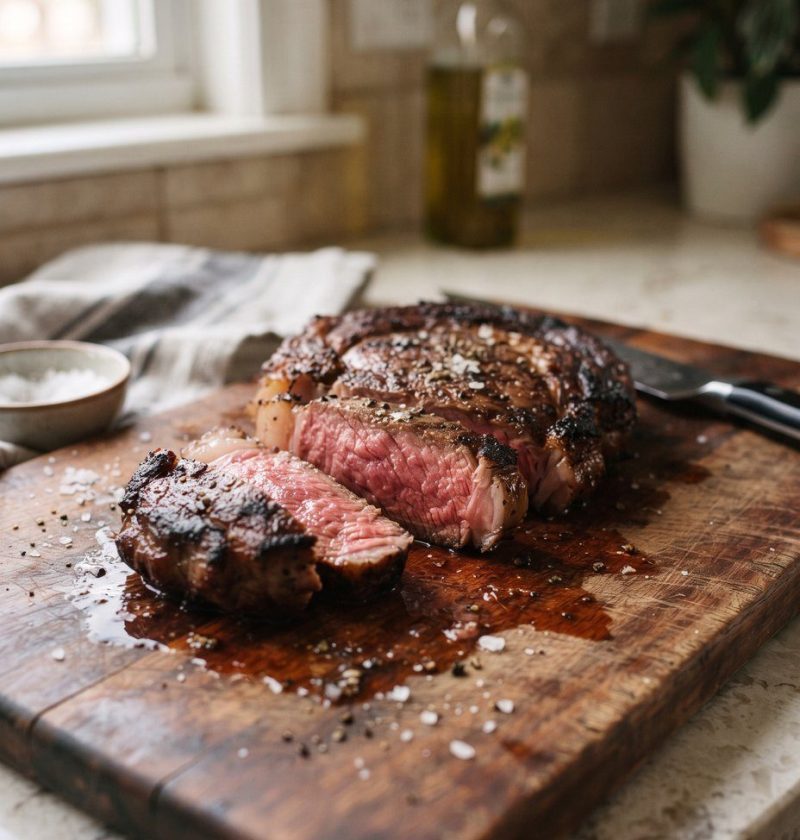
Coffee grounds on a steak. I’d seen it on a steakhouse menu described as a coffee rub and assumed it was a gimmick for the menu writing. Then I tried it on a cheap cut that needed help, and it was the best crust I’d ever got on a piece of beef at home. What It Actually Does It builds a crust. Ground coffee is dry and slightly coarse. Pressed onto a dry steak it forms a layer that chars and crisps in a hot pan, giving you a thick dark crust that salt and pepper alone don’t produce. It …
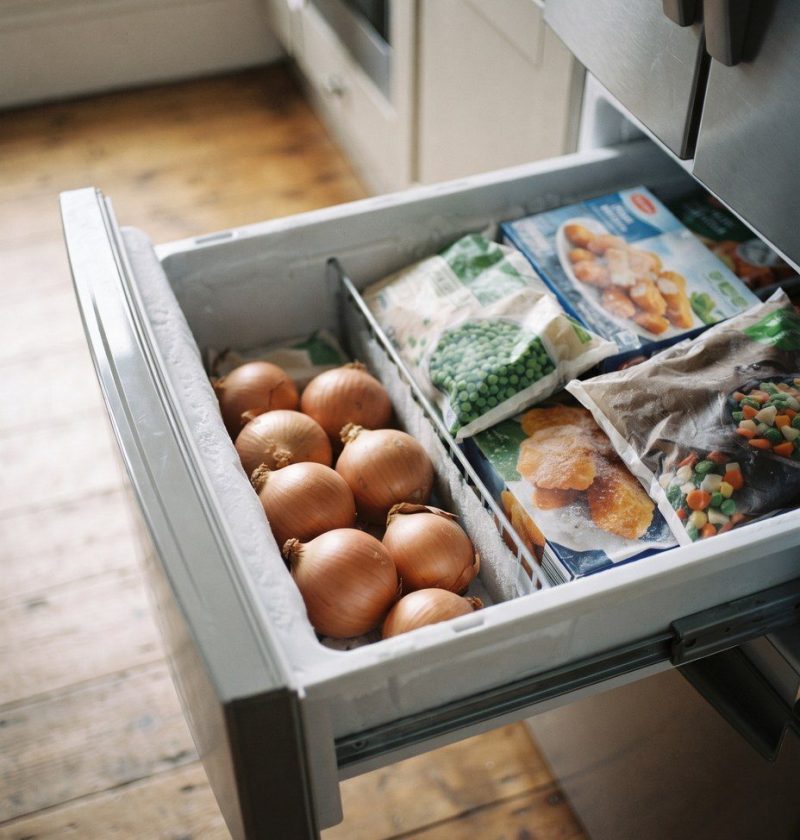
I cried over onions for thirty years and treated it as the cost of cooking. Somebody told me to put them in the freezer for fifteen minutes first. It works. Not perfectly, but enough that I do it every time I’m facing more than one. Why Onions Make You Cry Cutting an onion breaks cells and releases enzymes that produce a volatile sulphur compound. That compound floats up, meets the water in your eyes and turns into a mild acid. Your eyes flush it out with tears. Everything that helps works on one of three things: slowing the reaction, stopping …
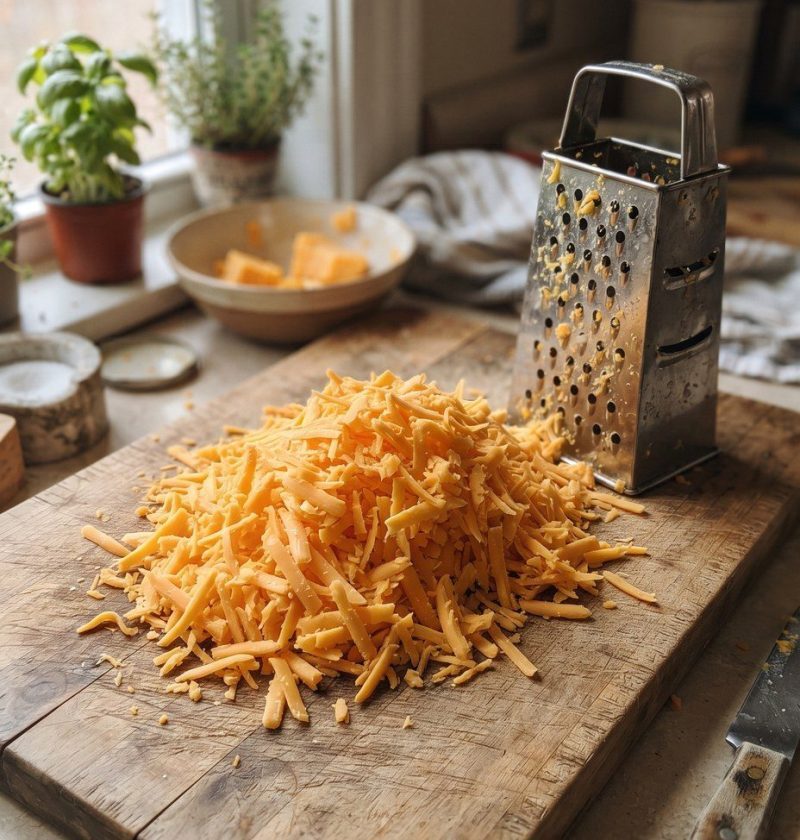
Grating cheese is one of those small jobs that’s worse than it should be. Half of it sticks to the grater, your knuckles are at risk, and soft cheese turns into a paste rather than shreds. Fifteen minutes in the freezer fixes nearly all of it. What Changes Cheese is soft because its fat is soft. Chill the fat and the whole block firms up. A firm block shears against the grater instead of smearing across it. You get separate shreds instead of a clump, and far less stays behind on the metal. It also means you can push harder …
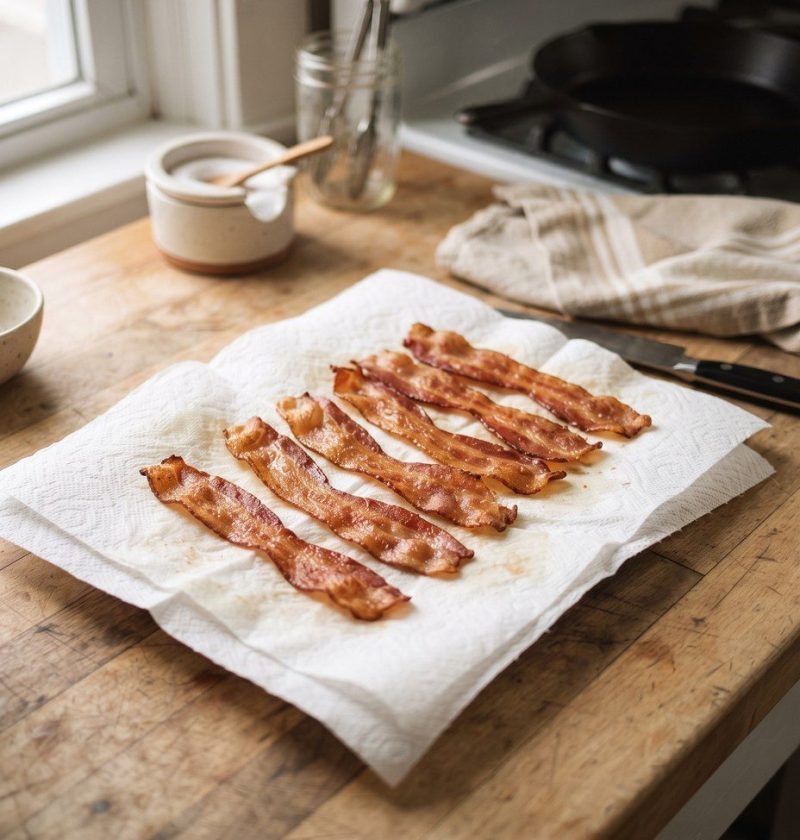
I stood at the hob turning bacon with tongs for years, getting spattered, ending up with strips that were burnt at one end and floppy at the other. Then I put a tray in the oven. I have not cooked bacon in a pan since, and I will not go back. Why the Oven Is Better Even heat on both sides. A pan cooks from below only, which is why one side crisps and the other waits. An oven surrounds it, so the whole strip cooks at the same rate. It stays flat. Bacon curls in a pan because the …