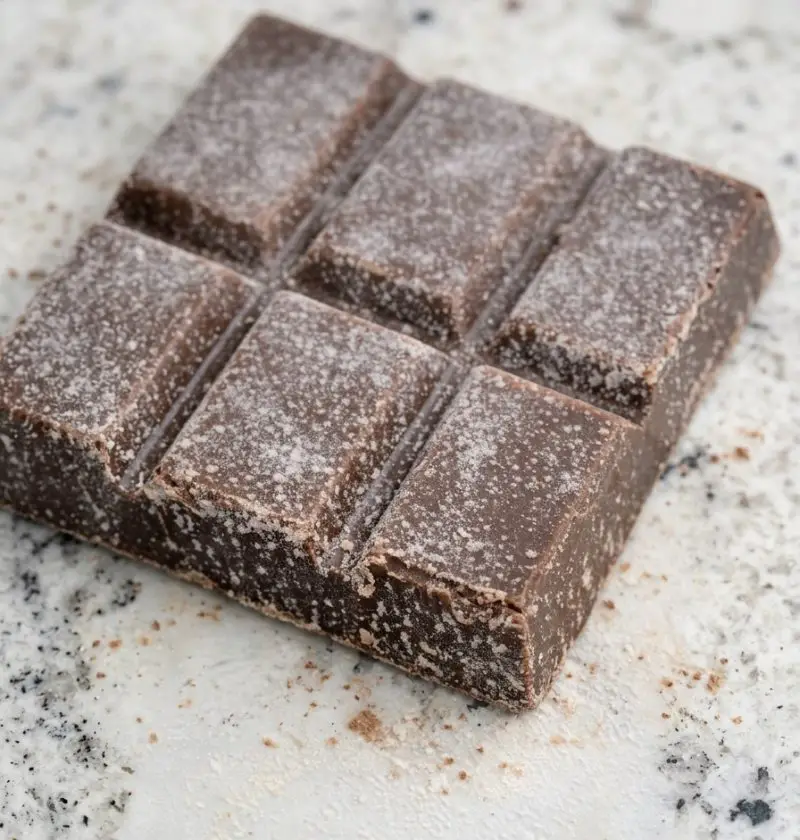
You tear open a chocolate bar expecting that glossy, silky finish — and instead, there it is. A pale, dusty-looking coating spread across the surface like someone accidentally dropped flour on it. Honestly, it’s a little unsettling the first time you see it. A lot of people assume the chocolate has gone bad immediately. Others scrape the white stuff off with a fingernail and eat it anyway while wondering if they just made a terrible life choice. And then there are the folks who toss the whole bar straight into the trash without a second thought. But here’s the surprising …
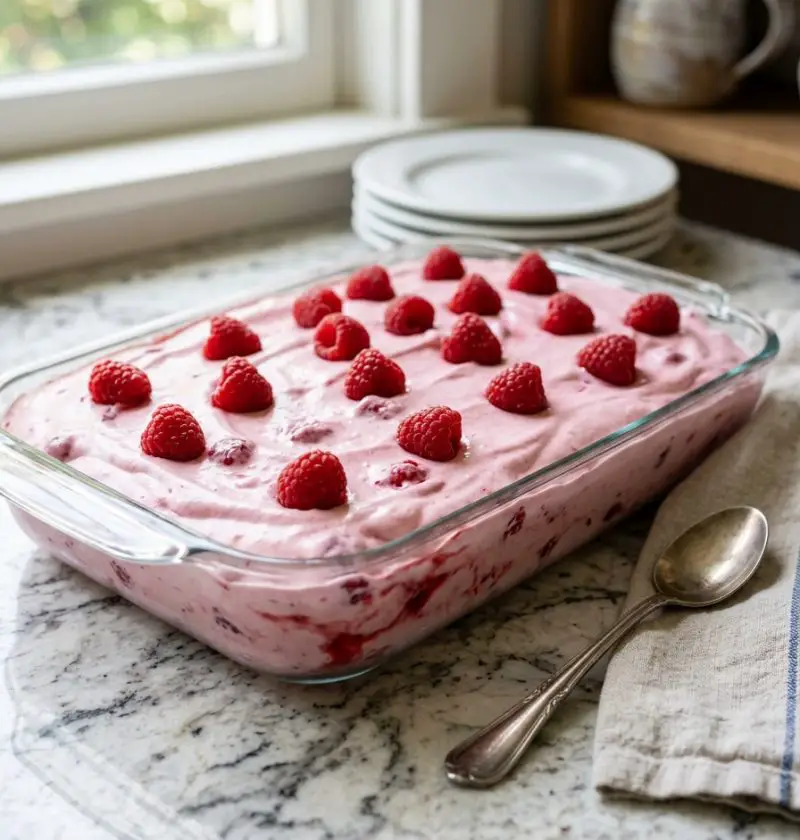
This raspberry fluff dessert is one of those magic tricks that looks like you spent all afternoon on it but comes together in about 15 minutes. Just three ingredients — raspberry gelatin, whipped topping, and fresh raspberries — folded together into a creamy, airy, gorgeous pink dessert that sets up beautifully in the fridge. It’s the one people always ask about. Why you’ll love this: Only 3 ingredients — gelatin, whipped topping, and fresh raspberries, nothing more 15 minutes of actual effort — the fridge does the rest of the work for you Try our White Christmas Pie: That One …
These Southern sausage balls are the definition of dangerously easy — just breakfast sausage, shredded cheddar, and Bisquick rolled into bite-sized balls and baked until the edges are golden and the cheese is melted into every bite. They’re always the first thing to disappear from the table, and once you make them, you’ll understand why. Why you’ll love these: Only 3 ingredients — sausage, cheese, and baking mix, nothing more Ready in about 30 minutes — no chilling, no fancy equipment, no fuss Try our Sausage Cream Cheese Crescents: The Ultimate Comfort Food Snack next. Crowd-proof — kids, picky eaters, …
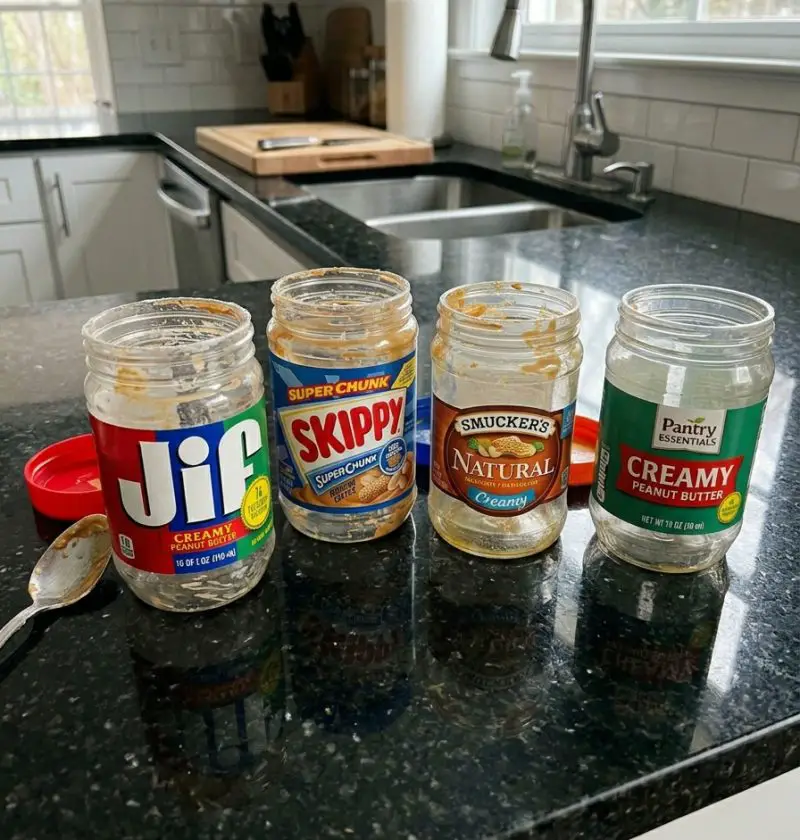
You know that moment when you finish a jar of peanut butter and automatically toss it into the recycling bin without thinking twice? Most of us do it. The lid goes one way, the jar another, and that’s the end of the story. But honestly, those plastic peanut butter jars are kind of the unsung heroes of household storage. They’re durable, lightweight, easy to clean, and weirdly practical. Some are even sturdier than the containers people spend money on at organizing stores. And once you start reusing them, it becomes hard to stop. One jar turns into five. Then suddenly …
This 2-ingredient frosted lemonade is the kind of simple, crowd-pleasing treat that disappears faster than you can set the pitcher down. It’s just lemonade and vanilla ice cream blended together into a frosty, sippable dessert — feels a little special, takes almost no effort. Why You’ll Love It Only 2 ingredients — lemonade and vanilla ice cream, nothing else required Ready in under 5 minutes — blend, pour, done Looks impressive without the effort — that thick, creamy, pale yellow color does all the work Totally customizable — thicker, lighter, tangier, sweeter — easy to adjust for whoever you’re serving …
These Southern cheese straws are sharp, salty, buttery, and completely addictive — the kind of homemade snack that disappears before you’ve even set them out. Four ingredients, no fancy equipment, and they come together faster than you’d think. Why You’ll Love It Only 4 ingredients — sharp cheddar, butter, flour, and cayenne. That’s it. Ready in under 30 minutes — mix, shape, and bake with barely any cleanup Try our Ham Pickle Roll Ups next. That perfect snap — crisp edges, rich cheesy center, a little heat that keeps you reaching for more Great for any occasion — holidays, parties, …
These oven-baked Irish nachos are the kind of appetizer that disappears before you can even set the pan down. Thinly sliced russet potatoes stand in for tortilla chips, topped with sharp cheddar, crispy bacon, and fresh green onions — all baked on one foil-lined sheet pan in under an hour with almost no cleanup. Why You’ll Love This Only 4 ingredients — potatoes, cheddar, bacon, and green onions. That’s it. One sheet pan, minimal mess — foil-lined means cleanup is basically just throwing something away. Genuinely crispy edges — the potatoes get golden and slightly frilly, not soft or steamy. …
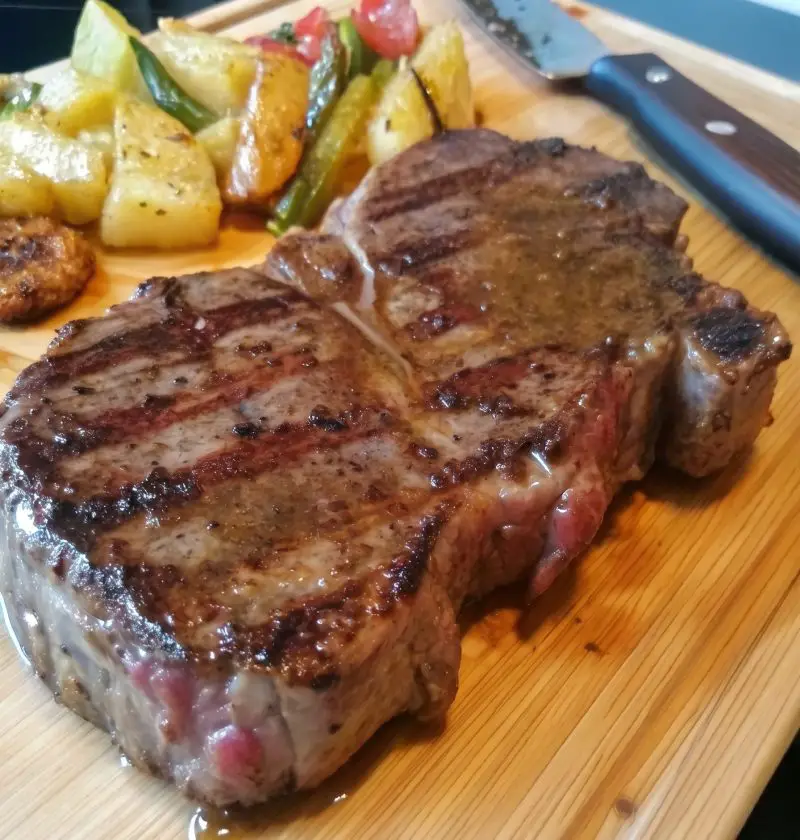
This seared ribeye with red wine pan gravy is the kind of dinner that feels like a restaurant meal — and it comes together in under 30 minutes. The gravy is made right in the same pan, using all those browned bits the steak leaves behind, so every drop of flavor ends up on your plate. Why You’ll Love It Ready in 30 minutes — fast enough for a weeknight, impressive enough for company One skillet, minimal cleanup — the gravy builds right in the steak pan That pan gravy is everything — silky, rich, and deeply savory with wine, …
This Sausage Biscuit Gravy Casserole is one of my all-time favorite breakfast recipes — hearty, comforting, and so easy to pull together. Thick, creamy sausage gravy topped with flaky, golden biscuits, all baked in one dish. It’s perfect for holiday mornings or any weekend you want something really satisfying on the table without a lot of fuss. Why You’ll Love This One pan, no juggling — everything bakes together so you’re not standing at the stove flipping biscuits and ladling gravy into individual bowls Biscuits stay perfect — baking them on top keeps the insides fluffy and the tops golden, …
Garbage Bread is exactly what it sounds like — throw whatever you love into pizza dough, roll it up like a cinnamon roll, and bake it. This Bacon Cheeseburger version is our absolute favorite: cheesy, savory, and served with a classic burger sauce that takes it over the top. It’s not health food. It’s game-day food. And it delivers every single time. Why You’ll Love It Tastes like a cheeseburger in bread form — all the flavors of bacon, beef, and melty cheese wrapped in a golden, crispy crust Incredibly easy to make — brown the meat, melt the cheese, …