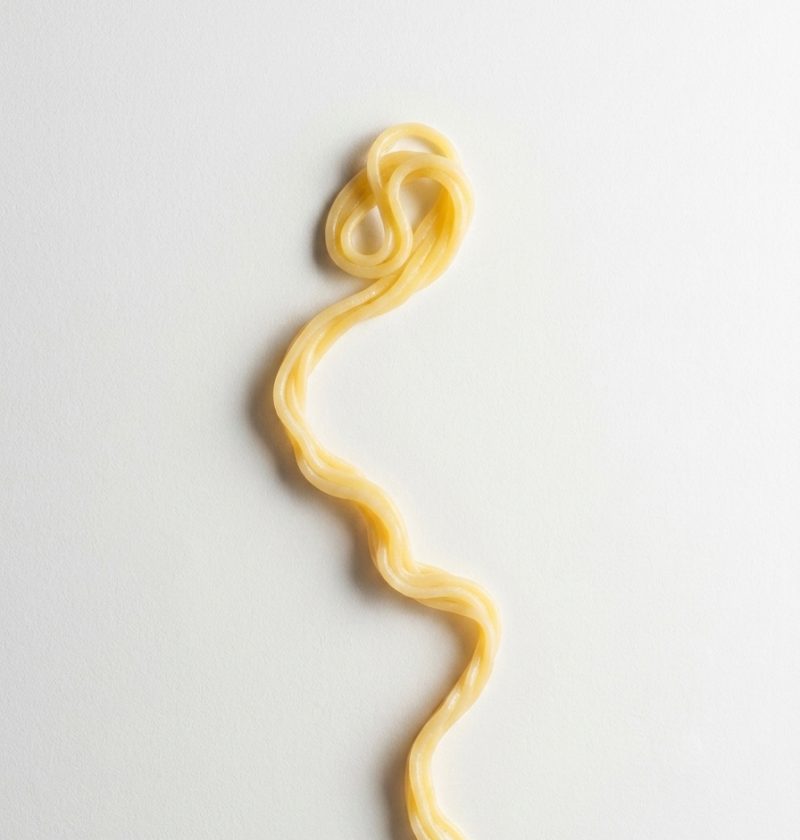
Almost everybody has heard the old spaghetti trick. You boil the pasta, grab a strand, throw it at the wall — and if it sticks, dinner is supposedly ready. It’s one of those kitchen habits that somehow survived for decades. A little messy? Absolutely. Kind of ridiculous? Maybe. But people still do it. In college apartments, busy family kitchens, tiny restaurants after closing time — somewhere, right now, somebody is launching spaghetti at drywall with complete confidence. The funny part is that the trick actually does have a little science behind it. Not perfect science, but enough to make people …
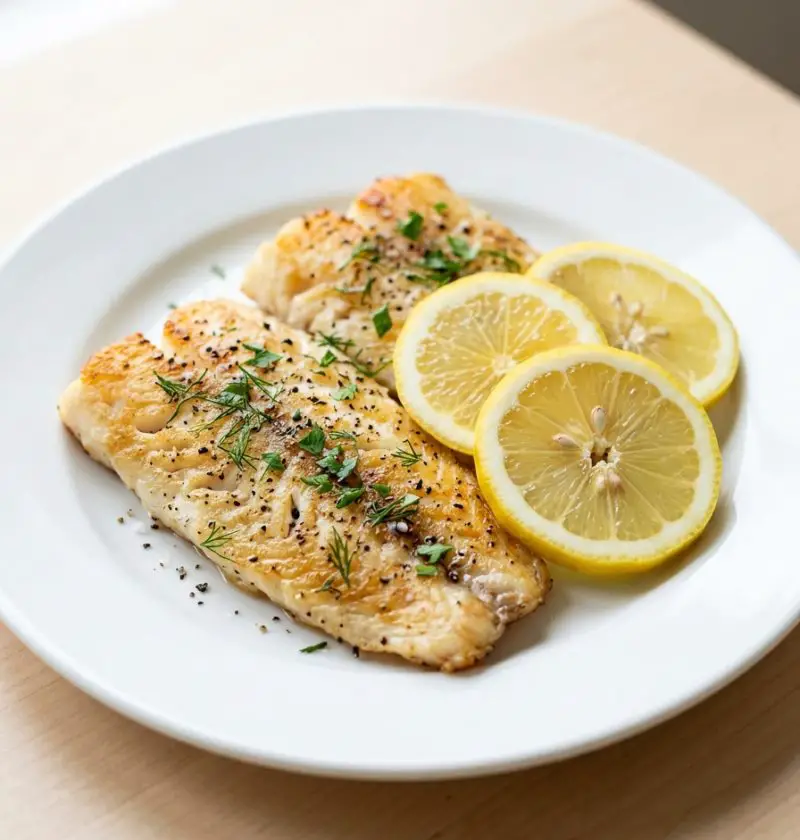
There’s a strange kind of disappointment that happens when fish is already plated, the fries are hot, maybe there’s even coleslaw sitting on the side… and then someone realizes there’s no tartar sauce in the fridge. Not a single packet. Nothing. For a second, dinner feels incomplete. But honestly? Fish fillets don’t actually need tartar sauce nearly as much as we think they do. It’s just the default. Like ketchup with fries or ranch with pizza. Familiar habits stick around, even when there are better options sitting right there in the kitchen. The truth is, fish works with all kinds …
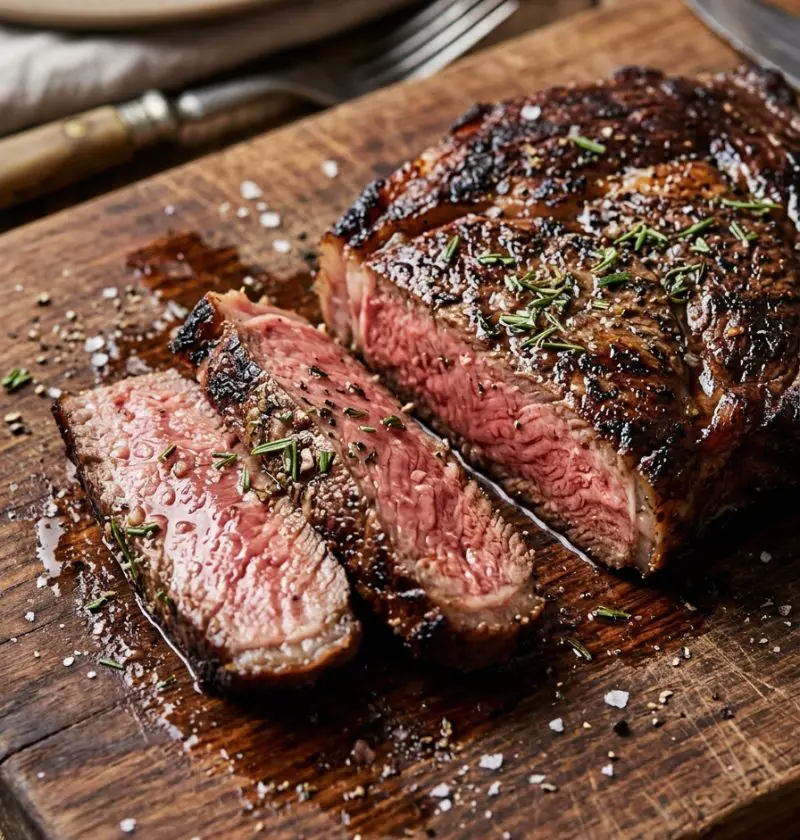
You pull a steak off the grill. It smells incredible. The crust is perfect, the center is warm and tender, and honestly? You’re already thinking about that first bite. Then you slice into it and see a little red liquid run onto the plate. Suddenly, somebody at the table says it: “Uh… is that still raw?” If you cook meat often, you’ve probably heard that question more than once. Maybe you’ve even wondered the same thing yourself. It’s one of the biggest misconceptions in home cooking, and it’s surprisingly persistent. Part of the confusion comes from how similar that red …
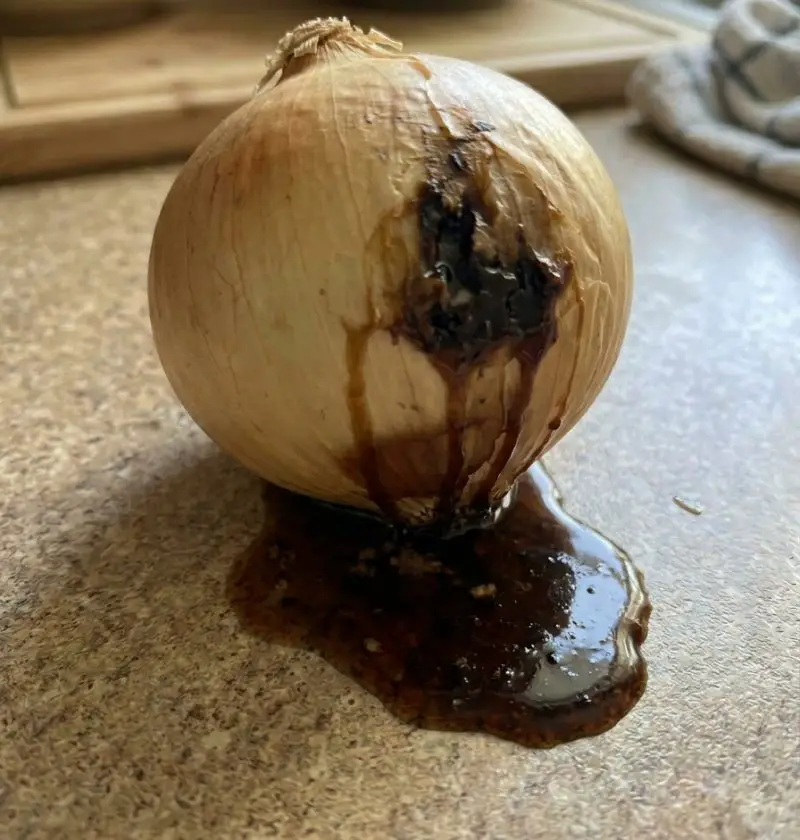
You reach into the pantry, grab an onion for dinner, and suddenly notice something unpleasant sitting underneath it — a sticky brown puddle. Not exactly the kitchen surprise anyone wants before making tacos, soup, or a weeknight pasta sauce. At first glance, it feels alarming. Is the onion rotten? Is it dangerous? Can you still cut off the bad part and use the rest? Honestly, onions are strange little things. They look sturdy and shelf-stable, almost indestructible at times, but once internal decay starts, they can go downhill fast. And the frustrating part? An onion may look perfectly normal on …
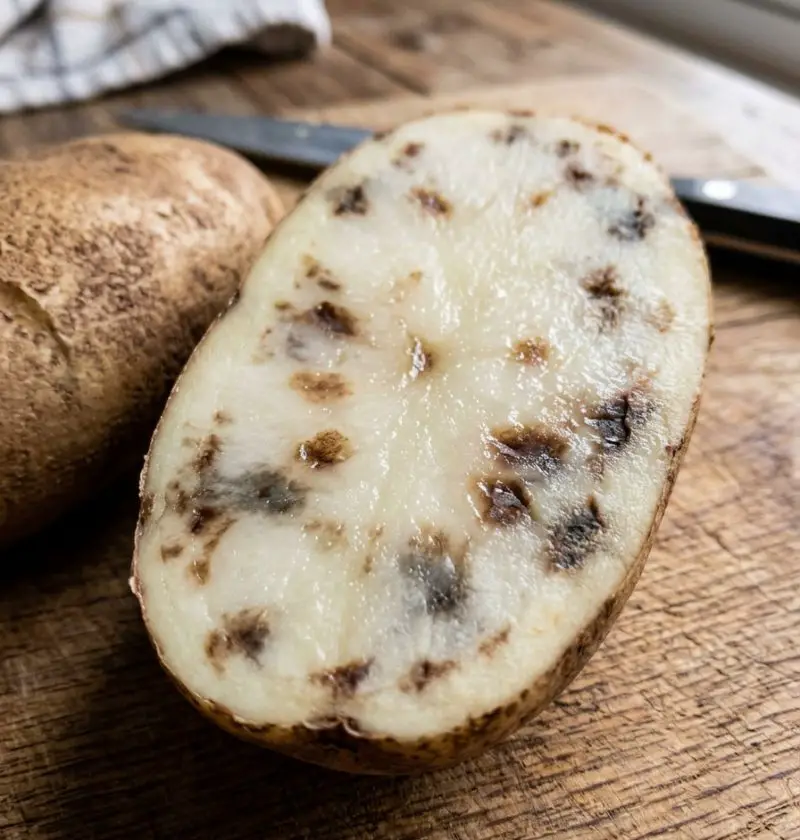
You’re halfway through making dinner. Maybe it’s mashed potatoes, crispy oven fries, or one of those cozy skillet meals that somehow tastes even better when the weather cools down a little. You slice into a potato and suddenly—there it is. Brown spots inside. Not on the skin. Inside. And honestly? It’s enough to make anyone pause for a second with the knife still in hand thinking, Wait… is this bad? Potatoes are one of those kitchen staples we almost take for granted. They sit quietly in the pantry for weeks, ready to become comfort food at a moment’s notice. So …
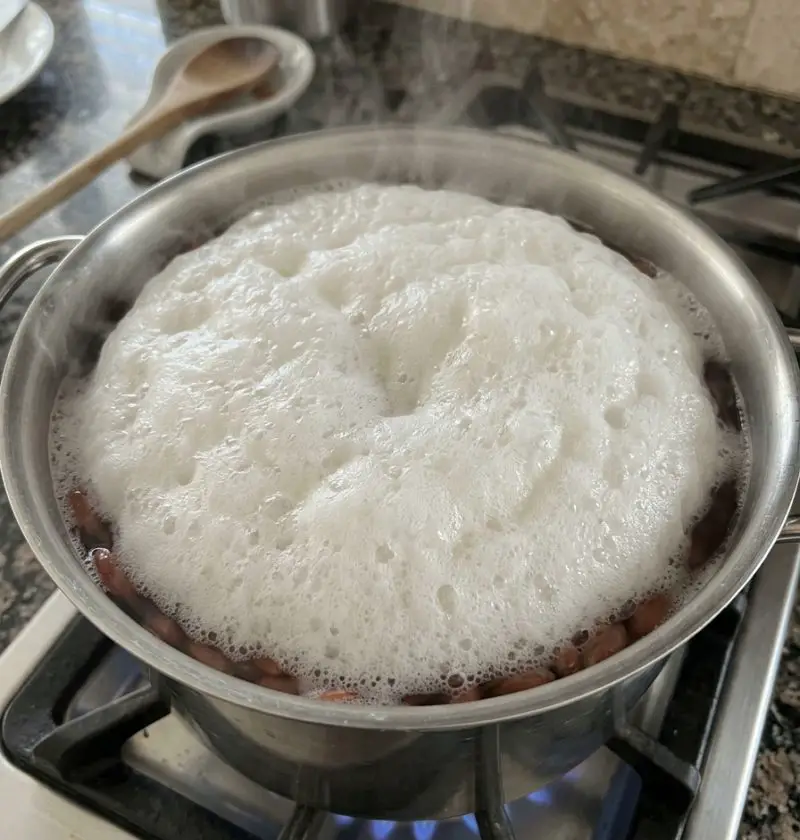
If you’ve ever stood over a pot of simmering beans and suddenly noticed thick white foam climbing toward the rim like a science experiment gone rogue, you’re not alone. Honestly, it catches a lot of people off guard the first time. One minute you’re feeling wholesome and domestic, soaking dried beans like somebody’s grandmother, and the next minute your stovetop looks like a bubble bath exploded. The good news? That strange foamy layer is usually completely normal. In fact, if you cook beans often — black beans, chickpeas, kidney beans, navy beans, pinto beans, any of them really — you’ll …
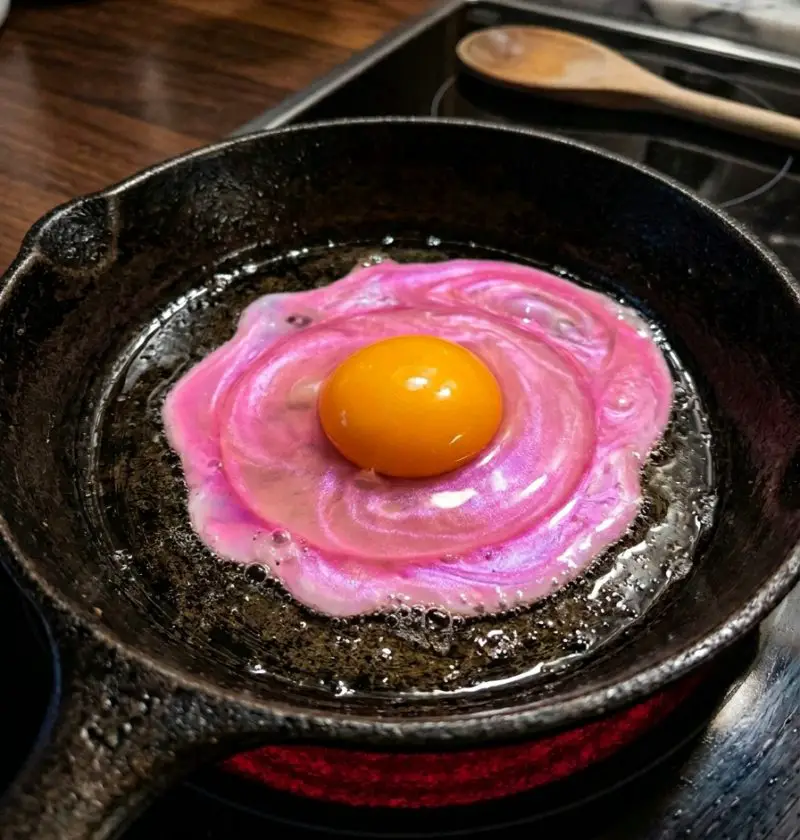
You crack an egg into the pan, glance down, and suddenly stop. The egg white isn’t clear. It isn’t cloudy. It’s… pink. Not just faintly pink either — almost neon, with a strange pearly shimmer that looks more like something from a science experiment than breakfast. Honestly, it’s the kind of thing that makes your stomach drop for a second. Most of us don’t think too hard about eggs. We buy them, refrigerate them, scramble them, maybe hard-boil a few for lunches during busy weeks, and move on. Eggs are familiar. Safe. Predictable. So when one suddenly looks radioactive, it …
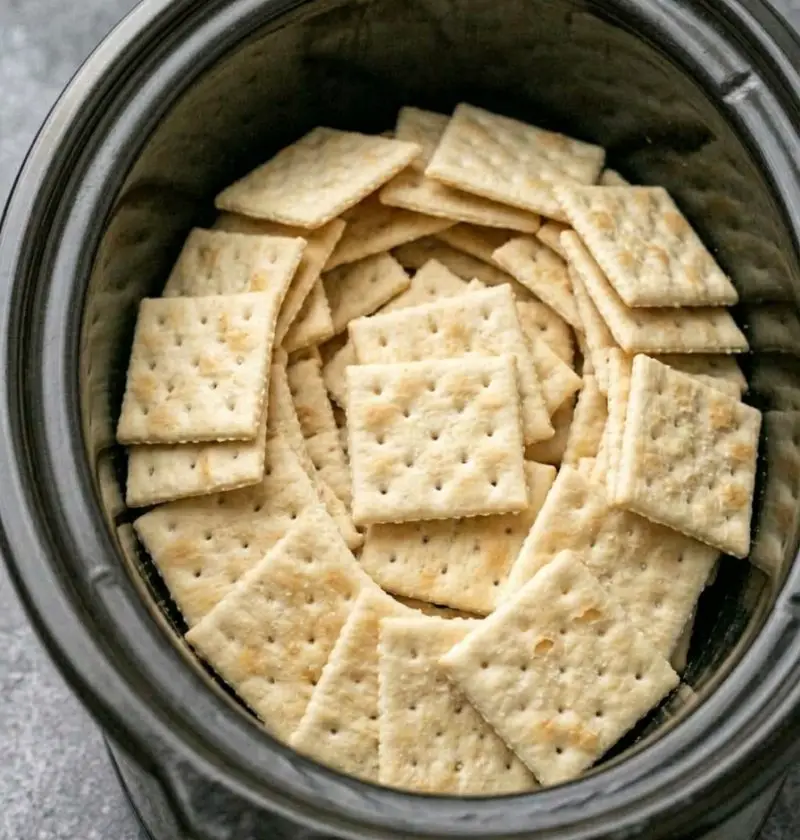
Every April I look for something I can put in the slow cooker and mostly ignore for a couple of hours. This 4-ingredient dessert is it — whole saltine crackers, a simple homemade caramel, and melted chocolate chips, all coming together into a gooey, sticky, sweet-salty treat that basically makes itself while you’re busy with other things. Why You’ll Love It Only 4 ingredients — saltines, butter, brown sugar, and chocolate chips. Nothing you need to hunt for. Completely hands-off — make the caramel, pour it over, walk away for two hours. Try our Ritz Cracker Thin Mints next. Sweet, …
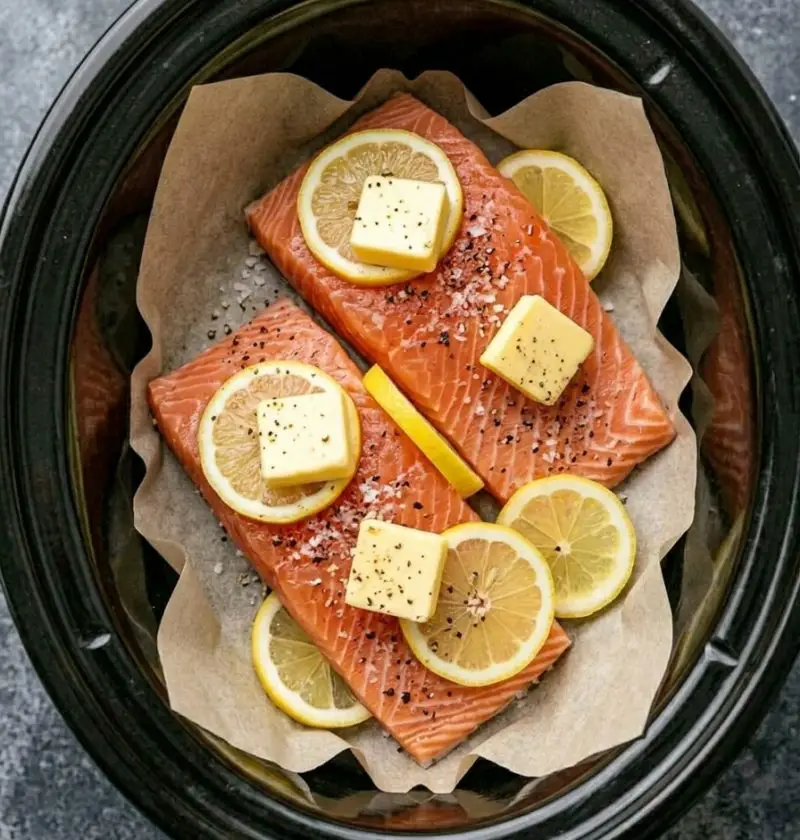
This slow cooker lemon butter salmon is one of those dinners that basically makes itself. You lay the fish on parchment, pour a simple lemon butter sauce over the top, tuck on some lemon slices, and let the slow cooker do everything. No babysitting, no splatter, no smoky kitchen — just flaky, tender salmon with that gentle steamy heat that the oven honestly can’t replicate. It’s become a regular weeknight dinner around here, and I don’t see that changing anytime soon. Why you’ll love it Almost impossible to overcook — the slow cooker’s low, gentle heat gives you a wide …
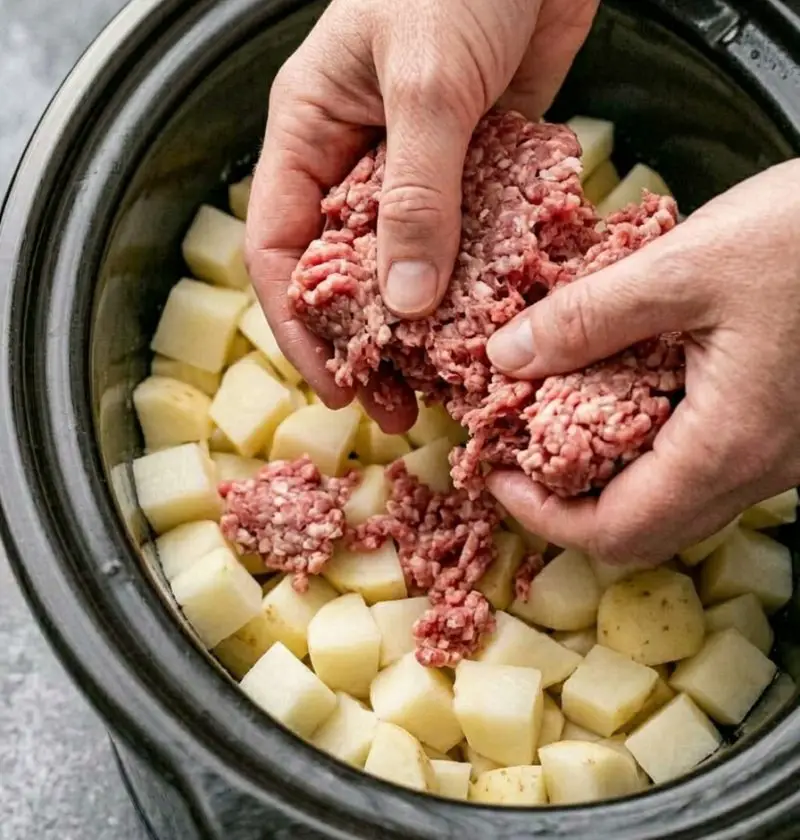
This slow cooker Amish-style poor man’s stew is one of those humble, back-pocket dinners that never lets you down. Raw potatoes on the bottom, crumbled ground beef on top, a can of tomato soup and some broth poured over everything — lid on, walk away. It’s the kind of meat-and-potato meal that fills people up without asking much of you. Why you’ll love this one Only 5 ingredients — potatoes, ground beef, onion, condensed tomato soup, and broth. Nothing fancy, nothing you need to run to the store for. Set it and forget it — everything goes in raw, in …