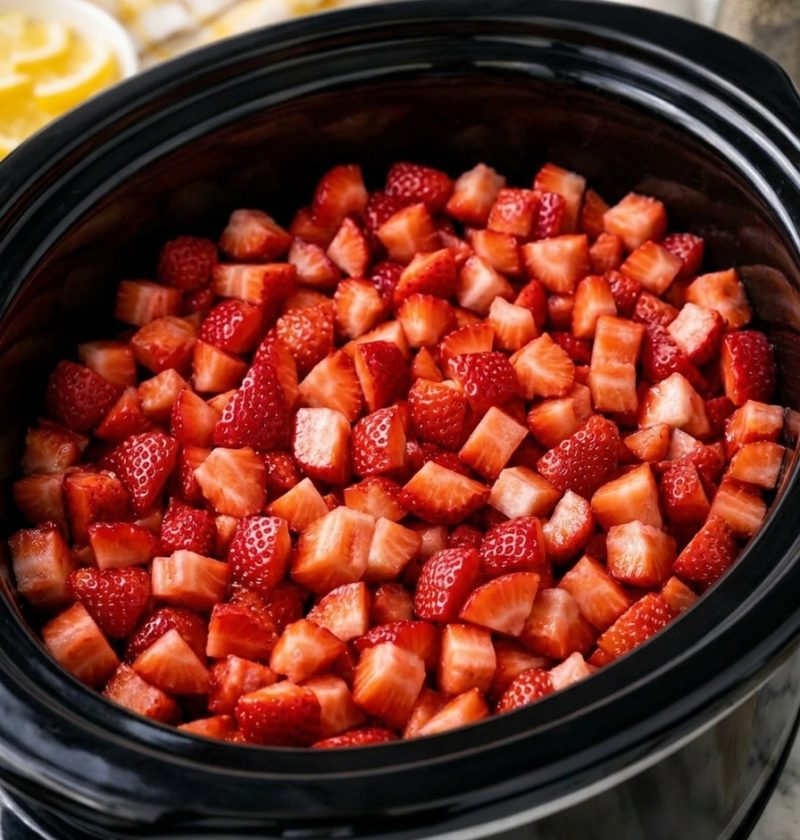
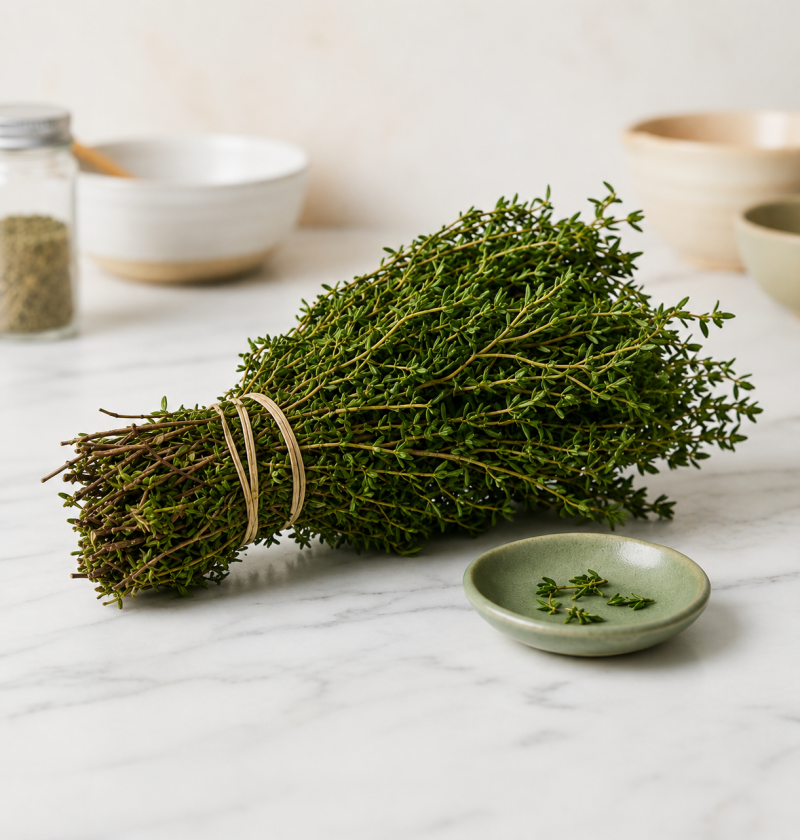
This is the easiest dessert you’ll make all summer — just dump sliced strawberries, sugar, lemon-lime soda, and vanilla into the slow cooker and let it do the work. A few hours later you’ve got a glossy, jammy, ruby-red sauce that’s perfect for Juneteenth or any night you want something sweet without much effort. Why You’ll Love It Just 4 ingredients — strawberries, sugar, soda, and vanilla, nothing fancy required Truly dump-and-go — no chopping skills needed, no babysitting the pot Try our 5-Ingredient Baked Strawberry Dump Dessert next. Gorgeous deep red color — looks way more impressive than the …
It’s late. The house is quiet. You wander into the kitchen for a glass of water—half asleep, slightly disoriented—and there it is: a soft glow from the range hood. Comforting, right? But then the question creeps in later, maybe the next morning while you’re making coffee: Did I leave that on all night? And more importantly… does it matter? You’re not overthinking it. This is one of those small, everyday habits that quietly sits at the intersection of safety, cost, and convenience. So let’s unpack it properly—no fluff, just clarity. The Short Answer (Because You’re Busy) Yes, it’s generally safe …
There’s something oddly comforting about remedies that have been around forever. You know the kind—passed from one generation to the next, mentioned casually by a grandmother, or tucked into old herbal guides that smell faintly like dried leaves and time. Oregano is one of those plants. Not flashy. Not trendy. Just… reliable. And yet, here we are, with modern labs and peer-reviewed journals still circling back to it. Specifically, oregano oil. It’s not just a kitchen herb anymore. For many people, it’s become a go-to natural option when dealing with stubborn infections, low immunity, or recurring issues that don’t quite …
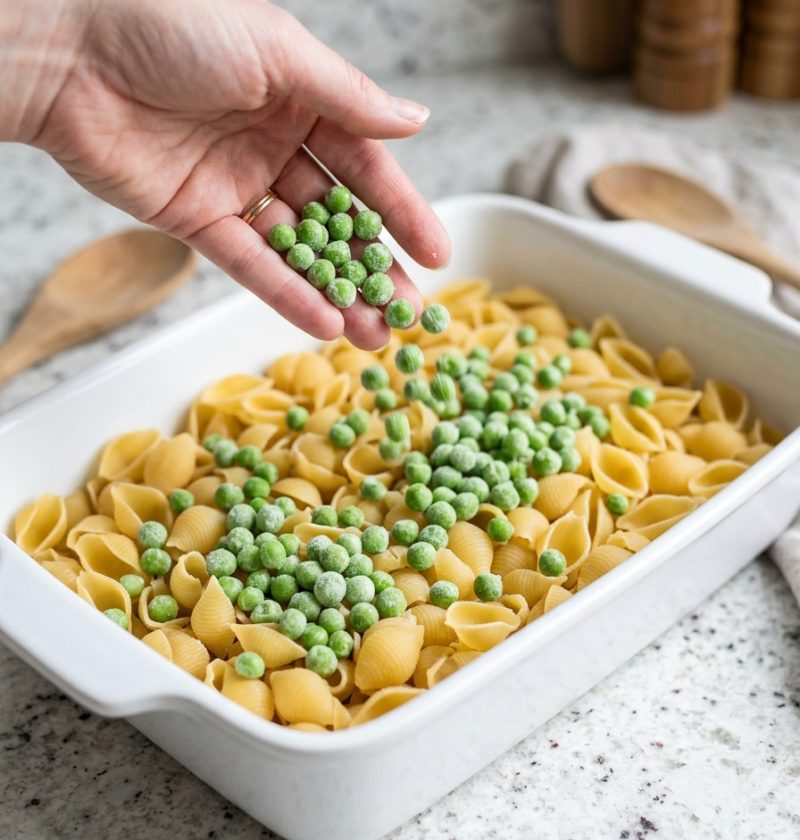
This oven-baked spring pea pasta is the weeknight dinner I keep coming back to when I want something cozy, creamy, and completely hands-off. You scatter frozen peas over dry shells in a baking dish, pour a simple cream-and-Parmesan sauce over the top, cover it with foil, and let the oven do all the work. No boiling water, no separate sauce pan — just one dish and about forty-five minutes. Why You’ll Love It No boiling water required — dry pasta goes straight into the baking dish, no pre-cooking needed Frozen peas stay bright and sweet — they steam perfectly in …
This 5-ingredient slow cooker chicken and potatoes is the kind of throw-it-in-before-work, come-home-to-dinner-done meal that keeps busy weeknights sane. Boneless chicken breasts and Yukon gold potatoes cook low and slow in a creamy ranch sauce until everything is tender, flavorful, and ready to serve — with barely any effort and only one pot to clean. Why You’ll Love This Only 5 ingredients — chicken, potatoes, cream of chicken soup, broth, and a ranch packet. That’s it. Truly hands-off — ten minutes of prep in the morning, and dinner takes care of itself by evening. Try our Slow Cooker Queso Chicken …
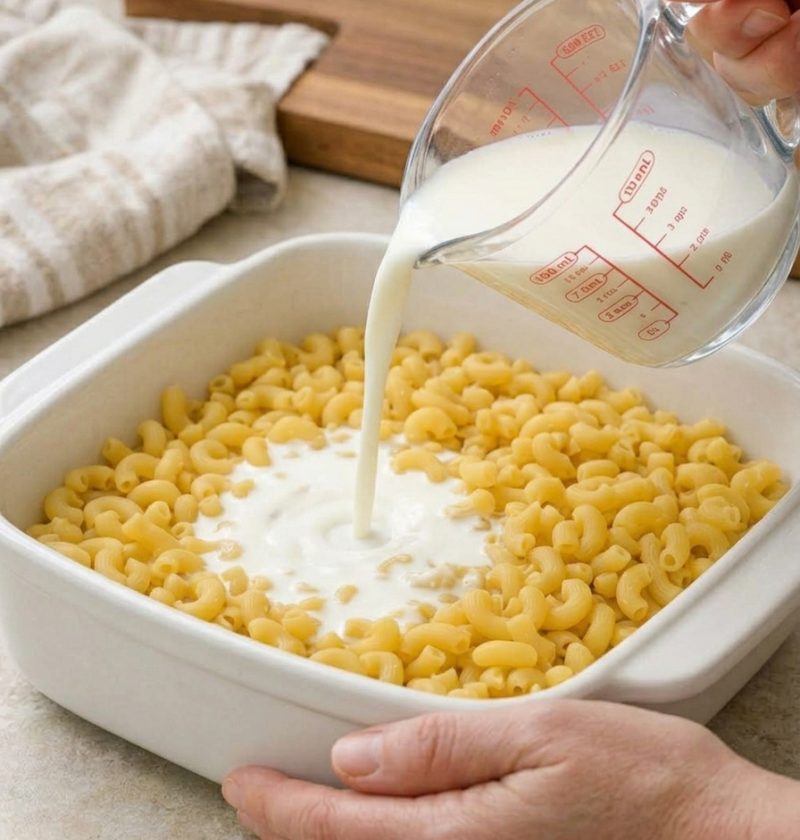
This is my go-to when dinner isn’t planned and energy is low. You pour cold whole milk right over dry elbow macaroni in a ceramic casserole dish, layer on cheese and butter, cover it with foil, and let the oven handle everything. No boiling, no roux, no extra pots. Just five pantry staples and about fifty minutes — and you’ve got creamy, bubbly mac and cheese that tastes like you actually tried. Why You’ll Love It No boiling required — dry pasta goes straight into the dish, no extra pots or draining One dish to clean — everything bakes together …
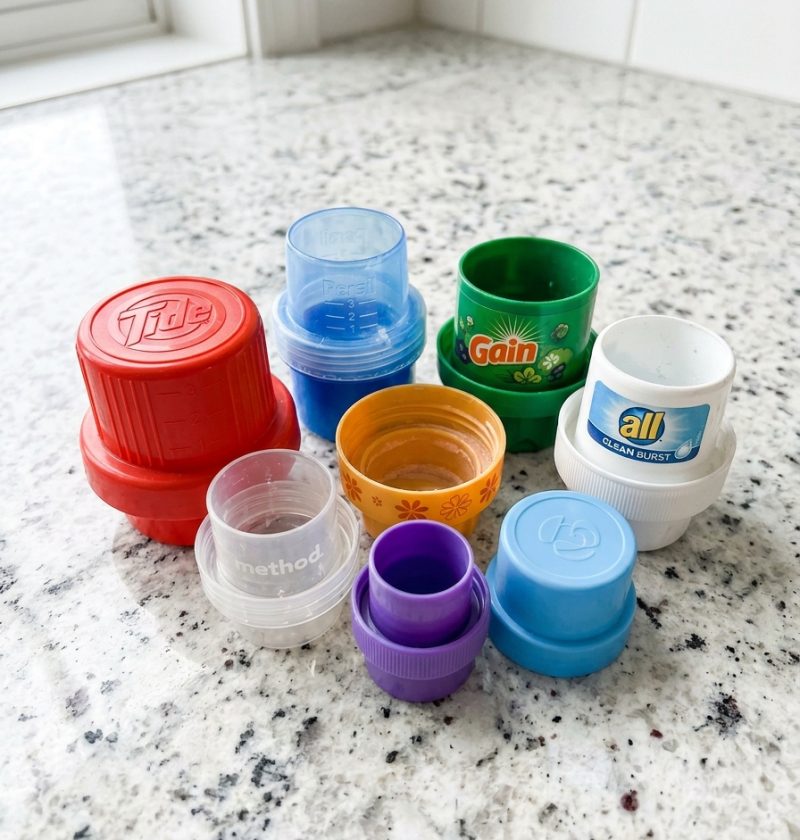
Let’s be honest—most of us don’t give laundry detergent caps a second thought. You pour, you rinse, you toss. Done. But here’s the thing: those chunky little plastic caps? They’re oddly durable. Colorful, too. And when you pause for a second (just a second), you realize… they’re basically tiny containers waiting for a new job. Sustainability doesn’t always mean big lifestyle overhauls. Sometimes, it looks like keeping a handful of detergent caps in a drawer and thinking, “I could use this.” So before you throw the next one away, here are ten genuinely useful—and sometimes unexpectedly fun—ways to give it …
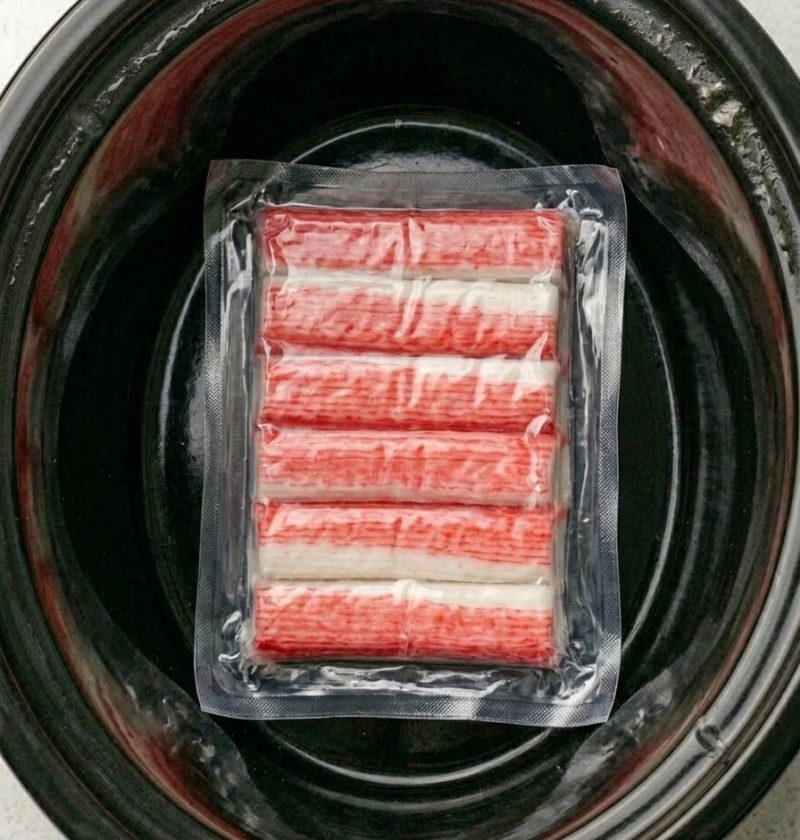
This 4-ingredient slow cooker imitation crab is the kind of low-effort, high-comfort dinner that earns a permanent spot in your weeknight rotation. You nestle a whole block of imitation crab into the crock, pour three simple ingredients over the top, and let the slow cooker do everything. The result is silky, buttery, and rich — the kind of dish that tastes like you spent way more time on it than you actually did. Why You’re Going to Love This One Only 4 ingredients — imitation crab, cream of mushroom soup, heavy cream, and butter. That’s the whole list. The slow …
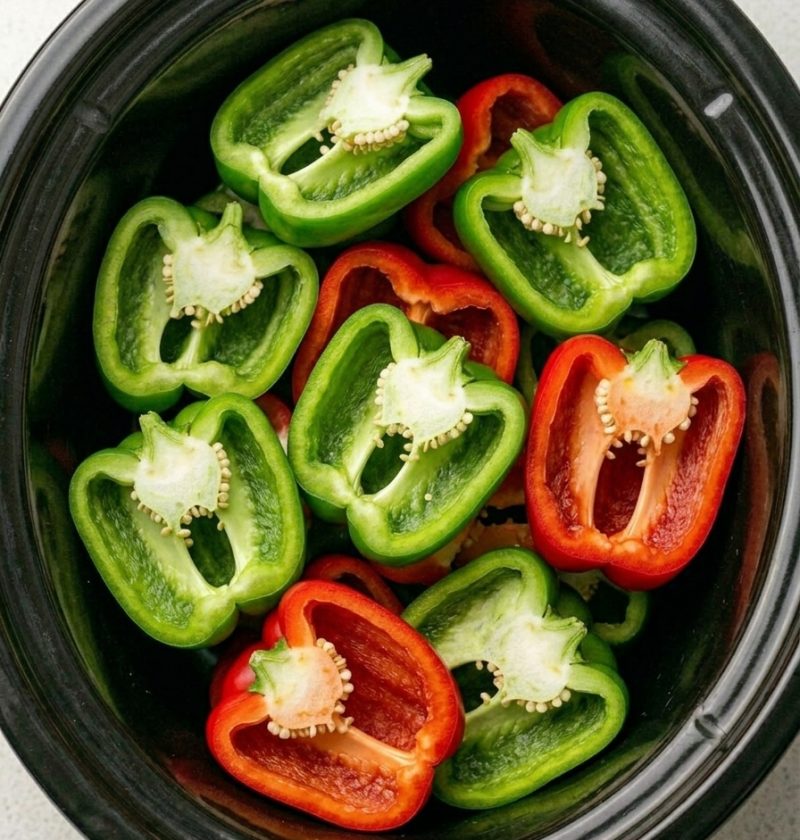
These slow cooker stuffed peppers are the weeknight dinner I keep coming back to. Raw halved peppers go straight into the slow cooker — no parboiling, no browning the meat — and you end up with something that tastes like you actually fussed over it. Just five ingredients, minimal prep, and dinner practically makes itself. Why You’ll Love It Only 5 ingredients — nothing fancy, nothing you have to hunt down at a specialty store No browning, no parboiling — the raw sausage and peppers go straight into the slow cooker and come out perfectly cooked Try our Oven-Braised Beer …
Let’s be honest for a second—most of us don’t think twice about tossing an old eyeglass case. You get a new pair of glasses, maybe a sleeker case comes with it, and the old one? It ends up in a drawer… or worse, the trash. Forgotten. Done. But here’s the thing—those little cases are tougher and more versatile than they get credit for. They’re compact, durable, and oddly satisfying to repurpose once you start noticing the possibilities. And if you’ve been trying—maybe loosely, maybe seriously—to cut down on waste, this is one of those small, low-effort wins that actually sticks. …