It always seems to happen at the worst possible time.
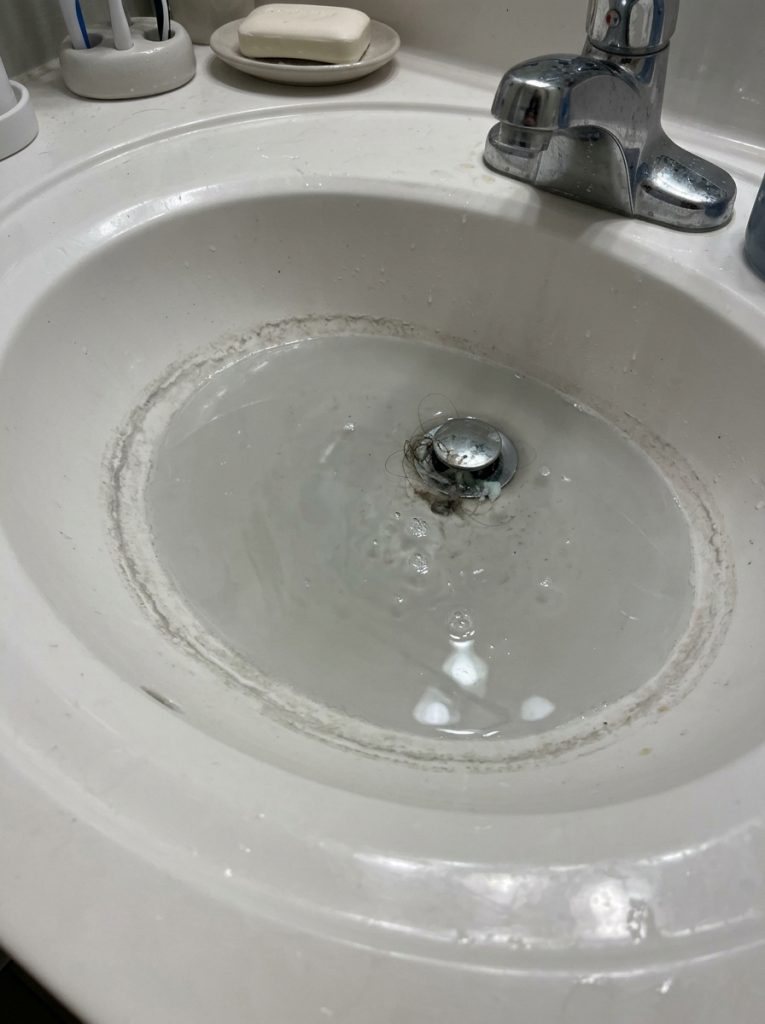
You’re rinsing your face, maybe rushing to get ready, and suddenly the water just… sits there. Not quite flooding, not quite draining. Just lingering like it has nowhere better to be.
And if this hits during the holidays? Good luck getting a plumber on short notice. Everyone’s booked, prices creep up, and you’re left staring at a slow drain wondering if this is about to ruin your week.
Here’s the good news—most slow bathroom sink issues aren’t as dramatic as they feel in the moment. In fact, a lot of them come down to a few very fixable things: hair, soap buildup, or just years of quiet neglect (it happens).
Let me walk you through a handful of practical fixes. Nothing fancy. No special tools required. Just real-life solutions that actually work.
First Things First… Is It Just This Sink?
Before you start taking things apart, pause for a second.
Turn on another faucet. Maybe the kitchen sink. Maybe the shower.
If everything else drains fine, then you’re dealing with a localized clog—which is honestly the best-case scenario.
But if multiple drains are slow? That’s a different story. It could mean something deeper in your plumbing system, and that’s usually where DIY starts to hit its limits.
Still, don’t panic. Start small.
The Stopper Situation (It’s Usually This, Honestly)
Let’s talk about the sink stopper.
You know—the little plug that goes up and down? It’s also a magnet for hair, soap residue, toothpaste gunk… basically everything you don’t want sitting in your pipes.
Pull it out. It might twist off or lift straight up depending on the design.
And fair warning—it might not look great.
Clean it off thoroughly, rinse it, and put it back.
Then run the water again.
Sometimes… that’s it. Problem solved. Feels almost too easy, right?
A Zip Tie, Really? Yes—And It Works
If the stopper didn’t fix things, there’s probably buildup a little deeper down.
Now, you could buy a drain snake. Or—you could grab a zip tie and make your own.
Cut tiny notches along the sides to create little hooks. Slide it into the drain, twist, and pull it out slowly.
What comes up might be… unpleasant. But effective.
And honestly, this trick works way better than it has any right to.
Boiling Water—Simple, But Surprisingly Helpful
Here’s where things get almost boring… but stick with me.
Boil a pot of water. Carefully pour it down the drain in stages.
What this does is break down soap scum and greasy residue that builds up over time—especially if you use heavier products like conditioners or thick cleansers.
Quick note: If your pipes are PVC, go easy. Extremely hot water can stress the joints.
But for metal pipes? This step can make a noticeable difference.
The Classic Baking Soda + Vinegar Combo
You’ve probably seen this one before. There’s a reason it sticks around.
Pour baking soda into the drain. Follow it with vinegar.
Then… wait.
You’ll hear fizzing—that’s the reaction working through minor buildup. It’s not magic, but it does help loosen things up.
After 15–20 minutes, flush with hot water.
It’s gentle, safe, and doesn’t come with the harsh side effects of chemical cleaners.
When You Need a Bit More Power
Alright, if nothing so far has worked, it might be time to step it up slightly.
A wet/dry vacuum—if you have one—can actually pull clogs out instead of pushing them deeper.
Seal the drain as best you can (a wet cloth works), switch to liquid mode, and let it do its thing.
It’s one of those methods people overlook… until it works. Then it becomes their go-to.
Using a Plunger (Without Making a Mess)
Yes, plungers aren’t just for toilets.
But technique matters here.
Make sure there’s enough water in the sink to cover the plunger head. Block the overflow hole (this is key), and plunge with quick, firm motions.
It’s not about brute force—it’s about creating pressure.
And when it works, you’ll know immediately.
The P-Trap… Not Glamorous, But Very Effective
If you’re still dealing with a slow drain, it’s probably time to look under the sink.
That curved pipe? That’s the P-trap. And it’s designed to catch debris.
Place a bucket underneath. Unscrew it carefully.
And yes… there will be stuff inside.
Clean it out, rinse it, reattach everything, and test the drain again.
It’s messy, sure. But it’s also one of the most reliable fixes.
About Those Chemical Drain Cleaners…
It’s tempting. You see the bottle, it promises instant results, and you just want this problem gone.
But here’s the thing—those cleaners can be rough on your pipes.
Over time, they can weaken materials, especially in older plumbing systems. Not to mention they’re not exactly friendly to the environment.
Occasionally? Maybe. But as a regular fix? Not ideal.
Keeping It From Happening Again (Because It Will)
Once your sink is finally draining like it should, you’ll want to keep it that way.
A few simple habits help more than you’d think:
- Use a drain strainer (cheap, effective)
- Rinse with hot water once a week
- Avoid letting hair and thick products go straight down
It’s not about perfection—just consistency.
And Finally… Knowing When to Call It
Sometimes, despite everything, the problem sticks around.
And that’s your signal.
If the clog keeps coming back, or multiple drains start acting up, it’s probably something deeper—something that needs professional tools.
There’s no shame in that.
DIY can take you far. But not all the way.
The Takeaway (Because This Happens to All of Us)
A slow drain feels like a big problem when you’re standing there watching water refuse to move.
But most of the time? It’s manageable.
A little patience. A few simple tools. Maybe a slightly gross moment or two.
And just like that—you’re back to normal.
Or at least… close enough.