A few winters ago, my heels got so dry they actually snagged on my bedsheets. Not exactly glamorous. At first, I ignored it — figured it was just cold weather doing its thing — but eventually the cracks started hurting whenever I walked barefoot across the kitchen tile.
So naturally, I did what most people do. I soaked my feet every night in steaming hot water, scrubbed them like I was sanding old furniture, layered on lotion, and expected miracles by morning.
Except my heels kept getting worse.
That’s the annoying part about dry, cracked heels: a lot of the things people think are helping can quietly make the problem worse. I didn’t know that at the time. Honestly, I thought more soaking meant more moisture. Seems logical, right?
Apparently not.
It took one conversation with a dermatologist — plus a ridiculous amount of trial and error — before I finally understood what my skin actually needed. And weirdly enough, the routine that worked best was simpler, gentler, and far less “spa day” than I expected.
First Off… Why Do Heels Crack So Easily Anyway?
Your heels deal with a ton of pressure every single day. Every step pushes the skin outward, especially around the edges. If that skin gets dry and stiff, it loses flexibility and starts splitting under pressure.
That’s basically what cracked heels are: dry skin that can’t stretch anymore.
Winter weather makes it worse, obviously. Indoor heating dries the air out. Hot showers strip away natural oils. Open-back slippers don’t help either — though I’ll admit I still wear mine constantly because they’re comfortable and I refuse to learn lessons quickly.
And then there’s the thick skin issue.
Most people think calluses are protective, but super thick calluses actually crack more easily because they become rigid. Kind of like dried clay. Once I heard that comparison, it clicked immediately.
My heels didn’t need harsher scrubbing. They needed balance.
The Daily Foot Soaks? Yeah… About That
This one surprised me most.
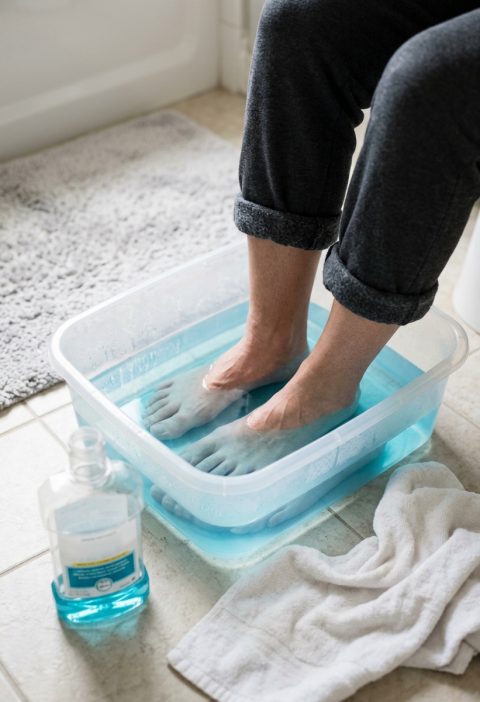
I genuinely believed soaking my feet every night was “rehydrating” them. Meanwhile, I was basically stripping the remaining oils from my skin over and over again.
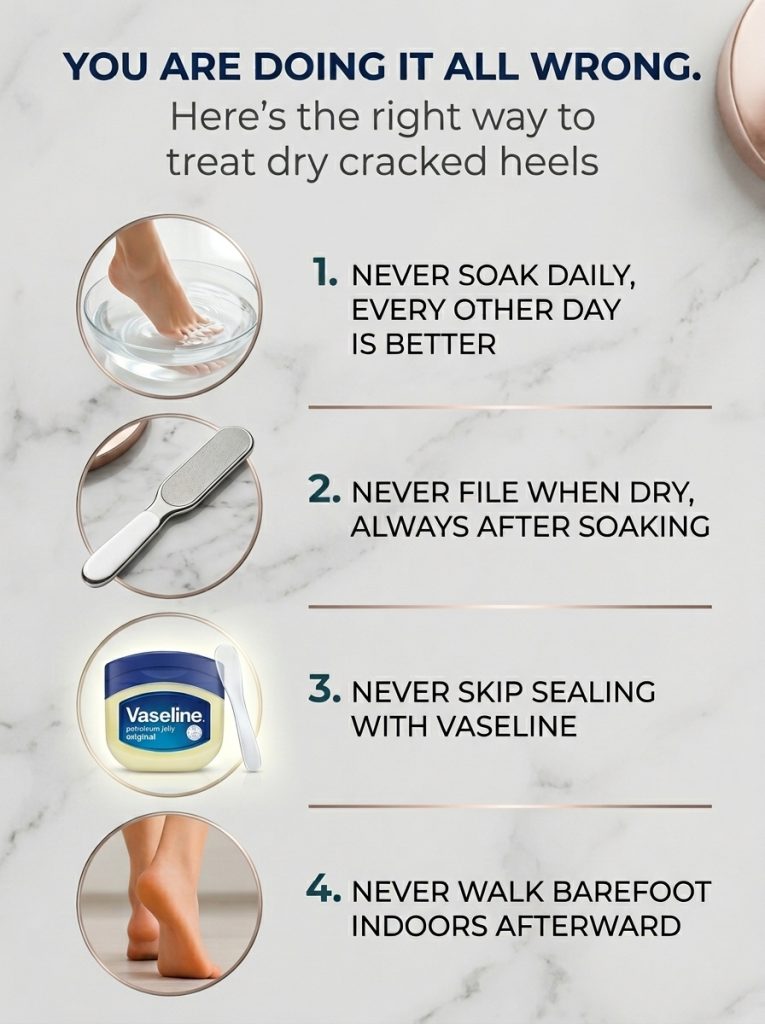
Too much soaking — especially in hot water — dries heels out more in the long run. Dermatologists usually recommend soaking only once or twice a week, and not for very long either.
Ten minutes max.
The temperature matters too. Warm water softens skin without wrecking your moisture barrier. Hot water feels amazing in the moment, sure, but your skin pays for it later. Sort of like how a blazing hot shower feels incredible until your face suddenly resembles sandpaper afterward.
Same idea.
Now I keep foot soaks short and boring:
- Lukewarm water
- No heavily scented soaps
- Sometimes a little Epsom salt if my feet ache
- That’s it
Nothing Pinterest-worthy. Just effective.
Filing Your Heels Matters More Than Fancy Creams
Here’s the mistake I made for months: I kept piling moisturizer on top of thick dead skin and expecting it to somehow sink in.
It doesn’t really work like that.
If your heels are heavily callused, moisturizer has trouble penetrating the surface. That dead skin layer acts almost like a shield. Which means exfoliation matters — but gentle exfoliation.
After soaking, I started using a basic pumice stone while my skin was still slightly damp. Not aggressively. Not until my feet turned pink and sensitive. Just enough to smooth rough spots.
That tiny shift changed everything.
And listen, I know those viral videos showing people shaving layers off their heels are oddly satisfying to watch. I get it. But using blades at home is risky. One bad slip and suddenly you’re limping around your apartment questioning your life choices.
A simple foot file works perfectly fine.
Moisturizer Is Important… But Timing Is What Helped Me Most
For the longest time, I’d slap lotion on my feet randomly during the day whenever I remembered. Which, honestly, wasn’t often.
Turns out timing matters.
The best moment to moisturize is right after a shower or foot soak when your skin is still slightly damp. That’s when your heels hold onto hydration better.
And thick creams work better than lightweight lotions. I learned that the hard way after wasting money on beautifully scented body creams that basically disappeared into thin air five minutes later.
The ingredients that helped most were:
- Urea
- Glycerin
- Shea butter
- Lactic acid
Urea especially made a huge difference. It hydrates while softening rough skin at the same time, which feels almost unfair compared to regular lotion.
Honestly, once I switched to a proper foot cream, my heels stopped feeling tight within days.
The Vaseline Trick Felt Old-Fashioned… Until It Worked
I avoided petroleum jelly for years because it felt messy and kind of old-school. Like something your grandmother would keep in a medicine cabinet next to expired cough drops.
Then I tried it.
And annoyingly, it worked incredibly well.
After applying foot cream at night, I started sealing everything in with a thin layer of Vaseline. Not a giant glob — just enough to lock moisture in overnight.
That’s the important part people miss: Vaseline itself doesn’t “add” moisture. It traps the moisture already there so your skin doesn’t lose it while you sleep.
Big difference.
My heels looked noticeably better within a week. Not perfect, but softer. Less angry-looking. The deep white cracks started fading instead of getting worse.
Sleeping in Socks Isn’t Glamorous, But Here We Are
I resisted this step longer than I should have because sleeping in socks sounded mildly ridiculous.
But cotton socks after moisturizing genuinely help.
Without them, most of the cream rubs off onto your sheets instead of staying on your skin. The socks keep everything where it belongs while your heels repair overnight.
Also, weird bonus: your feet stay warmer, which somehow makes winter mornings slightly less offensive.
Tiny victory.
Walking Barefoot Indoors Was Quietly Ruining My Progress
This one hurt emotionally because I love walking barefoot at home.
But hard floors are brutal on dry heels.
Tile and hardwood create friction while also pulling moisture away from the skin. So even when I was moisturizing properly at night, spending all day barefoot indoors kept undoing the progress.
Now I wear soft house slippers most of the time. Not because it’s fashionable — absolutely nobody has ever looked glamorous in orthopedic-style house shoes — but because my heels stopped cracking.
Fair trade.
Internet Foot Hacks? Some Are Fine. Some Are Truly Weird.
The internet has some deeply strange ideas about foot care.
I’ve seen people rub lemon halves on cracked heels, soak their feet in vinegar, use mouthwash mixtures, banana peels, even toothpaste at one point. Toothpaste! Humanity really refuses to leave skin alone.
Some hacks are harmless enough. Others can irritate damaged skin badly, especially if your heels are already cracked open.
Acidic ingredients are the biggest offenders. Lemon juice on split skin feels exactly as terrible as you’d imagine.
The truth is, the boring routine works best:
- Gentle exfoliation
- Thick moisturizer
- Petroleum jelly
- Socks overnight
- Consistency
That’s really it.
No miracle product. No overnight cure. Just small habits repeated often enough that your skin finally catches up.
The Part Nobody Wants to Hear: You Have to Keep Doing It
This was the hardest lesson for me personally.
You can’t “fix” cracked heels once and forget about them forever. Skin care is maintenance. Kind of like cleaning a kitchen — skip it too long and suddenly the situation becomes aggressive.
Now I spend maybe five minutes a day on my feet, total. Moisturizer before bed, occasional filing, slippers indoors. Nothing dramatic.
And honestly? My heels look better now than they did when I was doing all those intense nightly soaking routines.
Which still feels backwards somehow.
But skin is weird like that sometimes.