There’s always that one family member who swears by a homemade health ritual. Maybe it’s garlic in honey, vinegar before bed, or a mysterious tea brewed in an old saucepan that somehow smells like both dirt and hope.
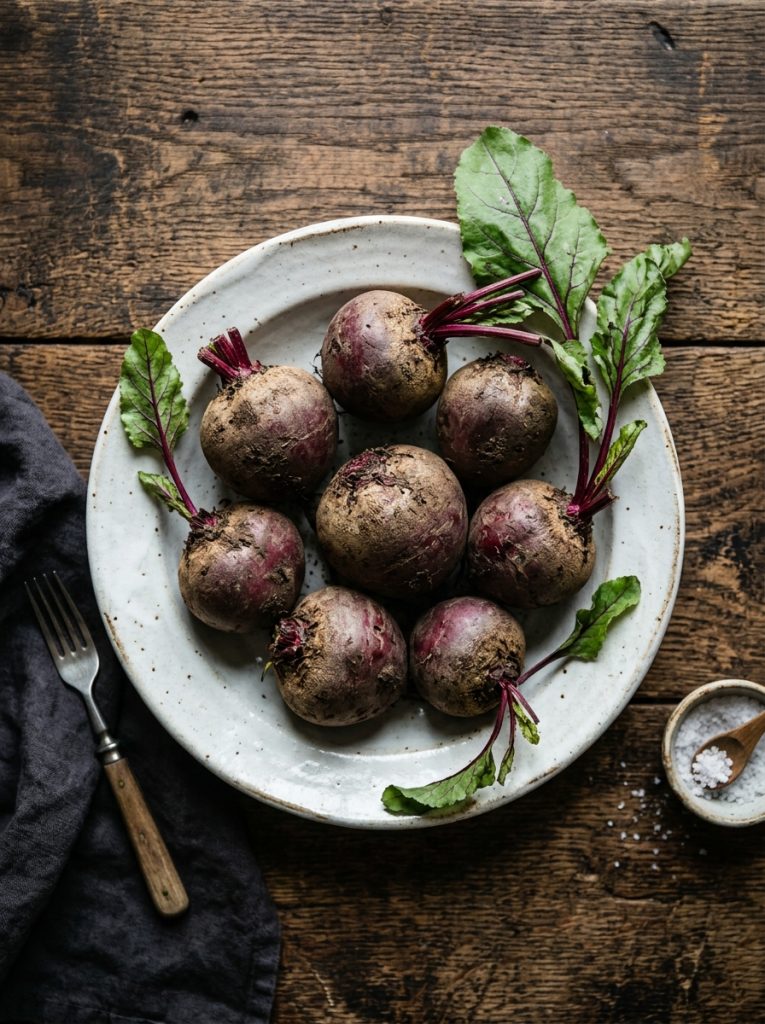
For my grandpa, it’s raw beets.
Every single morning, without fail, he peels and eats four whole raw beets because he believes they keep his circulation strong. Honestly, he looks pretty good for his age. He’s energetic, walks daily, and insists his hands don’t get cold anymore. But still… four raw beets? Every day? That started to feel like a lot.
And it turns out, that concern isn’t completely unreasonable.
Beets really are good for circulation — there’s solid science behind that. But like many “healthy” foods, there’s a point where more doesn’t necessarily mean better. Here’s what experts say about eating raw beets daily, and whether my grandpa’s habit is genius… or maybe a little excessive.
So, What Makes Beets Such a Big Deal?
Beets have become one of those foods that quietly moved from old-school garden vegetable to wellness superstar. You’ll see beet powders at health stores, beet shots at juice bars, even athletes sipping concentrated beet juice before workouts.
Why? Mainly because of nitrates.
Natural nitrates found in beets help the body produce nitric oxide, a compound that relaxes and widens blood vessels. Think of it like loosening a kinked garden hose so water can flow more freely. Better blood flow can mean lower blood pressure, improved circulation, and sometimes even better endurance during exercise.
That part is very real.
Research has shown that beet consumption may help reduce blood pressure by several points, especially systolic pressure. For some people, that’s meaningful. Not miracle-level meaningful, but enough that cardiologists and dietitians actually pay attention to it.
And beyond circulation, beets bring a lot to the table nutritionally:
- Folate for healthy cell function
- Potassium for heart and muscle health
- Fiber for digestion
- Vitamin C and manganese
- Antioxidants called betalains, which give beets their deep ruby color
They’re nutrient-dense without being complicated. Nature did most of the work already.
Four Raw Beets a Day… Is That Too Much?
Here’s the thing: most nutrition experts would probably raise an eyebrow at four large raw beets every single morning.
Not because beets are dangerous — they’re not — but because quantity matters.
A medium beet contains a decent amount of nitrates and oxalates. Multiply that by four, every day, and you’re entering territory that may not work well for everyone long term.
For healthy adults, eating one or two beets a day is usually considered fine. Some people drink a small glass of beet juice daily with no issues. But four whole raw beets consistently? That’s pushing well past what most studies examine.
And raw matters here too.
Cooking softens some of the compounds that can irritate digestion or contribute to kidney stone risk. Raw beets keep everything concentrated — fiber, oxalates, sugars, all of it.
My grandpa might tolerate them perfectly. Another person could end up bloated, cramping, or running to Google after discovering their urine suddenly turned pink.
Which, yes, happens.
The Pink Pee Panic Nobody Warns You About
The first time someone experiences beeturia — pink or reddish urine after eating beets — it can feel genuinely alarming.
It looks dramatic. Like, “should I call a doctor?” dramatic.
But in most cases, it’s harmless. The pigments in beets simply pass through the body and tint urine or even stool. Some people experience it more than others depending on stomach acid levels and iron metabolism.
Still, if it suddenly appears out of nowhere or happens alongside fatigue or other symptoms, it’s worth mentioning to a healthcare provider.
And honestly, this is where health trends get weird sometimes. People hear “natural” and assume unlimited amounts are automatically safe. But even healthy foods can stress the body when eaten excessively.
Water is healthy too, and yet drinking absurd amounts can land someone in the ER. Human biology is funny like that.
The Kidney Stone Concern Is Real
This is probably the biggest issue experts mention with heavy beet consumption.
Beets are high in oxalates — naturally occurring compounds that can contribute to calcium oxalate kidney stones in susceptible people. Spinach, rhubarb, almonds, and Swiss chard fall into this category too.
Now, not everyone who eats beets gets kidney stones. Far from it.
But if someone already has a history of stones, poor hydration habits, or certain metabolic conditions, regularly eating large quantities of raw beets could increase the risk.
Cooking helps reduce oxalate levels somewhat. Staying hydrated helps too. Pairing oxalate-rich foods with calcium-containing foods may also lower absorption.
Still, four raw beets every morning? That’s enough to make some dietitians suggest scaling back a bit — especially for older adults.
But Wait… Aren’t Raw Vegetables Supposed to Be Better?
Well, yes and no.
Raw vegetables sometimes preserve heat-sensitive nutrients like vitamin C. But cooked vegetables can actually improve digestion and nutrient availability in other ways.
Beets are a good example of that tradeoff.
Raw beets retain more crunch and slightly more vitamin C. Cooked beets, meanwhile, are easier on the stomach and lower in oxalates. The nitrates — the compounds linked to circulation benefits — stay fairly stable either way.
So if someone enjoys beets primarily for cardiovascular support, roasting or steaming them still works quite well.
And honestly? Roasted beets taste better to a lot of people. Sweeter, softer, less like chewing sweet dirt. I said what I said.
Blood Sugar: Probably Fine, But Worth Watching
Beets do contain natural sugars. They’re not candy-level sweet, but they’re sweeter than many vegetables.
Thankfully, whole beets also contain fiber, which slows sugar absorption. That means most healthy people can eat beets without major blood sugar spikes.
Juicing changes the equation a little.
Once fiber gets stripped away, sugars absorb faster. That’s why whole beets are usually a smarter option than large glasses of concentrated beet juice, especially for people with diabetes or insulin resistance.
Again, moderation matters more than fear.
Signs Someone Might Be Overdoing It
The body tends to send hints when something isn’t sitting well. Excessive beet consumption may cause:
- Stomach cramps or bloating
- Diarrhea from excess fiber
- Persistent beeturia
- Nausea
- A metallic taste in the mouth
- Digestive discomfort after meals
None of these automatically mean beets are “bad.” It just means the dose may be too high for that individual.
And that’s something nutrition conversations often miss — healthy eating isn’t one-size-fits-all.
There Are Other Foods That Help Circulation Too
Beets get all the social media glory, but they’re hardly the only circulation-friendly food around.
Leafy greens like spinach and arugula also contain nitrates. Fatty fish provide omega-3s that support heart health. Berries contain antioxidants that help blood vessels function properly. Even garlic has some evidence behind it.
In other words, good circulation usually comes from overall dietary patterns, not one magical vegetable eaten in heroic quantities every morning.
That’s probably the healthier mindset.
So… Should I Actually Be Worried About Grandpa?
Probably concerned, yes. Panicked, no.
If your grandpa feels well, has normal kidney function, stays hydrated, and his doctor knows about his diet, four raw beets daily may not be causing immediate harm. Some people tolerate high-fiber, high-nitrate foods remarkably well.
But it’s still more than most nutrition professionals would casually recommend long term.
A safer middle ground might be:
- Reducing portion size slightly
- Rotating in other circulation-supportive foods
- Occasionally eating cooked beets instead of raw
- Monitoring kidney health and blood pressure regularly
Because here’s the truth nobody likes hearing: health isn’t usually built on one extreme habit. It’s built on consistency, balance, and paying attention to how the body responds over time.
Even when Grandpa insists he knows better.