You ever stand back and look at your house and think… when did it start looking like that?
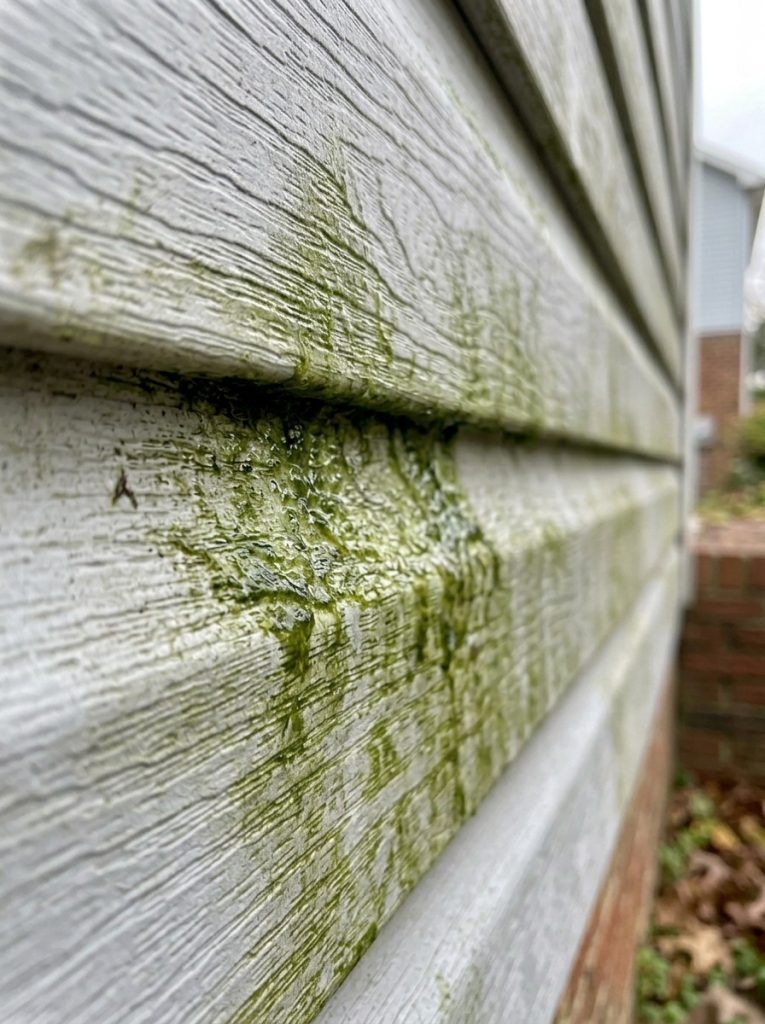
That was me one spring morning. The siding—especially along the shaded side—had this dull green film creeping up like it owned the place. Not dramatic. Not urgent. But definitely not something you want guests noticing before they even knock.
I tried everything. A pressure washer (which, by the way, is way more work than people admit), store-bought cleaners, even scrubbing by hand—once. Just once. That was enough.
Then my neighbor—who somehow always knows the easiest way to do things—leaned over the fence and said, “You’re making this harder than it needs to be.”
Turns out… he was right.
So What’s the Trick? (And Why It Feels Almost Too Easy)
Here’s the thing: you don’t need to scrub.
Not lightly scrub. Not “just a little elbow grease.” None.
The trick is a simple spray-on mixture that does the work for you. You apply it, walk away, and let time handle the rest. That’s it.
Honestly, it felt suspicious the first time I tried it. Like—this can’t actually work.
But it does.
Why That Green Stuff Keeps Coming Back
Before we get into the “how,” it helps to understand the “why”—just briefly.
Green algae loves:
- Shade
- Moisture
- Still air
That’s why it shows up most on the north-facing side of your house or under trees. Vinyl and painted siding don’t help much either—they tend to hold onto moisture just long enough to give algae a comfortable place to settle in.
It’s basically the perfect low-maintenance home… for algae.
The Simple Cleaning Mix (Nothing Fancy, Promise)
This is where it gets refreshingly simple.
You’ll need:
- 1 gallon of water
- 1 cup white vinegar
- 1 tablespoon dish soap
That’s it.
The vinegar handles the algae (it doesn’t like acidity), and the dish soap helps the mixture spread and stick instead of just sliding right off.
No harsh chemicals. No expensive products. No complicated measuring.
Wait—Do Ratios Really Matter? Yeah… a Little
It’s tempting to think, “More vinegar = faster results.”
Not quite.
Too much vinegar can be a bit rough on certain painted surfaces. Stick with:
- 1 cup vinegar per gallon of water
If you’re unsure about your siding, just test a small hidden spot first. It takes 5 minutes and saves you from that “oh no” moment later.
How to Apply It Without Turning It Into a Whole Project
This is where the “no effort” part actually shows up.
Grab a garden sprayer—the kind you’d use for weeds or fertilizer—and fill it with your mix.
Then:
- Spray from bottom to top (prevents streaking)
- Cover the algae thoroughly
- Don’t rush it—just make sure everything’s wet
No ladder. No scrubbing. No awkward reaching.
You’re basically just misting your house and calling it a day.
The Step Most People Mess Up (Don’t Skip This)
Now comes the hardest part… which is doing nothing.
Let the solution sit for 20–30 minutes.
Seriously—walk away. Go make coffee. Check your phone. Do literally anything else.
That sitting time is where the real work happens. The algae starts breaking down and loosening its grip on the surface.
If the buildup is heavy? Let it sit longer. Up to an hour is totally fine.

Rinse—and Watch What Happens
After the wait, grab your garden hose and rinse from top to bottom.
And this is the satisfying part.
The algae doesn’t fight back. It just… slides off. Like it was never that attached in the first place.
No scrubbing. No effort. Just rinse and done.
If you see a stubborn patch, give it a second round. But most of the time? One pass does the job.
Quick Safety Notes (Because It’s Still Worth Thinking About)
Even though the mixture is mild, a few simple precautions go a long way:
- Wet nearby plants before spraying (helps dilute runoff)
- Keep pets away until everything is rinsed and dry
- Test painted areas if you’re unsure
Nothing complicated—just common sense stuff.
How Long Does It Stay Clean?
This surprised me a little.
You’re usually good for:
- 6 months to a year
Of course, it depends on your setup. Lots of shade and humidity? It might come back sooner.
But compared to constant scrubbing? This is a huge upgrade.
Want It to Stay Clean Longer? Do This
A few small habits make a big difference:
- Trim back overhanging trees
- Keep gutters flowing properly
- Rinse siding occasionally with plain water
It’s not about perfection—it’s just about making your siding less inviting for algae to settle in again.
When This Trick Isn’t Enough
Alright—honesty moment.
If your siding hasn’t been cleaned in years, or the algae is really built up, this method might not fully fix it on the first try.
In that case:
- Repeat the treatment
- Or use a stronger siding cleaner
And if things look rough? A professional cleaning might be worth it. Power washing can help—but it’s easy to overdo and damage siding, so it’s not always the first move.
Final Thought (Because This One’s Worth Saying Twice)
Some home maintenance jobs feel like they should be hard.
This one doesn’t have to be.
Once you try this method, it’s hard to go back to scrubbing or dragging out heavy equipment. It’s simple, it works, and honestly—it makes you wonder why nobody tells you about it sooner.
And if you’re like me… you’ll probably end up passing it along to a neighbor someday too.