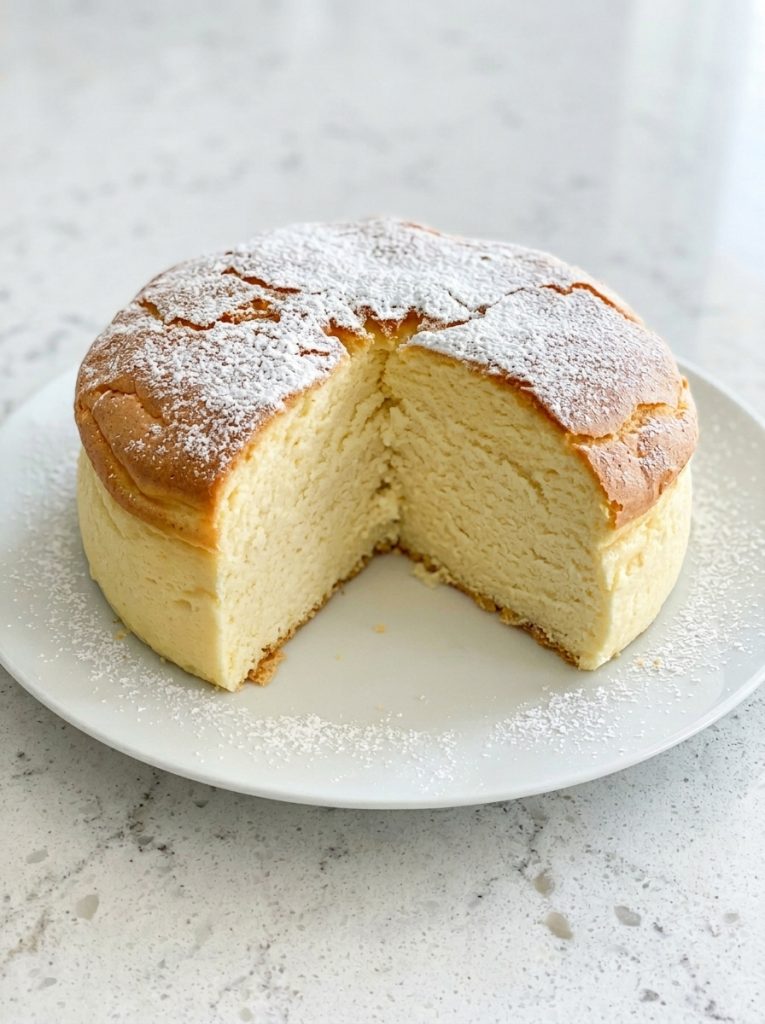
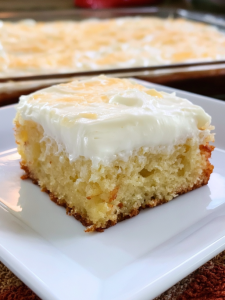
This classic vanilla butter cake is rich, moist, and finished with a warm buttermilk sauce that soaks into every single bite. It’s simple enough for a weeknight but feels special enough for any occasion — and the sauce is what people always ask about.
Why You’ll Love It
Stays moist for days — the buttermilk sauce soaks in and just keeps getting better overnight
No frosting required — the sauce is the topping, which means zero leveling, zero crumb coat, zero stress Try our Blueberry Cream Cheese Crumb Cake next.
Simple pantry ingredients — butter, eggs, flour, vanilla; nothing you need to hunt down
Travels and stores beautifully — covers well, holds up, and disappears fast wherever you bring it
Endlessly customizable — add orange zest, berries, or chocolate chips and it’s a completely different cake
A Few Notes on the Ingredients
Butter — and I mean real butter, please. I’ve tried this with margarine once, years ago, out of stubbornness or maybe just because I was out of the real thing, and it was fine, but fine is not what we’re going for here. Unsalted, softened to where it gives a little when you press it but isn’t slumping.
The vanilla — this is where I will gently get on my soapbox for one second. Pure extract. Not the imitation stuff. I know it costs more and the bottle is tiny and it feels disproportionately expensive for what it is, but it matters here. The whole flavor profile of this cake is vanilla and butter. That’s all it is. So both of those things need to actually be good. If you like this, you'll love our Pineapple Coconut Surprise Cake.
Whole milk, room temperature. Don’t skip the room temperature part. Cold milk makes the batter seize up a little and then you spend the rest of the mixing time trying to coax it back together.
The buttermilk in the sauce — I’ve made this with homemade buttermilk (milk plus a splash of white vinegar, let it sit) when I was out of the real thing. Works fine. Real buttermilk is a little tangier and I think it cuts through the sweetness better, but don’t let a missing carton stop you.
Ingredients
For the Cake:
2 cups all-purpose flour
1½ teaspoons baking powder
¼ teaspoon salt
1 cup unsalted butter, softened — and I mean properly softened, not just out of the fridge for five minutes
1½ cups granulated sugar
2 large eggs, room temperature
1 teaspoon pure vanilla extract
1 cup whole milk, room temperature
For the Buttermilk Sauce:
½ cup buttermilk
¼ cup unsalted butter
¼ cup granulated sugar
¼ teaspoon salt
1 teaspoon pure vanilla extract

Instructions
Start by preheating your oven to 350°F. Grease a 9×13-inch baking dish — I use butter and a paper towel, old habit, though cooking spray is fine too.
More recipes you might like


Whisk together your flour, baking powder, and salt in a bowl and set it aside. This step sounds almost too simple to bother with but please don’t skip it. Getting those dry ingredients evenly distributed before they go into the batter saves you from weird pockets of baking powder later. For another easy option, see our Finger Lickin' Good Cake.
In your large bowl, cream the butter and sugar. You want this to go for a few minutes — not just until it’s combined, but until it looks pale and actually fluffy. This is what gives the cake that slightly lighter, less dense crumb. I used to rush this step when my kids were small and always interrupting me, and I could tell the difference. Now I let it run.
Add the eggs one at a time, beating well after each. Stir in the vanilla. Then start adding your dry ingredients alternating with the milk — flour, milk, flour, milk, flour. Beginning and ending with flour. I don’t know exactly why this matters but it does seem to, and my mother always did it this way, so here we are.
Pour the batter into your prepared pan. It’ll be thick and smooth. Bake for 30 to 35 minutes — mine usually hits that clean-toothpick moment right around 32, but ovens are their own creatures. Start checking at 28 if yours runs hot.
While the cake is in the oven, make the sauce. Combine the buttermilk, butter, sugar, and salt in a small saucepan over medium heat, stirring pretty much constantly. You’re not trying to reduce it or do anything dramatic — just melt everything together, get the sugar dissolved. Add the vanilla at the end, off the heat.
When the cake comes out, while it’s still warm — this part is important, don’t wait — poke holes all over it with a fork. Not aggressively. Just enough. Then pour the sauce over the top slowly, letting it pool into the holes and work its way down.
Here is the hard part: let it cool. I know. I’ve cut into this cake while it was still hot and warm and I understand the impulse, but the texture is genuinely better once it’s had time to settle and the sauce has soaked in fully. An hour at minimum. Overnight in the fridge is kind of revelatory, actually. You might also like our Anti-Crabby Cake.
Variations
My daughter adds orange zest to the batter sometimes — about a teaspoon — and the first time she told me I thought that sounded wrong, and then I tried it and it was excellent. I haven’t fully forgiven her for being right about that.
I’ve thrown in a handful of blueberries once, folded in at the end. They kind of burst during baking and made it messy but in a good way. I think raspberries would be even better. I keep meaning to try it and somehow never do.
Someone once told me you could do this as a bundt cake instead of a 9×13. I’ve never tried it. If you do, let me know how the sauce situation works out, because I genuinely don’t know how you’d pour it evenly over a bundt and I’m a little skeptical. Try our Coconut Topped Cream Cheese Sheet Cake next.
Storage
This keeps well at room temperature for two days — covered, obviously. After that I put it in the fridge where it’ll last another three or four days without issue. I actually prefer it cold. If you like this, you'll love our Pineapple Coconut God Bless America Cake.
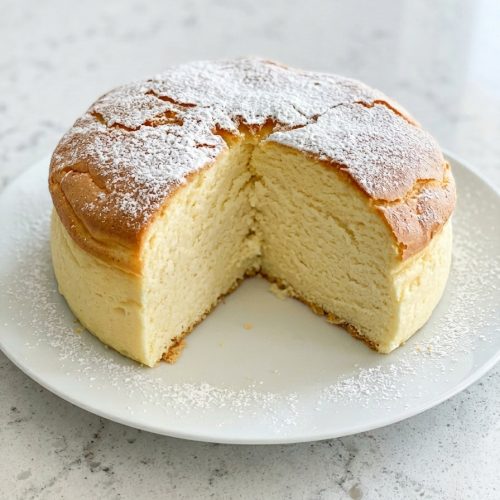
Southern Vanilla Butter Cake Recipe
Want This Recipe Later?
Ingredients
- 2 1/2 cups all-purpose flour
- 2 cups granulated sugar
- 1 cup butter softened
- 1 cup whole milk
- 4 large eggs
- 1 tbsp vanilla extract
- 2 1/2 tsp baking powder
- 1/2 tsp salt
Instructions
- Preheat the oven to 350°F and grease and flour a 9x13-inch baking pan.
- In a medium bowl, whisk together the all-purpose flour, baking powder, and salt.
- In a large bowl, beat the softened butter and granulated sugar until light and fluffy.
- Add the eggs one at a time, beating well after each addition.
- Mix in the vanilla extract.
- Add the flour mixture alternately with the milk, mixing just until combined.
- Spread the batter evenly into the prepared baking pan.
- Bake for 30–35 minutes, or until a toothpick inserted in the center comes out clean.
- Let the cake cool before slicing and serving.
Notes
Nutrition
Nutrition values are estimates based on the listed ingredients and serving count. Actual values vary with brands, cuts and portion sizes.