It wasn’t a huge deal at first. Just a simple takeout order—walk in, grab the food, walk out. Easy.
Then the screen flipped around.
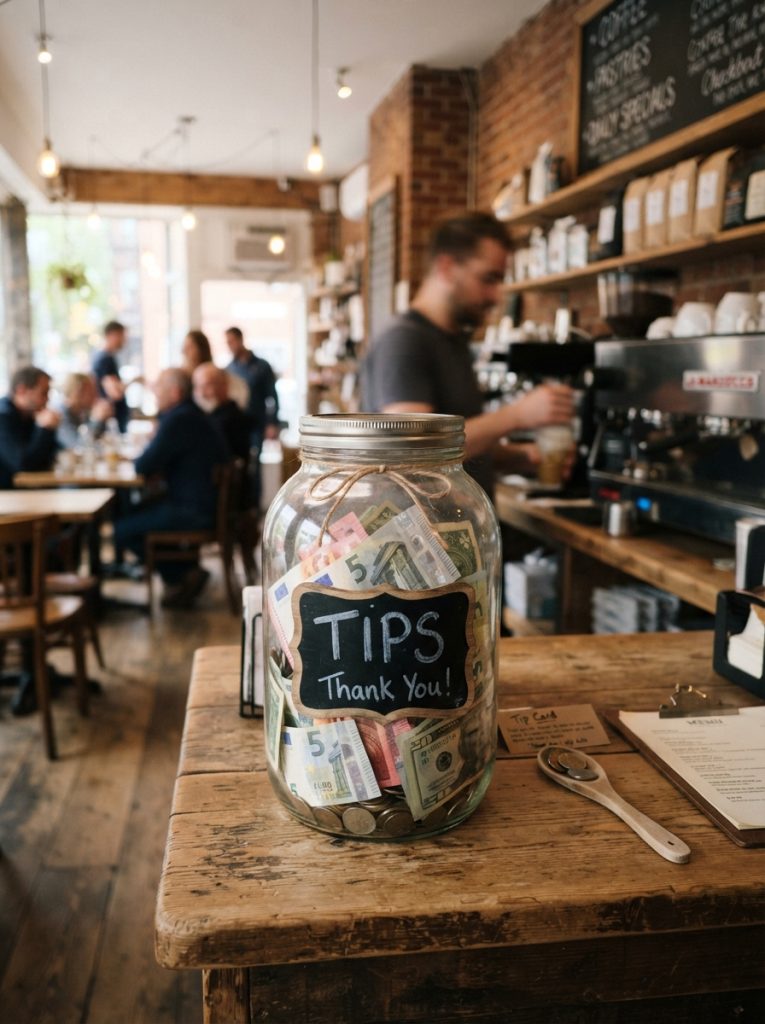
Tip options: 15%, 20%, 25%.
My dad paused. Looked at the cashier. Looked back at the screen. And then, well… he made it known he wasn’t thrilled.
“No one even served me,” he said, a little louder than necessary.
You could feel the tension. The cashier froze. People behind us shifted. And just like that, a quick pickup turned into a whole moment.
Later, the question came up—half defensive, half genuinely curious:
Is it actually rude not to tip for carryout?
Let me explain. It’s not as straightforward as it used to be.
Why takeout tipping suddenly feels… weird
Not long ago, tipping was simple.
Sit down → get served → tip your server.
Done.
But now? Everything’s blended together. You’ve got dine-in, delivery, curbside pickup, app orders, QR codes… and tip prompts everywhere. Even when no one technically “served” you.
Honestly, it throws people off.
A lot of folks—like my dad—grew up with a clear mental rule: tips are for table service. So when that same expectation pops up on a takeout receipt, it feels… misplaced.
And yet, restaurants didn’t just invent this out of nowhere.
What that tip line is really signaling
Here’s the thing most people don’t see right away:
That tip line isn’t random. It’s a signal.
It says: someone worked on your order beyond just cooking it.
Even for takeout, there’s usually a small chain of people involved:
- Someone took or confirmed the order
- Kitchen staff prepared it
- Someone packed it, checked accuracy, added utensils, sauces
- Sometimes, someone manages pickup flow or customer questions
It’s not full-service dining. But it’s not zero service either.
So the tip line? It’s less of a demand and more of a quiet nudge: “If you feel this had value, you can show it.”
Still… that doesn’t mean everyone agrees.
Wait—how much work does go into takeout?
More than most people think.
Packaging alone can be surprisingly detailed. Ever opened a bag and everything was perfectly organized? Sauces labeled, hot and cold items separated, no spills?
That didn’t happen by accident.
There’s also timing—making sure your order isn’t sitting too long, coordinating multiple dishes, adjusting for special requests (“no onions,” “extra sauce,” “gluten-free”).
It’s a bit like backstage work in a theater. You don’t see it, but it keeps the show running.
Does that equal table service? No. But it’s not nothing either.
The case for tipping on carryout
Let’s be fair—there are good reasons people choose to tip.
For one, tips often supplement income. In many places, restaurant workers still rely on them heavily. Even if they’re not your server, they’re part of a system where tips matter.
And beyond the money, there’s the gesture.
A small tip says: “I see the effort.”
Especially if:
- Your order was large or complicated
- The staff accommodated special requests
- You’re picking up during a rush (Friday night chaos, anyone?)
It’s not about obligation—it’s about acknowledgment.
The case against tipping (and why people push back)
Now, here’s where my dad—and plenty of others—have a point.
Takeout doesn’t include ongoing service. No refills, no table checks, no cleanup. So for many people, tipping feels… disconnected from what they received.
There’s also tip fatigue.
Everywhere you go now—coffee shops, bakeries, self-checkout kiosks—you’re asked to tip. And after a while, it starts to feel less like appreciation and more like pressure.
Then there are service fees. Some places already add charges labeled “service,” “kitchen fee,” or “operational fee.” If you’re paying those, it’s reasonable to wonder:
Am I already covering this?
So no—choosing not to tip on takeout doesn’t automatically make someone rude.
But context matters.
When skipping the tip actually does feel rude
Here’s where things get a little nuanced.
Not tipping might raise eyebrows if:
- You placed a large, complex order that required extra coordination
- Staff clearly went out of their way to help you
- You’re a regular and consistently decline tipping without exception
- It’s a high-pressure moment (holidays, packed weekends)
In those cases, skipping a tip can come off less like a choice and more like disregard.
It’s subtle—but people feel it.
The messy reality: wages, fees, and confusion
Part of the problem is bigger than any one customer.
Tipping culture is tangled up with how restaurants pay their staff. Some workers earn low base wages and depend on tips. Others don’t. Some places pool tips; others don’t.
And those extra fees? They’re not always transparent.
Sometimes they go to staff. Sometimes they don’t.
So customers are left guessing. And guessing usually leads to discomfort—or frustration.
Honestly, it’s not surprising people react emotionally. My dad’s reaction wasn’t just about that one tip screen. It was about the whole system feeling unclear.
When tipping on takeout really makes a difference
If you’re unsure when to tip, here are moments where it’s genuinely appreciated:
- Big group orders (think office lunches)
- Highly customized meals
- Late-night or last-minute requests
- Busy rush periods
- Small, family-run restaurants
In those cases, even a modest tip—5% to 10%, or just a few extra dollars—can go a long way.
Not huge. Just… thoughtful.
Avoiding “the scene” at the counter
No one wants to be that person holding up the line.
So here’s a simple trick: decide before you get there.
Have a loose rule in your head:
- “I’ll tip a couple dollars on small orders”
- “I’ll tip if it’s complicated”
- “I won’t tip unless there’s extra service”
Whatever works for you—just make it consistent.
And if you’re unsure? You can always ask casually:
“Hey, do tips usually go to the staff for takeout?”
Most places will answer honestly. And that alone can defuse the awkwardness.
Make your own tipping rules (seriously)
There’s no universal law here. And pretending there is only adds pressure.
So build your own approach based on:
- Your budget
- Your values
- The situation
Some people always tip a little. Others rarely do. Most fall somewhere in between.
What matters more is being intentional—not reactive.
And about family disagreements… yeah, those happen
Tipping might seem small, but it touches on bigger ideas—fairness, respect, money, even generational habits.
So when people disagree (like my dad and, well, everyone else that day), it’s rarely just about the tip.
It’s about perspective.
The best move? Talk it out later, not at the counter. Share viewpoints. Maybe even laugh about it once the tension fades.
Because honestly, we’ve all had a moment like that.
So… is it rude not to tip for carryout?
Short answer: not inherently.
Longer answer: it depends.
It depends on the effort involved, the situation, and your awareness of what’s happening behind the scenes.
Skipping a tip doesn’t make you a bad person. But being thoughtful about it? That’s what people notice.
And maybe that’s the real takeaway here.
Not the percentage. Not the screen.
Just the awareness that even quick, simple transactions often involve more people—and more effort—than we realize.