You ever have one of those tiny, oddly specific realizations that makes you question your entire kitchen routine?
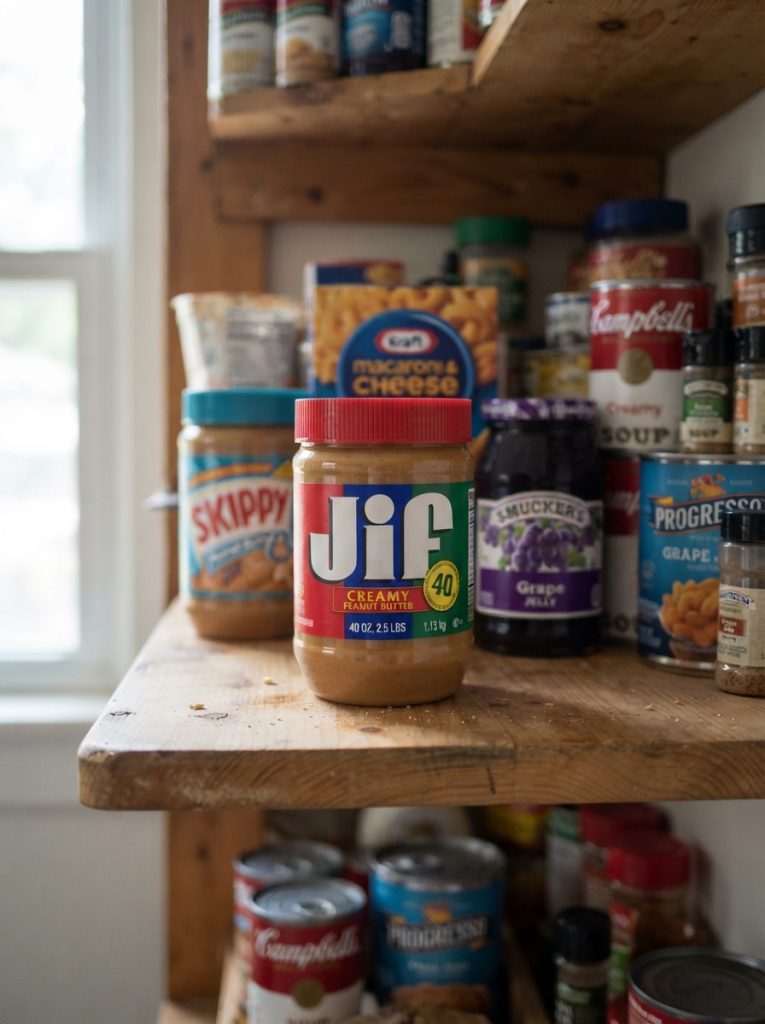
That was me—standing there with a half-used jar of peanut butter, wondering: Wait… should this be in the fridge? Has it been sitting out too long?
It sounds trivial. But honestly, peanut butter is one of those foods we all use constantly and rarely think about. It just… exists. In the pantry. Always ready. Always fine.
Or is it?
Let me explain.
So, What’s Actually in Peanut Butter?
At its core, peanut butter is pretty simple. Ground peanuts. Oil. Maybe a bit of salt. Sometimes sugar or stabilizers, depending on the brand.
That simplicity is actually the reason it lasts so long.
Peanut butter is low in moisture and high in fat—two things that make it less friendly to bacteria. Unlike dairy or cooked leftovers, it doesn’t spoil quickly in a dangerous way.
But here’s the catch: just because it doesn’t grow bacteria easily doesn’t mean it stays perfect forever.
The real issue isn’t safety—it’s quality.
The Shelf Life Question Everyone Kind of Guesses At
Let’s be honest—most people don’t check the label. You open a jar, use it over time, and assume it’s fine until it looks… suspicious.
Here’s a clearer picture:
- Unopened peanut butter: can last a year or more
- Opened peanut butter: best within 3–6 months
That said, plenty of people stretch that timeline. And often? Nothing terrible happens.
This is where things get a little contradictory.
Yes, peanut butter can last longer. But no, it won’t taste the same.
The Real Enemies: Air, Heat, and Time
Peanut butter doesn’t spoil like milk. It doesn’t suddenly turn dangerous overnight.
Instead, it slowly changes.
The oils inside begin to oxidize—that’s a fancy way of saying they react with air. Over time, that leads to a stale, slightly bitter flavor. Not harmful, just… off.
Heat speeds this up. Light doesn’t help either.
So if your jar sits near the stove or in a warm kitchen corner, it’s aging faster than you think.
Pantry or Fridge? The Debate That Won’t Die
Here’s where people get oddly passionate.
Some swear by the pantry. Others insist refrigeration is the only way.
Truth is, both are right—depending on the kind of peanut butter.
Pantry storage:
- Keeps it soft and spreadable
- Totally fine for regular (processed) peanut butter
- Ideal if you’ll finish it within a few months
Fridge storage:
- Slows down oil oxidation
- Extends shelf life
- Best for natural peanut butter
But yeah—the fridge comes with a downside. Ever tried spreading cold peanut butter? It’s basically edible cement.
Natural vs Regular: This Part Actually Matters
Not all peanut butter behaves the same.
Regular peanut butter (think smooth, no separation):
- Contains stabilizers
- Oils don’t separate
- Stays fresh longer in the pantry
Natural peanut butter (the one with oil floating on top):
- No stabilizers
- Oil separation is normal
- Spoils faster
This is where refrigeration makes a real difference.
If you’ve ever opened a jar of natural peanut butter and found it tasting slightly “paint-like” weeks later… yeah, that’s oxidation doing its thing.
A quick tip? Stir it well before storing it in the fridge. It helps maintain a better texture later.
What Happens If You Leave It Out for a Month?
Here’s the question that probably brought you here.
Short answer: It’s usually still safe.
Longer answer: it depends on conditions.
If the peanut butter was:
- Stored in a cool, dry place
- Kept sealed properly
- Not exposed to excessive heat
…then after a month, it’s very likely fine to eat.
But—and this is important—it might not taste great anymore.
This is the subtle distinction people miss:
Safe doesn’t always mean enjoyable.
How to Tell If It’s Gone Bad (Without Overthinking It)
You don’t need to analyze it like a scientist. Your senses do most of the work.
Watch for:
- A sharp, bitter, or “off” smell
- Darkening color
- Unusual dryness or overly thick texture
- A strange, lingering aftertaste
And of course—if you ever see mold (rare, but possible), just toss it.
Honestly, peanut butter doesn’t usually fail dramatically. It just slowly becomes less pleasant until one day you take a bite and go, “Yeah… no.”
A Slightly Surprising Truth
Here’s something people don’t always expect:
Peanut butter is pretty forgiving.
You can leave it out. You can forget about it for a while. It won’t punish you the way milk or meat would.
But it will quietly downgrade your sandwich experience.
And that’s really the trade-off.
So, What Should You Actually Do?
If you want the simplest, no-stress approach:
- Keep regular peanut butter in the pantry
- Store natural peanut butter in the fridge
- Always close the lid tightly
- Avoid heat and sunlight
- Try to finish it within a few months
That’s it. No complicated rules.
Final Thought: It’s Not About Fear, It’s About Flavor
You know what? This whole peanut butter dilemma isn’t really about safety.
It’s about enjoying your food at its best.
Because a fresh, creamy spoonful? That’s comfort. That’s childhood lunches. That’s late-night snacks that just hit right.
And slightly rancid peanut butter?
Yeah… not quite the same vibe.
So no, you didn’t ruin anything by leaving it out. But now you know a little more—and that next PB sandwich? It’s probably going to taste better because of it.