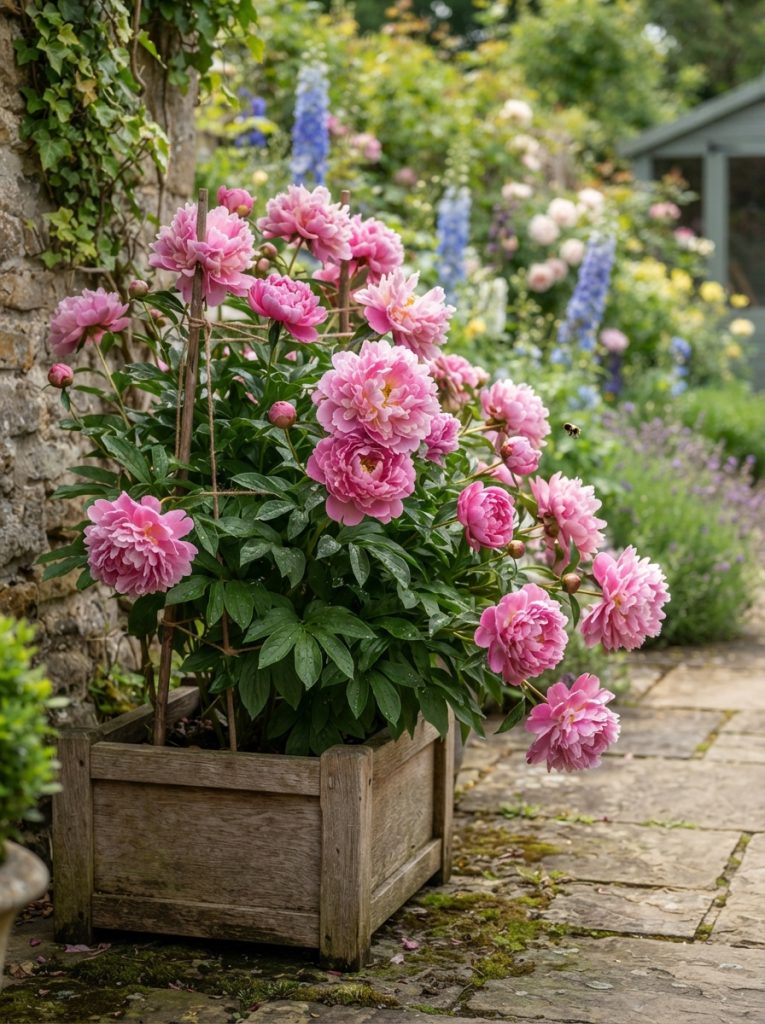
When peonies finish their big, showy moment in June, it’s tempting to mentally check them off for the season. Petals drop, stems look a little tired, and suddenly the garden feels quieter. But here’s the thing—this is not the end. Not even close.
If anything, this is when the real work begins.
Out here in the Midwest, where peonies often outlive the houses they’re planted beside, gardeners treat June like a turning point. My mother used to say you can tell next spring’s blooms by how someone treats their peonies right now. And honestly? She wasn’t wrong.
If you’re hoping for those full, heavy, almost ridiculous blooms next year—the kind that flop dramatically in a vase—you’ll want to pay attention to what happens after flowering ends.
Let me walk you through it.
So… why does June matter so much?
Think of your peony like a savings account. Spring blooms are the big withdrawal. June through fall? That’s when the plant starts saving again.
Everything you do now—every cut, every watering decision, every bit of care—affects how much “stored energy” it carries into next year. Bigger savings, bigger blooms. It’s that simple, and somehow also not.
1. Snip those spent blooms (don’t let them linger)
Once flowers start browning or dropping petals, go ahead and cut them off. Don’t wait until seed pods form—that’s the plant shifting gears into reproduction mode, which pulls energy away from next year’s buds.
A quick trim back to the first strong set of leaves is enough. It’s a small task, but it pays off in a big way.
2. Leave the foliage alone (yes, even if it looks boring)
This is where people get a little impatient.
No blooms = must be done, right? Not quite.
Those green leaves are quietly doing the heavy lifting—photosynthesizing, storing nutrients, building next year’s flower buds underground. Cut them too early, and you’re basically cutting next year’s show short.
It’s not glamorous, but it’s necessary. Let the foliage stay until it naturally yellows later in the season.
3. Be selective about what you remove
Now, that doesn’t mean ignore problems.
If you spot blackened stems, wilted growth, or anything that looks diseased, go ahead and remove it. Just be precise about it. Healthy stems stay. Damaged ones go.
It’s a bit like editing a good piece of writing—you don’t delete everything, just what weakens the whole.
4. Water deeply, not constantly
Peonies don’t like fuss. They especially don’t like being watered a little bit every day.
If June turns dry, give them a deep soak instead—enough to reach several inches into the soil. Then leave them alone for a bit. Their roots prefer consistency, not constant interference.
Also, try to keep water off the leaves late in the day. Damp foliage overnight? That’s practically an invitation for disease.
5. Feed them… but don’t overdo it
You might think more fertilizer equals more flowers. Sounds logical. It’s also wrong.
Too much nitrogen gives you lush, leafy plants—and fewer blooms. What you want is balance. A low-nitrogen fertilizer works well here, applied lightly around the plant, not directly on the crown.
Honestly, if your soil is already rich, even compost alone can do the job.
6. Add compost like a quiet boost
Speaking of compost—it’s one of those things that works in the background.
A thin layer over the soil helps improve structure, adds nutrients slowly, and supports the whole underground ecosystem. Just keep it away from the crown. That central area needs to breathe a little.
Peonies are surprisingly particular about that.
7. Clear out the competition (weeds don’t play fair)
Weeds in June grow fast. Faster than you expect, actually.
They pull moisture, nutrients, and space away from your peonies, especially near the root zone. A clean bed gives your plants room to recover and build strength without competing for resources.
It’s not the most exciting job—but it makes everything else work better.
8. Mulch… lightly, if at all
Here’s a slightly contradictory point: mulch can help, but it can also hurt.
If your soil dries out quickly or gets baked in the sun, a thin layer of mulch can help retain moisture. But too much mulch—especially piled around the crown—can lead to rot or reduced blooming.
So yes, mulch… but gently. Think “supportive,” not “smothering.”
The mistakes that quietly ruin next year’s blooms
Let me be blunt for a second—most peony problems aren’t dramatic. They’re subtle.
- Cutting foliage too early
- Overfeeding with high-nitrogen fertilizer
- Burying the crown too deep
- Letting weeds take over
None of these feel like a big deal in the moment. But together? They add up. And next spring, you’re left wondering why the blooms seem… underwhelming.
A few extra things worth noticing (while you’re out there anyway)
You don’t have to overthink this part, but while you’re tending your plants, take a quick look around.
Is the plant getting enough sunlight?
Are nearby shrubs starting to cast more shade?
Are stems flopping after rain?
These little observations matter. June is a great time to notice patterns, even if you don’t act on them until fall.
Bigger blooms aren’t about one trick
If you were hoping for a single secret—some magic shortcut—I hate to disappoint you. That’s not how peonies work.
Bigger blooms come from consistency. From doing the small, unremarkable things well. From paying attention after the flowers are gone, not just when they’re showing off.
And maybe that’s part of their charm.
Because when those massive blooms return next spring—full, heavy, almost unreal—you’ll know it didn’t happen by accident. It started right here, in June, when most people had already stopped paying attention.
And honestly? That makes it even better.