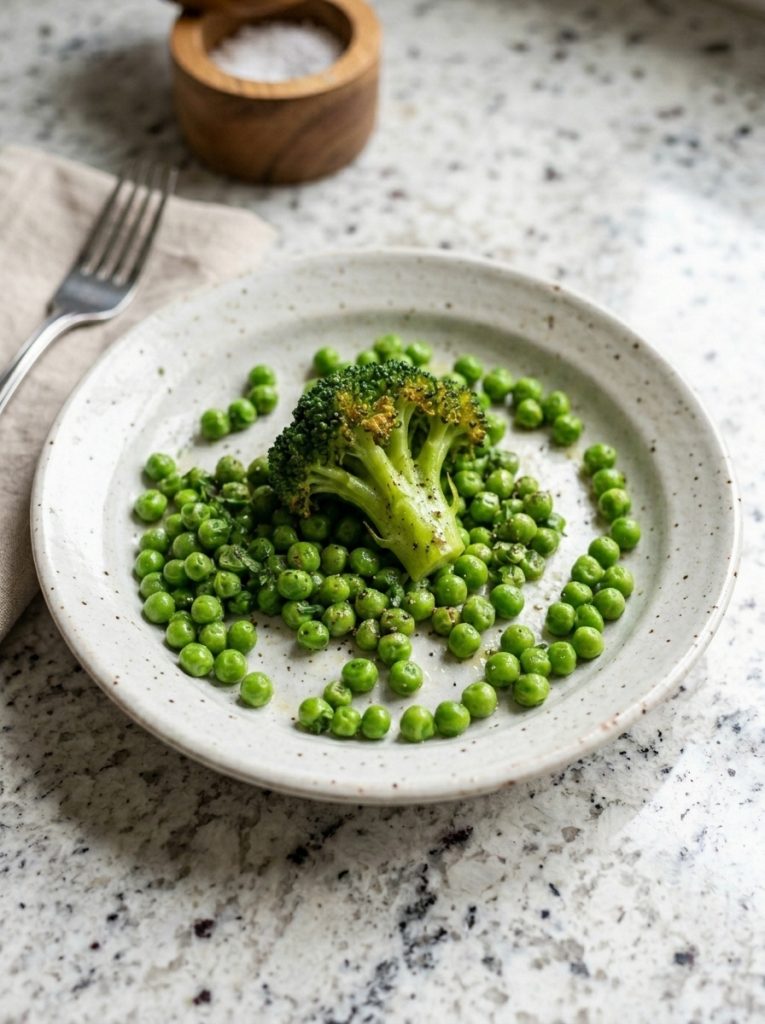
There’s a very specific kind of disappointment that comes from lifting the lid off a pot and finding broccoli that has gone from fresh, lively green to… well, military fatigue. Limp. Olive-drab. Sad.
And honestly? It happens to almost everyone.
You buy broccoli with good intentions—more fiber, more vegetables, maybe a little “I’m eating better this week” energy—and then five minutes too long in hot water turns it into mush. Suddenly healthy eating feels suspiciously less inspiring.
But here’s the thing: perfectly cooked broccoli isn’t hard. It’s mostly timing. A little science. A few habits.
And once you understand why broccoli loses that gorgeous green glow, it gets much easier to keep it vibrant, crisp-tender, and genuinely craveable.
Because broccoli shouldn’t feel like punishment. It can be sweet, nutty, bright, even a little luxurious when treated right.
Let me explain.
1. That Army-Green Color? It’s Chemistry, Not Bad Luck
Broccoli’s color comes from chlorophyll—the same pigment that makes spring grass look impossibly green.
When broccoli hits heat, chlorophyll starts to change. Too much heat, especially for too long, swaps out the magnesium in chlorophyll and creates something called pheophytin.
Sounds dramatic. It kind of is.
That’s what causes the dull olive color.
Translation? Overcooking is usually the culprit.
And it doesn’t take much. A minute or two too long can do it.
Quick cooking is your friend here. Fast heat. Fast finish.
That’s the secret.
2. Don’t Fall for the Baking Soda Trick
You may have heard the old kitchen tip: add baking soda to keep vegetables greener.
Technically? It can intensify green.
But there’s a catch. A mushy, sulfur-smelling catch.
Baking soda wrecks texture. Fast.
Broccoli can go from tender-crisp to baby-food soft in record time.
Not ideal.
Salted water, though? Different story.
A generously salted pot—think pasta water—helps season the broccoli and supports better color without ruining texture.
And really, texture is half the joy.
Maybe more.
3. Timing Matters More Than Almost Anything
This might be the biggest broccoli mistake home cooks make:
They leave it in too long.
Broccoli usually needs only:
- 2–3 minutes for blanching
- 4–5 minutes steaming
- 5–7 minutes roasting at high heat
- 3–4 minutes in the microwave
That’s it.
Seriously.
People treat broccoli like potatoes. It is not a potato.
You’re aiming for tender-crisp. A little bite.
Not collapse.
A fork should meet slight resistance. If florets are falling apart? We’ve gone too far.
And carryover heat is real, too. It keeps cooking after you remove it.
Pull it a little early. It finishes itself.
Kind of magical.
4. The Restaurant Trick: Blanch and Shock
This one feels fancy but is wonderfully simple.
Boil broccoli briefly.
Then straight into ice water.
That’s blanch-and-shock.
Chefs do this constantly because it locks in:
- vivid green color
- crisp texture
- sweetness
- freshness
And yes—broccoli actually tastes sweeter this way.
People forget that.
Overcooked broccoli can taste sulfurous. Properly blanched broccoli tastes almost buttery.
Big difference.
If you prep veggies ahead for meal bowls or salads, this method is gold.
Honestly, it feels like cheating.
5. Steam It Instead of Boiling
If you do only one thing differently, maybe make it this.
Steam.
Boiling submerges broccoli in aggressive heat.
Steaming is gentler.
Kinder, even.
And it protects flavor and nutrients while helping preserve color.
A simple steamer basket over simmering water works beautifully.
Four minutes. Maybe five.
Done.
Bright green. Sweet. Slight snap.
Weeknight magic.
6. Salt the Water Like You Mean It
This deserves its own section because under-salted water makes vegetables taste… flat.
Broccoli especially.
Salt doesn’t just season.
It wakes the vegetable up.
Use enough water and salt it generously.
A rough guide:
1–2 teaspoons kosher salt per quart.
Not ocean water. But close enough.
People often skip this step and wonder why restaurant vegetables taste better.
That’s usually part of it.
Tiny thing. Huge payoff.
7. Cut Florets More Intentionally
Funny little detail, but it matters.
Huge florets cook unevenly.
Tiny shattered bits overcook instantly.
Aim for pieces similar in size.
Uniform florets cook uniformly. That alone helps preserve color.
And use a sharp knife.
Clean cuts bruise less.
Bruised broccoli darkens faster—kind of like apples browning.
Also, don’t ignore stems.
Slice peeled stems into coins and cook them too.
They’re sweet and wonderful.
Waste less. Eat more fiber. Win-win.
8. Sometimes the Lid Is the Problem
This surprises people.
Cooking with a tightly sealed lid can trap too much heat and steam.
And too much trapped steam can push broccoli into overcooked territory fast.
Especially if you forget about it for thirty seconds. Which… happens.
If boiling, keep the pot uncovered.
If steaming, crack the lid near the end if needed.
Let excess steam escape.
You’re managing heat, not imprisoning vegetables.
Little difference. Big visual payoff.
9. Add Lemon After Cooking, Not Before
Acid is lovely on broccoli.
Lemon.
Vinegar.
Even a splash of soy.
But after cooking.
Not before.
Acid during cooking can speed chlorophyll breakdown and dull green tones.
Afterward?
Beautiful.
Try warm broccoli with:
- olive oil and lemon
- sesame oil and flaky salt
- Parmesan and black pepper
- garlic butter (ridiculously good)
And you know what? Broccoli loves a little richness.
People treat it too austerely.
A vegetable can have joy.
10. Do Viral Hacks Work? Some Actually Do
Not all internet cooking tricks are nonsense.
A few are legit.
Ice baths
Absolutely work.
Classic for a reason.
Air fryer broccoli
Very good.
Toss florets with oil, roast around 375°F for 6–8 minutes.
Crisp edges. Bright centers.
Almost addictive.
Microwave steaming
Underrated.
I said it.
A splash of water, covered bowl, 3 minutes.
Shockingly solid.
Sometimes convenience wins.
And that’s okay.
11. Leftover Broccoli Doesn’t Have to Go Khaki
Reheated broccoli often turns sad.
But it doesn’t have to.
Store it dry in an airtight container.
Then reheat gently.
Quick steam.
Short microwave burst.
Even a hot skillet works.
Don’t “recook” leftovers.
Warm them.
Big difference.
And if broccoli’s destined for tomorrow’s pasta, fried rice, or grain bowl, slightly undercook it the first time.
Future-you will thank present-you.
12. Make Fiber Look Exciting Again
Let’s be honest—“eat more fiber” can sound about as thrilling as paperwork.
But broccoli can be part of genuinely craveable meals.
Try it in:
- grain bowls with tahini drizzle
- roasted broccoli pasta
- stir-fries
- sheet pan dinners
- broccoli cheddar soup
- garlic-Parmesan roasted sides
Pair it with color too.
Red peppers.
Carrots.
Cherry tomatoes.
Meals look brighter, taste brighter.
And somehow eating well feels easier when the plate looks alive.
Funny how that works.
The Real Secret? Don’t Overthink Broccoli
Maybe that’s the biggest lesson.
People fuss too much.
Broccoli likes simplicity.
Quick cooking.
Salt.
Good timing.
A little attention.
That’s it.
Not elaborate techniques.
Not weird additives.
Just treating a good vegetable well.
And once you taste broccoli that stays emerald-green and sweet with a little snap—really taste it—you may never go back to sad, army-green florets again.
Honestly?
Fiber starts looking pretty appealing after that.