I remember the first time I heard someone say, “Don’t eat too much soy, it messes with your hormones.”
It sounded serious. Almost a little scary.
But then… I kept seeing completely different opinions. Some people were adding flax seeds to everything. Others were saying phytoestrogens help during menopause. So which is it?
Here’s the honest answer: it’s not as dramatic as people make it sound.
Let’s break it down in a way that actually makes sense.
First—what are we even talking about?
Estrogen is one of those hormones people think they understand… until they try to explain it.
Yes, it’s linked to female health, but it’s not exclusive. Men have it too, just in smaller amounts. It helps regulate things like bone density, mood, and metabolism. So it’s not something you want to completely mess with.
Now, phytoestrogens? Different story.
They’re natural compounds found in plants. Their structure kind of resembles estrogen, which means they can interact with the same receptors in your body.
But “kind of” is doing a lot of work here.
They’re weaker. Much weaker. And sometimes they act like estrogen, other times they don’t. That’s why the conversation around them feels all over the place.
So why do people eat them on purpose?
Good question.
A lot of it comes down to menopause. When estrogen levels drop, the body notices—hot flashes, night sweats, mood swings… it’s not subtle.
Some studies suggest phytoestrogens can help ease those symptoms. Not dramatically, not overnight—but enough that people notice.
There’s also talk about:
- Better cholesterol levels
- Stronger bones over time
- A lower risk of certain cancers
But let’s be real for a second—nutrition research is rarely black and white. One study says something helps, another says “maybe,” and a third says we need more data.
Still, the general trend? It leans positive.
The foods themselves (this is where it gets practical)
You don’t need a supplement. These compounds show up in everyday foods.
Some more than others.
Flax seeds — small, but weirdly powerful

These things are tiny, but they come packed with lignans, which are a type of phytoestrogen.
People sprinkle them on yogurt, blend them into smoothies, mix them into oats… it’s one of those “quietly healthy” habits.
There’s even research linking flax to a lower risk of breast cancer in postmenopausal women. Not a guarantee, obviously—but interesting enough to keep them in rotation.
Soy (and yes, this includes tofu and edamame)

Soy has been dragged into so many debates it’s almost funny.
Here’s what we actually know: it contains isoflavones, which can mimic estrogen to a degree.
Some people benefit from it—especially when it comes to reducing hot flashes. Others don’t notice much difference.
And despite the rumors, there’s no strong evidence that normal soy consumption messes with testosterone in men. That one refuses to die, though.
Dried fruits — easy to overlook

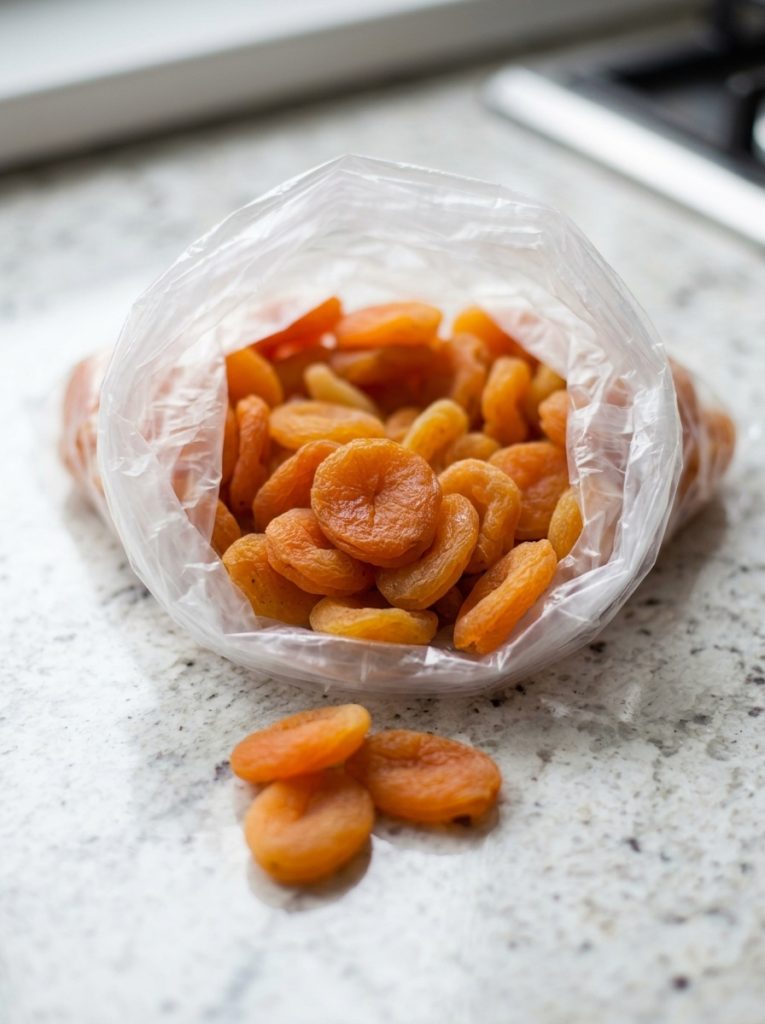
Dates, prunes, dried apricots… they don’t get marketed as “hormone-supporting foods,” but they do contain phytoestrogens.
They’re also high in fiber, which matters more than people think for overall hormone balance.
The only downside? They’re easy to overeat. A handful turns into three without you noticing.
Sesame seeds — quietly doing a lot

You’ve probably eaten these without thinking twice.
They contain compounds that may support bone health, especially later in life. Some newer research even suggests they could help maintain estrogen levels after menopause.
Not bad for something that usually just sits on top of a burger bun.
Garlic — not just for flavor

Garlic shows up in almost everything, so this one’s easy.
There’s early research suggesting it might help reduce bone loss linked to lower estrogen levels. Most of that research isn’t in humans yet, so take it lightly—but still, it adds another reason to keep using it.
Peaches — simple and underrated

Sweet, refreshing, and surprisingly relevant here.
They contain lignans, similar to flax seeds, just in smaller amounts. Some studies connect lignan-rich diets with a reduced risk of breast cancer.
Again, not something to rely on alone—but part of the bigger picture.
Berries — no surprises here

If a food is labeled “healthy,” berries are usually somewhere on the list.
Strawberries, blackberries, blueberries—they all contain phytoestrogens along with antioxidants and fiber.
They’re one of the easiest additions to your diet. No prep, no effort.
Tofu — one of the most concentrated sources

If you’re eating tofu regularly, you’re getting a solid dose of isoflavones.
It’s also high in protein and pretty adaptable. The texture throws some people off at first, but once you figure out how to cook it properly, it works in a lot of dishes.
Cruciferous vegetables — the overlooked category

Broccoli, cabbage, Brussels sprouts… not the most exciting foods, but they do more than people give them credit for.
They don’t just contain phytoestrogens—they also help your body process hormones more efficiently.
That part doesn’t get talked about enough.
Tempeh — similar to tofu, but different vibe

Tempeh is fermented, which changes both the taste and the nutritional profile.
It’s denser, a bit nuttier, and easier to digest for some people. And like tofu, it’s rich in isoflavones.
So… should you be worried about phytoestrogens?
This is where most people get stuck.
You’ll see headlines about hormone imbalance, fertility issues, thyroid problems… it sounds serious.
But when you actually look at human studies, the evidence just isn’t strong enough to support those fears in normal diets.
In fact, many studies show the opposite—especially when these foods are eaten consistently over time.
So no, eating tofu or flax seeds isn’t going to suddenly “throw off your hormones.”
The part people tend to forget
You’re not eating isolated compounds.
You’re eating whole foods.
Flax seeds come with fiber.
Berries come with antioxidants.
Vegetables come with vitamins, minerals, and all sorts of other compounds working together.
That matters more than one single nutrient.
Final thoughts (without overcomplicating it)
If you’re trying to improve your diet, adding phytoestrogen-rich foods is a pretty safe move.
Not because they’re magical.
Not because they fix everything.
But because they’re part of a balanced way of eating that already supports your body.
And honestly? That’s usually enough.