
Save This Recipe
We'll email this post to you, so you can come back to it later!
There’s usually that one moment after frying something—maybe fries, maybe Chicken—where you look at the pot and think…
That’s a lot of oil.
And then the question comes up:
Do I throw this out… or can I use it again?
If you’ve ever had that debate (sometimes with yourself, sometimes with someone else in the house), you already know—people feel strongly about this.
Some swear reused oil makes food taste better. Others won’t touch it twice.
So what’s actually going on here?
Let’s talk it through in a way that makes sense—not just the science, but what it looks like in a real kitchen.
First Things First—Yes, People Reuse Oil All the Time
This isn’t some weird shortcut.
Reusing oil has been around forever. Long before cooking oil came in neatly labeled bottles, people used what they had—and they used it more than once.
And honestly, even now, it makes sense.
Oil isn’t cheap. Especially if you’re deep frying. Tossing it after one use feels… wasteful. A little painful, even.
So saving it? Totally normal.
The real question is whether it stays safe—and whether it still tastes good.
Not All Oils Behave the Same (This Part Actually Matters)
Here’s something people don’t always think about:
Some oils handle heat like champs. Others fall apart pretty quickly.
If you’ve ever noticed oil smoking early or smelling “off” the second time around, that’s not random.
It comes down to something called the smoke point—basically the temperature where oil starts to break down.
Oils like:
- peanut oil
- canola oil
…they hold up well. They’re stable. You can reuse them a few times if you treat them right.
But oils like olive oil or butter? They don’t love high heat to begin with. Reusing them just speeds up that breakdown.
So right away, the answer isn’t just “yes or no.”
It’s more like—depends what you started with.
What Actually Happens to Oil When You Heat It (In Plain English)
Okay, quick reality check.
When oil gets hot, it doesn’t just sit there quietly.
It changes.
It reacts with air, with heat, with tiny bits of food floating around in it. Over time, those changes stack up.
You might notice it in small ways:
- the color gets darker
- the texture feels thicker
- the smell shifts (kind of stale, kind of sharp)
That’s not your imagination—that’s the oil breaking down.
There are two main things happening behind the scenes:
- it’s reacting with oxygen (which isn’t great long-term)
- and the molecules start linking together, making the oil heavier and less clean
You don’t need to remember the chemistry—but you can trust your senses here. If it looks or smells off, it probably is.
The Health Side—This Is Where People Get Nervous
And for good reason.
As oil breaks down, it can form compounds you don’t really want in your food—things like trans fats and other byproducts that aren’t great if you’re consuming them regularly.
Also, if you leave bits of food sitting in the oil (like crumbs or batter), those can burn over time and make everything worse—flavor-wise and safety-wise.
So it’s not that reused oil is automatically dangerous.
It’s that badly handled oil can become a problem pretty quickly.
But Here’s the Twist—Reused Oil Can Taste Better (Sometimes)
This is the part that keeps the debate alive.
Because… it’s kind of true.
Oil picks up flavor from whatever you cook in it.
So if you fry something like Chicken or turkey, the oil can carry a bit of that savory depth into the next batch—fries, for example.
That’s why some people swear their second fry is better than the first.
But—and this matters—that window is short.
There’s a sweet spot where the oil has a little extra flavor.
After that? It starts going downhill. Fast.
That same oil can suddenly make food taste:
- heavy
- slightly burnt
- just… off
So yeah, it can improve flavor—but only for a while.
How to Reuse Oil Without Ruining It
If you’re going to reuse oil, this is where you want to be a little careful.
Not complicated—just intentional.
Here’s what actually helps:
- Let the oil cool down (not completely, just enough to handle safely)
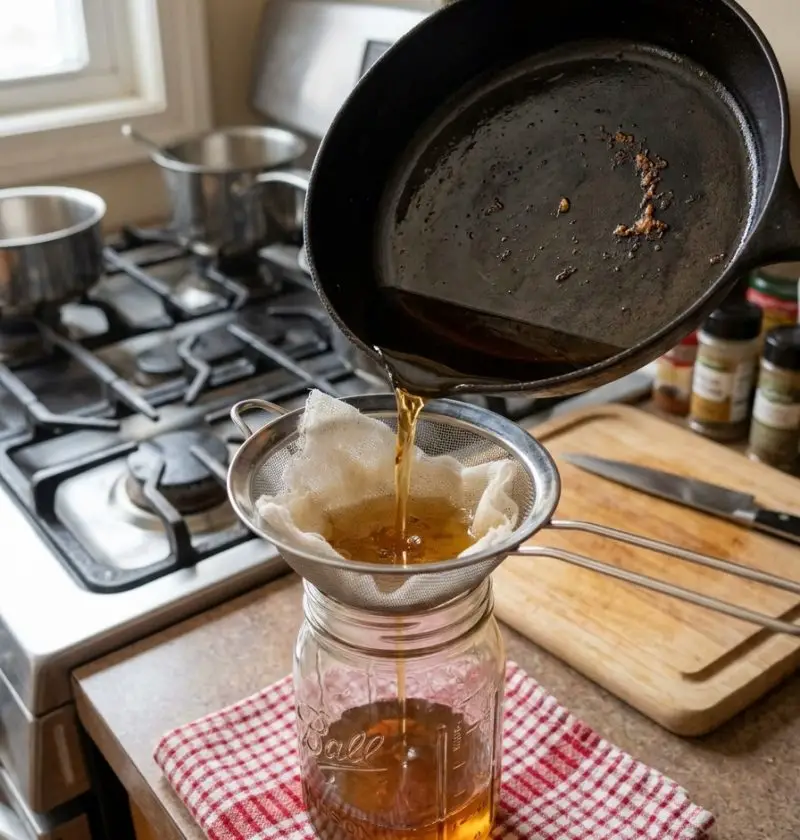
- Strain it—this is big—get rid of any food bits
- Store it in a clean container with a lid
- Keep it somewhere cool and away from light
That’s it.
Some people even label it—what it was used for, when. It sounds extra, but it actually helps you keep track of when it’s time to let it go.
Temperature Is Quietly Doing a Lot of Work Here
This part gets overlooked.
If your oil gets too hot, too often, it breaks down faster. Way faster.
So even if you plan to reuse it, overheating it once can shorten its life a lot.
If you’ve ever seen oil start smoking aggressively—that’s basically the oil saying, “I’m done.”
Keeping the temperature steady (not cranked all the way up) makes a huge difference.
Those Internet Hacks… Yeah, Some Work, Some Don’t
You’ve probably seen a few of these:
- adding fresh oil to “refresh” old oil
- dropping a slice of potato in to absorb bad flavors
Some of them kind of help. Adding fresh oil, for example, can dilute the old stuff a bit.
But none of these fix oil that’s already gone bad.
Once it smells wrong or looks murky, there’s no saving it. No trick is going to reverse that.
What Experts Tend to Say (Without Making It Complicated)
Food safety experts usually land somewhere in the middle.
They don’t say “never reuse oil.”
They just say—be reasonable about it.
A few uses? Fine, if it’s clean and stored properly.
Over and over again? That’s where the risks start stacking up.
It’s less about strict rules and more about paying attention.
One Thing People Forget—The Environmental Side
Throwing oil away every time isn’t exactly great either.
Reusing it a couple of times can actually reduce waste, especially if you cook a lot.
But—and this is important—once you’re done with it, don’t pour it down the sink.
That causes a whole different kind of problem (and not just in your kitchen).
A lot of places have recycling programs for used oil, which is honestly a better way to deal with it.
So… Should You Reuse Cooking Oil?
Here’s the honest answer:
You can—if you do it carefully.
If the oil:
- still smells clean
- looks relatively clear
- hasn’t been overheated
…it’s probably fine for another round or two.
But if you’re hesitating—if something feels off about it—you’re better off tossing it.
The Simple Rule That Actually Works
If you’re not sure what to do, just remember this:
Good oil feels clean. Bad oil doesn’t.
That sounds basic, but it’s Surprisingly reliable.
You don’t need to overthink it.
Use it once, maybe a couple of times if it still looks and smells right—and then move on.
And honestly? Once you’ve had food fried in oil that’s just a little too old… you’ll recognize it instantly next time.