
Save This Recipe
There’s a special kind of disappointment that comes from pulling a beautiful roast chicken out of the oven, admiring that golden glow… then biting in and meeting rubber instead of crunch. You know what? It almost feels personal. You followed the recipe. You preheated the oven. You even sprinkled the fancy salt you bought last month. And still, the skin refuses to cooperate.
The truth is, crispy chicken skin isn’t magic. It’s physics, patience, and a little kitchen street smarts working together. Once you understand why skin turns rubbery, you stop guessing and start cooking with intention. And honestly, that’s when things get fun.
Let me explain.
The Real Villain: Moisture, Sneaky and Persistent
Crispiness and water do not get along. If moisture hangs around on chicken skin, heat turns it into steam. Steam softens. Steam keeps things pale and floppy. That’s how you end up with skin that feels more like a rain jacket than a potato chip.
Even if you pat your chicken dry, water hides in the tiny folds and pores of the skin. Add in rinsing, wet marinades, or packaging juices, and suddenly you’re fighting an uphill battle. The skin never truly gets the chance to brown because it’s busy evaporating moisture.
Here’s the thing: patting dry is necessary, but it’s not the whole story. Think of it like towel-drying your hair. It helps, sure, but it’s not the same as letting it air-dry completely.
Patting Dry Isn’t the Finish Line
A lot of home cooks stop after the paper towel step and wonder why results stay inconsistent. Hidden water remains trapped inside the skin and slowly releases during cooking. That release cools the surface and delays browning.
One quiet kitchen trick that chefs swear by is dry salting. Sprinkle salt over the skin and place the chicken uncovered in the fridge for several hours, or even overnight. Salt draws moisture outward. The fridge air then carries it away. Bonus: the seasoning penetrates deeper, so the meat tastes better too.
It feels almost too simple, doesn’t it? But simple techniques often do the heavy lifting.
The Overnight Fridge Trick (Yes, It’s Worth the Wait)
Leaving chicken uncovered in the fridge might sound risky or strange at first. But the cold, dry air acts like a gentle dehydrator. The skin tightens slightly. Moisture escapes. Texture improves.
Restaurants rely on this kind of air exposure more than most recipes admit. It’s one of those behind-the-scenes habits that never quite makes it onto glossy recipe cards.
Planning ahead pays off here. And honestly, once you taste the difference, waiting feels like a small price to pay.
Crowded Pans Create Steam Traps
Ever notice how vegetables get soggy when piled too tightly on a tray? Same logic applies to chicken. When pieces sit shoulder-to-shoulder, moisture has nowhere to escape. Steam builds up. Crisping stalls.
Give each piece breathing room. Hot air needs space to circulate and carry away evaporating moisture. Whether you’re roasting, baking, or pan-searing, spacing is non-negotiable.
Sometimes this means using two trays instead of one. Slightly more cleanup, sure. But the payoff is real crunch.
Heat Isn’t Just Heat, It’s Fat Chemistry
Chicken skin contains fat. That fat must melt and flow out before true crisping happens. If your oven runs too cool, the fat softens but never fully renders. The skin stays chewy.
Most home ovens perform best for crisping around 400°F or higher. High heat encourages evaporation and browning at the same time. That’s the sweet spot.
Low-and-slow cooking has its place. Chicken skin just isn’t one of them.
Cold Chicken and Hot Pans Don’t Always Get Along
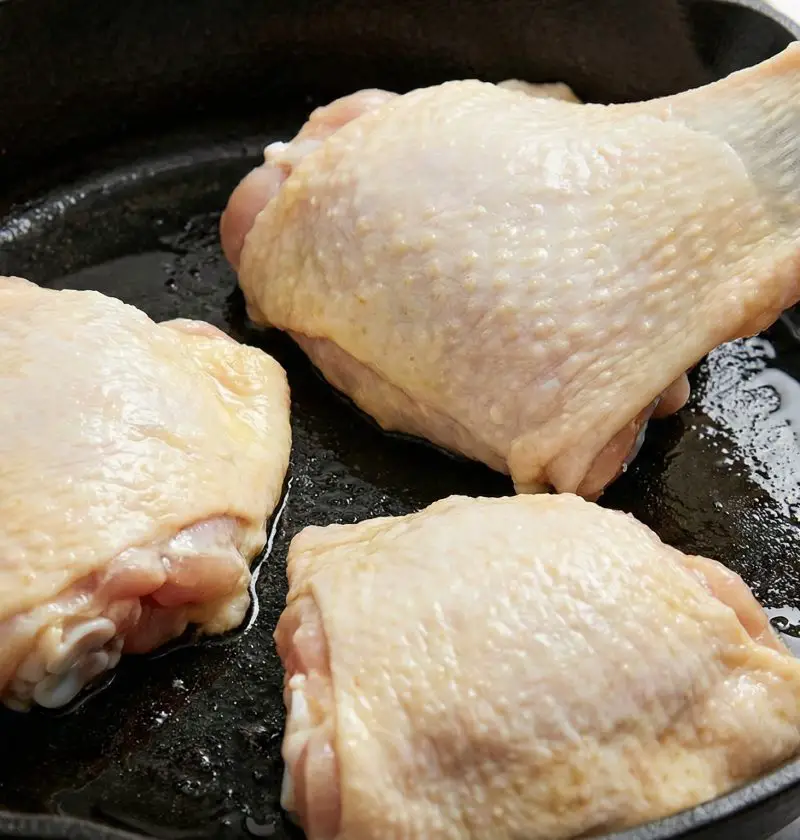
Dropping fridge-cold chicken into a screaming-hot pan can shock the skin. The sudden temperature swing causes the skin to tighten and push out moisture. More steam, more softness.
Let the chicken rest on the counter for 20 to 30 minutes before cooking. It evens out internal temperature and improves how fat renders. The meat also cooks more evenly, which is a nice side benefit.
And while we’re here, stop poking and flipping every 30 seconds. The skin needs quiet time to brown. Trust the process.
Elevation Changes Everything
If chicken sits flat against a pan, the bottom traps moisture. That side steams instead of browns. A wire rack placed over a baking sheet lets air move underneath, drying and browning all sides more evenly.
This setup feels like a small upgrade, but it changes results dramatically. It’s one of those “once you try it, you never go back” moves.
Seasoning Can Either Help or Hurt
Salt helps remove moisture. Wet marinades do the opposite. Thick sauces, sugary glazes, and oil-heavy pastes keep the surface damp and slow browning.
If you love marinades (and who doesn’t?), simply wipe off excess liquid before cooking. Dry rubs work better when crisp skin is the goal. Pepper, garlic powder, smoked paprika, herbs, simple stuff. Flavor still builds without drowning the surface.
Sometimes less mess equals better results. Funny how that works.
Fat Choices: A Little Goes a Long Way
A light coating of neutral oil or clarified butter helps conduct heat and encourage browning. Too much fat creates a shallow fry situation, which can lead to greasy skin instead of shattering crunch.
Choose oils with higher smoke tolerance like avocado oil or refined olive oil. Butter adds flavor but burns quickly unless clarified. Balance matters here.
Internet Hacks: Some Shine, Some Sink
You’ve probably seen the baking powder trick floating around TikTok and YouTube. Surprisingly, it works when used lightly. Baking powder raises surface pH, encouraging browning and helping moisture escape faster. Cornstarch can create a faint, crispy shell when dusted sparingly.
Another solid method is a two-step cook: start at a moderate temperature to melt fat, then finish with higher heat to crisp the surface. It’s like giving the skin a warm-up lap before the sprint.
Not every viral trick deserves trust, though. Anything involving extra liquid, steam baths, or mysterious “secret sprays” usually backfires. Physics still runs the kitchen, no matter how flashy the video edit looks.
Dark Meat Has a Head Start
Thighs and drumsticks naturally crisp better because they contain more fat under the skin. More fat means more rendering, more self-basting, more flavor.
Chicken breasts are leaner and need a little extra help. Higher heat, careful oil use, and patience matter more here. Expectations matter too. Different cuts behave differently, and that’s okay.
Keeping That Crunch After Cooking
Once the chicken reaches crispy bliss, don’t sabotage it at the finish line. Placing hot chicken on a plate traps steam underneath. That steam softens the skin quickly.
Rest chicken on a wire rack instead. If you need to hold it briefly before serving, a warm oven around 200°F keeps heat steady without introducing moisture.
Serve sooner rather than later. Crisp skin loves momentum.
So… Can You Actually Master This?
Absolutely. And here’s the funny part: once you understand moisture control, heat management, airflow, and patience, crispy skin stops feeling mysterious. It becomes repeatable. Reliable. Almost boring, in the best way.
You’ll still have off days. Ovens lie about temperature. Chicken varies. Life happens. But you’ll know how to adjust instead of guessing wildly.
Honestly, that confidence might be the best seasoning of all.