
Save This Recipe
You know what? Gardening has a funny way of humbling you. One year everything sprouts like it’s auditioning for a magazine spread. The next year—nothing. Same soil, same sun, same care. The difference, more often than not, comes down to the seed itself.
Seed refrigeration, also called cold stratification, is one of those quiet gardening steps people skip because it sounds technical. It’s not flashy. It doesn’t involve fancy tools. But for many plants, it’s the difference between seeds that sit there sulking and seeds that actually grow.
In nature, seeds don’t rush. They fall to the ground in autumn, sit through winter’s cold and damp, and only wake up when spring feels safe. Refrigeration simply copies that rhythm. Nothing fancy—just smart.
Seed Dormancy: Nature’s Built-In Pause Button
Seed dormancy exists for a reason. Plants evolved it as a survival trick. A seed that sprouts too early—say, in late fall—doesn’t stand a chance. Dormancy keeps the seed asleep until certain signals show up.
Those signals might be:
-
Cold temperatures
-
Moisture
-
Light changes
-
Time (yes, seeds can count seasons in their own way)
Cold is the big one for many perennials, trees, and wildflowers. Without it, the seed simply refuses to cooperate. It’s not stubborn; it’s cautious.
What Cold Stratification Actually Does
Here’s the thing. Cold stratification doesn’t “force” a seed to grow. It removes the internal brakes that keep it from growing.
Inside many seeds are natural chemicals that block germination. Exposure to cold, damp conditions slowly breaks those down. Once that happens, the seed is finally ready. When warmth returns, growth feels safe again.
Refrigeration just offers a controlled version of winter—predictable, steady, and far less risky than leaving seeds outdoors where weather and wildlife get a vote.
Why Gardeners Swear by Refrigerating Seeds
Gardeners notice a few real-world benefits when they do this step right:
-
Higher germination rates — fewer empty pots staring back at you
-
More even sprouting — seedlings grow at roughly the same pace
-
Better timing — you decide when spring begins
-
Healthier plants — strong starts usually stay strong
And honestly? It saves time. There’s less guessing, less reseeding, and far less disappointment.
A Simple Way to Refrigerate Seeds (No Lab Coat Required)
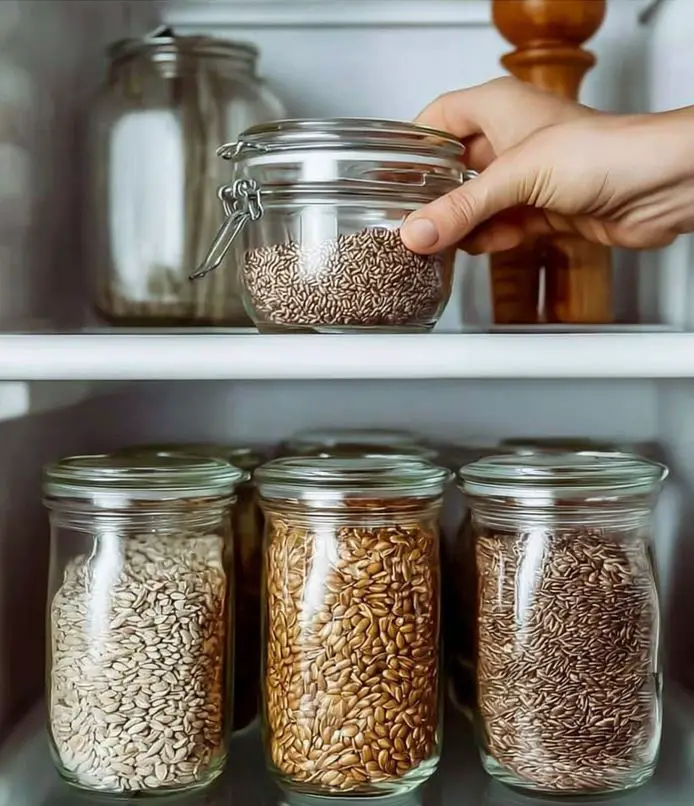
You don’t need special equipment. Your refrigerator works just fine.
Here’s a method that’s reliable and forgiving:
-
Lightly moisten a paper towel (not dripping).
-
Spread seeds evenly inside.
-
Fold the towel and place it in a labeled plastic bag.
-
Seal it—but don’t crush it.
-
Store it in the fridge, not the freezer.
Aim for temperatures between 33°F and 41°F. Most refrigerators naturally sit right there.
Duration depends on the seed. Some need three weeks. Others need three months. Labels help. Trust me—everything looks the same after week four.
Mistakes That Sneak Up on Even Careful Gardeners
A few common slip-ups come up again and again:
-
Too dry — seeds can’t break dormancy without moisture
-
Too wet — soggy seeds invite mold
-
Wrong temperature — freezing damages seeds
-
Not enough time — impatience ruins the whole point
One mild contradiction here: you want moisture, but not enthusiasm. Damp, not soaked. Seeds prefer restraint.
Twelve Seeds That Really Do Need Refrigeration
Some seeds forgive shortcuts. These don’t.
-
Lavender
-
Milkweed
-
Coneflower
-
Lupine
-
Columbine
-
Delphinium
-
Poppy
-
Bluebell
-
Primrose
-
Apple
-
Cherry
-
Maple
Trees, especially, depend on cold periods. Without it, they’ll sit quietly for months and then do nothing at all.
Timing Matters (But Not to the Minute)
Most seed packets offer a range, and that’s intentional. Nature isn’t precise, and neither are seeds.
A few general guidelines:
-
Lavender: about 4–6 weeks
-
Milkweed: 30–60 days
-
Trees: 60–90 days
Longer is usually safer than shorter. Seeds rarely complain about extra cold. They complain loudly about too little.
Does Refrigeration Really Improve Germination?
Short answer? Yes.
Cold exposure flips internal switches that warmth alone can’t touch. Once those switches flip, germination becomes smoother, faster, and more reliable.
It’s not magic. It’s patience—wrapped in plastic and tucked between the leftovers and the mustard jar.
Are There Other Ways? Sure. Are They Better? Not Usually.
Some gardeners try:
-
Soaking seeds
-
Scratching seed coats
-
Chemical treatments
These methods work for certain plants, especially hard-coated seeds. But for seeds that evolved around winter cycles, nothing replaces cold. Refrigeration stays the most dependable option.
Final Thoughts: Trust the Seasons, Even Indoors
Refrigerating seeds before sowing isn’t extra work—it’s respectful timing. It says, I understand how you grow.
Once you see the difference—stronger sprouts, fuller trays, fewer failures—it becomes second nature. Like salting pasta water or letting Bread rest before slicing.
Gardening rewards patience. Seed refrigeration just proves it again.
And honestly? Anything that helps seeds do what they’re meant to do is worth a little space in the fridge.