
Save This Recipe
There’s something deeply comforting about stepping into your kitchen and knowing the food in front of you came from your own hands. Not perfect hands—just willing ones. Growing vegetables at home isn’t about chasing some picture-perfect homestead fantasy. It’s about control, peace of mind, and yes, better flavor.
When you grow your own produce, you decide what touches it. No mystery sprays. No questionable residues. Just soil, water, light, and time. Honestly, that alone feels worth the effort.
There’s also the quiet math of it all. Seeds are inexpensive. Buckets and baskets are often already sitting in the garage. Over a season, grocery bills soften around the edges. Not dramatically—but enough to notice.
And then there’s the part nobody sells very well: gardening slows you down. It asks you to pay attention. To notice a new leaf. To check moisture with your fingers. That simple routine lowers your shoulders after a long day. It moves your body gently. It steadies your mind. You know what? That matters.
Gardening Basics Without the Overwhelm
Let me explain this the simplest way I know.
Vegetables need three things to behave themselves: light, water, and decent soil.
Most edible plants want about six hours of sunlight. More is fine. Less can work, but expectations need adjusting. A bright window, a sunroom, or a spot near a sliding door often does the job better than people think.
Watering is about rhythm, not precision. Containers dry out faster than garden beds, especially indoors. Stick a finger into the soil. If it feels dry an inch down, water. If not, wait. Plants appreciate consistency more than fussing.
Soil matters more than beginners expect. Regular yard dirt compacts in containers and suffocates roots. A good potting mix stays loose, drains well, and feeds plants gently over time. It’s worth buying.
The Tools You’ll Actually Use (And the Ones You Won’t)
Gardening doesn’t require a shed full of gear. It just doesn’t.
Here’s what earns its keep:
-
Containers with drainage holes
-
Potting mix
-
Seeds or small starter plants
-
A watering can or spray bottle
-
Gloves (unless you enjoy dirt under your nails—and I sometimes do)
Grow lights help if sunlight is skimpy. A small fan improves airflow and keeps mold at bay. Fertilizer matters, but lightly. Think steady snacks, not heavy meals.
Everything else? Optional. Gardening has a way of teaching restraint.
Containers: Buckets, Baskets, and a Little Ingenuity
Buckets and laundry baskets work because they’re forgiving. They move easily. They’re affordable. They don’t judge mistakes.
Drainage is non-negotiable. Drill holes if needed. Roots hate sitting in soggy soil.
Size matters too. Bigger vegetables need room. Smaller greens don’t mind sharing. Materials—plastic, ceramic, fabric—all work. Fabric drains quickly. Plastic holds moisture longer. Pick what fits your habits.
Self-watering containers can help if you forget to water now and then. And who doesn’t?
Ten Vegetables That Behave Beautifully in Containers
1. Cauliflower
This one surprises people. Cauliflower does just fine in a deep, wide pot. Keep it cool, fed, and evenly watered. Container growing makes temperature tweaks easier, especially during warm spells.
2. Broccoli
Broccoli likes sunshine and steady moisture. Harvest the main head early and you’ll get bonus side shoots. It’s generous like that.
3. Spinach
Fast, forgiving, and nutrient-dense. Spinach prefers cooler conditions and shallow containers. Harvest often. It grows back happily.
4. Cucumbers
Give cucumbers a trellis and they’ll climb politely upward. Bush varieties work best indoors. Consistent watering keeps bitterness away.
5. Tomatoes
Ah, tomatoes. They want space, support, and sun. Determinate types behave well in containers. Feed them regularly and they’ll reward you without drama.
6. Peppers
Sweet or spicy, peppers love warmth and patience. They’re slow starters but steady producers once settled.
7. Lettuce
Probably the easiest win on this list. Plant, water, trim, repeat. Cooler light keeps it sweet instead of bitter.
8. Carrots
Loose soil is key. Shorter varieties behave best indoors. Thin seedlings early—it feels wrong, but it helps.
9. Radishes
Radishes are quick and slightly spicy, like they’re in a hurry. Perfect for small spaces and impatient gardeners.
10. Herbs
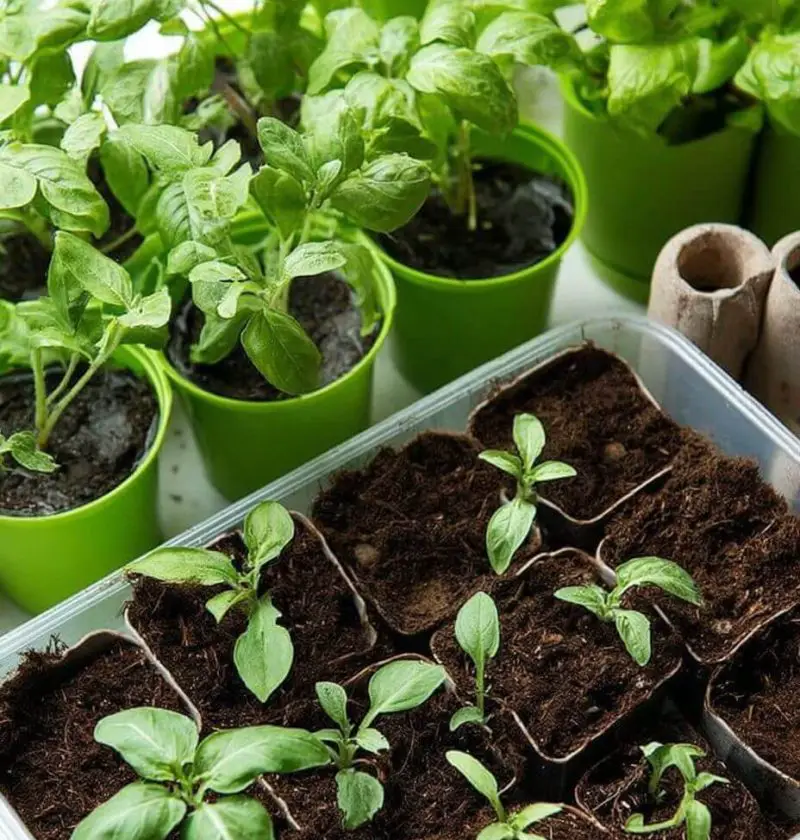
Basil, parsley, cilantro, mint—these belong close to the kitchen. Harvest often. They like attention.
Seasons Still Matter—Even Indoors
Here’s the thing: indoor gardening gives flexibility, not immunity.
Cool-season crops prefer cooler rooms and softer light. Warm-season vegetables want heat and brightness. Knowing which is which saves frustration.
Stagger planting times. Start small batches instead of everything at once. Fresh food feels better when it arrives gradually.
Common Problems (And Why They’re Usually Fixable)
Plants tell you what’s wrong if you watch closely.
Yellow leaves often mean too much water. Leggy stems usually ask for more light. Small pests show up when airflow is poor.
A fan helps. Light adjustments help. Overreacting rarely does.
Gardening rewards calm responses.
Keeping the Harvest Going Without Burning Out
Succession planting works wonders. As one plant finishes, another begins. Vertical supports free space. Gentle pruning encourages new growth.
None of this has to be perfect. Consistent care beats intensity every time.
A Quiet Kind of Joy Worth Keeping
Growing your own vegetables doesn’t change your life overnight. It changes it slowly. Gently. In ways that stick.
You eat better. You waste less. You notice seasons again—even indoors. There’s pride in it, sure, but also comfort.
And comfort is no small thing.
If you’ve been thinking about starting, consider this your nudge. A bucket. A handful of soil. A seed. That’s how it begins.