
Save This Recipe
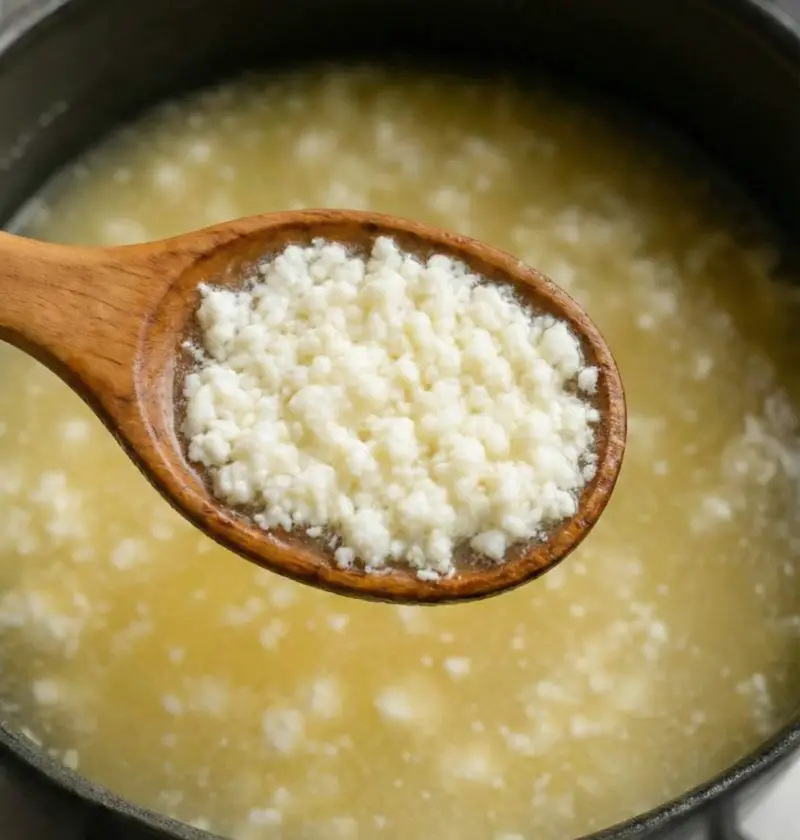
There’s a very specific kind of disappointment that happens in the kitchen. You’re standing there, wooden spoon in hand, already thinking about dinner. The potato soup smells comforting, familiar, promising. Then you add the milk — and suddenly it looks like cottage cheese gone rogue.
Honestly, it’s enough to make you question your life choices.
If you’ve ever watched your potato soup turn grainy and broken after adding milk, you’re not alone. I’ve been cooking for decades, and I still remember the first time it happened to me. I stood there wondering if I’d poisoned the pot or ruined dinner entirely. The good news? Most of the time, you haven’t. What you’re seeing is science, not failure.
Let me explain.
So… What Just Happened in That Pot?
When milk hits a very hot, sometimes slightly acidic soup, the proteins inside it can tighten up and clump together. Those little white flecks floating around? That’s curdling. It looks dramatic, but it’s really just milk reacting to stress. And honestly, can’t we all relate?
Milk isn’t one simple thing. It’s a mix of water, fat, and proteins — mainly casein and whey. Under calm conditions, they behave nicely. Under heat or acid, they get fussy. High temperatures cause those proteins to lose their shape, and once that happens, they start sticking to each other instead of staying smoothly suspended.
That’s exactly what you’re seeing when your soup separates.
Heat: The Quiet Troublemaker
Here’s the thing most recipes gloss over: boiling and milk don’t get along. At all.
If your potato soup is bubbling away like a hot spring and you pour in cold milk, you’re basically shocking the proteins. They seize up. Full stop. This is especially true with lower-fat milk, which doesn’t have enough fat to buffer the heat.
I used to think simmering and boiling were interchangeable. They’re not. A simmer is gentle. A boil is aggressive. Milk wants gentleness.
Acidity Isn’t Always Obvious
Most people assume curdling only happens when you add lemon juice or vinegar. Not quite.
Onions, garlic, certain broths, even potatoes themselves can shift the balance just enough. Add in bacon, cheese rinds, or store-bought stock, and suddenly the environment in that pot is a little more acidic than you realized.
It doesn’t take much. Milk is happiest around neutral pH. Once that balance tips, curdling becomes more likely, especially under heat.
Is Curdled Milk Actually Dangerous?
This is where people panic — and they really don’t need to.
Curdled milk caused by cooking is not the same as spoiled milk. Yogurt is curdled. Ricotta is curdled. Cheese exists because of curdling. The difference is control.
If the milk was fresh when you poured it in, the soup is almost always safe to eat. The issue is texture, not safety.
Now, if the milk smelled off before it went into the pot? That’s another story. Cooking won’t save spoiled dairy, and no amount of blending will make it safe.
Trust Your Senses (They Still Work)
Before tossing a whole pot of soup, slow down.
Give it a smell. Fresh dairy smells neutral, maybe faintly sweet. Sour, sharp, or unpleasant? That’s your answer.
Taste a small spoonful if the smell seems fine. If it tastes sour in a way potato soup never should, don’t push it.
Texture matters too. Grainy from curdling is one thing. Slimy, excessively separated, or oddly stretchy is another. When something feels wrong in multiple ways, listen to that instinct.
Common Recipe Mistakes That Set You Up
Some recipes quietly lead you straight into curdling territory.
Adding milk too early is a big one. Letting soup boil after milk goes in is another. Using low-fat milk because it feels “lighter” can also backfire. Fat stabilizes dairy. Skim milk has no safety net.
Then there’s rushing. We all do it. Dinner’s late, everyone’s hungry, and patience goes out the window. Milk doesn’t reward impatience.
How to Add Milk Without Chaos
This part is simple, but it matters.
First, lower the heat. Ideally, the soup should be hot but not bubbling. Second, warm the milk separately. Even a quick minute in the microwave helps take the chill off.
Then pour slowly. Stir gently. Let the milk ease into the soup instead of shocking it. Think of it like introducing two people who might not get along — you don’t throw them into a heated argument.
Adding milk near the end of cooking helps too. Once dairy is in the pot, your soup should never return to a full boil.
Milk, Cream, Half-and-Half: Not All the Same
If you make potato soup often, this matters.
-
Heavy cream is the most stable. It rarely curdles and gives a rich finish.
-
Half-and-half is fairly reliable but still needs gentle heat.
-
Whole milk works if handled carefully.
-
Low-fat milk is the most likely to separate.
There’s no moral high ground here. Use what works. Comfort food doesn’t need to apologize.
Can You Fix Curdled Potato Soup?
Sometimes, yes. Sometimes… sort of.
An immersion blender can help smooth things out visually, especially if the curds are small. It won’t reverse the chemistry, but it can make the soup more pleasant.
Starch helps too. Potatoes already bring some starch, but adding a little cornstarch slurry or even mashing more potatoes into the soup can improve the texture.
Will it be perfect? Probably not. Will it be edible? Often, yes.
Why Starch Is Your Friend
Starch acts like a mediator. It helps fat and water stay together, which keeps dairy from separating as easily.
That’s why soups thickened with flour, mashed potatoes, or a light roux behave better when dairy comes into play. This isn’t fancy restaurant theory — it’s practical home cooking wisdom that’s been around forever.
What Professional Kitchens Do Differently
Restaurant kitchens are careful with dairy. Milk goes in late. Cream is favored. Heat is controlled.
They also don’t panic when something breaks. Texture issues get adjusted, not mourned. That mindset helps at home too. Cooking isn’t about perfection. It’s about problem-solving.
Internet Tips Worth Keeping (And Some to Skip)
Using evaporated milk? That one actually works. It’s more stable and gives a creamy result.
Adding a pinch of baking soda to neutralize acidity? That can help, but too much will flatten flavor. A tiny pinch means tiny.
Blaming stainless steel pots, stirring direction, or moon phases? Let’s not.
Plant-Based Milks Play by Different Rules
Almond, oat, and soy milks can separate too, just differently. Some are designed for cooking and hold up better. Others split the moment things get hot or acidic.
Oat milk tends to behave best in soups. Almond milk is more delicate. Soy milk can curdle dramatically with acid. Warming and gentle heat help across the board.
Nutrition Myths That Won’t Quit
Curdled milk doesn’t lose its protein. It doesn’t suddenly become unhealthy. The nutrients are still there. They’ve just rearranged themselves.
The fear around curdling is mostly visual. We eat curdled dairy all the time when it’s intentional. Soup just feels like a betrayal because it wasn’t invited.
Cooking Confidence Comes From Mistakes
Here’s something no recipe tells you: good cooks have ruined plenty of meals. We just don’t talk about them much.
Every pot of soup teaches you something. Heat matters. Timing matters. Ingredients have personalities. Once you understand that, mistakes stop feeling personal.
And honestly? Slightly broken soup eaten with crusty bread on a cold evening still counts as dinner.
A Final Thought From One Home Cook to Another
Potato soup is comfort food. It’s forgiving. It’s humble. And even when it misbehaves, it’s rarely a lost cause.
The next time milk curdles in your pot, take a breath. Check your senses. Learn what it’s trying to tell you. Then keep cooking.
Because kitchens aren’t labs. They’re living spaces. And a little imperfection now and then is part of the charm.