
Save This Recipe
You know what used to drive me nuts? Spending a good half hour wiping down the windows only to have them dry with more streaks than a football field in winter. I’d step back, squint, tilt my head—nope, still streaky. It wasn’t until a neighbor (God bless her tidy soul) shared her vinegar trick that things finally clicked. But not just vinegar. The right way to use it. There’s a method to the madness, and once you learn it, there’s no going back.
Why You’ll Love This (Yes, Even if You Hate Cleaning)
-
Natural and non-toxic: Say goodbye to harsh chemicals and artificial scents.
-
Leaves surfaces squeaky clean without that cloudy, smeared look.
-
Budget-friendly: One bottle of white vinegar can handle a whole house’s worth of shine.
-
No more mystery residues like some store-bought cleaners leave behind.
-
Eco-conscious: Better for the planet, pets, and your peace of mind.
Let’s Talk Science (Just a Little)
At the heart of vinegar’s cleaning power is good ol’ acetic acid—usually around 5-8%. That’s what makes it such a grease-busting, mineral-melting miracle. It breaks the bonds that grime clings to, lifts it off the surface, and lets you wipe it away like it never existed. And while vinegar isn’t a hospital-grade disinfectant, it does reduce bacteria and viruses enough to keep your kitchen counters and bathroom taps from turning into biohazards.
Think of it like nature’s cleaning agent—gentle but firm, like a stern grandma who means business.
Common Mistakes That Leave You with Streaks and Smears
We’ve all been there. Grab the bottle, spray like a maniac, and wipe with the first thing in arm’s reach (paper towels, old socks, that mystery rag from the garage…). But here’s the truth:
-
Mistake #1: Using Vinegar Straight from the Bottle
Full-strength vinegar is a little too spicy for most surfaces. It can damage finishes, dry too fast, or leave behind a sharp scent that lingers longer than you’d like. -
Mistake #2: Using it on the Wrong Surfaces
Stone countertops, electronics, waxed wood—nope. Vinegar can etch, dull, or damage. When in doubt, spot test. -
Mistake #3: Using Paper Towels
I know they’re convenient, but they leave behind lint and can actually cause streaks.
The Best Type of Vinegar (Spoiler: You’ve Probably Got It Already)
Don’t overthink it—distilled white vinegar is your best friend here. It’s colorless (no stains!), clear, and has that just-right acidity. Skip the apple cider or balsamic; we’re cleaning, not dressing a salad.
Make sure the bottle says 5% acidity—this is the sweet spot for effective, safe cleaning.
Mix It Right: The Magic Solution
Now, here’s the simple cleaning mix that actually works:
-
1 cup distilled white vinegar
-
1 cup water (preferably distilled or filtered if you’ve got hard tap water)
Pour them into a clean spray bottle, shake gently, and you’re set.
Need to fight off stubborn spots like hard water stains on a glass shower door? Bump up the vinegar to a 2:1 ratio (two parts vinegar, one part water), but do a little spot test first.
The Unsung Heroes: Tools That Actually Work
You can’t paint a masterpiece with a crummy brush—same goes for cleaning.
-
Microfiber cloths: These are worth their weight in gold. Super absorbent, no lint, and they grab grime like a magnet. Get a few—you’ll use them everywhere.
-
Squeegee: A game-changer for windows. One pass, and you’re streak-free. Wipe the blade with a clean cloth after every swipe so you’re not dragging dirt back up.
-
Spray Bottle: Use a good-quality one that gives a fine mist, not a splatter. Those dollar-store bottles are hit-or-miss.
How to Clean Windows Like a Pro (Step-by-Step)
Here’s the rhythm I follow—just like grandma taught me:
-
Dry Dust First
Wipe down the glass with a dry microfiber to remove loose dust or pollen. This prevents smearing it all around later. -
Spray the Vinegar Mix Generously
Don’t be shy—let it cover the glass evenly. Think of it as prepping the surface for the magic. -
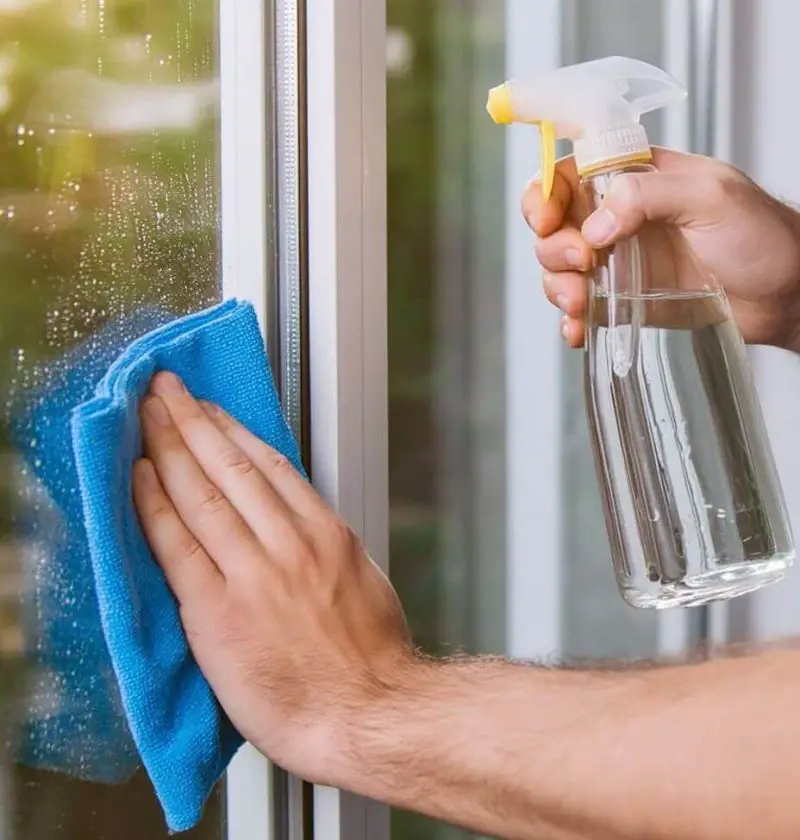
Wipe in Circles with a Microfiber Cloth
Work that grime out in soft circles. You’ll feel when it starts to lift. -
Switch to a Squeegee
Start at the top and pull down in smooth, overlapping strokes. Wipe the blade after each pass. -
Finish the Edges
Use a fresh, dry cloth to touch up corners and edges. That’s where streaks like to hide.
Not Just for Glass: Other Shiny Spots You Can Vinegar-ify
-
Stainless Steel
Spray the solution and wipe with a microfiber following the grain of the steel. No swirls, just shine. -
Bathroom Fixtures
Got a crusty faucet? Spray, let sit a minute, and wipe. For tougher build-up, wrap a vinegar-soaked paper towel around the base and leave it for 10–15 minutes. -
Glass Tabletops
Same method as windows—spray, wipe, done. You’ll be able to see your reflection (or the crumbs you missed under it).
Viral Cleaning Hacks: Truth or Trash?
We’ve all seen those TikToks with vinegar doing everything short of filing your taxes. Some work; others are just plain wrong.
Microwave Steam Clean: YES. A bowl of vinegar and water zapped for 5 minutes loosens food bits like a charm. Just don’t touch the bowl right away—it’ll be hot.
Hardwood Floors: Big no-no. The acid can strip the finish. Use a pH-neutral cleaner instead.
Vinegar + Baking Soda Volcano Scrubs: Fun to watch but not actually more effective than vinegar alone. They cancel each other out chemically.
A Few Safety Reminders (Because We Love Our Noses and Lungs)
-
Don’t mix vinegar with bleach or hydrogen peroxide. It can release toxic fumes (not a fun surprise).
-
Use in well-ventilated areas.
-
Wear gloves if your skin’s sensitive.
-
Keep it out of reach of kids and pets (especially curious cats—ask me how I know).
Why It’s the Greener Choice
No weird chemicals, no choking fumes, no plastic-heavy spray bottles that cost $6.99 and barely last a month. Just vinegar and water. It’s simple, it’s cheap, and it works. Plus, you’re not washing questionable residues into the water supply.
You’ll also save a whole lot of space under your sink.
Quick Q&A — Because Folks Always Ask
Can vinegar kill mold?
Yes, to an extent. Spray full-strength vinegar on the affected area, let sit for at least an hour, then scrub.
Is it okay on mirrors?
Absolutely. Use the same 1:1 mix and a microfiber. Hello, flawless makeup lighting.
How often should I clean windows?
Every 2–3 months is a good rule of thumb—more often if you’ve got curious pets or enthusiastic nose-pressing kids.
Wrapping Up — From My Squeegee to Yours
If you’ve ever felt frustrated after a cleaning session left more streaks than sparkle, I hope this little vinegar wisdom changes things. It sure did for me. There’s something oddly satisfying about looking through a window so clean you forget there’s glass at all.
Got your own vinegar tip or a question you’ve been dying to ask? Pop it in the comments—I always love a good cleaning chat.
And hey, maybe pour yourself a glass of wine once you’re done. You earned it.