
Save This Recipe
I’ll say this right out loud: the Slow Cooker gets blamed for a lot of things it didn’t do. Watery chili. Flat flavor. Chicken that tastes like it gave up halfway through the day. Sound familiar? You’re not alone.
The truth is, the Slow Cooker is a steady, reliable little workhorse. It just asks for a bit of respect. Not fancy techniques or culinary gymnastics—just a better understanding of how it behaves when left alone on your countertop for six or eight hours.
Here’s the thing. Slow cooking is less about effort and more about judgment. And judgment comes from experience, a few missteps, and maybe one stew you never talk about again.
Let me explain what actually makes a difference.
Frozen Meat Sounds Convenient—But It’s a Risky Shortcut
I know the temptation. You’re running late, the chicken is frozen solid, and the Slow Cooker is sitting there like a solution. But starting with frozen meat creates two problems: uneven cooking and food safety concerns.
When meat goes in frozen, it lingers too long at lukewarm temperatures before it truly cooks. That’s not ideal. Thawed meat heats steadily, cooks evenly, and gives the rest of the ingredients a fighting chance to taste good rather than tired.
If planning ahead feels like a stretch, thaw overnight in the fridge. Or use the microwave’s defrost setting while you’re packing lunches or hunting for your keys. Small habit. Big payoff.
About That Lid—Yes, It’s Doing Important Work
Every time the lid comes off, the slow cooker loses heat. Not a little—enough to stretch cooking time and throw off texture. Fifteen minutes here, twenty there. It adds up.
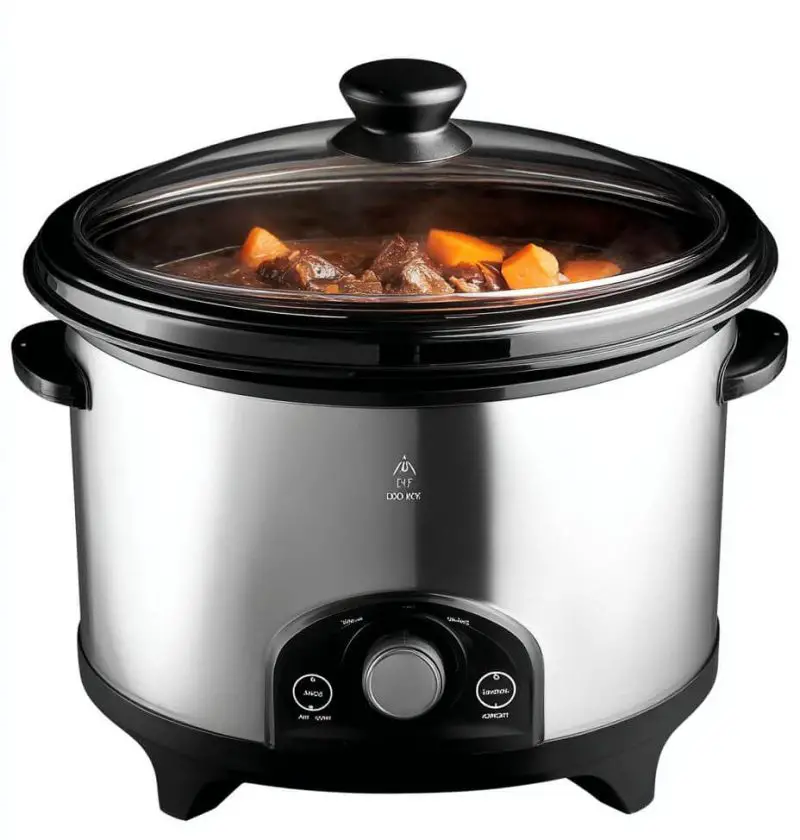
If curiosity gets the better of you (it happens), a glass lid helps. You can peek without interfering. And if stirring or adding something late is unavoidable, be quick about it. Treat that lid like a door in winter—open, close, move on.
More Liquid Does Not Mean Better Results
This is one of the most common misunderstandings. Slow cookers don’t reduce liquid the way stovetops do. What you pour in is what you’ll get back, give or take a spoonful.
Covering ingredients halfway with liquid is usually enough. Meat releases juices. Vegetables soften. Flavor concentrates—if you let it.
Too much liquid is how you end up with soup when you wanted stew. And fixing that after the fact is… let’s call it character-building.
Dairy Is Sensitive—Treat It Gently
Milk, cream, and cheese don’t enjoy all-day heat. They separate, curdle, and lose their charm.
Adding dairy near the end—usually the last hour—keeps textures smooth and flavors intact. For soups or sauces that need creaminess without risk, evaporated milk or a light thickener like cornstarch works beautifully.
Honestly, this one tip alone saves a lot of disappointment.
Tough Cuts Are Where Slow Cookers Shine
This appliance loves a challenge. Chuck roast, pork shoulder, brisket—cuts with connective tissue that soften slowly and reward patience.
Lean meats, on the other hand, can turn dry and stubborn. Chicken breasts especially. Thighs do better. Bone-in pieces do better still.
It feels backward at first. But slow cooking is about time doing the heavy lifting, not tenderness at the start.
Layering Isn’t Fussy—It’s Practical
Root vegetables go on the bottom. Potatoes, carrots, parsnips. They take longer to cook and benefit from direct heat.
Meat sits on top, letting juices drip down and season everything below. Softer vegetables—zucchini, peas, greens—are happiest added later if you want them recognizable on the plate.
Think of it like stacking a suitcase. Heavy items first. Fragile ones last.
High vs. Low: They’re Not Interchangeable
Both settings reach a similar temperature. They just get there at different speeds.
Low is forgiving. It’s ideal for long days, tougher cuts, and recipes where flavor develops gradually. High is useful when time is tight, but it can push delicate ingredients too far if you’re not careful.
If a recipe says low, believe it. There’s usually a reason.
Your Slow Cooker Can Do More Than Stew
Yes, stews are lovely. But they’re not the whole story.
Pulled pork. Baked oatmeal. Apples simmered with cinnamon until the house smells like a weekend. Even simple desserts that feel indulgent without much effort.
Trying new recipes keeps the appliance interesting—and keeps you from falling into a rut of the same three meals on repeat.
Timing Matters—Even in “Set It and Forget It” Cooking
Not everything belongs in the pot at the same time. Seafood cooks fast. Tender vegetables collapse if ignored too long.
Adding ingredients in stages might sound like extra work, but it’s usually just a matter of tossing something in during the last hour. The payoff is better texture and a dish that tastes intentional rather than accidental.
A Clean Cooker Cooks Better
This part isn’t glamorous, but it matters.
Wash the insert and lid after each use. Check the cord now and then. Wipe down the heating base so old spills don’t burn and linger.
A well-kept slow cooker lasts for years—and keeps flavors clean, not muddled by last month’s chili.
One Last Thought Before You Plug It In Again
Slow cooking isn’t about perfection. It’s about letting food take its time while you live your life—work, errands, family, quiet evenings that don’t need much fuss.
When you understand how the slow cooker behaves, it becomes less of a gamble and more of a partner. Reliable. Patient. Ready when you are.
And Really, that’s what good home cooking has always been about, hasn’t it?