
Save This Recipe
You know that smell when bread is almost done baking? When the kitchen feels warmer and somehow kinder? Now picture that, but with butter and a soft hint of sweetness floating through the air. That’s sourdough brioche, and honestly, it has a way of making a regular morning feel like you planned something special.
I used to think brioche was strictly “bakery food.” Pretty, sure, but fussy. The kind of bread that comes with a pastry case price tag and a side of intimidation. Turns out, it’s not nearly as scary as it sounds. A little patience, yes. A little faith in sticky dough, absolutely. But complicated? Not really.
And once you’ve made it once, you start seeing possibilities everywhere. Toast. Buns. Little chocolate-filled treats that disappear before they cool. Let me explain.
What Makes Sourdough Brioche So Different (and So Good)
Classic sourdough leans rustic. Thick crust. Chewy crumb. Perfect with soup, but not exactly what you want slathered with strawberry jam at sunrise.
Brioche walks a softer path.
It’s built on the same basics — flour and starter — but then comes the good stuff:
-
Butter
-
Milk
-
Eggs
-
A bit of sugar
That combo gives you a crumb that’s tender and fluffy, almost like cotton candy if cotton candy had better manners. You still get that gentle sourdough flavor, but it’s mellow, rounded, and friendly. No sharp tang here, just enough depth to keep things interesting.
It’s rich without being heavy. Sweet without tipping into dessert. Right in that sweet spot where breakfast and treat shake hands.
Let’s Talk Starter (No Fancy Business Required)
Here’s some good news right out of the gate: you don’t need to build a special levain, stiff starter, or anything dramatic for brioche.
Your regular sourdough starter will do just fine, as long as it’s:
-
Fed
-
Bubbly
-
At or near its peak
That’s it.
If it’s doubled, smells pleasant, and looks lively, you’re in business. No extra steps, no separate prep day. And honestly, that’s one reason this recipe fits into real life instead of only working on weekends when you’ve got nothing else going on.
Now, could you get creative and use something like a chocolate sourdough starter? Sure. And it can be lovely. But you don’t need novelty to get beautiful results here.
Simple works.
Is Brioche Hard? Let’s Be Honest for a Minute
Here’s the thing. Brioche has a reputation, and I won’t pretend it comes from nowhere.
When you start adding butter into dough, things look… questionable. Sticky. Sloppy. Like you’ve made a terrible mistake and should’ve just baked banana bread instead.
This is the part where folks panic.
Don’t.
Brioche dough goes through an awkward phase. Much like middle school bangs. You just have to keep going until it sorts itself out.
Once the gluten gets strong enough and the butter finally settles in, the dough changes. It turns smooth, stretchy, and almost shiny. And that moment? That’s when you know you’re on the right track.
So yes, it asks for patience. But it pays you back.

Kneading Without Losing Your Nerve
If you’ve got a stand mixer, this is its time to shine. Brioche and hand-kneading can absolutely be done together, but it’s a workout and a half. With a mixer, you can let the machine do the heavy lifting while you sip coffee and pretend you’re on a baking show.
The usual rhythm goes like this:
First, you mix the dough without the butter. Just milk, sugar, starter, eggs, and flour until it looks like, well, dough.
Then you let it rest. That little break helps the flour hydrate and the gluten start forming.
After that, the butter goes in. Slowly. And this is where things get messy before they get lovely.
At first, the dough looks like it’s falling apart. It clings to the sides of the bowl. It feels wrong. Keep mixing.
After several minutes — sometimes eight, sometimes ten — it comes back together and smooths out. That’s your sign to breathe again.
A couple of friendly reminders:
-
Don’t add extra flour just because it’s sticky. That’s how you end up with dry bread.
-
If the dough starts feeling warm and greasy, give it a short rest in the fridge. Ten minutes can calm things right down.
-
Trust the process. Even when it looks like it’s gone off the rails.
It hasn’t. It’s just getting comfortable.
About That Stretchy Window Test
You’ll hear bakers talk about the “window pane test,” and while it’s not required for brioche, it can give you peace of mind.
After kneading, let the dough rest for about ten minutes. Then take a small piece and gently stretch it between your fingers.
If you can pull it thin enough to see light through it without tearing, the gluten is in good shape. That means the dough can trap gas during fermentation, which leads to that soft, pillowy crumb everyone loves.
If it tears right away, it might need a little more kneading and another short rest.
Think of this test as reassurance, not a strict rule.
Shaping That Pretty Pull-Apart Loaf
Brioche is wonderfully flexible, but my favorite way to shape it — especially for everyday baking — is the cozy loaf made from dough balls.
Here’s why it works so well:
You divide the dough into equal pieces, usually around 100 grams each, roll them into balls, and nestle them together in a loaf pan. As they rise and bake, they puff into each other and form that lovely pull-apart pattern you see in bakeries.
It looks fancy. It’s actually very forgiving.
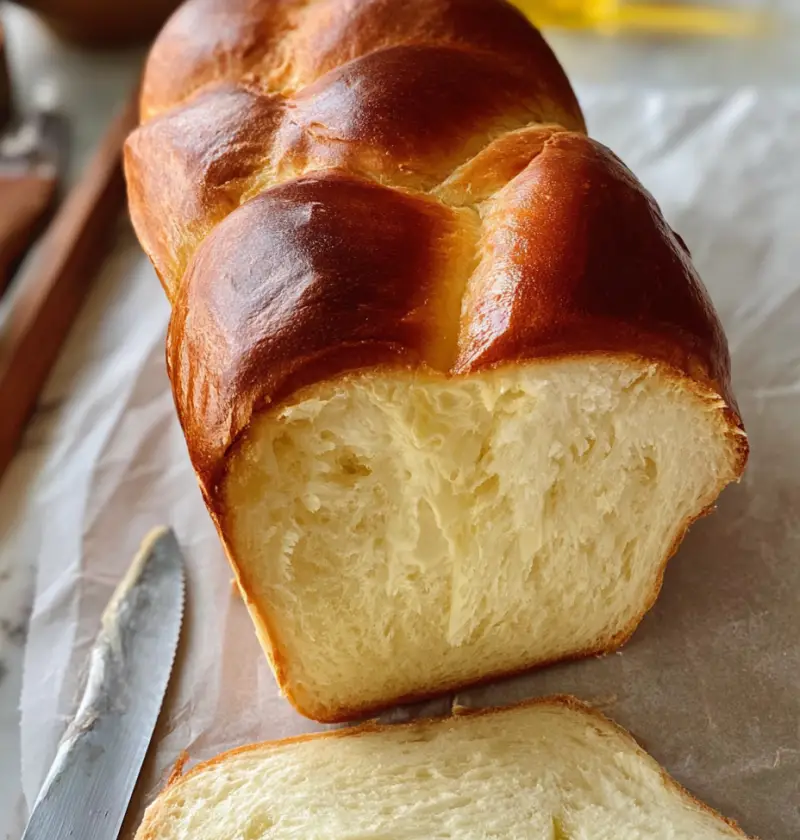
They don’t have to be perfect. During proofing, everything relaxes and evens out. And when it comes out of the oven, you’ve got this golden, soft loaf that tears apart in big, tender pieces.
That kind of bread doesn’t stay on the counter long, if you know what I mean.
Why Brioche Isn’t Always Bright Yellow
You may have noticed that some brioche loaves look deeply golden inside, almost like sunshine. Others are lighter, more cream-colored.
That mostly comes down to:
-
The color of your egg yolks
-
The type of butter you use
Farm eggs with rich orange yolks will give you a deeper shade. Commercial eggs, not so much. Homemade butter can lean paler too.
But here’s the important part: color doesn’t decide flavor.
You can have a pale loaf that tastes every bit as rich and tender as a darker one. So don’t judge your brioche by its shade. Judge it by how fast it disappears.
Why This Loaf Is Made for Breakfast
If sourdough brioche had a job description, “breakfast hero” would be right at the top.
Toasted slices with butter and jam? Pure comfort.
French toast on a slow weekend morning? Now you’re talking about the kind of brunch that makes people linger at the table.
And if you lean savory, try it with bacon and eggs. That soft, slightly sweet crumb plays so nicely with salty, crispy things. It’s one of those combinations that just makes sense.
You know what else I love? Toasting thick slices, spreading them with a little cream cheese, and topping with sliced fruit when berries are in season. Simple. Fresh. Feels a little fancy without much effort.
When There Are Leftovers (A Rare but Happy Event)
Let’s pretend for a moment that your household doesn’t inhale the entire loaf in one day. If you do have leftovers, you’re in for a treat.
Brioche makes spectacular French toast. Soft inside, crisp edges, and it soaks up custard like it was built for the job. A little cinnamon, a splash of vanilla, and suddenly your weekday feels like a café morning.
Bread pudding is another favorite. Tear the brioche into chunks, mix with eggs, milk, sugar, and whatever extras you love — chocolate, berries, a drizzle of caramel — and bake until puffed and golden. It’s cozy food, plain and simple.
Honestly, leftover brioche is one of those problems that feels like a blessing in disguise.
Stretching One Batch into Many Treats
Here’s where sourdough brioche really shows off. That same dough you use for a loaf can turn into all sorts of things, depending on your mood and how much time you’ve got.
A few ideas that tend to steal the spotlight:
-
Chocolate-filled buns: Divide the dough into smaller pieces, tuck a bit of chocolate or Nutella inside, roll into balls, and bake. A quick roll in cinnamon sugar after baking doesn’t hurt either.
-
Braided rolls: Little plaits made from short ropes of dough look charming on a brunch table. Spread with butter and jam, they disappear fast.
-
Burger buns: Yes, really. Soft brioche buns with a little sourdough flavor make homemade burgers feel extra special.
-
Sweet bakes: With a double batch, you can branch out into things like blueberry cheesecake tarts or star-shaped chocolate breads that look far more impressive than the effort involved.
This is the kind of dough that likes to be played with. And once you’re comfortable with it, you start dreaming up your own uses, too.
A Note on Seasons and Sharing
I tend to bake brioche more when the weather cools off. Something about butter-rich dough and a warm oven just fits fall and winter so well. It’s also a lovely bread to bring to brunches, holiday mornings, or even as a small gift.
Wrap a loaf in parchment, tie it with twine, and suddenly you’ve got something that feels thoughtful and homemade, because it is.
But don’t save it just for special days. A quiet Tuesday morning deserves good bread too.
If You’re New to Brioche, Here’s Some Encouragement
If you’ve made sourdough before, you already have the skills you need. Brioche just adds butter and patience to the mix.
Yes, it’s stickier. Yes, it takes longer to knead. But nothing about it is mysterious once you’ve seen the dough come together that first time.
And that first successful loaf? It does wonders for confidence.
So if you’ve been eyeing enriched dough recipes and telling yourself you’ll try them “someday,” let this be your nudge. You don’t need perfect timing, special tools, or bakery training. Just a happy starter and a willingness to let the dough do its thing.
Honestly, that’s most of baking anyway.
One Last Thought Before You Start Mixing
Sourdough brioche isn’t just about making bread. It’s about slowing down long enough to enjoy the process. Watching dough change. Smelling it bake. Tearing into a warm slice while it’s still too hot and promising yourself you’ll wait next time.
(You won’t. And that’s fine.)
So whether you turn it into a breakfast loaf, a batch of chocolate-filled buns, or tomorrow’s French toast, this dough earns its keep in more ways than one.
And if your kitchen smells like butter and warm bread by the end of it, well… that’s just good sense, if you ask me.
Sourdough Brioche Loaf
Ingredients
- 100 g sourdough starter fed and bubbly
- 540 g bread flour
- 2 eggs
- 120 g salted butter soft
- 200 g milk whole milk
- 50 g sugar
- 10 g salt
Instructions
- Warm milk to around 37°C (not cold, but not too warm). Add milk and sugar to the bowl of a stand mixer and mix until sugar dissolves.
- Add sourdough starter, flour, and eggs to the bowl. Mix into a rough dough and let it sit for about 30 minutes.
- Add the butter and salt, then knead with a stand mixer until the dough becomes very soft, elastic, and silky. This can take anywhere from 3 to 20 minutes depending on your mixer.
- Once dough is ready and pulling away from the sides of the bowl, transfer it to a large bowl for bulk fermentation. Cover with plastic wrap.
- Let the dough rise until it's about 50% larger. Turn it out onto a counter and divide into equally sized balls for shaping.
- Shape into a loaf or individual rolls. Allow to proof until puffy—this may take time due to the enriched dough.
- Preheat oven to 180°C/350°F. Mix an egg with 1 tablespoon of water and brush dough with the egg wash.
- Bake for around 30 minutes. If the top browns too quickly, cover with foil and reduce oven to 160°C.
- Remove from oven and brush generously with butter while still hot. Cool on a wire rack before slicing.
Notes
Nutrition