
Save This Recipe
Okay, dramatic title — but hear me out.
Last weekend, my sister made chili. And not just “it’ll do” chili. I’m talking rich, spicy, cozy-in-a-bowl chili. The kind that makes you want to cancel plans and eat on the couch in socks. All was right in the world — until she said eight words that nearly made me drop my spoon:
“I don’t rinse the beans. I use the liquid.”
Excuse me?
You mean… the weird goop in the can? The thick, murky water that smells vaguely like a bean spa?
I stared at her, waiting for a punchline. There wasn’t one. She kept stirring the pot like she hadn’t just casually broken a sacred kitchen rule.
Now listen — I love my sister. But I also grew up being told that you always rinse canned beans. It’s like washing fruit or preheating the oven. You just… do it. So now I’m spiraling. Is she wrong? Am I wrong? Have we been rinsing away deliciousness this whole time?
Let’s talk about it. Like, for real.
What Is That Gloopy Bean Liquid, Anyway?
You ever open a can of beans and think, “Wow, that looks like something I shouldn’t eat”?
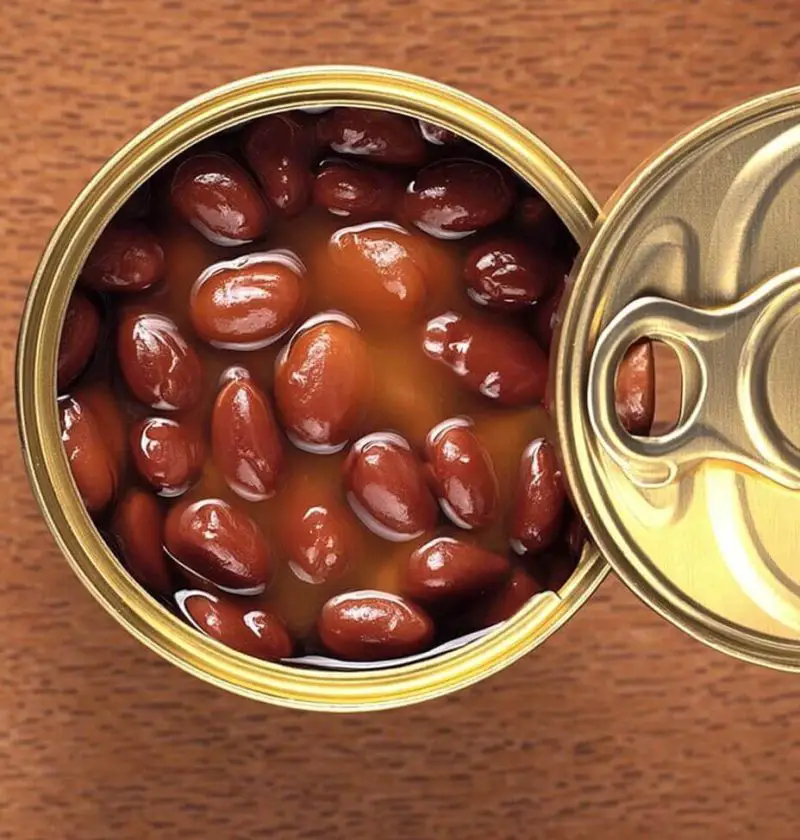
That’s the bean liquid — a combo of water, starches, and sometimes salt or preservatives. It’s basically what happens when beans hang out in a can for a really long time. It’s not dirty or dangerous or anything, it’s just… a little off-putting if you’re not used to it.
In chickpeas, this liquid even has a fancy name: aquafaba. And yeah, some people literally use it to make vegan whipped cream and mousse. (I didn’t believe it either until I saw someone make meringue with bean juice. It haunts me to this day.)
So the stuff’s not gross, exactly — it’s just unexpected.
Team Don’t-Rinse: “The Liquid Has Flavor!”
My sister’s whole argument is this: the liquid adds flavor and body to her chili. And honestly? She’s not wrong.
That bean juice is kinda like bean stock. It has salt, starch, and a little bit of the bean’s essence (yes, I said essence — we’re doing this). When you pour it into chili, it can make things richer, thicker, and just more… chili-ish.
Think of it like pasta water — you wouldn’t toss that gold down the drain when making sauce, right? Same vibe.
She also swears it makes weeknight cooking easier. No rinsing, no straining. Just open, dump, done. And with two kids and a full-time job, I can’t blame her.
But Then There’s the Sodium…
Here’s where things get salty — literally.
That liquid? It’s loaded with sodium. Like, “Wow, my rings don’t fit today” levels of sodium. Some canned beans clock in at 400–500 mg per half-cup, and a lot of that’s sitting in the liquid.
If you’re watching your salt intake — or feeding people who are — that can add up fast. Rinsing can cut the sodium by almost half, which is huge if you’re trying to cook a little lighter.
Also? That liquid can taste kinda metallic or just… off. Especially if you’re sensitive to smells or textures (hi, it’s me). Sometimes it works great in a dish. Other times it gives it a weird canned taste that you can’t quite name but definitely notice.
Does It Even Matter That Much?
Honestly? Not really.
Unless you’re following a strict diet or making something delicate (like a bean salad or dip), it’s mostly a matter of taste and texture. And let’s be real — if chili is simmering for an hour with onions, garlic, cumin, and ten other things, the bean liquid isn’t going to steal the show.
That said, if you’re making something where beans are the star, like a salad or burrito bowl, you probably want them rinsed. Otherwise, things get weirdly goopy, and nobody wants that.
Can We Compromise? (Yes, and Here’s How)
For people like me — who have Rinsing Bean Liquid burned into their DNA — here’s a happy medium:
-
Rinse the beans. Get rid of the salt and slime. Clean slate.
-
Add a little low-sodium broth or water to your chili if you want more liquid.
-
Mash a few beans. They’ll release starch and thicken everything up naturally.
Boom. You get the cozy texture and peace of mind.
The Real Answer? Taste the Chili and Shut Up
You know what I did after freaking out over my sister’s no-rinse method?
I ate the chili.
And it was good.
Like, “went back for seconds and pretended it was for the kids” good.
I didn’t taste anything funky. I didn’t puff up like a balloon. I didn’t even notice the bean liquid. All I tasted was warm, spicy, comforting chili that made me forget I had a dozen emails waiting.
So now I’m questioning everything. Maybe we’ve been out here wasting good bean broth for no reason. Maybe my sister’s smarter than I thought. Maybe food rules aren’t rules — just suggestions.
Final Thoughts From Someone Who Had a Bean Identity Crisis
If you rinse your canned beans — cool. If you don’t — also cool.
Just know why you’re doing it. Is it for taste? Texture? Salt control? Cleanliness? Habit? No judgment either way.
But maybe — maybe — try it the other way just once. Rinse if you normally don’t. Don’t rinse if you always do. See how it tastes. You might be surprised.
I know I was.
Also? Next time someone cooks for you, and you notice they did something “weird”? Take a breath. Try the food. Thank them. You can have the philosophical debate later.
(And if you’re reading this, sis — you win. This round.)
Have opinions about bean liquid? Do you rinse like your grandma taught you? Or are you proudly Team Pour-It-All-In?
Tell me. I need to know I’m not the only one overthinking this.
Seriously. Beans shouldn’t be this stressful. But here we are.