
Save This Recipe
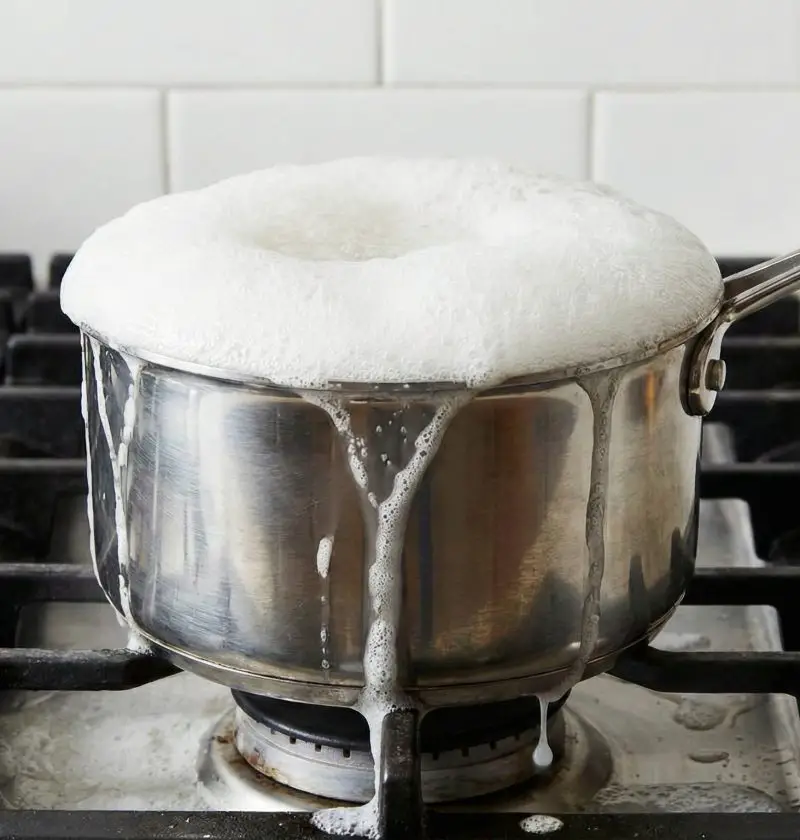
If you’ve ever turned your back on a pot of rice for “just a second” and come back to a foamy volcano creeping across your stovetop, welcome to the club. It’s one of those small kitchen annoyances that somehow feels personal. You wanted fluffy rice. You got sticky lava.
Cooking rice should be simple. Water, heat, patience. And yet, here we are, scraping starch off burners and muttering under our breath. Honestly, it happens to beginners and seasoned cooks alike. Even people who can nail sourdough or pan-sear a steak still get betrayed by rice now and then.
Here’s the thing: rice boiling over isn’t random. There’s a reason it happens, and once you understand that, you can tame it without babysitting the pot like a nervous parent.
Let me explain.
So… What’s Actually Bubbling in There?
Rice releases starch as it heats up. Those starch granules swell, loosen, and float into the water, creating a thick, foamy layer on top. When the water starts boiling, steam bubbles push that foam upward. If there isn’t enough space in the pot, it climbs, spills, and suddenly your stove looks like a science experiment.
It gets worse when:
- The pot is too small
- The water level is too high
- The heat is cranked up like you’re trying to boil pasta in record time
Think of it like shaking a soda bottle and cracking it open with nowhere for the fizz to go. Something’s going to overflow.
Rinsing Rice: The Five-Minute Habit That Saves You Later
You know what? Rinsing rice feels optional until you stop skipping it. That cloudy water you rinse away is loose surface starch. Less starch means less foam. Less foam means fewer disasters.
Just toss the rice into a fine-mesh strainer, run cold water over it, and gently swirl it with your fingers. When the water looks mostly clear, you’re good. Two to three minutes, tops.
This matters even more for jasmine, basmati, and short-grain rice, which love to shed starch like a golden retriever sheds fur.
Bonus: rinsed rice cooks up fluffier. It’s a quiet win.
Bigger Pots Aren’t Overkill, They’re Insurance
A cramped pot is practically begging for trouble. If rice and water fill most of the space, the foam has nowhere to go except out.
A loose rule: your rice and water should take up no more than half the pot. If you’re cooking one cup of rice, a two-quart pot gives you comfortable breathing room. More headspace means calmer bubbling and fewer countertop regrets.
It feels silly using a bigger pot for a small batch, but cleanup time says otherwise.
Turn the Heat Down, Even If You’re Hungry
Fast boiling feels productive. It’s not always helpful.
Once the water reaches a boil, reduce the heat to a gentle simmer. Big rolling bubbles agitate the starch and create more foam. A soft simmer keeps things steady, controlled, and predictable. Your rice cooks evenly. Your stove stays clean. Everybody wins.
This is one of those kitchen skills that sneaks into everything else you cook too. Sauces, soups, grains. Heat control is quiet power.
Water Ratios: Don’t Overthink It (But Don’t Wing It Either)
Too much water invites extra foam. Too little water risks crunchy centers. There’s a sweet spot.
For most white rice, aim for about:
- 1 cup rice : 1.5–2 cups water
For brown rice:
- 1 cup rice : about 2–2.5 cups water
Humidity, brand, and stove behavior can tweak this slightly. If your rice consistently bubbles like a jacuzzi, try trimming the water just a touch next time.
Cooking is part math, part intuition. That’s half the fun.
Lids Have Personalities Too
A tightly sealed lid traps steam, pressure, and foam. Sometimes that’s great. Sometimes it’s chaos.
Try:
- Tilting the lid slightly so steam can escape
- Using a lid with a vent
- Leaving the pot partially covered during the early boil
You still keep enough heat inside to cook properly, but the pressure gets a harmless exit route. It’s like cracking a window when the kitchen gets steamy.
Stir Once Early, Then Leave It Alone
Right after you add rice to boiling water, give it a quick stir. This separates the grains and disrupts surface starch buildup. That small motion can prevent thick foam from forming later.
After that? Hands off. Over-stirring releases more starch and pushes you toward gummy rice territory. Nobody asked for rice pudding unless they actually asked for rice pudding.
A Little Fat Can Calm the Chaos
A teaspoon of oil or a small knob of butter helps break down foam bubbles. Fat interferes with the starch structure, keeping bubbles from stacking up and escaping the pot.
It also adds a subtle richness. Not enough to make the rice greasy, just enough to smooth things out. Think of it as crowd control for bubbles.
The Wooden Spoon Trick: Fun, But Not Magic
You’ve probably seen the viral hack: lay a wooden spoon across the top of the pot and supposedly the bubbles retreat in fear.
Sometimes it works. Sometimes it doesn’t. The spoon can disrupt surface tension and pop some bubbles, but it won’t save you from aggressive boiling or overcrowded pots. It’s a helpful backup, not a safety net.
Honestly, it’s better paired with good heat control and pot size than used alone like a lucky charm.
Rice Cookers and Microwaves: Low-Drama Alternatives
If you’re tired of babysitting stovetop rice, appliances can carry the emotional load for you.
Rice cookers regulate heat and steam automatically. They’re built for consistency and minimal mess. Brands like Zojirushi and Aroma have loyal followings for a reason.
Microwaves also work surprisingly well. Use a large microwave-safe bowl with a loose cover so steam can escape. Cook at medium power and pause to stir if needed. It’s not glamorous, but it’s efficient.
Sometimes convenience beats tradition. No shame there.
When the Foam Wins Anyway (Cleanup Without Tears)
Even careful cooks get ambushed occasionally. If rice boils over:
- Turn off the heat.
- Carefully move the pot away from the spill.
- Wipe the mess while it’s still warm and soft.
If starch dries and turns into glue, sprinkle baking soda on the spot, add a little water, and gently scrub. It lifts residue without scratching surfaces.
Future you will thank present you for cleaning promptly instead of pretending it’ll magically disappear.
Not All Rice Behaves the Same (And That’s Okay)
Sticky rice, sushi rice, arborio, and other short-grain varieties release more starch. They’re more prone to foam tantrums. Extra rinsing, slightly larger pots, and gentler heat matter more with these types.
Long-grain rice tends to behave better but still benefits from the same basic care.
Once you start noticing how different grains act, cooking becomes less stressful and more intuitive. It’s like learning people’s personalities, just… edible.
A Calm Kitchen Is a Happy Kitchen
Rice boiling over feels like a small problem until you’re scraping hardened starch off your burner at 9 p.m. But a few habits make it almost disappear: rinse the rice, give it space, manage heat, vent steam, and don’t rush.
You don’t need fancy gadgets or complicated rules. Just a little awareness and a pinch of patience.
And next time the pot stays peacefully inside its boundaries, you might actually smile. Quiet victories count too.