
Save This Recipe
There’s something oddly comforting about a slightly charred edge. The smell alone — faint smoke, warm sugar, toasted starch — can flip a memory switch in your brain. Backyard grills. Late-night toast experiments. Campfires where everything smelled like wood and laughter.
A little burn doesn’t mean ruined. Not always. Sometimes it means flavor got brave.
That whisper of bitterness, the caramel notes, the crackly texture — together they create a kind of delicious tension. Sweet against sharp. Soft against crunch. Comfort against boldness. You know what? It’s kind of addictive.
Let me explain why that happens — and which foods secretly shine when they flirt with the flame.
Why Char Tastes So Good (Even When Logic Says It Shouldn’t)
Two things are working behind the scenes when food browns or lightly blackens. First, sugars heat up and start changing structure, creating deeper sweetness and aroma. Second, proteins react with sugars and form hundreds of new flavor compounds. That’s why toasted bread smells richer than plain bread, and grilled meat tastes more complex than boiled meat.
The magic happens right at the edge — where heat meets patience. Go too far and you lose balance. Stay close enough and you get contrast: crisp outside, tender inside, sweet nudged by bitter, smoky layered over familiar flavors.
It’s controlled chaos, honestly. And chefs love it for a reason.
1. Burnt Marshmallows — Campfire Gold
Some people aim for golden marshmallows. Others wait patiently until the outside turns black and crackly before peeling it off or biting straight through.
That charred shell delivers a smoky bitterness that plays beautifully against the molten sugar inside. It’s messy, nostalgic, and wildly satisfying. Half the joy comes from the ritual — rotating the stick, arguing about timing, laughing when one drops into the fire.
Simple food. Big memory.
2. Onions With a Sweet, Smoky Edge
When onions cook slowly, their natural sugars soften and deepen. Add just a touch of char and they gain personality — a savory sweetness with a faint bite.
These shine on burgers, tucked into grilled sandwiches, or folded into soups. Honestly, once you taste onions with that slightly darkened edge, plain sautéed versions feel a little shy.
3. Grilled Meat With Crispy Corners
Those dark grill marks aren’t just pretty lines — they’re flavor hotspots. The outside develops a smoky crust while the inside stays juicy and tender.
Whether it’s steak, chicken, or burgers, those crispy edges bring contrast and depth. It’s why backyard grilling feels special, even when the sides are just paper plates and potato salad.
4. Pizza Cheese That Escapes the Pan
When cheese bubbles over the crust and hits the hot pan or stone, it creates those crunchy, browned frills that pizza lovers quietly fight over.
The flavor becomes sharper, richer, and more concentrated. Soft mozzarella meets crackly edges — texture heaven, really. Some pizzerias even encourage this on purpose because people crave it.
5. Toast That Walks the Fine Line
Light toast is fine. But toast with a darker edge? That’s where flavor shows up.
The crisp bitterness balances sweet jam, creamy butter, or mashed avocado beautifully. It gives breakfast a little backbone instead of feeling bland. Of course, timing matters — one distracted moment can tip the balance. We’ve all been there.
6. Vegetables That Get a Little Bold
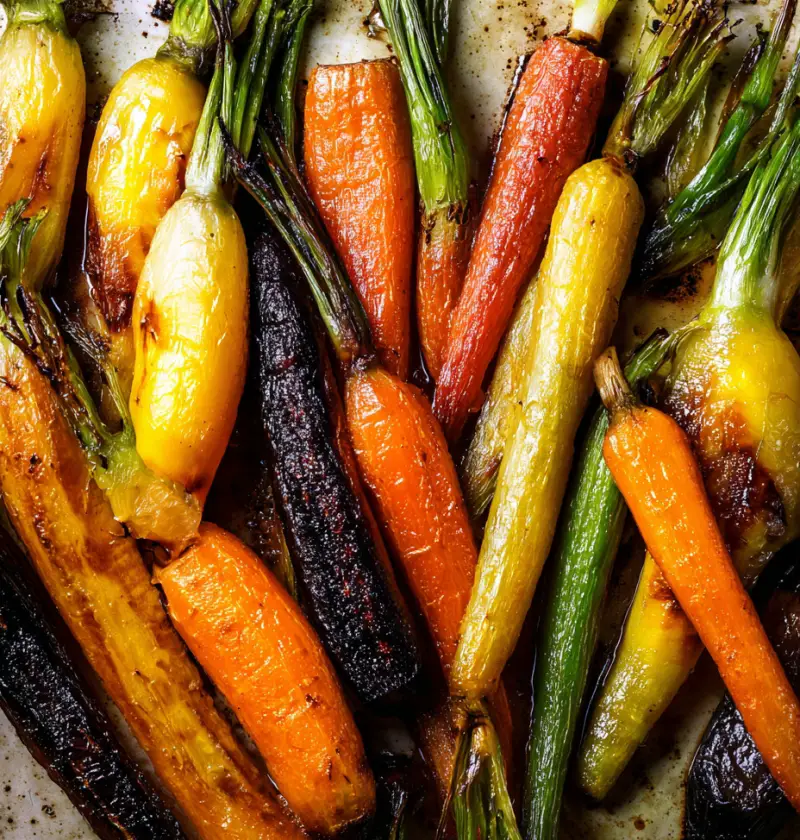
High heat brings out natural sugars in vegetables like carrots, peppers, and Brussels sprouts. Add a hint of char and suddenly they taste deeper, warmer, more satisfying.
Those darkened edges add crunch and a gentle smoky note. Even picky eaters sometimes surprise themselves when roasted vegetables hit that sweet spot.
7. Crème Brûlée’s Crackly Sugar Crown
That brittle sugar top isn’t just decoration — it’s texture, aroma, and contrast all in one dramatic crack.
The slight bitterness from caramelized sugar balances the silky custard underneath. Every spoon tap feels ceremonial. It’s dessert theater with delicious payoff.
8. Fish With a Crisp, Seared Skin
A well-seared piece of fish carries a golden, lightly browned crust that adds crunch without drying the flesh inside.
The savory edge highlights the fish’s natural flavor instead of masking it. It’s subtle, refined, and incredibly satisfying — especially with a squeeze of lemon or a drizzle of olive oil.
9. Coffee That Leans Bold and Smoky
Some coffee drinkers chase lighter roasts. Others prefer deeper, darker profiles with a slightly smoky edge.
That stronger bitterness brings intensity and weight to each sip. It pairs well with milk, pastries, or quiet mornings when you want your cup to feel grounding rather than delicate.
A Quick Side Thought About Why We Love This Stuff
There’s something human about enjoying contrast. We like sweet mixed with sharp, smooth paired with crunch, comfort nudged by boldness. Food that carries tension keeps our senses awake.
Maybe that’s why slightly charred flavors feel exciting instead of dull. They wake things up.
And honestly, a little imperfection often tastes better than sterile perfection. Life seems to agree.
A Gentle Reminder
Char adds flavor — but balance matters. Too much bitterness overwhelms everything else. The goal is contrast, not dominance. Trust your nose, your eyes, and your instincts. Cooking isn’t math. It’s more like music.
Final Bite
From marshmallows to vegetables to coffee cups, a touch of burn adds character, texture, and depth that straight cooking can’t always deliver. It’s a quiet rebellion against blandness — a reminder that flavor thrives at the edges.
So next time something gets a little darker than planned, pause before tossing it out. Taste it. You might just discover something wonderful hiding in the char.