
Save This Recipe
Okay. Real talk.
I’ve been quietly side-eyeing My Mom’s Bread storage habits for years.
She leaves the loaf — store-bought white bread, sometimes homemade, depending on her mood — right there on the counter. No fancy bread box. No fridge. Sometimes just sitting in the plastic bag it came in, half-tied. Like it’s just… gonna be fine.
And honestly? Most of the time, it is fine.
But after about day three or four, I start getting nervous. I don’t know — maybe it’s the humidity, maybe I’ve just read too many articles about food safety, maybe I’m paranoid. But I’ll grab a slice, give it a quick once-over, and that quiet panic sets in:
Is this Still okay to eat? Or is it secretly growing fuzz I just haven’t spotted yet?
And then I do what any rational adult does — I smell it, squint at it in the light like I’m inspecting a gemstone, and probably end up eating toast and hoping for the best.
But I wanted a better answer. Like, an actual answer.
So I looked into it.
Here’s what I learned.
So… How Long Can Bread Sit Out?
Let’s start with the short version:
-
Store-bought bread (with preservatives): about 5 to 7 days on the counter.
-
Homemade bread: 2 to 4 days, depending on ingredients and moisture.
-
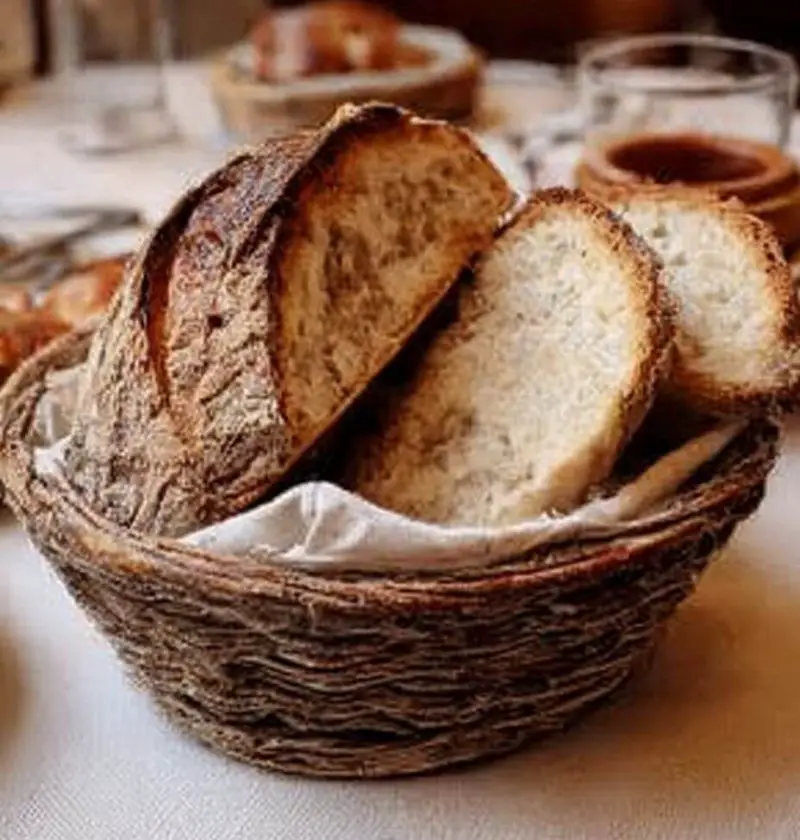
Bakery-fresh artisan loaves: maybe 2 days if you’re lucky — they dry out fast but sometimes resist mold better than you’d think.
But of course, it’s not just about the type of bread. It’s about where it’s sitting, how it’s wrapped, and what the weather’s like.
Bread’s kind of a diva that way.
Mold: The Uninvited Dinner Guest
Let’s talk about the thing we’re all secretly trying to avoid.
Mold is basically nature’s way of saying, “Hey, time’s up.”
It starts invisible. Then it gets brave — green, blue, white. Fuzzy. Sometimes it smells weird before you even see it. Other times it hides in the middle of the loaf and only reveals itself after you’ve taken a bite (don’t ask me how I know this).
Mold loves moisture and warmth. If your kitchen’s humid or you store bread in a plastic bag on the counter, you’re giving mold an open invitation.
And look — most bread mold won’t kill you, but it can definitely mess up your day. Especially if you’re sensitive, allergic, or just not into the idea of fungus surprise.
Why Homemade Bread Gets Funky Fast
Here’s the thing: your mom’s homemade bread (or your favorite bakery’s) doesn’t usually have preservatives. Which is great for your body. Not so great for shelf life.
Also, homemade loaves tend to be softer, moister, and often wrapped a little less tightly. All of that = prime mold territory after a few days.
And honestly? That’s why homemade bread always tastes better — it’s alive. But it also means you need to be on your game with storage.
The Counter Isn’t Always the Enemy — But It’s Tricky
I’ll say this: the counter isn’t evil. People have been keeping bread on the counter for decades. Generations. My mom swears by it. She’ll probably swear at me for even writing this.
But here’s when it works:
The weather’s cool and dry
You eat bread regularly (like, daily toast people)
You store it in a bread box or a breathable bag (paper or linen, not plastic)
You’re cool tossing it after a few days if you don’t finish it
If all of that is true, then honestly? You’re probably fine.
But if your kitchen is steamy, or your loaf tends to sit around untouched for a week, you might want a backup plan.
Let’s Talk About the Fridge (a.k.a. Bread’s Frenemy)
You’d think the fridge would be perfect, right?
Cold = no mold. Problem solved.
Not quite.
See, the fridge doesn’t make bread moldy, but it does make it stale. Like weirdly chewy, dry, cardboard-y stale. This happens because of something called retrogradation — which sounds like a Mercury thing but is really just starch molecules getting stiff and cranky in the cold.
So yeah, your bread lasts longer in the fridge. But it might taste like sadness.
Unless — and this is important — you toast it. In that case, fridge bread isn’t the worst. It’s not fresh, but it’s not a waste either.
The Freezer Is Your Bread MVP
Here’s my real secret: I freeze bread. Like, almost all of it.
I slice it first (super important), wrap it up tight, and just pop out what I need. Straight into the toaster. No thawing needed. Still tastes great.
Freezing doesn’t mess with the texture like the fridge does. And your loaf can last months. Months!
Honestly? If you’re a solo toast lover or live in a house where one loaf takes a week to finish, the freezer is your best friend.
Signs Your Bread Is Trying to Tell You Goodbye
Let’s say you do leave your bread out. Here’s when to toss it — no hesitation:
-
You see mold. Anywhere. Even on one slice.
-
It smells weird. Like sour, damp, or just… off.
-
It’s hard enough to break a tooth.
-
You don’t remember when you bought it (been there).
It’s bread. Not a rare truffle. If it’s questionable, ditch it. Your stomach will thank you.
My Mom, Bread, and the Quiet Art of Letting Things Be
Look, I still cringe a little when I see that half-open bag of bread on my mom’s counter. Especially when it’s day six and she’s confidently making grilled cheese like nothing’s wrong.
But I’ve also learned this: most of us store food the way we saw it done growing up. Bread on the counter, ketchup in the fridge, butter either/or — it’s all inherited.
It’s not about right or wrong. It’s about what makes you feel okay — safe, fed, and maybe a little nostalgic.
So now? I say nothing. I just make my toast, give the loaf a loving side-eye, and maybe quietly buy her a linen bread bag next Christmas.
TL;DR (Because Bread Doesn’t Need to Be Complicated)
-
Bread’s fine on the counter for a few days (if it’s cool and dry)
-
Homemade or fresh bread = shorter shelf life
-
Fridge slows mold but makes bread go stale
-
Freezer = best long-term option
-
Mold = dealbreaker
-
Your storage habits are valid — but also, maybe check that loaf before you make a sandwich
Final Thought (and a Little Toast to You)
At the end of the day, it’s bread. Beautiful, comforting, toastable bread.
But it’s also about habits. What you’re used to. What makes you feel safe. What you learned by watching someone butter a slice in a quiet kitchen growing up.
So whether you’re Team Counter, Team Fridge, or Team Freeze-it-all, I hope your bread is warm, your toast is golden, and your sandwich never crunches in a suspicious way.
Got a weird bread habit in your family too? I’d genuinely love to hear it. Drop a comment or just shoot me a message — because honestly, the way we store food says more about us than we think.