
Save This Recipe
You know that moment during holiday baking when every surface in your kitchen is taken—cooling racks, stovetop, even that one chair you swore you’d never use for food?
That’s usually when someone says, “Just put it in the garage—it’s cold out there.”
It sounds practical. Honestly, it feels smart. And for a lot of families, it’s not just a suggestion—it’s tradition.
But here’s the thing… not all traditions age well. Especially when food safety is involved.
Let’s talk about what’s really happening when you cool baked goods in the garage—and whether it’s actually safe (or just feels safe).
Why the Garage Became the “Overflow Fridge”
Back before oversized refrigerators and second freezers became common, kitchens were… tight. Functional, yes—but not built for baking marathons.
So people improvised.
The garage, especially in colder months, became a kind of unofficial cooling station:
- Plenty of space
- Naturally cooler air
- Out of the kitchen chaos
And to be fair, it worked. Or at least, it seemed to.
But the way we understand food safety today? It’s a different story.
The “Danger Zone” (And Why It Matters More Than You Think)
Let me explain something that sounds technical but is actually pretty simple.
Food safety experts talk about something called the Danger Zone—that temperature range between 40°F and 140°F (4°C to 60°C).
Inside this range, bacteria don’t just grow… they multiply fast.
Like, really fast.
So when baked goods sit in that zone for too long—especially anything with moisture, dairy, or eggs—you’re increasing the risk of spoilage or even foodborne illness.
And here’s the tricky part: garages often hover right inside that range without you realizing it.

“But It’s Winter…” — Why Cold Doesn’t Always Mean Safe
This is where things get a little counterintuitive.
You’d think a winter garage is basically a giant fridge. Sometimes it is. But often? Not quite.
Garage temperatures:
- Fluctuate throughout the day
- Warm up unexpectedly (sun exposure, car heat, insulation gaps)
- Rarely stay consistently below 40°F
So even if it feels cold when you step in, it might not be cold enough to keep food safe for hours.
And consistency matters more than the moment.
Not All Baked Goods Play by the Same Rules
Here’s where nuance comes in.
Some baked goods are surprisingly forgiving. Others? Not so much.
Generally safer at room temp (short-term):
- Bread
- Cookies
- Plain cakes (no cream or custard)
These can sit out for a day or two if stored properly.
More sensitive (handle with care):
- Cheesecakes
- Cream-filled pastries
- Frostings made with butter, milk, or eggs
These need refrigeration—and fairly quickly.
So cooling those overnight in a garage? That’s where things get risky.
The Hidden Stuff No One Talks About
Temperature is only part of the story.
Garages come with… extras.
And not the good kind.
You’ve got:
- Dust and airborne particles
- Mold spores floating around
- Rodents or insects (even in clean garages)
- Fumes from cars, paint, or stored chemicals
Even if your baked goods are covered, they’re still in that environment.
And food is surprisingly good at absorbing odors. Ever had cookies that smelled faintly like gasoline? Yeah—this is how that happens.
Covered vs. Uncovered: It Makes a Difference (But Not Enough)
Covering your baked goods helps. It really does.
It protects against:
- Dust
- Direct contamination
- Dry air
But it doesn’t solve:
- Temperature instability
- Airborne odors
- Long exposure times
So while covering is smart—it’s not a full fix.
So… Is an 8-Hour Garage Cool-Down Ever Okay?
Short answer? Sometimes.
Longer answer… it depends.
It might be acceptable if:
- The temperature stays consistently below 40°F
- The baked goods are non-perishable (like bread or cookies)
- Everything is tightly covered
- The space is clean and pest-free
But let’s be honest—how often are all those conditions perfectly met?
Exactly.
Better (and Safer) Ways to Cool Your Bakes
If the garage feels like your only option, there are still better ways.
Try this instead:
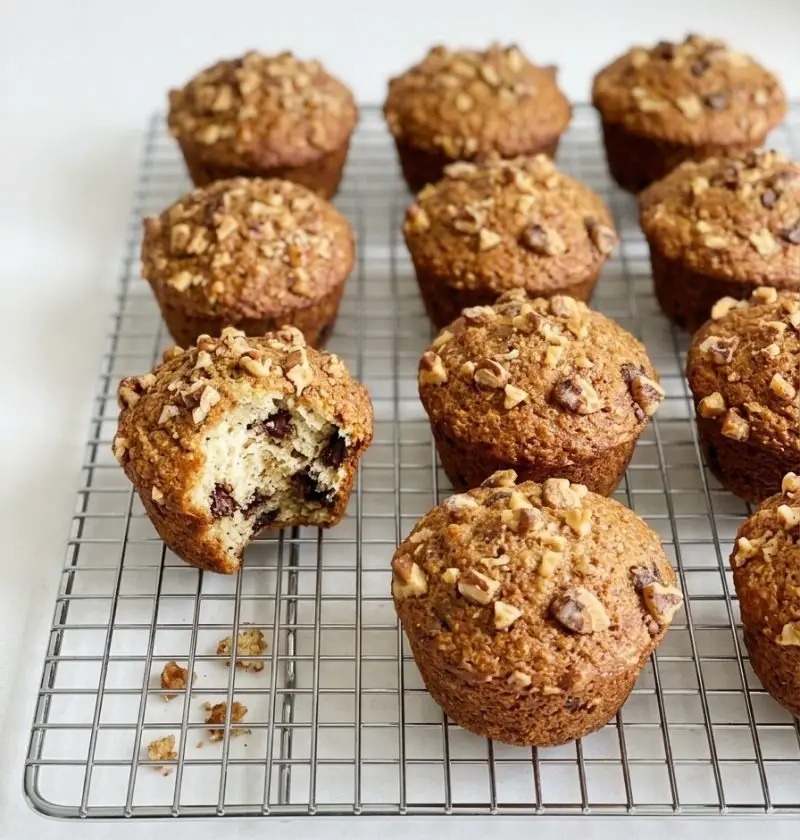
- Use wire racks for faster, even cooling
- Divide large batches into smaller portions
- Let items cool at room temp first, then refrigerate if needed
- Use the fridge or freezer strategically (once steam has stopped to avoid condensation)
And if you’ve got the space—a basement or spare room with stable temperature works much better than a garage.
Talking About It Without Starting a Family Debate
Now… let’s address the real challenge.
Because this isn’t just about food—it’s about habits. Memories. Maybe even your grandma insisting, “We’ve always done it this way.”
And honestly? She’s not wrong.
But food safety has changed. What we know now is different.
The easiest way to approach it:
- Stay respectful
- Share what you’ve learned
- Focus on keeping everyone safe (not proving anyone wrong)
Sometimes a small shift—like moving things to the fridge sooner—is all it takes.
The Bottom Line (No Drama, Just Facts)
Cooling baked goods in the garage isn’t automatically dangerous.
But it’s unpredictable. And that’s the real issue.
Between fluctuating temperatures, potential contamination, and modern food safety standards—it’s just not the most reliable choice anymore.
If you want peace of mind (and better-tasting baked goods, honestly), controlled environments win every time.
And maybe—just maybe—you can keep the tradition… but tweak it a little.
Because good food should come with comfort, not question marks.