
Save This Recipe
There’s something oddly comforting about boiling eggs. It’s one of those kitchen rituals that feels simple, almost automatic. Fill the pot. Add water. Wait. And yet… somehow, a cracked egg still manages to sneak into the mix and turn your calm little plan into a cloudy mess.
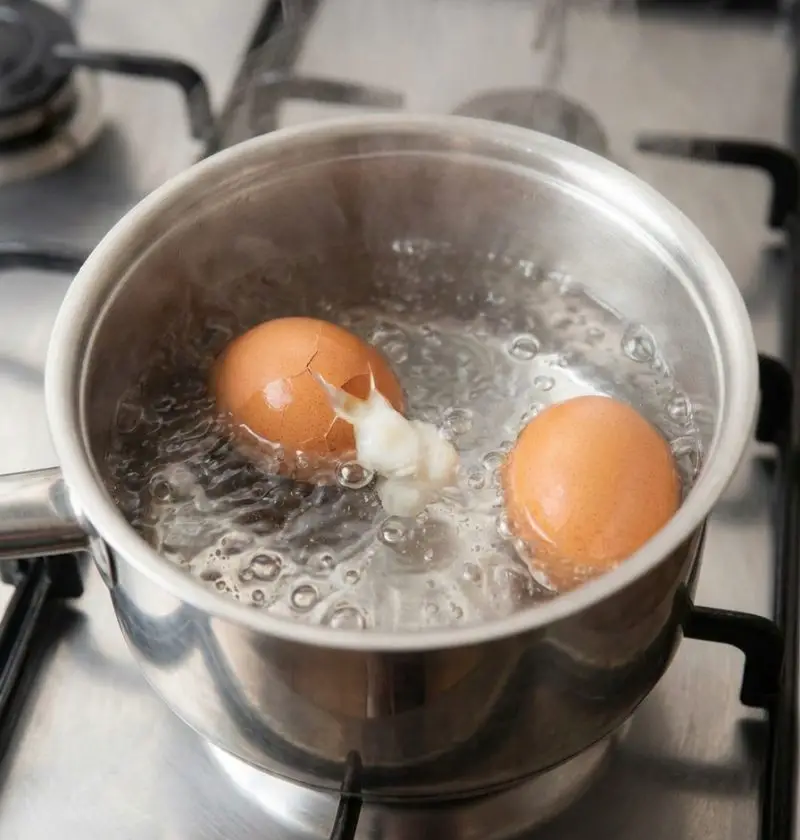
You know the scene. Foamy whites floating around like ghosts. A shell split just enough to ruin the look of your perfect breakfast or salad prep. Mild annoyance. Maybe a sigh. Honestly, it shouldn’t be this dramatic over an egg, but here we are.
Here’s the thing. Cracked eggs aren’t random bad luck. There’s real science behind it, plus a handful of small habits that quietly make all the difference. Once you know what’s happening inside that shell, the whole process feels way less mysterious and a lot more forgiving.
Let me explain.
Why Eggs Crack Anyway (A Tiny Science Moment)
Inside every egg is a little air pocket. As eggs age, that pocket grows. When you drop a cold egg into hot water, the air heats up fast and expands. The shell, made mostly of calcium carbonate, isn’t flexible. Pressure builds. Crack.
It’s kind of like tossing a sealed bottle into hot water and hoping nothing pops. Physics has opinions about that.
There’s also a thin membrane lining the shell. Sometimes it separates unevenly, which messes with how pressure spreads inside the egg. Add rapid heat and maybe a few bumps against the pot, and the shell gives up.
Not dramatic. Just biology doing its thing.
So the goal isn’t perfection. It’s pressure control, gentle heat, and a little kindness to fragile shells.
Start Cold, Stay Calm
One of the easiest fixes is almost boring: start your eggs in cold water.
Place the eggs in the pot first, then add enough cold water to cover them by about an inch. Turn the heat on medium and let everything warm up together. The eggs ease into the temperature change instead of getting shocked like they just jumped into a hot tub unannounced.
This slow warm-up reduces stress inside the shell and keeps cracks from forming as easily. It also gives you more consistent cooking, which means fewer rubbery whites and weirdly overcooked yolks.
Small change. Big payoff.
Slow Heat Beats Rushing
Even if you start with cold water, cranking the burner to full blast can undo all your good intentions. Rapid heating pushes pressure up too fast. Eggs don’t love that.
Aim for a gradual climb to a gentle boil. Think steady and patient, not frantic. Once bubbles appear, lower the heat so the water simmers rather than aggressively sloshes around like a washing machine.
A calmer pot means fewer collisions between eggs and fewer surprise cracks.
Let the Eggs Warm Up a Bit First
If your eggs are straight from the fridge, they’re extra cold. That temperature gap makes cracking more likely.
If you remember, pull the eggs out about 20 to 30 minutes before cooking. Let them take the chill off while you prep coffee, scroll your phone, or stare out the window pretending you’re in a cooking montage.
Room-temp-ish eggs handle heat changes more gracefully. It’s not mandatory, but it helps.
Gentle Water Is Your Friend
A rolling boil might look impressive, but it’s rough on eggs. When water bubbles aggressively, eggs bounce, collide, and knock into the pot walls. Shells aren’t built for bumper cars.
Once the water boils, reduce heat so it simmers softly. The eggs stay mostly still, cook evenly, and keep their dignity intact. Your pot will also stay cleaner, which is a quiet win nobody talks about enough.
A Little Salt or Vinegar Insurance
Sometimes, even with perfect technique, a crack sneaks in. That’s life.
Adding a small amount of salt or vinegar to the water helps any leaking egg white firm up faster. It won’t magically fix a cracked shell, but it keeps the mess contained and prevents the whole egg from escaping into the water like it’s making a break for freedom.
Consider it kitchen insurance.
The Pin Prick Trick (Yes, It Actually Works)
There’s a viral hack floating around where you gently poke a tiny hole in the wider end of the egg with a pin. That end usually holds the air pocket. The tiny hole gives expanding air somewhere to go instead of forcing the shell to crack.
Be gentle. You want a pinhole, not a crater. When done right, the egg cooks normally and stays intact. This method is especially helpful for older eggs, which tend to carry more trapped air.
It feels oddly satisfying, too. Like you’re outsmarting physics in a quiet, responsible way.
Cushion the Pot Like You Care About Your Egg
Metal pots are hard. Eggs are not.
If your pot allows it, place a steamer basket, silicone rack, or even a folded kitchen towel at the bottom. This creates a soft landing zone so eggs don’t knock directly against metal during bubbling.
It’s a small detail, but it dramatically reduces impact stress. Plus, it makes you feel like a thoughtful cook who anticipates problems before they happen. Always a nice vibe.
Give Them Space to Breathe
Overcrowding causes chaos. Eggs bump into each other, shells collide, and cracks follow.
Use a pot large enough to fit eggs in a single layer with a little breathing room. Better heat flow. Fewer collisions. More consistent results. Sometimes kitchen logic really does mirror life.
Egg Quality Actually Matters
Not all eggs are created equal.
Larger eggs often have thinner shells. Older eggs have weaker structure because moisture slowly escapes over time. If you notice eggs cracking often, try medium-sized, fresher eggs with firm shells and no visible flaws.
Before cooking, give each egg a quick glance. Hairline cracks might be invisible at first but expand under heat. Catching them early saves disappointment later.
Handle Like a Human, Not a Pinball Machine
Eggs pick up micro-cracks long before you boil them. A bump in the grocery bag. A clumsy fridge shuffle. A heavy jar leaning where it shouldn’t.
Store eggs in their carton. Handle them gently. Avoid stacking heavy items on top. It sounds obvious, yet most cracked eggs start their story days earlier with a tiny invisible fracture.
Kind of poetic, actually.
Altitude and Stove Quirks (Yes, They Matter)
If you live at higher altitude, water boils at a lower temperature. That can affect cooking time and how pressure builds inside eggs. You may need slightly longer cooking times and steadier heat control.
Different stoves also behave differently. Gas burners respond fast. Electric coils lag a bit. Induction heats aggressively. Pay attention to how your setup behaves and adjust heat gently instead of forcing it.
Cooking is part science, part intuition. Both get better with repetition.
Timing Still Counts (Because Texture Is Everything)
Cracks aside, nobody wants chalky yolks or undercooked whites. General timing guidelines:
- Soft centers: about 4–6 minutes after simmer starts
- Jammy middle: about 7–9 minutes
- Fully firm: about 10–12 minutes
After cooking, transfer eggs to cold water to stop residual heat from continuing the cook. This also makes peeling easier later, which is a whole separate conversation we’ll save for another day.
So… Is There a Perfect Method?
Kind of. And kind of not.
You can follow every tip and still get a rogue crack occasionally. That’s normal. Shells vary. Temperatures fluctuate. Life happens. The goal isn’t flawless control. It’s stacking odds in your favor so cracked eggs become rare instead of routine.
Start cold. Heat gently. Don’t overcrowd. Cushion when you can. Treat eggs with mild respect. Add a little insurance to the water. Maybe try the pin trick once just for fun.
Before long, boiling eggs becomes predictable again. Calm. Reliable. Almost boring, in the best way.
And honestly, there’s something comforting about mastering a simple kitchen habit. It builds quiet confidence. The kind that makes mornings smoother and meal prep feel less like a chore and more like a rhythm you trust.
Not bad for something that fits in the palm of your hand.