
Save This Recipe
I didn’t expect lobster to become a problem that night.
It was supposed to be one of those easy, slightly fancy dinners—nothing too serious, just good food, a few friends, maybe a little overconfidence in the menu.
And then my neighbor showed up with lobster.
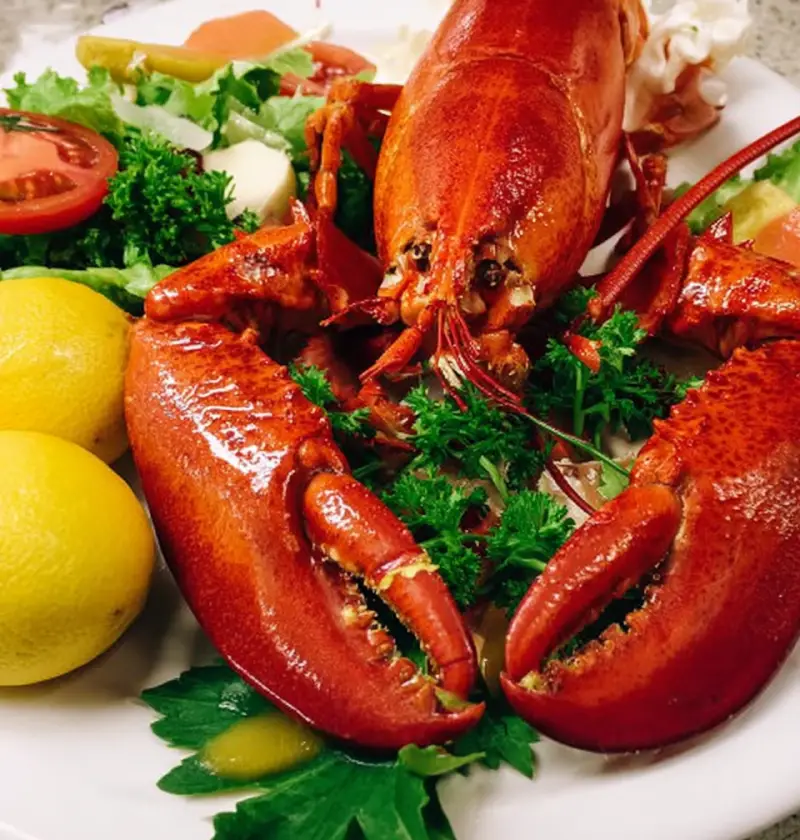
Fully cooked. Shells on. Looked great, honestly.
Until someone opened one.
And there it was—that green stuff inside. The tomalley.
Now, if you’ve never paid attention to lobster anatomy before, that’s usually the moment you pause and think, wait… is that supposed to be there?
Because technically, yes.
But also… maybe not something everyone wants to eat.
So What Is That Green Stuff?
That’s the tomalley.
It’s basically the lobster’s liver and pancreas rolled into one—kind of important for the lobster, less straightforward for the person eating it.
Some people love it. They’ll tell you it’s rich, flavorful, almost like a built-in sauce.
Others take one look at it and immediately lose interest in the whole dish.
Both reactions are fair, honestly.
The Part That Made It Awkward
Standing there, hosting, I had to decide—do I say something or just… let people figure it out?
Because not everyone knows what tomalley is.
And not everyone wants to find out mid-bite.
So yeah, I ended up mentioning it. Casually, I hope.
Something like, “Hey, just so you know, that green part is optional.”
Which is technically true—but also a bit of an understatement.
Do You Actually Need to Clean Lobster?
Short answer: no, not strictly.
Longer answer… it depends on what you mean by “clean.”
If you’re cooking lobster whole, a lot of people just go straight from pot to plate. Crack it open, eat what you like, ignore the rest.
But if you’re preparing it more carefully—removing parts, serving it to guests, trying to control the experience a bit—then yes, cleaning matters.
You’re basically deciding what ends up on the plate.
Why Some People Remove the Tomalley
There are a couple reasons.
First, texture and taste. It’s not for everyone.
Second—and this is the bigger one for a lot of people—it can carry contaminants.
Because it acts as a filter inside the lobster, it can accumulate things from the environment.
Not always a problem. But enough that some people prefer not to take the chance.
But Then… Some People Specifically Want It
And this is where it gets interesting.
In certain circles, tomalley isn’t something you avoid—it’s something you look forward to.
Spread on bread, mixed into sauces, treated like a delicacy.
So what one person quietly removes, another person might ask for.
That’s part of what makes it tricky, especially when you’re serving a group.
Cleaning Lobster Is Less Complicated Than It Looks
It seems intimidating if you’ve never done it.
But really, it’s just a matter of opening things up and deciding what stays and what goes.
Claws, tail, meat—that’s the good part everyone agrees on.
The rest? Optional.
And the more you do it, the less dramatic it feels.
The Mistakes People Don’t Realize They’re Making
Overcooking is a big one.
It happens fast, and suddenly the meat goes from tender to… kind of rubbery.
The other mistake is skipping the cleaning step when it actually matters—like when you’re serving guests who might not expect what’s inside.
That’s where things get a little uncomfortable.
There’s Also the Social Side of This
Food isn’t just about food. It’s about people.
And lobster, especially, has this “occasion” feeling to it.
So when something unexpected shows up—like tomalley—it can shift the mood a bit.
Not in a dramatic way. Just enough that people hesitate.
Which, as a host, you notice immediately.
What I’d Do Differently Next Time
I’d probably clean the lobster ahead of time.
Not because it’s required—but because it removes that moment of uncertainty.
People can just eat and enjoy without having to think about what they’re looking at.
And if someone does want the tomalley? You can always offer it on the side.
So… Is Cleaning Lobster a Must?
Not technically.
But if you care about presentation, comfort, or just avoiding that slightly awkward pause at the table…
It’s worth doing.
Final Thought (From Someone Who Learned Mid-Dinner)
Lobster isn’t complicated.
But it’s also not as simple as it looks when it lands on the table.
There are small decisions—what to include, what to remove—that change how people experience it.
And sometimes, those decisions matter more than the cooking itself.