
Save This Recipe
I used to pull them out.
Not at the end—like you’re supposed to. I mean before the dish even started cooking.
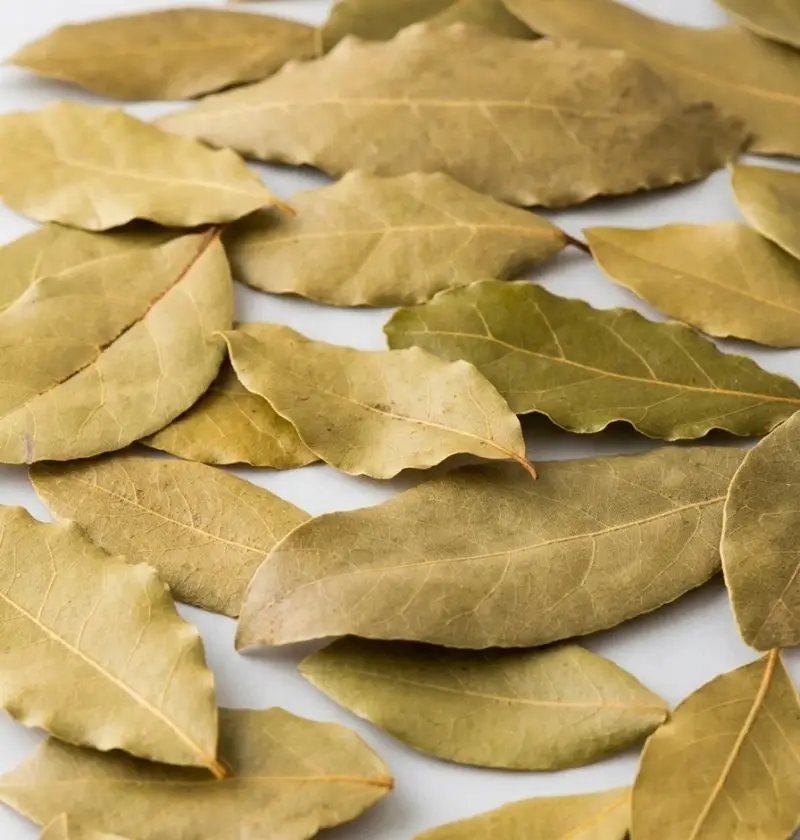
You know when you’re following a recipe and it casually says, “add 2 bay leaves” like it’s obvious? I’d look at that dry little leaf, shrug, and think… this can’t possibly matter.
And for a while, I was convinced it didn’t.
But then—this is the annoying part—I made the same soup twice. Same ingredients, same pot, same everything… except one had bay leaves and the other didn’t.
And yeah. There was a difference.
Not a loud one. Not a “wow what is that flavor” kind of thing. Just… something was missing.
First, what are we even dealing with here?
Bay leaves come from the Laurus nobilis, which sounds fancy but really just means they’ve been around forever—like ancient civilization forever.
Back then, people weren’t just cooking with them—they were wearing them on their heads like trophies.
Which feels excessive, but also kind of makes you think… okay, maybe this leaf has something going on.
The weird part: you don’t really taste them
Let me say this clearly, because this is where most people get tripped up:
Bay leaves are not there to be tasted.
If you’re expecting a bold flavor—like garlic or basil—you’re going to be disappointed. That’s not what they do.
They’re more like… structure. Or glue.
They sit in the background and make everything else make more sense.
Honestly, it reminds me of when you add salt to chocolate. You don’t taste “salt,” but without it, the whole thing feels flat. Same idea.
But technically… they do have a flavor
If you really break it down (and yeah, this is where it gets a little nerdy), bay leaves release a mix of aromas when they simmer:
- Slightly piney
- A little minty
- Kind of warm and peppery
Nothing aggressive. Nothing that jumps out.
But when you let it sit in a soup or sauce for a while, it softens everything. Rounds it out. Makes it feel like the flavors actually belong together.
And that only really happens with time.

Which is why they shine in slow cooking
Quick sauté? You probably won’t notice much.
But give them 30 minutes… an hour… longer?
That’s where they quietly do their thing.
Soups, stews, braises—anything that simmers for a while—that’s their territory.
It’s kind of like steeping tea. You wouldn’t dip the bag in for two seconds and expect magic. Same logic here.
“I still can’t taste it” — yeah, that’s normal
Some people genuinely don’t pick up on bay leaves at all.
And that’s not you doing something wrong. It’s just how subtle they are.
But here’s the catch: even if you don’t taste them, you might notice when they’re gone.
That’s the frustrating magic of it.
So… are they actually worth using?
Short answer? Yeah.
Long answer? Also yeah, but not for the reason you think.
They’re cheap. They last forever. And they quietly make your food better without asking for attention.
That’s kind of rare, honestly.
And no, they’re not going to save a bad dish. But in something that’s already good? They push it just a little further.
Can you skip them?
Of course.
People do it all the time.
You’ll still end up with something perfectly edible—probably even delicious. But it might feel just a little… flatter.
Not worse, exactly. Just not as full.
You can swap in herbs like thyme or oregano if you really need to, but that changes the flavor more than it replaces it.
So it’s not really a one-to-one thing.
If you’re still skeptical, try this
This is what convinced me.
Next time you make something simple—like a tomato sauce or basic soup—split it in half.
Add a bay leaf to one pot. Leave the other alone.
Let them simmer, then taste both.
You’re not going to get hit with a dramatic difference. It’s quieter than that.
But it’s there.
And once you notice it, you can’t really un-notice it.
Final thought (and I mean this)
Bay leaves are kind of like good background lighting.
You don’t walk into a room and say, “wow, incredible lighting.”
But if it’s bad—or missing—you feel it immediately.
That’s what they do.
So no, they’re not useless.
They’re just… quiet about it.